.jpg)
15 Reliable Strategies to Speed up Athletic Injury Recovery
.webp)
Every athlete knows the frustration of being sidelined by injury. Whether you're dealing with a strained muscle, tendon inflammation, or a more serious setback, the path back to full strength can feel uncertain and overwhelming. This article will guide you through proven strategies for Athletic Injury Recovery that help you heal properly, rebuild strength, and return to your sport with confidence instead of lingering doubts about reinjury.
The right approach makes all the difference between rushing back too soon and taking so long that you lose the fitness you worked hard to build. Pliability's mobility app provides structured recovery protocols designed to accelerate healing while protecting vulnerable tissues. Through targeted movement patterns and guided sessions, you'll understand exactly what your body needs at each stage of recovery, turning downtime into an opportunity to address weaknesses and come back stronger than before.
Summary
- Athletic injuries heal slowly because tissue repair follows biological timelines that can't be rushed. Inflammation, scar tissue formation, and neuromuscular reprogramming each require weeks or months of precise stimulus, not just time off. A hamstring strain might feel better in days, but the underlying fibers need six to eight weeks to regain tensile strength.
- Delayed treatment compounds recovery problems significantly. Garden State Pain & Orthopedics reports that 60% of athletes delay seeking treatment, often because they don't recognize how quickly functional decline occurs. By the time they formally address the injury, compensatory patterns have already become embedded.
- Diabetic patients face healing times prolonged by up to 87% for bone fractures and are 3.4 times more likely to develop complications after a fracture than those without the disease. Elevated glucose levels impede collagen synthesis and reduce blood flow to injured areas, depriving tissues of the oxygen and nutrients needed for repair.
- Movement quality during recovery determines whether tissues heal in functional patterns or dysfunctional ones. Most rehabilitation protocols focus on isolated exercises without assessing how those gains transfer to complex, multi-joint movements under fatigue. Video analysis reveals technique degradations long before athletes notice them, but without systematic monitoring, compensatory patterns are reinforced deeper into the motor control system.
- Pain may fade weeks before structural healing is complete, but collagen remodeling continues for months after symptoms resolve. Returning to full training intensity during this remodeling phase disrupts the alignment of new collagen fibers, resulting in tissue that appears stronger but is structurally weaker.
Pliability's mobility app provides assessment tools that identify biomechanical restrictions driving injury cycles and offers structured routines that address root causes rather than just managing symptoms during recovery.
Why Do Athletic Injuries Take so Long to Heal?
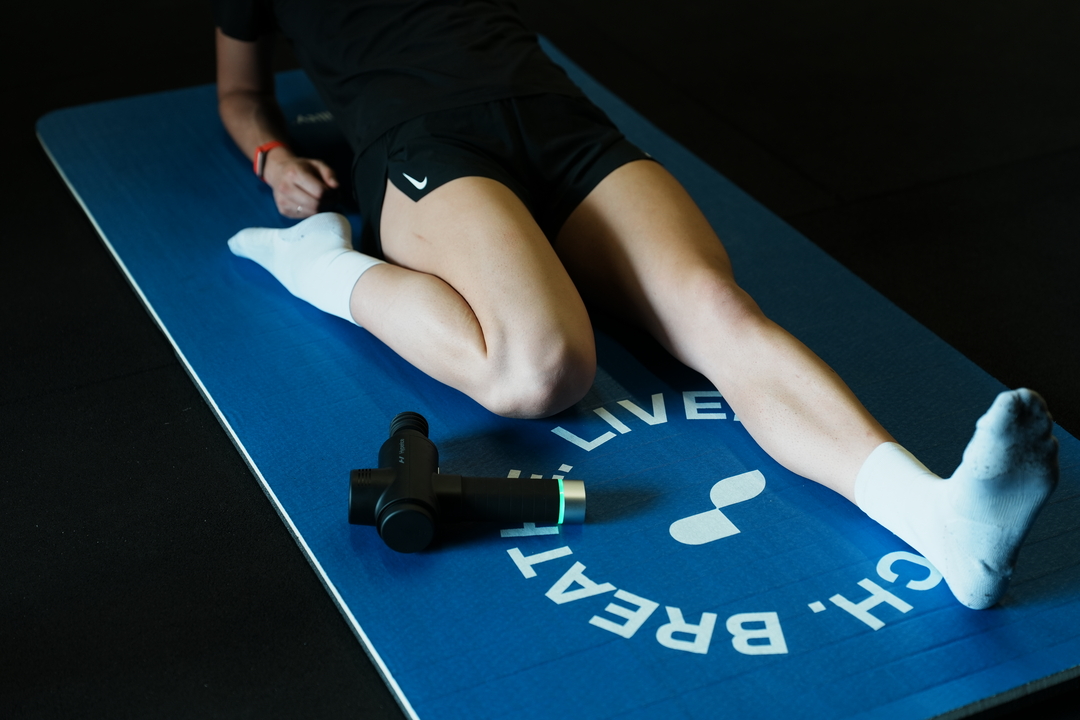
Athletic injuries heal slowly because tissue repair follows biological timelines that can't be rushed, and most recovery protocols ignore the difference between passive rest and active healing. Inflammation, scar tissue formation, and neuromuscular reprogramming each require weeks or months of precise stimulus, not just time off. When athletes treat recovery as waiting rather than training, they extend their timeline and increase their risk of reinjury.
Healing Isn’t Linear
Bone, tendon, ligament, and muscle each operate on different schedules. A hamstring strain might feel better in days, but the underlying fibers need six to eight weeks to regain tensile strength. According to QC Kinetix Sports Injury Statistics, 8.6 million injuries occur each year, yet most athletes underestimate how long true tissue remodeling takes. They conflate pain reduction with structural recovery, returning to full intensity as soon as discomfort fades. That gap between feeling ready and being ready is where reinjury lives.
Persistent Pain
Pain that lingers beyond the acute phase signals incomplete healing or compensatory dysfunction. Your body doesn't produce pain arbitrarily. When discomfort persists during basic movements, it indicates that tissues remain vulnerable or that surrounding structures are overcompensating to protect the injured area. Sharp sensations during specific ranges of motion point to structural damage that hasn't fully healed. Constant aches suggest inflammation hasn't resolved or that scar tissue is restricting normal mechanics.
Decoding Pain Signals
What complicates this is that pain tolerance varies wildly between athletes. Some push through signals their body desperately needs them to hear. Others catastrophize minor discomfort and unnecessarily extend recovery. The key is understanding what type of pain you're experiencing. Productive discomfort during controlled movement differs fundamentally from sharp, protective pain that shuts down motor patterns.
Swelling and Inflammation
Inflammation is your body's repair crew showing up to the job site. Heat, redness, and swelling indicate increased blood flow delivering nutrients and removing damaged tissue. This process is essential, but it needs to follow a precise arc. Excessive inflammation for too long causes secondary damage and delays healing. Too little means repair signals never fully activate.
Understanding Athletic Pain
The problem is that most athletes see swelling as the enemy and immediately try to eliminate it completely. Ice, compression, and elevation have their place in acute management, but chronic suppression of inflammation can actually slow tissue remodeling. Your body needs controlled inflammatory responses to trigger collagen synthesis and vascular growth. The goal isn't zero inflammation. It's about managing the intensity and duration so the repair occurs efficiently without creating chronic irritation that stalls progress.
Limited Range of Motion
When joints or muscles can't move through their full range of motion, compensation patterns spread throughout the kinetic chain. Your ankle loses dorsiflexion, so your knee tracks inward during squats. Your shoulder lacks internal rotation, causing your lower back to hyperextend during overhead movements. These adaptations feel functional in the moment but create stress concentrations that lead to secondary injuries.
Overcoming Protective Tension
A restricted range of motion also signals neurological inhibition. Your nervous system creates protective tension around injured areas, limiting movement to prevent further damage. This protective mechanism initially serves you, but it becomes a cage if you don't systematically restore motor control. Stretching alone won't fix it. You need movement patterns that retrain your brain to trust the tissue again, progressively expanding ranges under load while maintaining stability.
Impaired Functionality
Functionality breaks down in layers. First, you lose explosive power and coordination in complex movements. Then, basic strength diminishes as you avoid loading the injured area. Eventually, even simple daily tasks become awkward because your movement vocabulary has narrowed. Walking upstairs feels different. Getting out of a chair requires conscious thought. These small losses compound into significant performance gaps.
Rethinking Swelling in Recovery
Garden State Pain & Orthopedics reports that 60% of athletes delay seeking treatment, often because they don't recognize how quickly functional decline occurs. By the time they formally address the injury, compensatory patterns have already become embedded. Reversing those patterns takes longer than healing the original tissue damage. Your body has learned new, inefficient ways to move, and unlearning requires deliberate, consistent practice.
Trauma or Impact
Direct trauma creates immediate structural damage that requires staged repair. Bone fractures require immobilization followed by progressive loading. Ligament tears demand stability work before strength training. The sequence matters because each tissue type responds to different mechanical stimuli. Load bone too early, and you risk displacement. Wait too long, and you lose density that's hard to rebuild.
Repairing Neurological Impact
Impact injuries also create neurological disruption that outlasts tissue healing. Your proprioceptive system, the network that tells your brain where your body is in space, gets scrambled. Even after swelling resolves and pain fades, your movement quality suffers because sensory feedback remains distorted. You can't stabilize effectively if your brain doesn't know where your joint actually is. Rebuilding that sensory map requires specific movement drills that most generic rehab programs skip entirely.
Overuse or Repetitive Stress
Repetitive stress injuries develop slowly, which makes them harder to diagnose and treat. You don't have a clear incident to point to; it's a gradual decline from accumulated microtrauma. Tendons develop small tears that never fully heal between training sessions. Cartilage wears unevenly. Fascia thickens and loses elasticity. By the time pain forces you to stop, the damage has spread across multiple structures.
Fixing Training Flaws
These injuries expose training design flaws. You've been asking tissues to do more than they can recover from, and the deficit compounds over weeks or months. Rest alone won't fix it because returning to the same training stimulus will restart the cycle. You need to identify the specific movement pattern or volume threshold that exceeded your tissue capacity, then systematically rebuild tolerance. That requires honest assessment of training loads, technique breakdowns, and recovery quality, not just time off.
Poor Conditioning or Training Techniques
Insufficient preparation creates vulnerability. Muscles that lack eccentric strength can't control deceleration forces. Joints without stability can't distribute the load evenly. When you ask unprepared tissues to handle high intensity or volume, something gives. The injury might manifest suddenly, but the underlying weakness developed over months of inadequate foundational work.
Preventing Form Collapse
Form breakdowns under fatigue are especially dangerous. Your first rep looks perfect, but by rep fifteen, your shoulder drifts forward or your knee caves inward. Those subtle compensations accumulate stress in tissues not designed to handle it. Video analysis often reveals movement quality degrading long before athletes feel it. Building capacity means training not just strength but the ability to maintain positions under fatigue, when your nervous system wants to cheat, and your stabilizers are exhausted.
Inadequate Warm-up and Stretching
Cold tissues are brittle tissues. Muscles need blood flow and elevated temperature to achieve full elasticity. Joints require synovial fluid circulation to reduce friction. Skipping warm-ups means asking your body to perform at intensity before it's mechanically ready. Tendons are particularly vulnerable because they have poor blood supply and need movement to generate the fluid exchange that maintains their health.
Smart Warm-Up Strategies
Static stretching before explosive activity can actually reduce power output by temporarily decreasing the muscle stiffness needed for elastic energy return. The solution isn't more stretching; it's smarter preparation. Dynamic movements that progressively load tissues through relevant ranges while elevating heart rate prepare your body far more effectively than holding passive stretches. Your warm-up should look like a scaled-down version of your actual training, not a separate routine borrowed from a yoga class.
Biomechanical Issues
Underlying movement dysfunctions create recurring injury patterns. Anterior pelvic tilt loads your lower back incorrectly. Overpronation shifts knee tracking. Thoracic immobility causes your lumbar spine to assume excessive extension. These structural issues don't cause immediate pain, but they create mechanical disadvantages that accumulate until something breaks.
Addressing Root Causes
Most athletes address symptoms without fixing root causes. They treat the hamstring strain but ignore the pelvic positioning that overloaded it. They rehab the shoulder impingement, but never restore thoracic rotation. Pliability's mobility app provides assessment tools that identify these foundational restrictions and offer targeted routines to address the biomechanical patterns driving your injury cycle. Without correcting these underlying issues, you're just managing symptoms until the next breakdown.
Related Reading
- Injury Prevention Strategies
- What is Injury Prevention
- Cold Therapy for Athletes
- Can Tennis Elbow Cause Shoulder Pain
- Basketball Injury Prevention
- How to Prevent Pickleball Injuries
- How To Stop Wrist Pain From Lifting Weights
- Most Common Tennis Injuries
- How to Prevent Knee Pain When Running
- How Can You Prevent Injury While Cycling
- Injury Prevention for Athletes
9 Major Factors That Slow Athletic Injury Recovery
Your body doesn't heal slowly because it's broken. It heals slowly because the conditions surrounding recovery interfere with the biological processes that rebuild tissue. Most athletes focus on what they're doing to improve while overlooking what they're doing that makes healing harder. The gap between these two realities determines whether you're back in weeks or still struggling months later.
Key Injury Factors
According to Health, Sport, rehabilitation research, 3 main groups of factors affect injury and recovery in athletes:
- Individual biological characteristics
- Training and competition demands
- Environmental and behavioral influences
Understanding which factors you can control versus which ones you must adapt to changes how you approach every day of recovery.
1. Medical Conditions That Compromise Healing
Diabetes doesn't just affect blood sugar. It fundamentally alters how your body repairs bone and soft tissue. Diabetic patients face healing times prolonged by up to 87% for bone fractures and are 3.4 times more likely to develop complications after a fracture than those without the disease. Elevated glucose levels impede collagen synthesis and reduce blood flow to injured areas, depriving tissues of the oxygen and nutrients needed for repair.
Obesity and Mechanical Stress
Obesity creates mechanical stress that compounds the challenge. Extra weight loads joints, muscles, and bones beyond their designed capacity, making it difficult for your body to allocate resources to healing when it's constantly managing the strain of basic movement. The inflammatory markers associated with excess adipose tissue also create a systemic environment that slows tissue repair across all injury types.
Osteoarthritis and Healing Timelines
Osteoarthritis damages the structural integrity of joints before injury even occurs. When you add acute trauma to already degraded cartilage and tissue, healing timelines extend significantly because your body must address both the new damage and the underlying degeneration simultaneously.
Cancer and Energy Allocation
Cancer diverts nearly all available energy toward fighting malignant cells, leaving minimal resources for injury recovery. Your immune system, already taxed by disease management, can't mount the robust inflammatory response needed to clear damaged tissue and initiate repair.
Depression, PTSD, and Pain Sensitivity
Depression and post-traumatic stress disorder amplify pain perception and extend symptom duration. The neurological pathways that process pain become hypersensitive, meaning you experience more discomfort from the same level of tissue damage compared to someone without these conditions. This isn't a psychological weakness. It's a measurable neurochemical dysfunction that directly impacts physical healing outcomes.
2. Preexisting Injuries Create Vulnerability Cascades
One injury makes the next one more likely, not because you're unlucky, but because your movement system has already adapted around damage. I've seen athletes retear hamstrings six months post-surgery after jumping back into plyometrics, feeling confident but structurally unprepared. The meniscus repair felt solid, pain had faded, but the tissue hadn't completed the remodeling phase that restores true load capacity.
Second-Impact Syndrome Risks
Second-impact syndrome represents the most dangerous version of this pattern. Concussion symptoms like dizziness and nausea impair balance and spatial awareness, creating conditions where a second head injury becomes probable while the brain is still healing from the first. The compounding damage from repeated impacts before full recovery can trigger severe neurological consequences that wouldn't occur from either injury in isolation.
Nerve Damage and Compensatory Injuries
Nerve damage from a herniated disc alters gait mechanics, increasing fall risk and vulnerability. Your proprioception degrades, making it harder to navigate uneven surfaces or react to sudden balance challenges. These secondary injuries stem directly from compensations your body adopted to protect the original injury site. The longer you leave existing injuries untreated, the more compensatory patterns embed themselves, expanding your injury risk profile across multiple body regions.
3. Lifestyle Choices That Sabotage Tissue Repair
Regular alcohol consumption extends healing timelines by increasing swelling and inflammation beyond therapeutic levels. Alcohol thins your blood, accelerating flow and causing fluid to accumulate around injured areas in ways that create secondary tissue damage rather than supporting repair. The reduced pain perception that comes with drinking also removes protective feedback, leading you to move in ways that stress healing tissues before they're ready.
Smoking and Impaired Healing
Smoking constricts blood vessels and reduces oxygen delivery, both essential for wound healing and soft-tissue recovery. Nicotine interferes with fibroblast function, the cells responsible for producing collagen that forms the structural foundation of repaired tissue. Surgical guidelines often require smoking cessation precisely because tobacco use measurably slows healing and increases complication rates across nearly every injury type.
Diet, Hydration, and Tissue Recovery
Sugar triggers inflammatory cascades that prolong the acute phase of healing beyond its useful window. Dairy, processed meats, and trans-fats compound this effect, creating systemic inflammation that your body must manage alongside the localized inflammation from injury. Dehydration slows nutrient delivery and waste removal at the cellular level, extending every phase of tissue repair. Anti-inflammatory foods such as blueberries, salmon, almonds, and spinach provide micronutrients that support collagen synthesis and reduce excessive inflammation without suppressing the repair signals your body needs.
4. Inadequate Monitoring of Movement Quality
How you move during recovery determines whether tissues heal in functional patterns or dysfunctional ones. Faulty biomechanics during the repair phase teach your nervous system to accept compensatory movement as normal. Your hip loses extension range, so your lumbar spine hyperextends to compensate during running. That compensation feels smooth enough that you don't notice it, but the stress concentration in your lower back accumulates until something gives.
Hidden Movement Breakdowns
Most rehabilitation protocols focus on isolated exercises without assessing how those gains transfer to complex, multi-joint movements under fatigue. You pass the single-leg squat test in the clinic, but your knee caves inward during the fifteenth rep of a high-intensity workout when stabilizers are exhausted, and technique breaks down. Video analysis reveals these degradations long before you feel them, but without systematic monitoring, you're training dysfunctional patterns deeper into your motor control system.
Progressive Rehab and Feedback
Effective rehabilitation requires progressive loading that challenges healing tissues while maintaining proper alignment and motor control. Tools like Pliability's mobility app provide movement assessments that identify compensatory patterns before they become ingrained, and offer targeted routines to restore proper mechanics during the repair process. Without this feedback loop, you're building strength on top of dysfunction, which speeds up your return timeline but guarantees your next injury.
5. Psychological and Behavioral Barriers to Adherence
Fear creates protective tension that restricts movement beyond what is necessary to repair tissue damage. Your nervous system imposes this restriction to prevent further injury, but it persists long after structural healing is complete. Athletes who don't systematically retrain their nervous system to trust repaired tissues remain functionally limited even when the injury has physically resolved.
Risks of Premature Return
Impatience can lead to a premature return to high-intensity activity. Pain reduction creates the illusion that tissues have fully healed, but structural remodeling lags weeks behind symptom improvement. Feeling overconfident and eager to return to training, athletes skip the final phases of rehabilitation, during which tissues regain the resilience needed to handle sport-specific loads. That gap between feeling ready and being ready is where chronic injuries develop.
Challenges in Rehab Adherence
Poor adherence to rehabilitation protocols stems partly from the protocols themselves. Generic programs that don't account for individual movement patterns, training demands, or injury mechanisms fail to engage athletes in their own recovery. When exercises feel disconnected from sport-specific goals or fail to produce measurable progress, compliance declines. Effective programs create clear connections between daily work and functional outcomes, making adherence feel purposeful rather than obligatory.
6. Nutrition, Sleep, and Systemic Stress as Recovery Blockers
Your immune system drives tissue regeneration by deploying specialized cells that clear damaged tissue and initiate repair. Compromised immunity due to illness, overtraining, or chronic stress significantly slows this process. When your body is managing multiple stressors simultaneously, it allocates resources based on perceived survival priority. Injury repair drops lower on that list when your system is fighting infection, managing inadequate sleep, or processing chronic psychological stress.
Sleep Deprivation and Tissue Repair
Sleep deprivation disrupts growth hormone release and protein synthesis, both critical for tissue repair. The deep sleep phases, where most physical recovery occurs, get shortened or fragmented when sleep quality suffers. Athletes who maintain training intensity while reducing sleep create a daily recovery deficit that compounds, extending injury timelines and increasing vulnerability to new injuries.
Lifestyle Factors and Prolonged Inflammation
Systemic inflammation from poor nutrition, inadequate sleep, and chronic stress creates an environment where localized injury inflammation can't resolve properly. Your body can't distinguish between the therapeutic inflammation needed for repair and the pathological inflammation caused by lifestyle factors. The result is prolonged acute phases that delay progression to the remodeling stage, where tissues regain functional strength.
7. Age-Related Decline in Regenerative Capacity
Tissue regeneration efficiency declines with age. Bone density declines, making fractures both more likely and slower to heal. Tendons lose elasticity and become more prone to tears, which can require longer recovery periods. Muscle protein synthesis rates drop, meaning the same training stimulus produces less adaptation and slower repair after injury.
Aging and Recovery Strategies
Older athletes face a choice: accept longer recovery timelines or implement more aggressive prehabilitation and recovery protocols to compensate for biological decline. Proactive mobility work, strength training that emphasizes connective tissue resilience, and meticulous attention to nutrition and sleep become non-negotiable, not optional. The athletes who maintain function into their later years aren't genetically gifted. They've adapted their approach to match their body's changing capacity.
8. Returning to Activity Before Tissue Remodeling Completes
Pain may fade weeks before structural healing is complete. Inflammation resolves, acute symptoms disappear, and movement feels normal again. But collagen remodeling, the process where scar tissue reorganizes into functional tissue capable of handling load, continues for months after pain stops. Returning to full training intensity during this remodeling phase disrupts the alignment of new collagen fibers, resulting in tissue that appears stronger but is structurally weaker.
When Minor Injuries Turn Chronic
Minor injuries can become chronic when athletes resume high-intensity work too soon. The tissue never transitions from fragile repair to resilient function. Each subsequent training cycle stresses incompletely healed structures, creating micro-damage that accumulates faster than repair can address it. What started as a grade-one strain becomes a recurring injury that sidelines you repeatedly because you never gave it time to finish healing the first time.
The Critical Final 5% of Healing
Severe reinjuries often occur in tissues that were "95% healed" when athletes returned to sport. That final 5% represents the difference between tissue that can handle normal loads and tissue that can handle the eccentric forces, explosive accelerations, and unpredictable impacts that define athletic movement. Respecting healing stages means accepting that feeling ready doesn't mean being ready, and that patience during the final weeks of recovery prevents months of setbacks.
9. Common Pitfall Patterns Across Injury Types
Ankle sprains heal quickly in terms of pain resolution but slowly in terms of proprioceptive recovery. The ligament damage resolves, but the sensory feedback that tells your brain where your ankle is in space remains distorted for months. Athletes who return to cutting sports without restoring this proprioception roll the same ankle repeatedly because their neuromuscular system can't react fast enough to unstable surfaces or sudden direction changes.
Recurring Hamstring Strains
Hamstring strains recur at high rates because athletes address the muscle tear without fixing the biomechanical pattern that caused it. Anterior pelvic tilt, weak glutes, or poor deceleration mechanics overload the hamstrings during sprinting. You can heal the strain perfectly, but if you return to the same movement pattern under the same training loads, you're just counting down to the next injury.
Knee Injuries and Kinetic Chain
Knee injuries expose the interconnected nature of the kinetic chain. Restricted ankle mobility forces the knee to compensate during squatting and landing. Limited internal rotation of the hip increases valgus stress on the knee during cutting. These restrictions may not cause pain themselves, but they create mechanical disadvantages that concentrate force in ways that knee structures can't handle over the long term. Treating the knee without addressing ankle and hip mobility creates a cycle in which symptoms improve temporarily, but underlying vulnerability persists.
Related Reading
- Do Muscle Tears Heal On Their Own
- Forearm Strain
- How Can Strengthening Muscles Prevent Injury
- Quad Strain Recovery Time
- Urgent Care For Pulled Muscle
- How To Heal A Calf Strain Quickly
- How To Prevent Hamstring Injuries
- How Long Does a Sprained Knee Take to Heal
- How Does Stretching Prevent Injury
- How To Strengthen Shins For Running
15 Ways to Improve Athletic Injury Recovery and Reduce Downtime
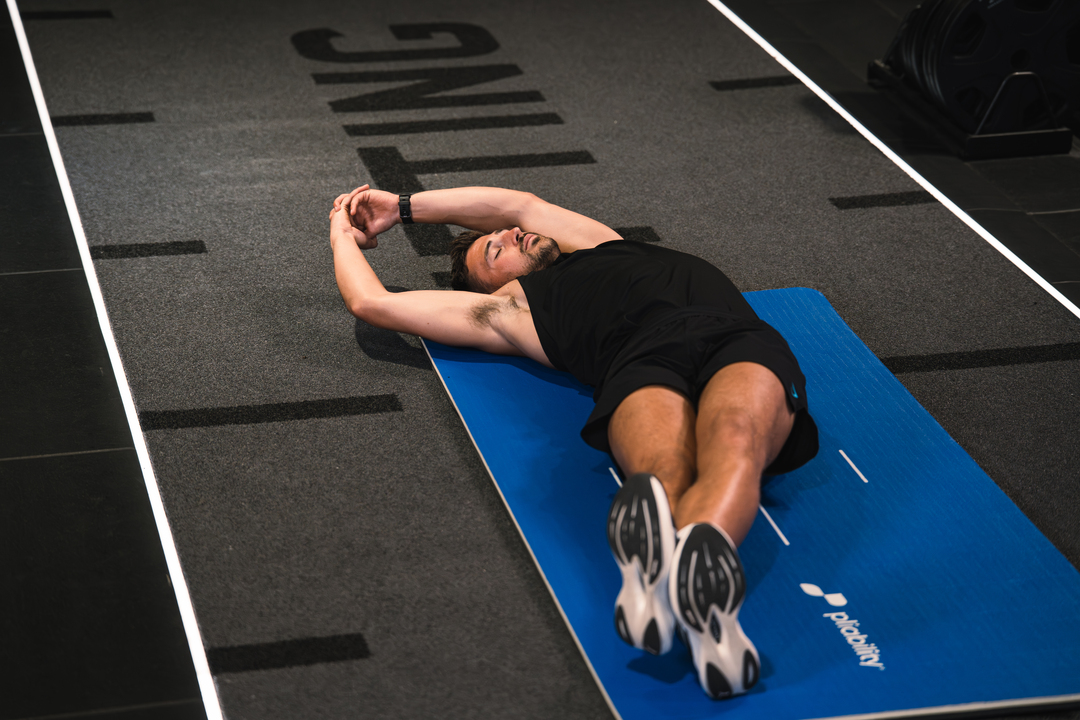
1. Follow the R.I.C.E. Method
Rest, ice, compression, and elevation form the foundation of acute injury management because they control the initial inflammatory response. Applying ice within the first 48 hours reduces swelling by constricting blood vessels and limiting fluid accumulation, which can cause secondary tissue damage. Compression provides mechanical support that prevents excessive movement while reducing the space available for swelling. Elevation uses gravity to drain fluid away from the injury site, decreasing pressure that would otherwise prolong inflammation.
R.I.C.E. and Controlled Inflammation
The method works because it manages inflammation intensity without eliminating it entirely. Your body needs controlled inflammatory signals to trigger repair, but excessive swelling creates an environment where waste products accumulate faster than your lymphatic system can clear them. R.I.C.E. establishes the baseline for subsequent rehabilitation, creating conditions that enable tissues to transition from acute damage to active repair.
2. Progress in Stages
Tissue adaptation requires progressive overload applied in increments small enough that structures can remodel without breaking down. A runner recovering from a hamstring strain begins with walking, which loads the muscle through a limited range at low intensity. Light jogging introduces elastic energy storage and release at controlled speeds. Only after demonstrating pain-free mechanics during jogging does sprinting become appropriate, when forces spike, and eccentric demands increase.
Controlled Inflammation with R.I.C.E.
Each stage serves a specific purpose in rebuilding load tolerance. Skipping stages means asking tissues to handle stress they haven't adapted to yet, which either causes immediate reinjury or creates microtrauma that accumulates into chronic problems. The athletes who return fastest aren't the ones who push hardest, earliest. They're the ones who respect biological timelines while systematically expanding capacity.
3. Prioritize Sleep
Growth hormone release peaks during deep sleep, driving muscle protein synthesis and collagen production that form the structural foundation of healed tissue. Athletes who consistently get seven to nine hours experience faster recovery, lower injury rates, and better performance because their bodies complete repair cycles that fragmented sleep interrupts. Your nervous system also resets during sleep, consolidating motor learning and clearing metabolic waste products that accumulate during training.
Optimizing Sleep for Recovery
Practical implementation matters as much as duration. Consistent sleep schedules synchronize your circadian rhythm, making it easier to fall asleep and stay asleep. Avoiding screens an hour before bed prevents blue light from suppressing melatonin production. Keeping your room dark and cool creates environmental conditions that support deep sleep phases. Cutting afternoon caffeine prevents stimulants from interfering with sleep onset six to eight hours later.
4. Strengthen Surrounding Muscles
An ankle sprain doesn't just damage ligaments. It disrupts the neuromuscular system that stabilizes the joint during movement. Strengthening calves, shins, and glutes rebuilds the force distribution network, preventing excessive stress concentration on healing ligaments. These supporting muscles act as dynamic stabilizers, absorbing impact and controlling motion to reduce strain on vulnerable structures.
Addressing the Whole Movement System
The pattern applies across all injury types. Shoulder injuries typically require treatment of the rotator cuff and scapular stabilizers. Knee problems demand attention to the hip abductors and adductors. Lower back issues require core endurance to maintain spinal alignment under load. Treating the injury site without addressing the surrounding system leaves mechanical disadvantages in place, which will lead to future problems.
5. Enhance Flexibility
Restricted mobility leads to compensatory movement patterns that concentrate stress on tissues not designed to handle it. Limited ankle dorsiflexion shifts the load to the knee during squatting. Tight hip flexors increase lumbar extension during running. These restrictions create mechanical inefficiencies that slow recovery by maintaining abnormal stress distributions even as primary tissues heal.
Functional Mobility in Rehab
Mobility work through yoga, dynamic stretching, or sport-specific routines maintains functional movement capacity during rehabilitation. The goal isn't to achieve extreme ranges for its own sake. It's about ensuring your body can access the positions required for efficient movement without forcing other structures into compensatory patterns that can cause secondary injuries.
6. Maintain Proper Technique
Movement quality under fatigue determines whether exercises support recovery or create new problems. Your first repetition might look perfect, but by rep twelve, subtle compensations emerge. Your knee tracks inward, your shoulder drifts forward, or your spine rounds under load. These breakdowns accumulate stress in ways that overload healing tissues or create vulnerability in adjacent structures.
Correcting Technique Early
Video analysis reveals technique degradation before you notice it, enabling corrections that protect tissues during recovery. Focus on maintaining positions throughout full sets, not just at the start. If form breaks down, reduce load or volume until you can complete the movement correctly. Building strength on top of faulty patterns speeds your return but guarantees your next injury.
7. Retrain Balance and Coordination
Injury scrambles proprioception, the sensory feedback that tells your brain where your body is in space. Even after pain resolves and strength returns, this neurological disruption persists. Single-leg stands, wobble boards, and agility drills retrain the nervous system to process positional information accurately, reducing the likelihood of missteps that can lead to reinjury.
Proprioceptive Training for Stability
Proprioceptive training is especially critical for ankle, knee, and wrist injuries, where joint positioning directly affects stability. Without systematic retraining, your movement quality suffers because your brain can't coordinate muscle activation timing properly. You might feel strong but remain functionally vulnerable because sensory feedback hasn't caught up to structural healing.
8. Keep Cardiovascular Fitness
Protecting an injured area doesn't require abandoning all training. Low-impact exercises such as cycling, swimming, or using an elliptical trainer maintain cardiovascular conditioning without overloading healing tissues. This approach prevents detraining, which would otherwise require you to rebuild both the injured structure and your aerobic base simultaneously when returning to sport.
Fitness Supports Recovery
Maintaining fitness also supports recovery by keeping blood flow elevated, thereby improving nutrient delivery and waste removal throughout the body. The psychological benefit matters too. Staying active, even in modified forms, maintains the training mindset and prevents the mental stagnation that comes from complete inactivity.
9. Use Therapeutic Modalities
Ice reduces acute inflammation and pain by constricting blood vessels and slowing nerve conduction. Heat increases blood flow and tissue elasticity, making it useful for chronic tightness or before movement sessions. Compression reduces swelling and provides proprioceptive feedback, which can reduce protective muscle guarding. Manual therapy addresses fascial restrictions and trigger points that limit movement quality.
Timing Recovery Modalities
These modalities work best when matched to specific recovery phases. Ice dominates the first 48 to 72 hours post-injury. Heat becomes more useful once acute inflammation subsides and tissue mobility becomes the limiting factor. Compression supports both phases by managing fluid accumulation. Understanding when to apply each technique optimizes its contribution to overall recovery.
10. Support Recovery with Nutrition and Hydration
Protein provides amino acids for muscle repair; aim for 20 to 40 grams post-exercise to maximize synthesis rates. Calcium and vitamin D strengthen bone remodeling. Electrolytes maintain fluid balance and support muscle and joint function. Omega-3 fatty acids reduce systemic inflammation without suppressing the localized inflammatory signals needed for repair. Antioxidants from berries, leafy greens, and nuts support tissue recovery by managing oxidative stress.
Hydration and Nutrition for Healing
Hydration keeps tissues flexible and supports the fluid exchange that delivers nutrients while removing metabolic waste. Dehydration slows every cellular process involved in healing, extending timelines that compound over weeks of recovery. What you eat and drink either creates conditions that support repair or forces your body to work harder to achieve the same outcomes.
11. Recognize Warning Signs
Pain, swelling, or discomfort during rehabilitation indicates your body is under stress it can't currently handle. Ignoring these signals leads to setbacks that extend recovery far longer than the few days of rest that addressing them early would require. The key is distinguishing between productive discomfort from appropriate loading and protective pain that signals tissue vulnerability.
Listening to Pain Signals
Sharp, localized pain during specific movements suggests structural stress on healing tissues. Adjust intensity, modify the exercise, or rest as needed. Dull, widespread achiness may indicate systemic fatigue or inflammation that requires broader recovery interventions, such as improved sleep or nutrition. Listening to your body means responding to feedback rather than pushing through signals that something isn't right.
12. Schedule Professional Check-Ins
Physiotherapists and rehabilitation specialists provide objective assessments that reveal compensatory patterns you may not be aware of. Regular check-ins enable adjustments to exercise progression based on tissue response, ensuring you're loading appropriately without undertraining or overtraining. Early detection of developing problems prevents minor issues from becoming major setbacks. Professional guidance is especially valuable during return-to-sport phases, when the gap between clinic performance and field demands creates vulnerability. Specialists can design sport-specific progressions that bridge controlled rehabilitation exercises to the chaotic, high-intensity demands of actual competition, reducing the risk of reinjury during the final transition.
13. Prioritize Rest and Recovery
Structured rest periods allow tissues to adapt to training stress rather than just accumulating fatigue. Active recovery sessions with light movement enhance circulation and reduce stiffness without creating additional breakdown. Adequate sleep provides the hormonal environment in which repair occurs most efficiently. Athletes who integrate recovery as deliberately as they plan training prepare their bodies for sustainable progress rather than short-term gains followed by breakdown.
Micro-Recovery Windows Boost Performance
According to TxMAC.net's research on maximizing athlete recovery, there's a 500-millisecond delay after the last touch event before the body can optimally respond to new stimuli, underscoring how even micro-recovery windows affect performance and healing capacity. Rest isn't weakness or wasted time. It's when adaptation actually happens.
14. Nutrition for Recovery
Food functions as both fuel and medicine during rehabilitation. Protein supports muscle repair with specific targets that optimize synthesis rates. Carbohydrates replenish muscle glycogen depleted during training, especially important after endurance work. Omega-3 fatty acids from oily fish or supplements reduce inflammation systemically. Antioxidants from berries, leafy greens, and nuts support tissue recovery by mitigating oxidative stress during intense repair processes.
Optimized Nutrition Accelerates Recovery
The timing and composition of meals around training sessions influence how efficiently your body uses nutrients for recovery. Post-exercise nutrition windows exist not because your body shuts down absorption after an hour, but because immediate nutrient availability accelerates processes that would otherwise wait for your next meal. Strategic nutrition stacks advantages that compound across days and weeks of rehabilitation.
15. Active Recovery Days
Movement enhances circulation, accelerates waste removal, reduces stiffness, and supports mental well-being without causing the tissue breakdown that intense training can produce. Light cycling, walking, swimming, mobility drills, yoga, or foam rolling keep your body in motion while allowing healing processes to continue uninterrupted. Maximize the Mind's guide outlines 15 essential recovery strategies that emphasize this balance between activity and rest.
Active Recovery Supports Mind and Body
Active recovery addresses the psychological challenge of rehabilitation as much as the physical one. Prolonged inactivity leads to mental stagnation and a disconnect from your athletic identity. Low-intensity movement maintains the connection while respecting tissue-healing timelines. The best athletes understand that not every day should push limits. Some days are for preparing your body for the next hard session, and those preparation days determine whether you progress or break down.
Related Reading
- How To Prevent Stress Fractures From Running
- How To Fix Lower Back Pain From Running
- Care And Prevention Of Athletic Injuries
- Knee Injury Prevention Exercises
- Compression Therapy For Athletes
- Soccer Injury Prevention Exercises
- Best Foam Roller For Runners
- Ankle Injury Prevention Exercises
Speed Up Your Athletic Injury Recovery With Pliability
Recovery becomes faster when you treat mobility as infrastructure, not maintenance. Most athletes approach flexibility work as something to squeeze in after training, a box to check when pain forces attention. That reactive mindset keeps you cycling through the same injuries because you're addressing symptoms after tissues have already broken down. Proactive mobility work builds resilient movement patterns before stress accumulates, shortening recovery timelines by preventing the compensatory dysfunctions that extend healing.
Pliability App for Targeted Recovery
Pliability's mobility app offers performance-focused programs that support injury recovery while reducing the risk of reinjury. The platform offers guided video routines targeting specific body regions, daily-updated custom programs that adapt to your progress, and a body-scanning feature that identifies mobility restrictions before they create problems. You can safely rebuild range of motion, complement physical therapy protocols with structured movement work, and track improvements through measurable assessments that show exactly where capacity is returning.
Precision Mobility Fixes Root Causes
The difference between generic stretching and strategic mobility work shows up in how quickly you regain function. Random flexibility exercises might feel productive, but they don't address the specific movement limitations driving your injury pattern. A structured program identifies whether your hamstring strain stems from limited hip extension, weak glutes, or poor pelvic positioning, then builds capacity in the exact areas that will prevent recurrence. That precision accelerates recovery by fixing root causes rather than managing surface-level tightness.
Start Moving Better Today
Sign up today for seven days free on iPhone, iPad, Android, or web. Returning to peak performance starts with moving better, and moving better requires systematic work that treats mobility as essential training, not optional recovery. Your body lasts longer when you build it to move freely, and that freedom determines whether you're competing or watching from the sidelines.
.jpg)