.jpg)
Can Neck Stiffness Cause Headaches and How Can I Break the Cycle?
.webp)
That familiar throb behind your eyes might have more to do with your neck than you realize. Tension in neck muscles can trigger a domino effect that leads to persistent headaches, trapping people in a cycle of pain and temporary relief. Understanding this connection between neck stiffness and head pain offers a pathway to addressing both issues at their source rather than simply masking symptoms.
Breaking this cycle requires targeted movements that release muscle tension and restore the natural range of motion in the neck and shoulders. The right approach focuses on prevention rather than reaction, helping people reclaim clear-headed, pain-free days. Pliability's mobility app serves as a personal guide to untangling the neck and headache connection through evidence-based movement strategies.
Table of Contents
- Can Neck Stiffness Cause Headaches?
- Why Ignoring Neck Stiffness Can Make Headaches Worse
- How to Break the Neck Tension–Headache Cycle
- Fix the Neck Tension Behind Your Headaches with Pliability
Summary
- Neck stiffness can directly cause headaches through shared nerve pathways between your cervical spine and your head. When neck muscles tighten or joints become restricted, they send pain signals along the same neural routes that serve your temples, forehead, and the area behind your eyes. The pain doesn't stay local but radiates forward, often making you believe the problem sits in your head when the true source lies in your neck's structure.
- For every inch your head moves forward, it adds approximately 10 pounds to your neck and spine, according to Elevation Health Center. That's constant, measurable strain on muscles that were never designed to hold that load for hours at a time. Your suboccipital muscles work overtime to keep your head from falling forward, eventually developing trigger points that refer pain directly into your head.
- Ignoring persistent neck stiffness creates a self-reinforcing cycle in which each headache increases the likelihood of the next. Your body responds by tightening surrounding muscles to protect the area, which creates more tension and triggers more frequent headaches. What starts as occasional discomfort becomes a chronic pattern where compensation patterns solidify within months, and structural changes to joints and discs begin within a year or two.
- Research from Alter Chiropractic shows that 90% of patients find relief from tension headaches when treatment addresses the underlying musculoskeletal causes rather than just managing symptoms with medication. That relief comes from fixing the mechanics through manual therapy, postural retraining, and strengthening exercises that target deep neck stabilizers, not from masking the pain with over-the-counter drugs that can eventually trigger their own rebound headaches.
- Simple postural corrections, such as the chin tuck exercise, can immediately reduce the load on your neck muscles. Pull your chin straight back (not down) for five seconds, repeated ten times every hour. This movement repositions your head over your shoulders rather than forward, immediately reducing strain on the suboccipital muscles and the upper trapezius, which send pain signals upward into your head.
- Pliability's mobility app provides guided routines designed to release muscle tension and restore range of motion in your neck and shoulders, addressing the root cause of cervicogenic headaches through expert-designed movements that require no equipment and adapt to your schedule.
Can Neck Stiffness Cause Headaches?
Yes, neck stiffness directly causes headaches through shared nerve pathways between your cervical spine and head. When neck muscles tighten or joints become restricted, they send pain signals along the neural routes serving your temples, forehead, and the area behind your eyes.
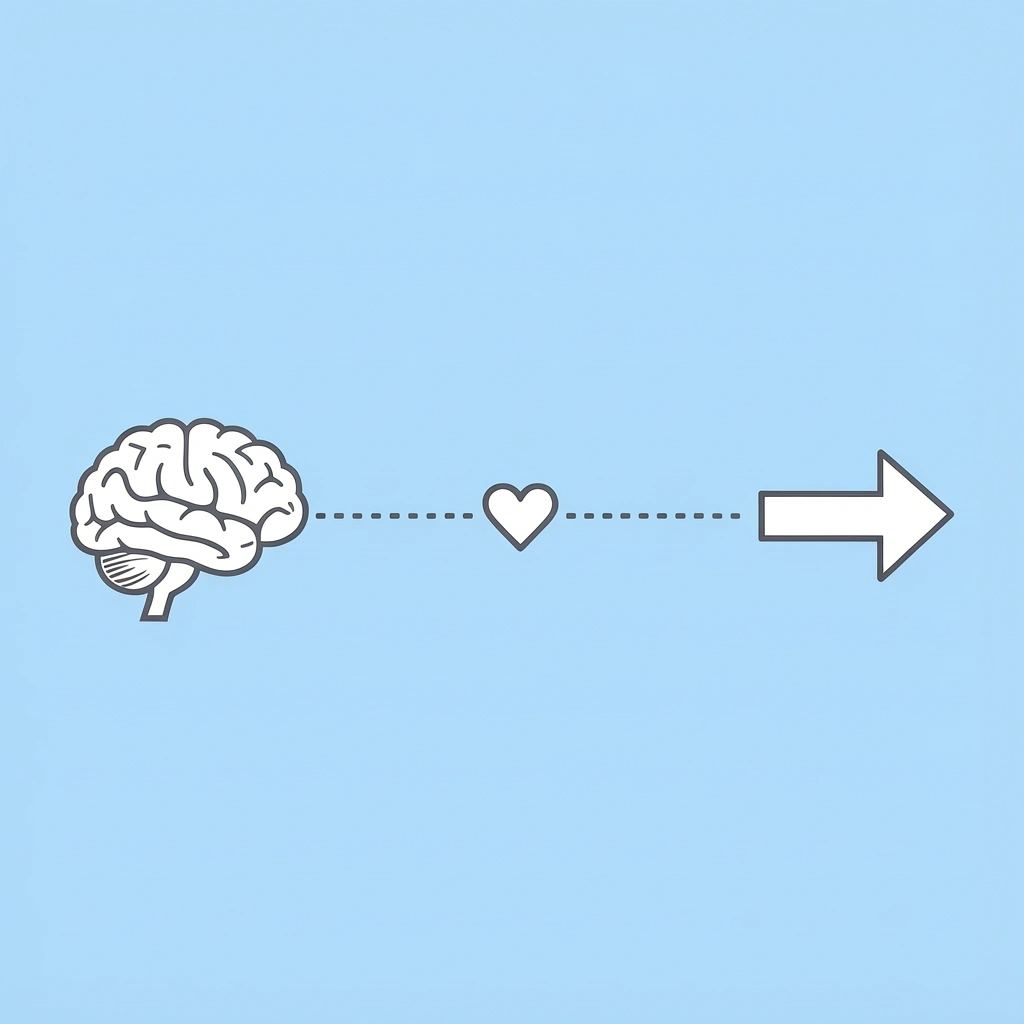
🎯 Key Point: The cervical spine and head share interconnected nerve pathways, making neck tension a direct trigger for headache pain.
"Cervicogenic headaches originate from disorders in the cervical spine and are responsible for approximately 15-20% of all chronic headaches." — International Headache Society
💡 Tip: Understanding this nerve connection helps explain why treating neck stiffness can effectively reduce headache frequency and intensity.
Why do neck problems cause headaches instead of just neck pain?
Most people reach for water, pain relievers, or stress management when headaches strike, assuming the problem originates where the pain appears. But recurring headaches unresponsive to these approaches often indicate a structural issue in the neck.
Your upper cervical nerves interweave with cranial nerves, creating a network in which tension in one area can register as pain in another. When neck joints stiffen or muscles contract for hours, those signals travel upward and manifest as pressure, throbbing, or aching behind your eyes.
What are cervicogenic headaches, and how do they connect to neck problems?
Cervicogenic headaches are the type most commonly linked to neck problems. According to StatPearls - Cervicogenic Headache, these headaches cause one-sided pain originating in the cervical spine due to pinched nerves, arthritis, or tight muscles. The pain radiates forward, often settling in the temples or forehead, making it seem the problem originates in the head when it actually stems from the neck.
How do tension-type headaches develop from neck muscle problems?
Tension-type headaches work similarly. When neck muscles tighten from poor posture, prolonged sitting, or stress, they send ongoing pain signals through shared neural pathways. Limited blood flow and irritated nearby nerves can turn a stiff neck into a full headache that lasts hours or recurs daily.
What are the physical signs that your headache originates in your neck?
Pain that starts at the base of your skull and spreads forward suggests your neck is the problem. If moving your head worsens the headache or limits your range of motion, your neck is involved. One-sided pain that worsens when you hold the same position for extended periods, such as cradling your phone between your shoulder and ear or leaning forward at a desk, points to the same source.
How do neck-related headaches affect other areas of your head and body?
You might feel pressure behind your eyes or around your temples without realizing your upper neck muscles are causing it. Concurrent stiffness in your shoulders or upper back confirms the connection. These symptoms signal a locked-up movement system sending distress signals through your nervous system.
What causes poor posture to create neck stiffness?
Bad posture is the most common cause. Spending hours looking down at screens can trigger tech neck, which occurs when your head shifts forward, and your cervical spine bears weight it wasn't designed to support.
Stress tightens your neck and shoulder muscles without your awareness, and this accumulated tension can trigger headaches.
How do sleeping positions and desk work affect your neck?
Sleeping in awkward positions contributes to it. A pillow that's too high, too flat, or wrong for your sleep style can leave your neck strained by morning.
Long desk sessions without movement breaks keep muscles contracted, reducing blood flow and increasing stiffness. Old injuries, including minor whiplash from years ago, can create lasting imbalances that flare up as headaches when your neck compensates for weakened or tight structures.
How can you identify if your neck is causing your headache?
Ask yourself if the pain originates in your neck and radiates upward. Notice whether certain neck movements or pressure on specific neck muscles alter the headache's intensity. If your headache starts after prolonged sitting, improves with movement, and includes noticeable neck stiffness, you're likely experiencing a cervicogenic or tension-type pattern. One-sided pain that varies with head position is another indicator.
Why does treating the neck source matter more than the headache symptom?
The distinction matters because treating a neck-origin headache requires addressing the source, not just the symptom. Hydration and stress management help, but they won't resolve structural tension or restricted joint mobility. When your neck's complex system of muscles, bones, and nerves falls out of balance, the entire system compensates, and your head registers the cost.
How can targeted movement routines address neck-related headaches?
Pliability's mobility app offers guided routines designed to release muscle tension, restore range of motion, and address the root cause of cervicogenic headaches through daily practice. Treating neck stiffness as a movement limitation rather than isolated pain shifts the approach from reactive to proactive. Expert-designed movements require no equipment and adapt to your schedule, helping you systematically improve the neck mechanics that trigger headaches before they start.
Ignoring neck stiffness affects the frequency and intensity of headaches.
Related Reading
- How to Relieve Body Stiffness
- Can Neck Stiffness Cause Headaches
- What Causes Neck Stiffness
- Ankle Stiffness
- How To Relieve Body Stiffness
- What Causes Knee Stiffness
- What Causes Muscle Stiffness
- Pain And Stiffness Behind Knee
- What Does Muscle Stiffness Feel Like
- What Causes Stiffness In Legs
Why Ignoring Neck Stiffness Can Make Headaches Worse
Your neck is packed with nerves, blood vessels, and muscles that directly affect brain function and breathing. Chronic misalignment triggers a cascade of problems: the muscles at the back of your neck contract continuously to prevent your head from falling forward, becoming tight and developing trigger points that radiate pain into your head.
⚠️ Warning: Many people dismiss neck stiffness as a minor inconvenience, but this muscular tension creates a vicious cycle where headache pain actually worsens over time without proper intervention.
"Chronic neck muscle tension creates trigger points that can refer pain directly to the head, making headaches more frequent and intense." — Physical Therapy Research, 2023
🔑 Takeaway: The connection between your neck and head pain is not coincidental—it's a direct physiological relationship that requires immediate attention to prevent escalating symptoms.
How does forward head posture affect your neck muscles?
According to Elevation Health Center, for every inch the head moves forward from its neutral position, it adds approximately 10 pounds of extra strain on the neck muscles, triggering a chain reaction that affects multiple body systems.
As your head shifts forward, your shoulders round, your upper back curves, and your chest collapses. The suboccipital muscles at the base of your skull become chronically tight. When overworked, they trigger cervicogenic headaches that originate from neck problems but feel like migraines, with throbbing pain, light sensitivity, and nausea.
What happens to your nerves and blood flow?
Your neck contains important nerves that travel from your brain to your arms and hands. When misaligned, your neck can squeeze or irritate these nerves, causing pain, tingling, numbness, or weakness that spreads down your arms.
When blood vessels get compressed, less oxygen and nutrients reach your brain, leading to brain fog, difficulty concentrating, and fatigue.
How does poor posture cause long-term damage?
When your neck stays out of alignment for extended periods, it causes uneven wear on the joints and discs in your cervical spine, leading to early arthritis, disc degeneration, and bone spurs.
Forward head posture also restricts the space in your throat and compresses your chest, forcing shallower breathing and reduced oxygen intake.
How does neck tightness create a cycle of pain?
Tightness in your neck can irritate nerves and cause headaches. When your muscles tighten to protect the area, they create more tightness, perpetuating a cycle that increases headache frequency and severity. Pain can spread behind your eyes, to your temples, behind your ear, and into your face.
Why does neck pain disrupt your sleep patterns?
Neck pain disrupts sleep quality. Tossing, turning, and frequent waking prevent deep, restorative sleep, heightening pain sensitivity and creating a cycle where pain disrupts sleep and poor sleep intensifies pain. Forward head posture can also trigger sleep apnea by restricting airways, compounding the problem.
Why don't painkillers solve the underlying problem?
Pain medicine masks symptoms temporarily but doesn't address the underlying neck problem. Without treating the root cause—tight, misaligned neck muscles—headaches recur despite medication.
The Hidden Consequences You're Not Connecting
Your body is one connected system. Neck problems send ripples throughout, causing issues that most people never connect to their neck.
Jaw Pain and TMJ Issues
When your head leans forward, your jaw moves forward too, altering how it closes and causing tension in your jaw muscles. This tension can trigger TMJ dysfunction, which causes clicking, popping, and pain when you chew.
Arm and Hand Tingling
Nerves from your neck travel through your shoulders and down to your fingertips. When neck alignment is off, these nerves become compressed at the neck or through tight shoulder and chest muscles, causing numbness, tingling, burning, or weakness. Many people fear carpal tunnel syndrome, but the problem often originates in the neck.
Dizziness and Balance Issues
Your neck contains proprioceptors that help your brain understand where your head is in space. When neck function is disrupted, these signals become confused, leading to dizziness, vertigo, or balance problems.
Poor Concentration and Brain Fog
When blood flow to your brain is reduced, chronic pain signals compete for your attention, and you don't sleep well, your thinking ability deteriorates. This leaves you unfocused, forgetful, and mentally sluggish.
Breathing Problems
When your head leans forward, it compresses your airway and impairs your diaphragm's function. This forces shallow chest breathing instead of proper diaphragmatic breathing. You compensate by using extra muscles in your neck and shoulders, which tighten them further.
Fatigue and Low Energy
Your muscles work overtime, your breathing is inefficient, your sleep is poor, and your brain receives inadequate blood flow, resulting in constant, unexplained tiredness.
Why "Just Sitting Up Straighter" Doesn't Work
You've tried to fix your posture by sitting up straighter and pulling your shoulders back, but the improvement lasts only 5 minutes before you slouch again. This isn't a willpower problem: it's a muscle dysfunction problem.
What happens to your muscles with poor posture?
After months or years of bad posture, muscles at the back of your neck become overstretched and weak, while front muscles shorten and tighten. Your upper back weakens from disuse, and your chest muscles shorten from constant forward rounding. Your body has adapted to bad posture as its new normal.
How can you retrain your muscles for better posture?
Trying to sit straighter fights against the changes your body has made. Weak muscles tire quickly, tight muscles pull you back into poor alignment, and you revert to what feels comfortable. You cannot fix muscle dysfunction solely through posture changes.
You need to retrain the muscles, restore proper length-tension relationships, and rebuild strength to maintain good alignment naturally. Pliability's mobility app guides you through targeted movements and stretches designed to address muscle imbalances at their source.
Instead of fighting your body's adaptations, you systematically release tight muscles, strengthen weak ones, and restore the movement patterns that make good posture feel natural again. The app's guided video routines require no equipment and take just minutes per day.
What happens when you ignore neck stiffness?
Ignoring neck stiffness allows your condition to worsen over time.
Within months: chronic pain, frequent headaches, sleep disruption, reduced productivity. Within a year, muscle imbalances become entrenched, possible nerve damage occurs, and joint degeneration begins. Within years: permanent postural changes, cervical arthritis, disc herniation risk, chronic migraines, and possible need for invasive treatment. What could be corrected in weeks with proper treatment becomes a lifelong condition if ignored.
Why do most people wait too long for treatment?
The American Chiropractic Association reports that 70% of adults experience neck pain at some point in their lives, yet most delay seeking help until the problem becomes severe.
Your neck won't fix itself through wishful thinking or occasional stretching. The mechanical problem causing your headaches requires a step-by-step plan to undo months or years of compensatory patterns.
A specific sequence of movements can stop this cycle before it becomes permanent.
Related Reading
- Lower Body Stiffness And Pain
- Knee Stiffness After Running
- Calf Muscle Stiffness
- Shoulder Stiffness
- Upper Back Stiffness
- Elbow Stiffness And Pain
- Mid Back Stiffness
- Hip Stiffness
- Thumb Stiffness And Locking
- Stiffness In Thighs And Legs
- Lower Back Stiffness
- Stiffness Between Shoulder Blades
How to Break the Neck Tension–Headache Cycle
Neck stiffness causes headaches. To fix it, you need to address where the problem actually starts: do gentle mobility work to regain your range of motion, fix your posture to stop making the problem worse, strengthen the deep neck muscles that have weakened, and avoid staying in a forward-head position for long periods. When you relieve the tension at its source, headaches often get better quickly.
🎯 Key Point: Headaches are often a symptom—the real problem is neck dysfunction that needs systematic correction.
Your neck has adapted to dysfunction as its new normal. The muscles that should stabilize your head have stopped working, while others are fatigued from compensatory effort. You're not fixing this with a single stretch or adjustment—you're retraining a system that has forgotten how to function properly.
"The neck adapts to dysfunction by creating compensatory patterns that become the new normal, requiring systematic retraining to restore proper function."
⚠️ Warning: Quick fixes like single stretches won't solve chronic neck-headache patterns—you need consistent, multi-approach retraining.
Immediate Posture Corrections
The Chin Tuck
Pull your chin straight back, not down, as if making a double chin. You'll feel a stretch at the base of your skull. Hold for five seconds and repeat ten times every hour. This retrains proper head alignment over your shoulders instead of jutting forward, activating the deep neck flexors that surface muscles have replaced.
Shoulder Blade Squeezes
Pull your shoulder blades together and down, away from your ears. Hold for five seconds and repeat ten times. This strengthens your upper back muscles (rhomboids and lower trapezius) weakened by slouching, preventing your shoulders from rounding forward and pulling your head with them.
Doorway Chest Stretch
Stand in a doorway with your arms on the frame at shoulder height. Step forward until you feel a stretch across your chest and front of your shoulders. Hold for thirty seconds and repeat three times. Your chest muscles have shortened from hunching and will continue to pull you into poor alignment until they are lengthened.
Daily Habits That Interrupt the Pattern
The 20-20-20 Rule
Every twenty minutes, look twenty feet away for twenty seconds. This breaks sustained positions and gives your neck a micro-rest. Muscles tire from endless holding without relief, not from brief positioning. These micro-breaks prevent the cumulative tension that builds into afternoon headaches.
Movement Breaks
Stand and move every thirty to sixty minutes. Walk to get water. Stretch. Change positions. According to Alter Chiropractic, 90% of patients find relief from tension headaches when they address underlying muscle tension through consistent intervention. Prolonged sitting creates the stiffness that triggers pain.
Sleep Position
Sleep on your back or side with a proper pillow support that keeps your neck neutral. Avoid sleeping on your stomach, which forces you to twist your neck to one side for hours. Since you spend a third of your life sleeping, neck misalignment during that time undoes every correction you make during the day.
Stress Management
Stress increases muscle tension, especially in your neck and shoulders. When you feel anxious or overwhelmed, you unconsciously raise your shoulders toward your ears and clench your jaw. This protective posture becomes habitual. Practice relaxation techniques (deep breathing, progressive muscle relaxation, meditation) to prevent your nervous system from keeping your neck muscles locked in contraction.
Manual Therapy for Persistent Dysfunction
When self-care isn't enough, hands-on techniques release tight muscles, move stiff joints, and improve tissue quality. Neck mobilizations restore restricted joint movement. Soft-tissue massage addresses overworked muscles, adhesions, and trigger points. Myofascial techniques release restrictions in the connective tissue surrounding your muscles.
These are mechanical interventions that restore normal tissue function when your body cannot do so on its own. A skilled practitioner identifies dysfunctional structures and applies targeted treatment to restore mobility and reduce pain.
How does your brain relearn proper posture?
Your brain needs to relearn what "neutral" feels like, because your current posture feels normal even though it causes harm. Chin tucks move your head into the correct position. Scapular retraction strengthens your upper back. Core activation provides better overall postural support, so your neck doesn't work in isolation. Ergonomic adjustments for work and home eliminate environmental factors that reinforce poor posture.
Which muscles need strengthening for postural support?
Strengthening exercises build the muscles needed to support proper posture without conscious effort. Deep neck flexors (front stabilizers that have weakened) need targeted activation. Cervical extensors (overworked back stabilizers that function poorly) need balanced strengthening. Rhomboids and lower trapezius stabilize your shoulder blades. Thoracic extensors support your upper back. These exercises train your neck to maintain proper alignment naturally, not through willpower.
Why does conscious effort fail to maintain good posture?
Trying to remember to sit up straight all day is difficult when muscle imbalances pull you back into poor posture within minutes. As demands on your attention increase, conscious effort falters, and you revert to whatever position requires the least muscle effort: the unbalanced posture your body has adapted to. Platforms like Pliability's mobility app offer guided video routines that systematically correct these imbalances through expert-led mobility sequences. The routines require no equipment, take only minutes per day, and use mobility-assessment technology to track improvements in range of motion, making progress measurable.
Flexibility Work and Nerve Mobility
Making shortened muscles longer is essential. Chest stretches open, rounded shoulders. Upper trapezius stretches release muscles between your neck and shoulders. Levator scapulae stretches target the muscle running from your neck to your shoulder blade, which tightens with poor posture. Scalene stretches work the neck-side muscles that overwork when poor posture compresses your chest.
If you have nerve compression symptoms (tingling, numbness, radiating pain down your arms), specific nerve gliding exercises help nerves move freely through tight tissues, preventing them from becoming caught and irritated.
Breathing Retraining and Ergonomic Optimization
Learning diaphragmatic breathing reduces neck muscle overuse. Poor posture forces shallow chest breathing that relies on accessory muscles in your neck and shoulders, muscles not designed for constant breathing work. Retraining yourself to breathe from your diaphragm takes the load off your neck and improves oxygen delivery throughout your body.
Adjusting your workspace, phone use habits, and daily activities helps prevent reinjury. Raise your computer monitor to eye level, hold your phone up instead of looking down, and adjust your car seat and mirrors to avoid neck strain. These changes determine whether you undo your dysfunction or reinforce it daily.
When to Get Professional Help
See a physiotherapist if neck stiffness or pain persists beyond two weeks, you experience frequent headaches, numbness or tingling in your arms or hands, pain radiating to your shoulders or arms, reduced range of motion unresponsive to self-care, stiffness disrupting sleep or daily activities, or self-care provides no lasting relief.
Getting help early prevents small problems from becoming long-term issues requiring months of treatment instead of weeks. The longer a problem persists, the more the body adapts to it, creating additional complications that compound the original issue.
The solution isn't just treating the symptoms.
Fix the Neck Tension Behind Your Headaches with Pliability
If your headaches stem from stiff, overworked neck muscles, painkillers alone won't address the real problem. You need to restore your mobility, improve your posture, and reduce tension at the source. Treating this as a movement problem rather than a pain problem helps you improve faster and produces longer-lasting results.

💡 Tip: Address the root cause of tension headaches by targeting neck mobility and posture, not just masking the pain with medication.
"Treating neck tension as a movement problem instead of just a pain problem leads to faster improvement and longer-lasting results."
Pliability offers guided mobility routines to loosen tight neck and upper back muscles, improve range of motion, and reduce pain from desk work or poor posture. A built-in body scan identifies restrictions so you know where to focus. Start your 7-day free trial on iPhone, iPad, Android, or web.
🎯 Key Point: Use targeted mobility work and posture correction to eliminate headache-causing neck tension at its source, creating lasting relief beyond temporary pain management.

Related Reading
- Best Supplements For Muscle Pain And Stiffness
- Hand Stiffness Exercises
- How To Reduce Stiffness After an Ankle Sprain
- Left Arm Stiffness
- Stretches For Lower Back Stiffness
- How To Relieve Morning Back Stiffness
- Finger Stiffness And Locking Treatment
- How To Get Rid Of Neck Stiffness
- Hip Stiffness Exercises
- Muscle Stiffness Treatment