A Complete Guide to Injury Prevention for Competitive Athletes
.webp)
Every athlete knows the sinking feeling of being sidelined by an injury, watching from the bench while teammates compete and improve. Whether you're a weekend warrior or training for championships, understanding injury prevention strategies for athletes isn't just about avoiding pain—it's about protecting the hours you've invested in building strength, speed, and skill. Proven strategies help athletes stay healthy, perform at their best, and keep moving forward without the frustrating setbacks that derail progress and competitive goals.
Targeted routines that address specific movement patterns and muscle groups athletes rely on most build resilience through consistent mobility work. Athletes need sustainable practices that support long-term performance while fitting into existing training schedules. By focusing on the areas that matter for your sport, you can create habits that keep you competing at the level you've worked so hard to reach with a mobility app.
Table of Contents
- The Dangerous Myth of Pushing Through Pain
- Why Most Athletes Don’t See the Injury Coming
- How to Train in a Way That Makes You More Durable
- Principles of Injury Prevention
- Stay in the Game Longer with Pliability — Try 7 Days Free
Summary
- Most sports injuries build silently over time through accumulated microdamage rather than occurring in a single catastrophic moment. According to the U.S. Pain Foundation's Unmasking Pain 2025 Report, 67% of athletes who pushed through pain experienced worsening of their condition, revealing that the "tough it out" mentality extends recovery timelines and often creates secondary problems as the body compensates for damaged areas. The gap between sensing a problem and taking action creates the space where preventable injuries become season-ending catastrophes.
- Fewer than 25% of sports teams consistently implement evidence-based prevention programs, and less than 10% use them faithfully. This adherence crisis exists because most athletes see prevention as something extra to fit in after the real work, not as foundational to performance itself. Generic programs that don't address sport-specific movement patterns feel disconnected from actual training goals, leading athletes to skip them entirely or execute them halfheartedly while thinking about the workout they'd rather be doing.
- Sleep deprivation creates injury vulnerability that rarely gets tracked with the same rigor as training volume or nutrition. Athletes sleeping under seven hours per night face significantly higher injury rates because inadequate sleep degrades motor control, slows reaction time, and impairs the body's ability to repair damaged tissue. The athlete who stays up late studying doesn't connect that choice to the ankle sprain that happens two days later when their fatigued nervous system fails to stabilize a routine landing.
- Vitruve's analysis of strength and conditioning trends found that 80% of athletes who incorporate mobility work into their routine report fewer injuries. This correlation exists because mobility work maintains joint range of motion, which allows proper movement mechanics under stress. When hip mobility is restricted, the body compensates by asking the lower back or knee to move in ways they weren't designed for, and those compensations accumulate until something fails.
- According to Harvesting Strength's training analysis, 80% of injuries occur when training volume exceeds recovery capacity. That threshold gets crossed when athletes increase multiple training variables simultaneously, adding volume, intensity, and technical difficulty at once without allowing adaptation time between progressions. The pattern shows up clearly in athletes who feel motivated and strong but whose tissues haven't finished repairing from previous sessions.
- Pliability's mobility app addresses this by providing targeted routines that fit into existing schedules and focus on the specific movement patterns and muscle groups each sport demands, helping athletes maintain tissue quality and movement capacity before micro-damage accumulates into injury.
The Dangerous Myth of Pushing Through Pain
Pain is your body's early warning system, not a test of character. Ignoring it doesn't build toughness; it accumulates risk, turning what could have been a two-week recovery into months on the sidelines with a more serious injury.
⚠️ Warning: Sayings like "No pain, no gain" and "Suck it up" create a dangerous way of thinking that stops athletes from telling the difference between hard training stress and actual injury signals.
"These sayings create big problems for proper healing because they teach athletes to ignore their body's feedback system completely." — Dr. Sharon Hame, UCLA Health Sports Medicine Orthopaedic Surgeon
🔑 Takeaway: Smart athletes learn to distinguish between the productive discomfort of challenging training and the warning signals of potential injury. Your body's feedback system is designed to keep you performing at your best, not to hold you back.
What does a different pain quality indicate about your body?
Not all pain sends the same message. The burn during a final workout set differs from sharp, localized pain that appears suddenly during movement. Sharp pain requires immediate attention and rest, according to Dr. Hame. Muscle soreness from hard training resolves with recovery time, while ligament or tendon damage often requires medical intervention.
How do you distinguish between normal soreness and injury signals?
Your body uses different signals for different problems. Dull, widespread soreness after a hard workout typically indicates normal muscle adaptation. Sharp, specific pain that worsens with certain movements points to structural damage. Lingering discomfort that doesn't improve with rest suggests something more serious is developing. Athletes who ignore these differences train through injuries requiring rest and medical evaluation.
What happens when athletes push through pain
According to the U.S. Pain Foundation's Unmasking Pain 2025 Report, 67% of people who pushed through pain found their condition worsened. Playing through an injury doesn't demonstrate strength; it prolongs recovery and creates secondary problems as your body compensates for the damaged area.
How does ignoring pain lead to chronic injury
One athlete ignored acute inflammation because "as a footballer you have to ignore a lot of little pains." That decision resulted in nearly two years without playing. The injury that might have healed with weeks of proper rest became long-term and threatened to end their career. Teammates asking "when are you back?" couldn't understand there was no answer: the damage had worsened beyond simple recovery.
Why does rest alone fail to prevent re-injury
Athletes caught in this cycle experience severe mental toll: isolation, false hope, and re-injury patterns. They rest for months, feel better, return to play, then experience the same pain. Rest alone doesn't rebuild structural capacity; it only pauses the activity that revealed the problem.
What type of tissue are you actually injuring?
Knowing whether you've injured a ligament, tendon, or muscle determines how you should respond. Ligaments connect bone to bone and stabilise joints; major tears often require surgery. Tendons connect muscles to bone and transmit force through your body, but they heal slowly due to limited blood supply. Muscle injuries typically improve with rest, appropriate heat or cold therapy, and gradual return to activity.
How does injury location affect your recovery?
Where the injury occurs and the tissue type involved determine your recovery. An avulsion injury, in which a tendon completely pulls off the bone (such as a hamstring or biceps tear), requires surgical repair. A muscle strain between the muscle belly and tendon typically heals with time. The problem is that athletes often cannot distinguish between these injuries when they occur, and the "push through it" mentality prevents them from seeking evaluation when it matters most.
Why do tendons gradually weaken over time?
Think of your tendons like a cable made of 100 individual strands. Daily training creates micro-damage that your body normally repairs overnight with sufficient sleep and recovery. When you overtrain, limit blood flow through tight muscles, or skimp on sleep, those damaged strands don't repair. This pattern repeats until you're working with only 30 healthy strands, down from 100. You won't notice the slow decline until you attempt a movement requiring full capacity, and then everything fails at once.
How does overcompensation create a cascade of problems?
Playing on an injury can create a chain of problems beyond the original injury site. When your ankle hurts, you shift weight to the other leg, which now has to handle loads it wasn't designed to carry. Your knee compensates for an altered gait. Your hip adjusts to new movement mechanics. Your lower back absorbs stress from the imbalance.
Why do minor injuries become systemic breakdowns?
Athletes who play through small injuries often develop three or four secondary problems while protecting the original site. What started as manageable becomes a systemic breakdown requiring months to untangle. Taking two weeks off initially would have prevented the entire cascade.
How can daily habits prevent injury cascades?
Building a body that lasts and performs well requires understanding that injury prevention happens through daily habits that keep your tissues healthy before problems start. Tools like Pliability's mobility app provide targeted routines that address the specific movement patterns your sport requires, helping maintain tissue quality so small damage doesn't accumulate over time. The work takes minutes per day, requires no equipment, and keeps blood flow and movement patterns balanced.
Why do professional athletes risk their careers by playing injured?
Professional athletes face pressures that amateur athletes don't fully understand. Playing through injury becomes a money decision when your contract depends on being on the field. The psychology of toughness gets reinforced by teammates, coaches, and fans who celebrate moments like Kobe Bryant shooting free throws after tearing his Achilles, glorified as warrior mentality when it represents the endpoint of accumulated risk that finally exceeded tissue capacity.
What emotional pressures drive amateur athletes to ignore pain?
Amateur athletes face equally powerful pressures: the desire to prove yourself, fear of losing your starting position, and guilt of letting teammates down. These emotional drivers override rational understanding that playing hurt worsens outcomes. The U.S. Pain Foundation's Unmasking Pain 2025 Report found that 42% of people who pushed through pain developed chronic pain. This transition from acute to chronic occurs because the initial injury receives inadequate treatment, leading to repeated stress on the damaged tissue that creates permanent changes.
Why don't bodies heal according to competitive schedules?
The teammate who says "we need you" creates urgency that conflicts with healing timelines. Tendons don't care about your playoff schedule. Ligaments don't heal faster because you want them to. The body operates on biological timelines that don't negotiate with competitive goals.
When should you seek immediate medical attention?
Get medical help right away if you have persistent pain despite rest, sudden severe injury, or major swelling and deformity in your arms, legs, or joints. These symptoms indicate potential damage requiring medical evaluation.
How can you distinguish between normal discomfort and serious injury?
Many serious injuries start with symptoms that seem manageable: a slight twinge you can play through, mild discomfort that improves with warming up, or stiffness that feels like normal soreness. Athletes ignore these early signals because they've been taught that discomfort is part of training.
But the type of sensation matters more than its intensity. A dull ache that worsens over weeks tells a different story than sharp pain that appears suddenly during a specific movement.
Most injuries build slowly over time, sending signals you've been trained to ignore.
Related Reading
- Injury Prevention Strategies
- What is Injury Prevention
- Cold Therapy for Athletes
- Can Tennis Elbow Cause Shoulder Pain
- Basketball Injury Prevention
- How to Prevent Pickleball Injuries
- How To Stop Wrist Pain From Lifting Weights
- Most Common Tennis Injuries
- How to Prevent Knee Pain When Running
- How Can You Prevent Injury While Cycling
Why Most Athletes Don’t See the Injury Coming
Injuries build up through small choices you make every day until your body can't handle the stress anymore. The football player who tore his ACL didn't wake up that morning with a weak knee. He spent months landing the wrong way, cutting when tired, and skipping stretching and mobility work. By the time his knee gave out, the damage had been building longer than he'd been ignoring the warning signs.
🔑 Takeaway: Most injuries aren't sudden accidents—they're the result of accumulated stress and ignored warning signs that build over time.
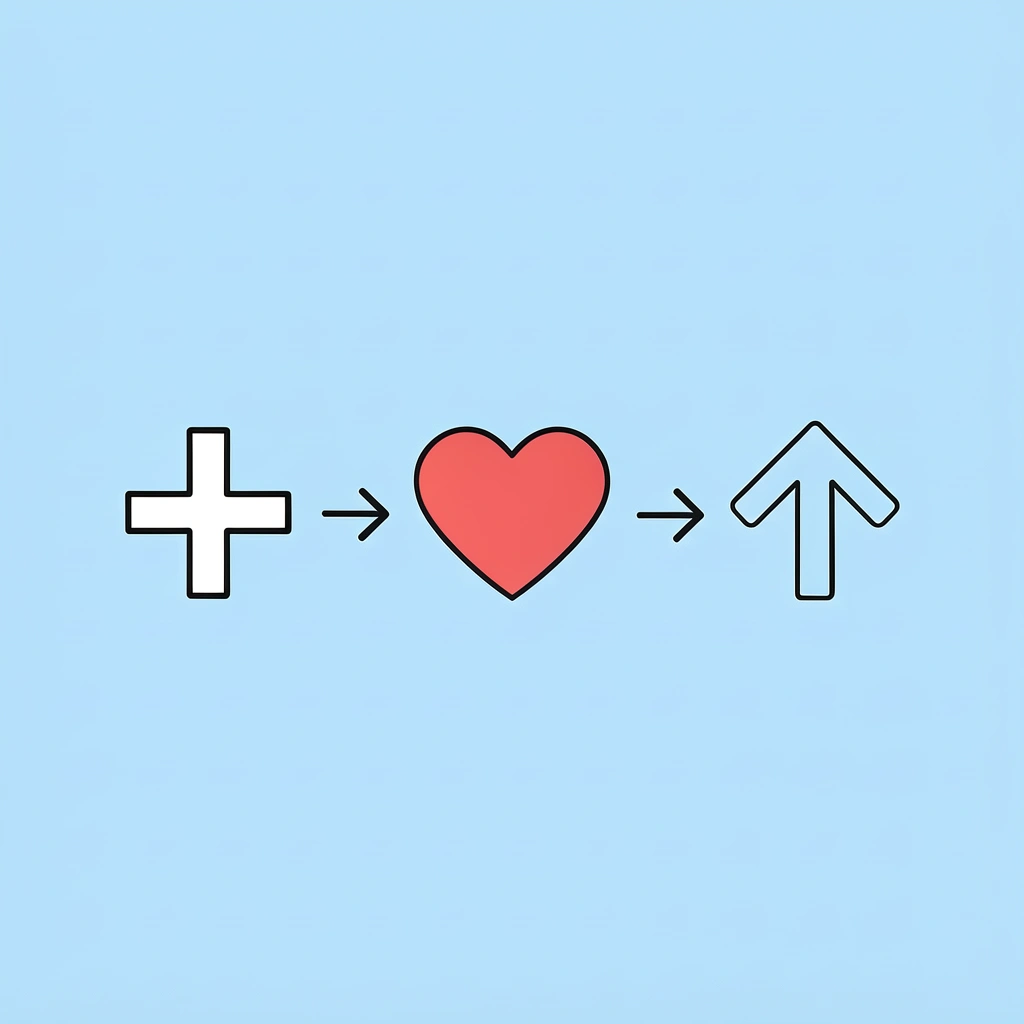
According to QC Kinetix's analysis of sports injury data, 8.6 million injuries occur each year across all athletic levels. The gap between noticing a problem and taking action allows injuries you could prevent to become injuries that end your season.
"8.6 million injuries happen each year across all athletic levels, with most being preventable through early intervention and proper attention to warning signs." — QC Kinetix Sports Injury Analysis
⚠️ Warning: The time between recognizing a problem and acting on it is where preventable injuries become season-ending disasters.
Why do most teams struggle with adherence to prevention programs?
Fewer than 25% of sports teams regularly use evidence-based prevention programs. Less than 10% use them correctly. Most athletes view prevention as supplementary to training rather than fundamental to athletic improvement.
How do generic programs make the problem worse?
Generic programs worsen this problem. A basketball player needs different mobility work than a distance runner. A defensive lineman faces different injury risks than a point guard. Programs designed for everyone ignore these differences, causing athletes to skip them or perform them half-heartedly.
What's the real barrier to athlete buy-in?
The real barrier isn't laziness—it's how you think about it. Athletes who understand that better hip mobility improves their change-of-direction speed will prioritize that work. Those who think stretching merely prevents pulls they might not get anyway will skip it when time gets tight. How you frame it determines what you do.
Why do movement mechanics fail when training seems adequate?
Most ACL tears happen without contact. Your movement mechanics fail under conditions your training didn't prepare you for. You land from a jump with your knee tracking inward instead of aligned over your foot. You slow down while cutting, and your hamstring cannot control the force your quadriceps generate. You pivot on a planted foot while fatigued, and the stabilising muscles around your knee fire too slowly to protect the ligament.
How do standard prevention programs miss the mark?
Most prevention programs focus on simple strength exercises performed in a gym when you're fresh. Leg presses and hamstring curls build muscle strength, but they don't teach your nervous system to coordinate multiple muscle groups during quick, reactive movements when fatigued. Injuries typically occur in the final minutes of the game when technique deteriorates, and your body can't execute the movement pattern it performed cleanly in the first quarter.
What does video analysis reveal about injury patterns?
Video analysis shows these breakdowns clearly. As fatigue builds, landing mechanics change: the knee drifts inward by millimeters with each rep, and the hip drops slightly on one side during cuts. These small changes accumulate until tissue tolerance is exceeded and something tears. The problem isn't weakness. Athletes never trained specific movement patterns under fatigue conditions that actually lead to injuries.
How do fragmented teams create gaps where injuries slip through?
The physical therapist treats your hamstring strain, the strength coach plans your lifts, the nutritionist plans your meals, and the sports psychologist helps with your performance anxiety. Each specialist works in isolation with their own goals, and nobody coordinates the full picture of what your body is experiencing across all these inputs.
What dangerous blind spots does this fragmentation create?
This fragmentation creates dangerous blind spots. Your physical therapist doesn't know your strength coach added extra plyometric volume this week. Your nutritionist doesn't realise you're sleeping five hours a night due to exam stress. Your coach doesn't understand that the hamstring tightness limiting your sprint mechanics stems from chronic dehydration and inadequate protein intake, not just from yesterday's workout.
How do athletes get caught in disconnected systems?
Athletes get caught between disconnected systems. One practitioner tells you to rest while another pushes you to maintain training intensity. You're told your injury is healed based on tissue-recovery timelines, but no one has assessed whether the movement mechanics that caused the injury have changed. Four months after clearance, you're back in the treatment room with the same injury because the system fixed the symptom without addressing the cause.
Why don't athletes track sleep like other metrics?
Athletes who sleep less than seven hours per night sustain injuries far more frequently. Yet sleep receives less scrutiny than training volume or nutrition. You log workouts, measure macros, and track heart rate variability, but how many athletes know their average monthly sleep or how often they woke last night?
How does sleep deprivation directly cause injuries?
Insufficient sleep impairs your ability to control your body and slows your reaction time, hindering your body's natural repair process. An athlete who stays up late studying or scrolling doesn't realise that these choices connect to the ankle sprain that occurs two days later, when their tired, nervous system can't stabilise their ankle during a normal landing. People blame the injury on bad luck, but it stems from lost sleep that weakened their neuromuscular function.
What happens when you train on incomplete recovery?
Your body recovers while you sleep. During sleep, your body releases growth hormone, repairs damaged muscle fibres, and strengthens neural pathways. Without sufficient sleep, you're training a body that hasn't fully repaired itself from the previous workout.
This incomplete recovery accumulates like small damage to your tendons. Eventually, you attempt a movement requiring full strength, but your system operating at 70% cannot handle it, and something breaks.
Why don't athletes connect nutrition to injury prevention?
Most organisations bring in nutritionists only after injury occurs, treating nutrition as recovery rather than prevention. When athletes consume insufficient calories, water, or vitamins and minerals, their risk of injury increases. Yet athletes often fail to recognise that diet directly affects how their body manages training stress.
How does calorie restriction increase injury risk?
When an athlete limits calories, their body enters a catabolic state where it breaks down muscle tissue for energy. Tendons, ligaments, and bones lack the materials needed for repair. Bone density decreases and immune function declines.
The stress fracture that sidelined them for eight weeks didn't result from increasing running distance too quickly, but from insufficient nutrition to support the training load.
What role does hydration play in tissue health?
Drinking enough water affects tissue elasticity and joint lubrication. Athletes who don't drink enough water experience more muscle strains and joint injuries because their tissues cannot absorb and distribute force properly. Late-game injuries occur more frequently when dehydrated athletes pull muscles during routine movements they've performed thousands of times.
How can daily habits prevent injury accumulation?
Building a body that can handle training demands requires consistent daily habits, not reactive fixes. Our mobility app provides targeted routines that address the movement patterns and tight spots your sport creates, maintaining tissue quality and movement capacity before small damage accumulates into injury.
The work takes only minutes per day and focuses on maintaining mobility and blood flow to allow your body to adapt to training stress.
How does psychological stress manifest as physical breakdown?
Anxiety, poor coping skills, and psychological stress increase injury risk, yet mental health receives little attention in prevention protocols. Stress alters movement patterns, increases muscle tension, and impairs decision-making during fast-paced athletic situations.
What happens when athletes carry psychological stress into competition?
An athlete dealing with performance anxiety or personal problems moves differently. Their muscles carry chronic tension, restricting the range of motion and altering biomechanics. Their attention narrows, reducing the peripheral awareness that normally prevents collisions and awkward positions.
Their risk assessment changes, leading to aggressive plays they wouldn't normally attempt or hesitation in critical moments. These factors increase injury risk beyond what physical preparation can offset.
Why do stress-related injuries get misclassified as training accidents?
An athlete who tears their ACL during a routine drill the week after a family crisis isn't experiencing bad luck. Their nervous system was in a heightened state of stress, affecting how their bodies moved and the choices they made. The injury gets recorded as a training accident, but the real cause was psychological stress that went unmonitored.
Related Reading
- Do Muscle Tears Heal On Their Own
- Forearm Strain
- How Can Strengthening Muscles Prevent Injury
- Quad Strain Recovery Time
- Urgent Care For Pulled Muscle
- How To Heal A Calf Strain Quickly
- How To Prevent Hamstring Injuries
- How Long Does a Sprained Knee Take to Heal
- How Does Stretching Prevent Injury
- How To Strengthen Shins For Running
- Athletic Injury Recovery
Principles of Injury Prevention
Durability is built through systematic conditioning that addresses strength, balance, flexibility, and endurance as interconnected systems. When these four components work together, your body can handle the demands of your sport. Omitting any piece creates a weak spot that training stress will exploit.

🎯 Key Point: Think of injury prevention as building a complete foundation - not just getting stronger, but developing balanced athleticism across all movement patterns.
"A chain is only as strong as its weakest link - and in athletic performance, that weak link is often the component you've been neglecting." — Sports Medicine Research

⚠️ Warning: Many athletes focus exclusively on sport-specific skills while ignoring foundational movement quality, creating the exact imbalances that lead to preventable injuries.
How does progressive loading build protective architecture?
Progressive loading teaches your body to adapt to increasing demands without breaking down. The SAID principle (Specific Adaptation to Imposed Demands) explains why general strength programs often fail athletes: your body adapts specifically to the stress you apply. If you never train explosive lateral movements under fatigue, your knee stabilizers won't be prepared when you need to cut sharply in the fourth quarter of a game.
Why do muscles provide better protection than ligaments?
Muscles around joints provide dynamic stability that static structures, such as ligaments, cannot. When you develop the muscles surrounding your ankle through controlled single-leg exercises, you build active protection that responds in milliseconds when you land awkwardly. That muscular response often determines whether you roll your ankle or maintain stability.
How does muscle timing affect injury prevention?
When your muscles activate matters as much as how strong they are. Your hamstrings need to fire fast enough to slow your knee during cutting movements, balancing against quadriceps force. If that timing is off by 50 milliseconds, your ACL is put under stress it wasn't designed to handle. Strength training that ignores speed and coordination builds muscle capacity without teaching your nervous system when and how to use it.
How does proprioception protect against re-injury?
Proprioception is your body's ability to sense where it is in space without looking. When you sprain your ankle, you disrupt the sensory feedback that tells your brain how your foot is positioned and how much force it's experiencing. Rehabilitation that focuses only on strength and range of motion, without restoring proprioception, leaves you vulnerable to reinjury: your nervous system can't detect dangerous positions quickly enough to correct them.
What makes balance training effective for injury prevention?
Balance training should replicate the conditions that lead to injuries. Standing on one leg on a stable surface builds basic body awareness, but doesn't prepare you for landing from a jump on an uneven field while tracking an opponent. Progressive balance training advances from stable to unstable surfaces, from eyes open to eyes closed, from static to dynamic movements, and from fresh to fatigued states.
According to Vitruve's analysis of strength and conditioning trends, 80% of athletes who incorporate mobility work report fewer injuries. When hip mobility is limited, your body compensates by forcing your lower back or knee into unnatural movement patterns. These compensations accumulate until injury occurs.
How does limited joint mobility create injury chains?
For your body to move well, your joints need to move through their full range of motion without getting stuck. When your ankle can't bend upward enough, you can't land as deeply as you should, forcing your knee to move forward past your toes and stressing the tendon below your kneecap. Your Achilles tendon (at the back of your heel) must absorb force that should be spread across multiple joints. This single mobility problem creates a chain of mechanical issues that increase your injury risk throughout your lower body.
Why does tissue temperature matter for safe stretching?
Warm-up protocols matter because connective tissue behaves differently at different temperatures. Cold tendons are stiff and prone to small tears when stretched forcefully. Higher tissue temperature increases extensibility, allowing you to safely reach a greater range of motion. Dynamic warm-ups that gradually increase movement size and speed prepare tissues better than static stretching on cold muscles.
What happens when you stretch too aggressively?
Ballistic stretching activates the stretch reflex, causing muscles to contract for protection rather than lengthen. When you bounce into a hamstring stretch, muscle spindles sense rapid lengthening and trigger a reflex contraction. Controlled, sustained stretches allow muscles to relax and work with your body's protective mechanisms instead of against them.
How can daily habits prevent mobility restrictions?
Building tissue quality requires consistent daily habits, not sporadic intervention after tightness develops. Our Pliability mobility app provides expert-led routines that address the specific movement patterns your sport creates, helping you maintain the range of motion and tissue quality that keeps mechanics safe. The work takes minutes per day and focuses on maintaining the flexibility and blood flow that allow your body to move efficiently rather than compensate in dangerous ways.
How does fatigue break down movement quality?
How long your heart and lungs work together determines how long you can move correctly before fatigue sets in and form deteriorates. The defender who tears their ACL in the final minutes of a game usually has the strength and coordination to execute that same cut safely in the first quarter. What changed wasn't their tissue capacity, but their nervous system's ability to coordinate muscle activation patterns when exhausted.
Fatigue affects how well your body controls movement before it affects effort. Your foot placement shifts by centimetres, your knee tracking drifts slightly inward, and your reaction time slows by milliseconds. These small changes accumulate until you attempt a movement your tired system cannot control, which can cause injury.
What type of endurance training prevents injury?
Training cardiovascular endurance that matches your sport's demands prepares your body to maintain high-quality movement when tired. A basketball player needs the capacity to execute explosive movements repeatedly across 40 minutes, not run steadily for an hour. Their conditioning must replicate the work-to-rest ratios and intensity patterns of actual competition, teaching their body to recover quickly between efforts while maintaining coordination throughout.
Why does proper mechanics under fatigue require thousands of repetitions?
Good mechanics, when tired, require thousands of repetitions to build correct patterns into automatic responses. Your conscious mind cannot control every part of a complex athletic movement occurring in 200 milliseconds. The movement quality you demonstrate when fresh becomes your limit when exhausted. If your training never addresses mechanics when tired, you're preparing for conditions that don't match reality.
How should systematic progression prevent training overload?
Systematic progression means gradually increasing training complexity as your body adapts. Adding volume, intensity, and technical difficulty simultaneously overwhelms your body's recovery capacity and increases injury risk. According to Harvesting Strength's training analysis, 80% of injuries occur when training volume exceeds recovery capacity, a threshold easily crossed when athletes increase multiple variables without allowing adequate adaptation time.
Why does effective coaching need to correct faulty mechanics early?
Good coaching fixes bad movement habits before they become automatic. If you repeat improper landing mechanics thousands of times without correction, your nervous system learns to move in ways that cause injury. Stepping in early to teach proper fundamentals prevents you from having to break dangerous habits later.
How does sleep repair and strengthen your body?
Sleep is when your body repairs itself and grows stronger. Growth hormone is released primarily during deep sleep stages. Damaged muscle fibres rebuild, neural pathways consolidate, and inflammatory markers decrease. Consistently sleeping fewer than seven hours means training a body that hasn't fully repaired itself from previous sessions. This incomplete recovery compounds like micro-damage to tendons.
What happens when you overtrain without adequate recovery
When you overwork your body without adequate recovery time, it breaks down faster than it can rebuild. You might perform well temporarily through willpower and stimulants, but your tissues deteriorate beneath the surface. Your tendons lose flexibility. Your muscles remain chronically tight. Your joints become inflamed and fail to heal fully. Eventually, normal movement exceeds the tolerance of your damaged tissues, leading to injury.
How do active recovery strategies promote healing?
Active recovery strategies like light pool work or mobility sessions help your body heal without adding training stress. Movement increases blood flow to damaged tissues, delivering nutrients and removing waste products created during exercise. The intensity must stay low enough to promote blood flow without causing new muscle damage. Many athletes mistakenly turn recovery sessions into additional workouts that only add to fatigue rather than reduce it.
How do you distinguish normal soreness from injury?
Delayed onset muscle soreness (DOMS) peaks 24 to 48 hours after hard training and resolves over several days. This differs from acute injury pain, which occurs suddenly during activity and worsens with certain movements. Distinguishing between the two helps athletes avoid ignoring genuine injury warning signs and overreacting to normal training soreness.
What causes muscle spasms, and how can movement help?
The muscle spasm hypothesis suggests that ischemia (restricted blood flow) to overworked muscles releases pain substances that trigger protective spastic contractions, creating a cycle where spasm causes more ischemia and pain. Gentle stretching and movement that increases blood flow breaks this cycle by reducing spasm and removing waste products. Resting too much often prolongs discomfort because it fails to address the underlying circulation problem.
How should you manage inflammation from muscle damage?
Tissue damage from eccentric exercise (lengthening under load) creates tiny tears in muscle fibres. The subsequent inflammation and repair process causes soreness a few days later. Ice reduces inflammation and provides pain relief, but excessive ice may slow healing. The goal is managing symptoms while allowing your body's natural repair processes to work.
Why are shoes the most critical equipment decision for athletes?
Shoes are the most important piece of equipment for most athletes because they directly affect how force is transmitted through your body with every step. Poor-fitting shoes create unusual pressure patterns that accumulate into stress injuries after thousands of repetitions.
A shoe that's too narrow squeezes your forefoot, altering your gait. A shoe lacking adequate arch support allows your foot to roll inward excessively, transferring stress through your ankle, knee, and hip.
How does modern shoe technology create new injury risks?
Shoe technology has advanced significantly, creating both opportunities and new injury types. Excessive cushioning alters how your foot contacts the ground, potentially reducing the feedback your body needs to adjust to different surfaces.
Carbon fibre plates that help you run more efficiently also change how your Achilles tendon is stressed. Switching to new shoes right before a big competition or training period is risky because your tissues haven't had time to adjust to the new stress pattern.
When should you replace athletic shoes to prevent injury?
Worn-out shoes gradually lose their structural support and cushioning properties, so athletes often don't notice. The shoe that felt perfect three months ago may now be contributing to recent knee pain.
Tracking shoe mileage and replacing them based on use rather than visible wear prevents gradual declines in support that can lead to injury.
How does stress affect your physical vulnerability to injury?
Stress increases baseline muscle tension throughout your body, reducing flexibility and slowing reaction time. An athlete dealing with academic pressure, relationship problems, or financial stress carries that tension into training and competition: shoulders sit higher, jaw stays clenched, breathing becomes shallow. This ongoing tension restricts the range of motion and alters movement mechanics, increasing injury risk during high-speed athletic movements.
Why does mental exhaustion increase injury risk?
Attention is a limited resource depleted by mental and physical demands. When stress unrelated to sports causes mental fatigue, you have less cognitive capacity for the quick decisions and focus that prevent injury. Your awareness narrows, your ability to track multiple moving objects decreases, and you react more slowly to unexpected situations. These attention deficits create moments where you miss collisions or fail to move your body quickly enough to land safely.
How does fear of re-injury create new injury risks?
Fear of getting hurt again creates a mental block that changes how people move. An athlete returning from ACL surgery often protects the repaired knee unconsciously by shifting weight to the healthy leg or avoiding deep cuts. These protective movements feel safer mentally but create new injury risks by overloading the healthy side and preventing the repaired tissue from functioning properly. Rehabilitation must help athletes regain confidence in the repaired structure, not merely ensure physical readiness.
How do heat and humidity affect training performance?
Heat and humidity pull blood away from your muscles to cool your body, reducing oxygen delivery and causing faster fatigue. Dehydration thickens blood, forcing your heart to work harder. By the time you feel thirsty, you've lost 1% of your body weight in fluids. At 2% dehydration, work capacity drops 10–15%, and injury risk increases because tired muscles can't protect your joints effectively.
Why does altitude training increase injury risk?
At higher altitudes, there is less oxygen in the air, which makes your heart and blood vessels work harder. If you don't acclimatise, your body won't perform as well, and recovery takes longer. A workout that feels normal at sea level feels difficult at altitude, and instead of recovering in 24 hours, it might take 48 hours. When your training exceeds your body's recovery capacity, injury risk increases.
How does cold weather affect muscle preparation?
Cold weather stiffens muscles and reduces tissue elasticity, requiring longer warm-ups. Athletes who use the same warm-up routine in freezing conditions as in moderate temperatures begin intense activity with tissues that haven't reached the proper temperature. This stiffness strains tendons and ligaments during explosive movements, as tissues cannot stretch sufficiently to absorb force.
Knowing these principles changes nothing unless you make durability the foundation of how you train, not an afterthought when something hurts.
Stay in the Game Longer with Pliability — Try 7 Days Free
Making durability foundational means choosing tools that fit your actual schedule. Pliability offers expert-led mobility routines, personalized body scanning, and daily-updated programs that address your specific tight spots and movement limitations. The work takes only minutes and can be done onyour phone—no gym access or specialized equipment needed.

🎯 Key Point: Recovery becomes your competitive advantage when you make it consistent, not something you remember only after injury forces you to stop.
"Staying durable isn't about luck or genetics. It's about making the choice every day to build a body that lasts."
Sign up today for 7 days free on iPhone, iPad, Android, or web. Turn recovery into the competitive advantage it is, rather than something you remember only after injury forces you to stop. Staying durable isn't about luck or genetics—it's about choosing to build a body that lasts day by day.
💡 Tip: Start your free trial today and discover how just minutes per day can transform your long-term athletic performance and injury prevention.

Related Reading
- How To Fix Lower Back Pain From Running
- How To Prevent Stress Fractures From Running
- Care And Prevention Of Athletic Injuries
- Compression Therapy For Athletes
- Soccer Injury Prevention Exercises
- Best Foam Roller For Runners
- Ankle Injury Prevention Exercises
.jpg)