20 Best Foam Rollers for Runners for Faster Recovery
.webp)
Every runner knows that satisfying post-run feeling. But they also know the tight calves, sore quads, and stiff IT bands that can show up the next morning. Recovery tools like foam rollers have become essential for injury prevention, helping runners work through muscle tension and maintain flexibility between training sessions. This guide will help you find the best foam roller for runners, so you can speed up recovery, reduce soreness, and stay performing at your peak.
While choosing the right foam roller matters, pairing it with structured recovery routines makes the real difference. That's where a mobility app like Pliability comes in, offering guided foam rolling sessions specifically designed for runners. Instead of guessing which muscles to target or how long to roll, you get expert-led routines that address common problem areas and complement your training schedule, helping you recover smarter and run stronger.
Summary
- Foam rolling significantly improves short-term flexibility and reduces muscle soreness without negatively impacting performance, according to a 2019 meta-analysis published in Frontiers in Physiology. The mechanism centers on myofascial release, in which sustained pressure temporarily increases tissue extensibility and local blood flow.
- The consequences of skipping foam rolling accumulate silently over weeks and months. Tight hip flexors shorten the stride length by millimeters that runners won't measure. Knee tracking shifts slightly inward. Ankle mobility decreases just enough that calves have to work harder. These micro-compensations feel like nothing until they compound into pain that finally stops training.
- Density selection should match tissue tolerance and recovery purpose, not toughness or commitment level. Soft foam rollers allow beginners and runners managing acute soreness to apply pressure without triggering protective muscle guarding. Firmer rollers are necessary after a few weeks, as tissue adapts, and higher density provides the mechanical pressure needed to reach deeper fascial layers.
- Surface texture determines massage specificity in ways that matter for different recovery scenarios. Smooth rollers distribute pressure evenly across broad muscle groups, preventing skin irritation during longer sessions and working well for general maintenance.
- Length directly affects functionality beyond just portability concerns. Rollers between 12 and 18 inches are well-suited for targeting smaller muscle groups and travel, but they lack the surface area for full-body techniques. Options around 36 inches enable spinal alignment work and simultaneous leg rolling, which can cut recovery time in half, though they require dedicated storage space.
Pliability's mobility app addresses the gap between owning a foam roller and actually using it consistently by providing structured, running-specific routines that show exactly which muscles to target, in what sequence, and for how long based on common compensation patterns.
Do Runners Really Need a Foam Roller?
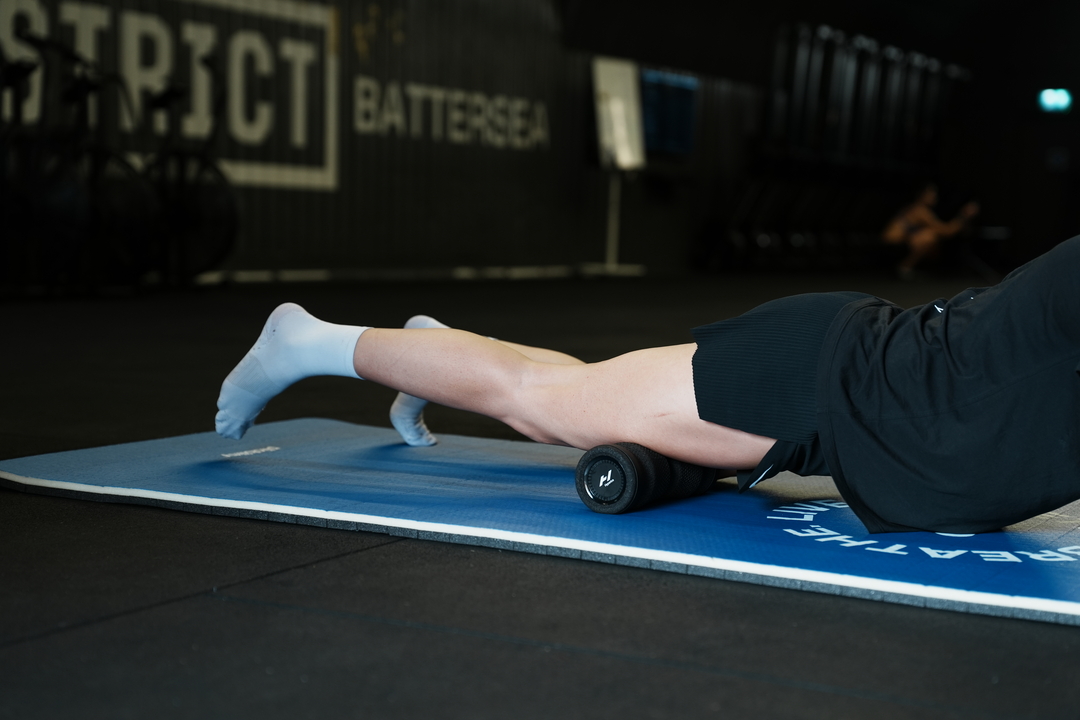
You need a foam roller because the alternative is quietly accumulating tissue restrictions that:
- Slow you down
- Increase injury risk
- Make every run feel harder than it should
Foam rolling isn't about recovery from injury. It's about preventing the cascade of compensations that turn minor tightness into major problems. Many runners skip foam rolling because they think it's optional, something reserved for the injured or the elite. That belief exists for understandable reasons. Foam rolling hurts. The advice you find online contradicts itself. You already stretch, so why add another step? And honestly, who has an extra 15 minutes after a long run when you're already exhausted?
The Kinetic Chain: How Local Tightness Causes Global Injury
The consequences of skipping it are subtle at first, then suddenly obvious. Tight hip flexors shorten your stride without you noticing. Your IT band starts pulling on your knee in ways that feel like random pain. Recovery between hard sessions takes longer, leaving you perpetually tired. Your body starts compensating, recruiting muscles that shouldn't be doing the work, creating movement patterns that feel off but you can't quite explain why.
Why Foam Rolling Works (And Why That Matters)
The mechanism behind foam rolling centers on myofascial release. Fascia is the connective tissue wrapping your muscles, and when it tightens or forms adhesions, it restricts how your muscles move and contract. Foam rolling applies sustained pressure to these areas, temporarily improving tissue extensibility. According to a 2019 meta-analysis published in Frontiers in Physiology, foam rolling significantly improves short-term flexibility and reduces muscle soreness without negatively impacting performance.
The Nervous System & The Golgi Tendon Organ: The Science of Why Rolling Works
The process also increases localized blood flow, delivering oxygen and nutrients to tissues that need repair. Perhaps more importantly, foam rolling downregulates your nervous system. When you apply pressure to a tender spot and breathe through it, you're essentially telling your body that this area is safe, that it can relax the protective tension it's been holding. This isn't about chasing the perfect recovery routine. It's about building a body that lasts. Runners who foam roll consistently don't necessarily run faster immediately, but they maintain their training volume without breaking down. They feel looser at the start of runs. They notice fewer nagging pains that mysteriously appear and disappear.
Cumulative Tightness: Why Desk Jobs are the Silent Enemy of the Run
Most runners treat foam rolling like an emergency intervention, something you do when IT band pain forces you to. That's backwards. The runners who stay healthy use foam rollers the way you use toothpaste:
- Boring
- Consistent
- Preventative
They target their hip flexors after sitting at a desk all day. They roll their calves before speed work. They spend two minutes on their glutes after long runs, not because something hurts, but because they know tightness accumulates silently.
The Real Cost Of Skipping It
When you skip foam rolling, your body doesn't suddenly fail. It adapts. Your stride shortens by millimeters you won't measure. Your knee tracking shifts slightly inward. Your ankle mobility decreases just enough that your calf has to work harder. These micro-compensations feel like nothing until they compound over weeks and months into something that finally hurts enough to stop you.
The Map of Referred Pain: Why Your Knee Isn't the Problem
I've watched runners ignore tight hip flexors for months, convinced their stretching routine was enough. Then they develop knee pain that seems unrelated. Or lower back tightness that appears suddenly. The connection isn't obvious until you recognize that restricted tissue in one area forces compensation elsewhere. Your body is brilliant at working around problems, right up until it can't anymore. The discomfort of foam rolling is real, but it's also information. When you roll over a spot that makes you wince, that's not damage. That's your nervous system telling you it's been guarding that area, keeping it tight as protection. The more consistently you roll, the less it hurts, because you're teaching your body it doesn't need to maintain that defensive tension.
Standardized vs. Spontaneous Recovery: The Power of Targeted Protocols
Structured mobility routines make this easier. Apps like Pliability offer guided foam rolling sessions designed specifically for runners, showing you exactly which areas to target and for how long. Instead of guessing whether you should roll your IT band or your TFL, you follow expert-led routines that address the patterns causing your specific issues. The difference between random foam rolling and targeted mobility work is the difference between hoping for results and systematically building them.
Related Reading
- Injury Prevention Strategies
- What is Injury Prevention
- Cold Therapy for Athletes
- Can Tennis Elbow Cause Shoulder Pain
- Basketball Injury Prevention
- How to Prevent Pickleball Injuries
- How To Stop Wrist Pain From Lifting Weights
- Most Common Tennis Injuries
- How to Prevent Knee Pain When Running
- How Can You Prevent Injury While Cycling
- Injury Prevention for Athletes
20 Best Foam Rollers for Runners
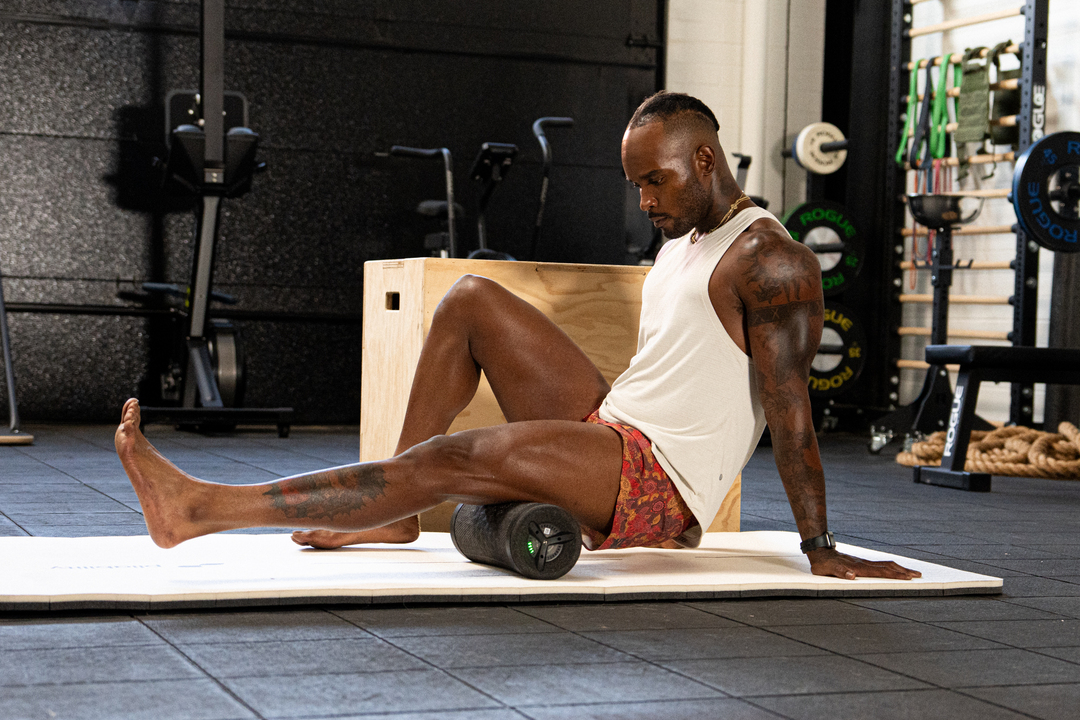
Not all foam rollers are built for runners. Density, surface texture, and length directly affect:
- Pressure distribution
- Control
- Muscle targeting
Runners need different features depending on:
- Mileage
- Recovery needs
- Common injury points
A sprinter working on explosive power requires different pressure tolerance than an ultrarunner managing chronic IT band tension. The roller that works well for general gym recovery may not address the specific demands of repetitive impact and the biomechanical patterns created by running.
The Mechanics of Density: Choosing Your Recovery Tool Based on Training Load
After testing 14 foam rollers across various densities and textures, clear patterns emerge. Runners logging high weekly mileage benefit from firmer rollers that maintain shape under sustained pressure. Those newer to foam rolling or managing acute soreness need softer surfaces that allow gradual tissue adaptation. Length matters more than most realize. Shorter rollers offer precision for calves and IT bands but lack the surface area for full-body work. Longer options enable spinal alignment exercises and simultaneous leg rolling but sacrifice portability.
The Recovery Ecosystem: Building a Layered Approach to Tissue Quality
The products below represent different approaches to the same challenge: helping runners maintain tissue quality without adding complexity to an already demanding training schedule.
- Some prioritize travel convenience.
- Others focus on deep tissue access.
- A few integrate technology for enhanced recovery.
Each serves a specific purpose within a comprehensive mobility practice.
1. TriggerPoint Grid Foam Roller

Best For
Durability and consistent daily use
Key Specs
- 33cm x 14cm
- 580g
- EVA foam with hollow core
This roller has remained unchanged for years because the original design solved the core problems runners face. The surface features three distinct zones:
- Flat areas that distribute pressure like a palm
- Tubular ridges that mimic finger pressure
- Higher knobbles for targeted work
The firmness level sits in the sweet spot where experienced runners can access deep tissue without the roller collapsing under pressure, while newer users won't feel overwhelmed.
Material Science in Recovery: Why EVA Foam and Hollow Cores Outlast Traditional Rollers
The hollow-core construction keeps the weight manageable for gym bags without sacrificing structural integrity. After five-plus years of regular use, testers report zero degradation in foam density or surface texture. The EVA material resists moisture and cleans easily, crucial for runners who foam roll immediately post-run when sweat is still present.
Limitations
The firmness that makes it durable also means a longer adaptation period for runners new to foam rolling. If you're managing acute muscle soreness, the aggressive texture may feel too intense at first.
Why It Stands Out
Longevity. Most foam rollers lose density within 18 months of regular use. This one maintains its original firmness indefinitely, making the higher upfront cost irrelevant when calculated per use over the years.
2. Therabody WaveRoller

Best For
Smartphone-controlled vibration therapy
Key Specs
- 30cm x 13cm
- 1.5kg
- Bluetooth connectivity
- 5 vibration settings
- 3-hour battery life
Vibration during foam rolling triggers proprioceptors that signal muscles to relax, theoretically allowing deeper tissue penetration. This roller connects to an app that controls intensity levels and guides you through structured routines. The vibration frequencies range from gentle (for warming tissue before runs) to aggressive (for post-workout recovery). The app's guided programmes remove decision fatigue. Instead of wondering which muscles to target or how long to spend on each area, you follow expert-designed sequences. For runners who struggle with consistency, this structure creates accountability. The carry bag makes traveling to races practical.
Limitations
Weight. At 1.5kg, it's noticeably heavier than non-vibrating options. Battery life requires planning. If you forget to charge it, you're left with a heavy, non-vibrating roller. The cost sits at the premium end.
Why It Stands Out
The app integration matters more than the vibration itself. Structured routines eliminate the guesswork that leads most runners to abandon foam rolling after a few inconsistent attempts.
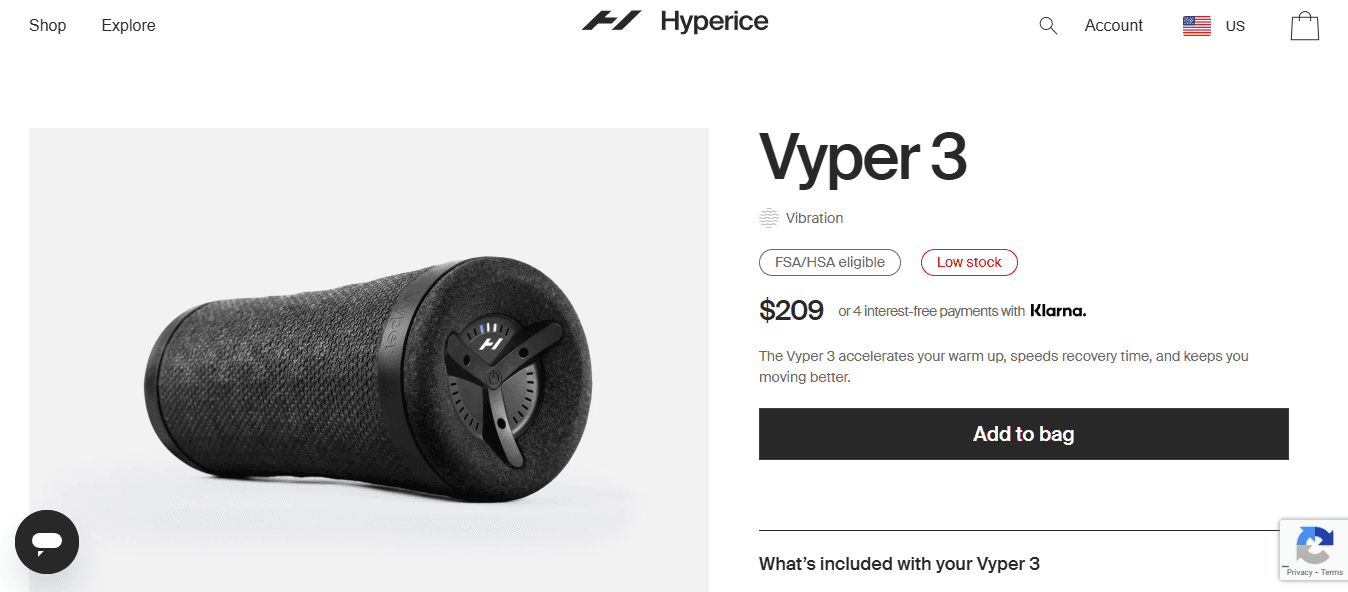
3. Hyperice Vyper 3
Best For
Deep tissue massage with variable intensity
Key Specs
- 1.2kg
- 3 speed settings
- 2-hour battery life
The soft foam covering and contoured design create pressure without digging into sensitive areas. Three speed settings allow you to progress as your tissue adapts. Start with low vibration during the first week, increase to medium as tolerance builds, then use high intensity for stubborn knots. The vibration is loud when the roller contacts the floor. If you live in an apartment or foam roll early in the morning, this becomes a consideration. The noise is caused by the motor's power, the same characteristic that enables deep-tissue access.
Limitations
Battery life at two hours means frequent charging if you're foam rolling daily. The noise level makes shared living spaces impractical during quiet hours.
Why It Stands Out
The contoured design prevents the common mistake of applying too much pressure to bony prominences. Runners often roll too aggressively over their spines or knees. This shape guides you toward muscle tissue and away from vulnerable areas.
4. Lululemon Double Roller

Best For
Versatility without owning multiple rollers
Key Specs
- 50.8cm x 13cm
- 800g
- Nested dual-density design
The exterior tube features wave-patterned ridges for broad pressure across large muscle groups. Remove it to reveal an aggressively textured inner roller with defined ridges for targeted work. This eliminates the need to own separate rollers for different purposes. The wave pattern on the outer tube creates variable pressure as you roll, preventing the numbing effect that occurs when uniform pressure is applied for too long. The inner roller's sharp ridges access trigger points in the TFL and piriformis that flatter surfaces miss.
Limitations
The nested design means you're carrying both rollers even when you only need one. At 800g, it's not the lightest option for minimalist travelers.
Why It Stands Out
Most runners eventually realize they need multiple rollers for different purposes. This design acknowledges reality up front, providing both options in one package that still fits in a standard gym bag.
5. RumbleRoller Textured Muscle Foam Roller
Best For
Targeting deep knots and chronic tightness
Key Specs
- 78.7cm x 15.2cm
- 2.27kg
- High-density EVA foam
The aggressive knobbles look intimidating but serve a specific purpose. They penetrate adhesions more deeply than flat surfaces can reach. The knobs have give, allowing them to move around bony areas rather than jamming into vulnerable spots. Available in lengths from 12" to 31", letting you choose based on storage space and primary use. This is not a beginner's roller. If you're new to foam rolling or managing acute inflammation, the texture will feel too aggressive. It's designed for runners who've built tissue tolerance and need deeper access to chronic problem areas.
Limitations
The firmness that enables deep-tissue work also requires prior foam-rolling experience to use it effectively. Beginners often apply too much pressure too quickly, creating bruising rather than release. The weight makes it impractical for travel.
Why It Stands Out
For runners dealing with stubborn IT band syndrome or chronic calf tightness that won't respond to conventional rolling, this provides the mechanical advantage needed to access deeper tissue layers.
6. Gaiam Restore Hot and Cold Foot Massage Roller

Best For
Plantar fasciitis and post-run foot recovery
Key Specs
- 50cm x 40.9cm x 6.1cm
- 490g
- Temperature-retaining core
The textured surface features undulating ridges that fit into the arch and raised dots that create a kneading effect. Place it in a freezer for cold therapy (reduces inflammation after long runs) or in hot water for heat therapy (increases blood flow before runs). The temperature holds for 30 minutes. Runners often ignore foot mobility until plantar fasciitis forces them to pay attention. This roller makes footwork convenient enough to do while watching TV or during work calls. The temperature element adds therapeutic benefit beyond mechanical pressure alone.
Limitations
It's single-purpose. You're not using this for legs or back. If storage space is limited, a multi-use roller may be a better fit.
Why It Stands Out
Plantar fasciitis sidelines more runners than most injuries, yet foot rolling remains the most neglected part of recovery routines. The temperature feature makes the practice more appealing and improves consistency.
7. Roll Recovery R4 Body Roller
Best For
Versatile shape and varied pressure application
Key Specs
- 18" x 6"
- 1,277g
- High-density EVA foam over hollow ABS core
The diamond-pattern texture and central groove provide multiple pressure options in a single tool. Use the center groove for spinal rolling, forearms, and Achilles tendons. The slightly convex ends provide intense pressure for deep work. The concave sections on either side offer gentler pressure for sensitive areas or post-race recovery. The varied shape lets you adjust intensity without changing rollers. When your quads are trashed after a hard workout, use the gentler concave sections. When targeting chronic hip flexor tightness, shift to the convex ends for deeper access.
Limitations
The surface attracts dust and pet hair and requires regular cleaning. The price sits higher than simpler designs. According to Wirecutter's testing of the 5 best foam rollers, this premium cost reflects the engineering behind the multi-texture design.
Why It Stands Out
Most rollers force you to choose between gentle and aggressive. This one provides both options through shape variation, eliminating the need to own multiple tools for different recovery scenarios.
8. Pro-Tec Athletics Contoured Foam Roller

Best For
All-around use with balanced firmness
Key Specs
- 14" x 5"
- 422g
- Elastomer closed-cell foam
The outer foam feels soft when pressed but bounces back immediately, maintaining shape through years of use. The textured surface prevents slipping without feeling abrasive. The firmness level works for beginners learning proper technique and for experienced runners needing deep-tissue access. The 14-inch length and 5-inch diameter hit the sweet spot for portability and functionality. Long enough to work full muscle groups, short enough to pack in a duffel bag. The competitive price makes it accessible for runners to test whether consistent foam rolling fits their routine.
Limitations
The moderate firmness may require multiple passes to release tight areas. Runners who've built high tissue tolerance might eventually want something firmer for stubborn adhesions.
Why It Stands Out
It removes barriers to entry. The balanced firmness prevents the common mistake of buying a roller that's too aggressive, using it once, deciding foam rolling is torture, and abandoning the practice entirely.
9. Brazyn Morph Collapsible Foam Roller

Best For
Travel and minimal storage space
Key Specs
- 14.5" x 5.5", 726g
- Bamboo strips with EVA foam surface
- Collapses to 2" thick
Push the aluminum plates inward, and this roller collapses into a flat rectangle that fits in carry-on luggage. Pull the cord loops to lock it back into a cylindrical shape. The bamboo strips provide structure without the weight of solid cores. The collapsible design results in slightly less smooth rolling than traditional one-piece construction. The bamboo boards create subtle transitions as you roll across them. For most runners, this is imperceptible. For those highly sensitive to texture variations, it's noticeable.
Limitations
The price reflects the engineering required for collapse functionality. If the roller stays home most of the time, simpler designs offer better value. The collapse mechanism requires care. Forcing it can damage the bamboo strips.
Why It Stands Out
Race travel often means skipping recovery routines due to luggage constraints. This roller eliminates that excuse, fitting easily in bags alongside race gear without adding bulk.
The Science of Adherence: Why Programmed Sequences Outperform Random Rolling
Many runners own foam rollers but use them inconsistently because they lack structure. Apps like Pliability provide guided routines that show exactly which muscles to target, for how long, and in what sequence. Instead of random rolling that might miss the patterns causing your specific issues, you follow expert-designed programmes that address the biomechanical demands of running. The difference between owning a foam roller and actually building lasting mobility comes down to having a system that removes guesswork.
10. Pro-Tec Athletics 35" Foam Roller

Best For
Full-body work and spinal alignment exercises
Key Specs
- 35" x 6"
- 749g
- EVA foam
The extended length enables exercises impossible with shorter rollers. Lie along its length to open the chest and hip flexors simultaneously. Rock gently side to side to release upper back tension. Roll both legs at once, saving time during recovery sessions. The soft, smooth surface makes it approachable for runners new to foam rolling. The lack of aggressive texture allows you to spend more time on each area without skin irritation. The lightweight construction makes it surprisingly maneuverable despite its size.
Limitations
The 35-inch length requires dedicated storage space. The softness that makes it beginner-friendly also means it lacks the firmness needed for very deep tissue work. It's not practical for travel.
Why It Stands Out
The length creates versatility that shorter rollers can't match. Spinal mobility work, chest openers, and simultaneous leg rolling are all made possible by the extended surface area.
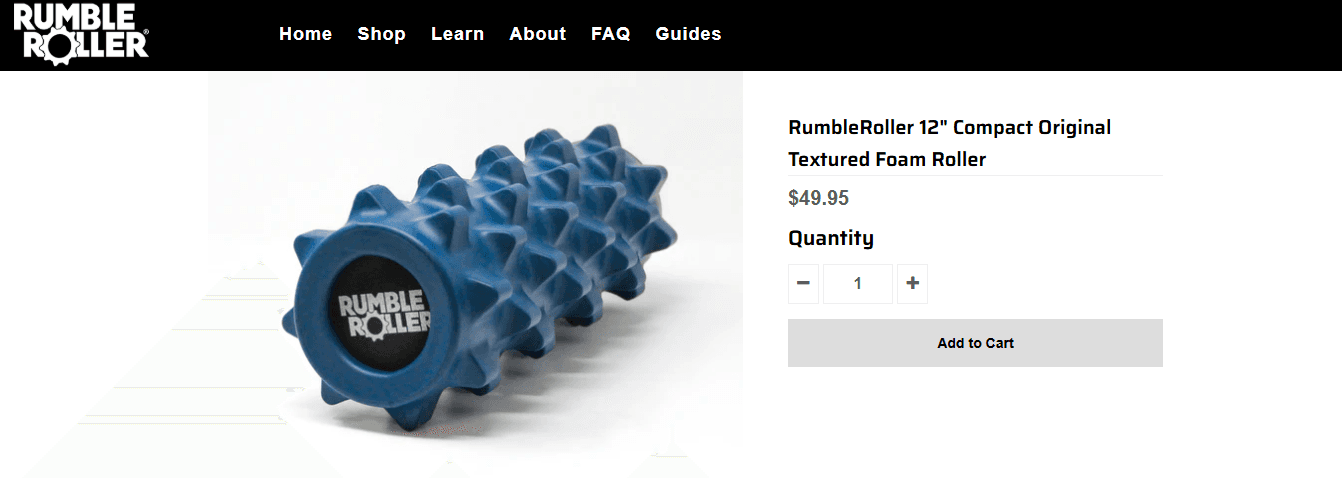
11. Rumble Roller 12" Compact Original Textured Foam Roller
Best For
Deep tissue work on specific problem areas
Key Specs
- 3" x 5"
- 336g
- High-density EVA foam
The large bumps reach deep into muscle tissue to release knots and tension. Despite the aggressive appearance, the foam has enough give to feel pleasant rather than punishing. The compact size makes it easy to transport and store. The high-density construction maintains shape through repeated use. This roller works best for targeting specific areas rather than full-body sessions. Use it on stubborn calf knots, IT band adhesions, or hip flexor trigger points. The texture provides a mechanical advantage that flat surfaces can't match.
Limitations
The intensity makes it unsuitable for post-race recovery when muscles are acutely sore. The bumps can feel too aggressive on very tight areas, potentially causing bruising if pressure isn't controlled. Not ideal for beginners who haven't developed tissue tolerance.
Why It Stands Out
When conventional rolling no longer yields results, deep bumps access tissue layers that have adapted to standard pressure. For chronic tightness that won't respond to gentler approaches, this provides the next level of mechanical intervention.
12. Amazon Basics High-Density Round Foam Roller
Best For
Firm density at an accessible price point
Key Specs
- 36" x 6"
- EPP foam construction
The EPP foam provides the firm density recommended by physical therapists for effective myofascial release. The slightly rough surface texture prevents slipping during use. The 36-inch length enables full-body techniques, including spinal alignment work. The price point removes financial barriers to establishing a consistent foam-rolling practice. The very firm density means new users need to build tolerance gradually. Start with shorter sessions and apply body weight carefully. As tissue adapts over weeks, you can increase pressure and duration.
Limitations
The firmness that makes it effective also creates a steeper learning curve. Runners new to foam rolling may find it too intense at first. While versatile, the length requires storage space.
Why It Stands Out
It provides professional-grade firmness without professional-grade pricing. For runners testing whether foam rolling fits their routine, the low cost reduces commitment anxiety.
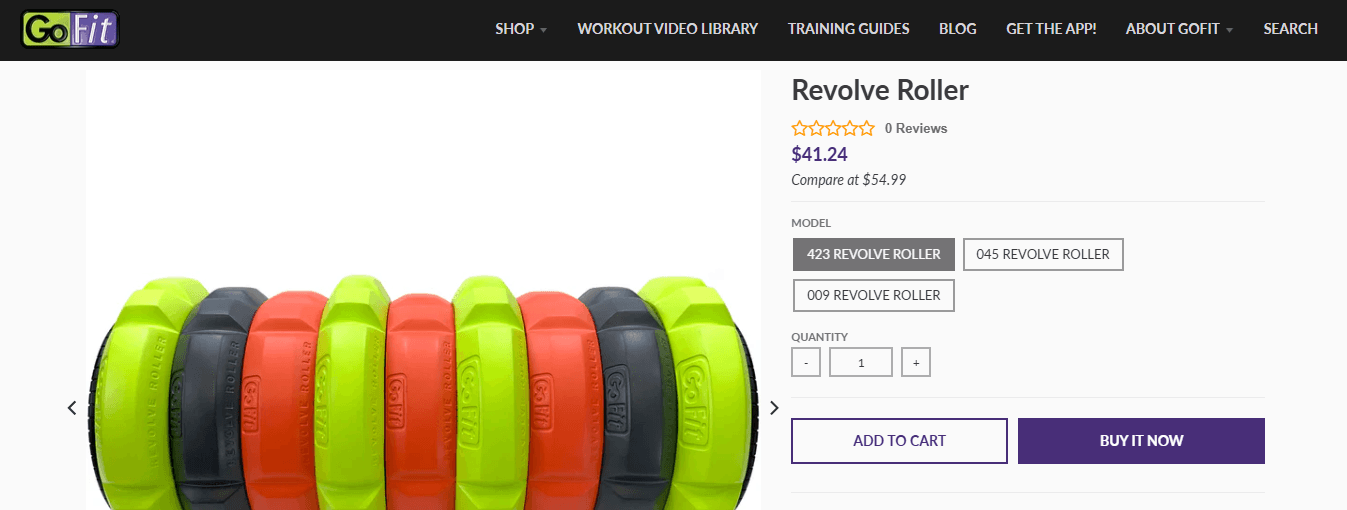
13. GoFit Revolve Roller
Best For
Customizable pressure through interchangeable rings
Key Specs
- 13.9" x 7.01" x 6.61"
- 3.2 lbs
- EVA material
- 9 adaptive massage rings
Nine color-coded rings create distinct pressure patterns:
- Red: low-profile
- Grey: mid
- Green: high-profile
Arrange them to match specific body parts and recovery needs. The included guides and YouTube videos show prescribed combinations for common running issues. The customization eliminates the need to own multiple rollers for different purposes. Adjust ring configuration based on whether you're targeting IT bands, calves, or hip flexors. The system lets you progress gradually as tissue tolerance builds.
Limitations
The rings can be finicky to remove and reposition. The learning curve is steeper than grab-and-roll simplicity. Small children or pets might requisition the colorful rings for non-recovery purposes.
Why It Stands Out
It's the adjustable dumbbell concept applied to foam rolling. Instead of accumulating multiple rollers as your needs evolve, one tool adapts through ring configuration changes.
14. Chirp Rolling Percussive Roller
Best For
Hands-free rolling with percussive therapy
Key Specs
- 5" x 2" x 22"
- 7 lbs, 4-hour battery life
- 5 adjustable speeds
Eight independently spinning bars provide rolling action, while percussive vibration delivers deep-tissue stimulation. Use it free-rolling like traditional rollers or place it in the included base for stationary use. The stationary option eliminates the balance challenges and floor space requirements of conventional rolling. The ability to target muscles without getting on the floor changes recovery habits. Finish a long run, sit in a chair, and work on your calves without the physical effort of floor-based rolling. The percussive element adds therapeutic benefit beyond mechanical pressure alone.
Limitations
It's not technically foam, which might matter to purists. Requires charging to function. The weight makes it impractical for travel.
Why It Stands Out
It eliminates the need to skip foam rolling when you're too tired to get on the floor. The stationary base option eliminates the physical effort barrier when you're already exhausted from training.
15. 321 STRONG Foam Roller Deep Tissue Massager

Best For
Athletes managing tightness from repetitive movement patterns
Key Specs
- 12.75" x 5.25"
- Medium density
- Raised squares and rectangles texture
Three distinct groove patterns support different massage techniques for various target areas. The grooves dig deep enough to relax and elongate muscles without causing excessive discomfort. The grippy foam exterior maintains traction on exercise mats without sticking to skin. The roller includes an exercise guide and online educational content to help runners learn proper technique. The medium density provides enough firmness for effective release while remaining approachable for developing tissue tolerance.
Limitations
The 12.75-inch length and 5.25-inch diameter feel narrow for larger athletes. The compact size limits full-body applications.
Why It Stands Out
The educational content addresses the knowledge gap that causes inconsistent use. Many runners own foam rollers but don't understand proper technique. The included guidance increases the likelihood of sustained practice.
16. Zyllion Vibrating Foam Roller
Best For
Adding vibration therapy to rolling sessions
Key Specs
- 12.5" x 5.75"
- High density
- Rechargeable
- 4 vibration intensities
Four vibration intensities allow customization based on recovery needs. The surface features three wave-and-ridge textures that mimic sports massage techniques. The rechargeable battery eliminates the need for disposable batteries. The high-density foam provides firm support for deep tissue work. The vibration component supports muscle recovery and blood circulation, in addition to mechanical pressure. The price is below that of competing vibrating rollers while delivering comparable functionality.
Limitations
The 12.5-inch length feels short for work on the legs or back. Even petite testers wished for additional length during full-body sessions.
Why It Stands Out
It delivers vibration therapy at a more accessible price point than premium competitors. For runners curious about the benefits of vibration but hesitant about the premium cost, this offers an entry point.
17. IntelliRoll Pro Sport Foam Roller
Best For
Upper body work without spinal pressure
Key Specs
- 18" x 5"
- Medium density
- Raised bumps
- Anatomically curved design
The anatomical curvature matches the shape of the shoulder blade, leaving space for the spinal column. This prevents excessive pressure on the vertebrae during back rolling. The design makes upper-body work intuitive. Lie on it, align your body with its curves, and the shape guides proper positioning. Medium density and body weight create effective pressure to relieve tension in the upper back. The durable foam construction holds shape through repeated use. The thoughtful design justifies the price for runners who prioritize upper-body mobility.
Limitations
The specialized curvature that makes it excellent for upper body work limits its effectiveness on other body parts. The shape doesn't adapt well to legs or hips.
Why It Stands Out
Most rollers force a compromise between spinal safety and effective pressure. This one solves that problem through anatomical design, making back rolling safer and more effective simultaneously.
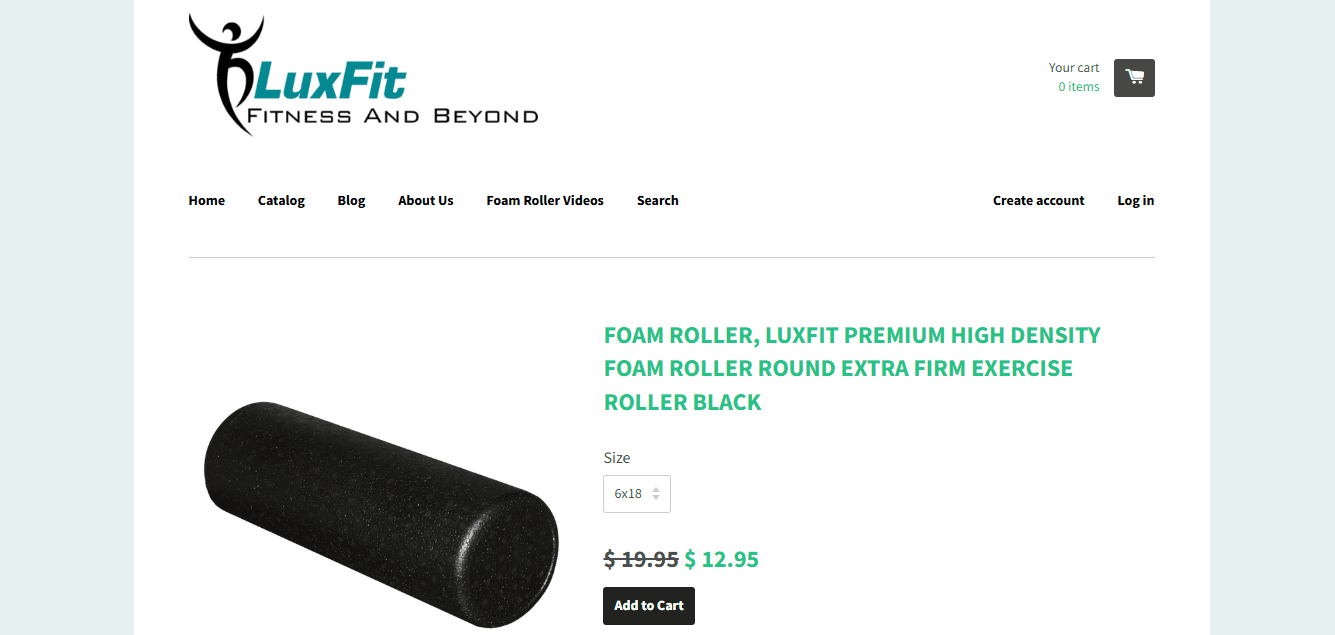
18. LuxFit Premium High-Density Foam Roller
Best For
Deep tissue massage for stubborn tightness
Key Specs
- 36" x 6"
- High-density
- Smooth surface
The full length provides versatility for various angles and techniques. The high-density firmness delivers deep-tissue effects without requiring excessive body weight. The smooth surface rolls consistently without interruptions in texture. The budget-friendly price makes it accessible despite the size and quality. Firmness reduces the pressure required to achieve release. Instead of grinding body weight into tender spots, the roller's density does more of the work. The length enables simultaneous work on both legs, cutting recovery time.
Limitations
The size makes it difficult to travel with or store in small spaces. The high density might feel too intense for beginners who haven't developed tissue tolerance.
Why It Stands Out
It combines professional-grade firmness with full-length versatility at a price point that makes it accessible for runners building comprehensive recovery practices.
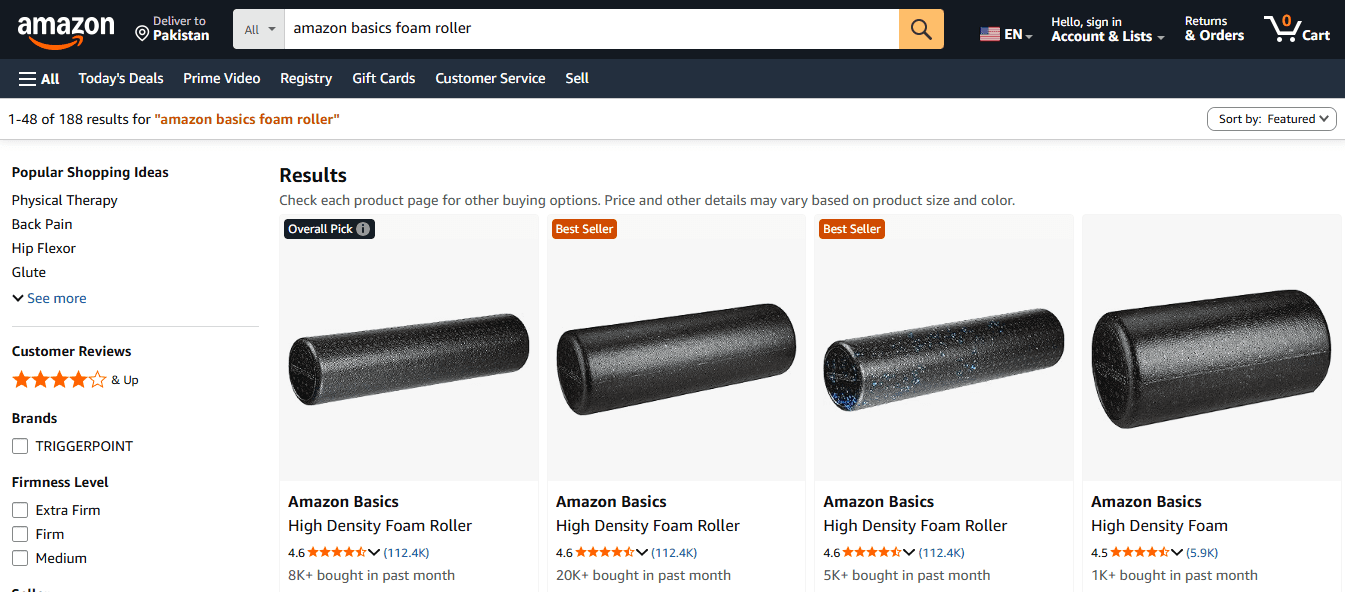
19. Amazon Basics Foam Roller
Best For
Simple, durable rolling at minimal cost
Key Specs
- Available in 12", 18", 24", or 36" lengths, 6" diameter
- High-density, smooth surface
Four length options let you choose based on primary use and storage constraints. The lightweight construction makes it easy to reposition during sessions. The smooth, high-density foam never feels sticky against skin, even when sweaty. The value makes it practical to keep multiple lengths for different purposes. The simplicity removes complexity. No textures to figure out, no vibration settings to adjust, no assembly required. Grab it, roll your target areas, done.
Limitations
The smooth surface and light weight mean it slides more easily than textured or heavier options. Controlling the position requires more attention during use.
Why It Stands Out
It removes every possible barrier to starting foam rolling. Low cost, multiple sizes, straightforward use. For runners who need to build the habit before investing in specialized equipment, this provides the foundation.
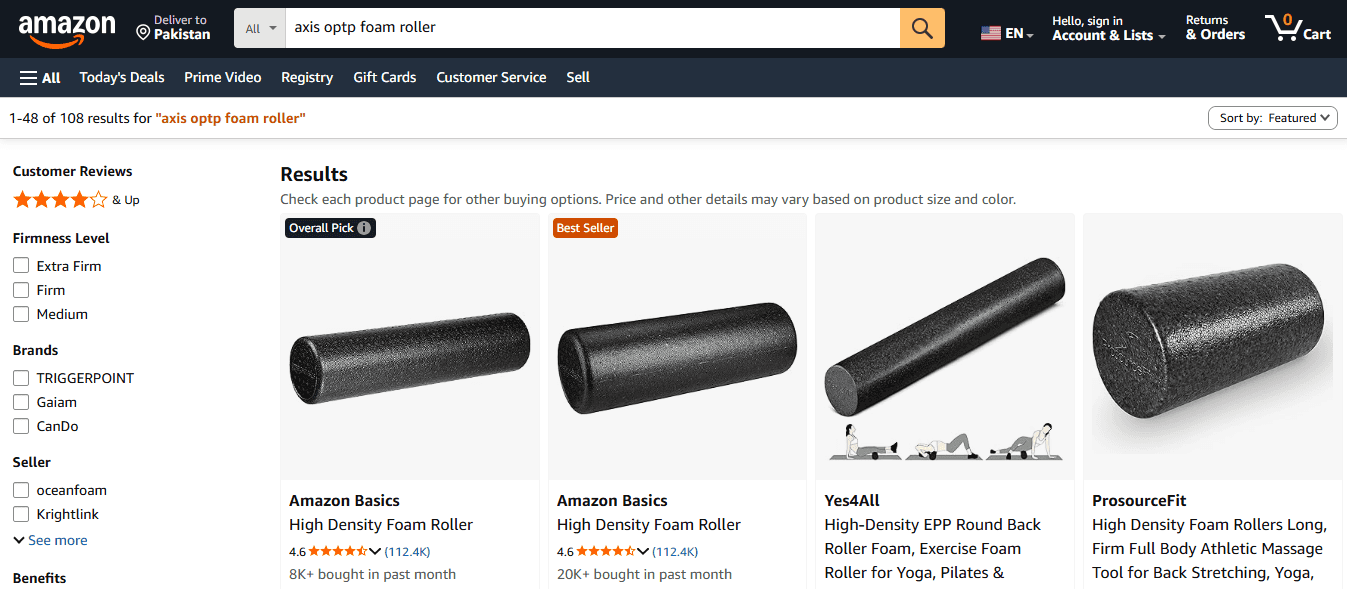
20. OPTP Black Axis Firm Foam Roller
Best For
Lower body work with even pressure distribution
Key Specs
- Available in 12", 18", and 36" lengths, 6" diameter
- High-density, smooth surface
The high-density foam provides firm pressure while maintaining comfortable contact. The smooth surface distributes pressure evenly across muscle groups. The full-length option enables simultaneous use of both legs, cutting recovery time in half. The simple construction has proven durable over years of regular use. The firmness reaches deep into leg muscles without feeling punishing. Even pressure prevents hot spots that cause discomfort during extended sessions. The length makes it particularly effective for runners whose primary focus is lower-body recovery.
Limitations
The length requires dedicated storage space. The lack of texture reduces grip on very smooth floors.
Why It Stands Out
For runners whose foam rolling centers on leg recovery, the full-length design and firm density create the most efficient approach. Work both legs simultaneously with consistent pressure to reduce total recovery time without sacrificing effectiveness.
Related Reading
- Do Muscle Tears Heal On Their Own
- Forearm Strain
- How Can Strengthening Muscles Prevent Injury
- Quad Strain Recovery Time
- Urgent Care For Pulled Muscle
- How To Heal A Calf Strain Quickly
- How To Prevent Hamstring Injuries
- How Long Does a Sprained Knee Take to Heal
- How Does Stretching Prevent Injury
- How To Strengthen Shins For Running
- Athletic Injury Recovery
How to Choose the Right Foam Roller for Your Running Goals
Matching Density To Tissue Tolerance And Recovery Needs
Soft foam rollers feel approachable because they don't cause the sharp discomfort that can make beginners abandon the practice after one session. If you're new to foam rolling or dealing with acute soreness after a race, soft density allows you to apply pressure without triggering protective muscle guarding. Your nervous system remains calm enough to accept input rather than tensing against it.
Tissue Adaptation and the Principles of Progressive Loading in Recovery
Firmer rollers are required as your tissue adapts. After a few weeks of consistent rolling, what once felt intense now barely registers. Higher density creates the mechanical pressure needed to reach deeper fascial layers and stubborn adhesions that softer materials can't access. Advanced runners managing chronic IT band tightness or deep hip flexor restrictions need this level of firmness to produce actual tissue change rather than surface-level sensation.
Length and Leverage: Why Surface Area Dictates Your Recovery Options
According to Medpoint, rollers between 12 and 18 inches work well for targeting smaller muscle groups and travel situations. Full-size options around 36 inches enable techniques that shorter rollers can't accommodate. Spinal alignment work requires length. Rolling both calves simultaneously saves time during recovery windows when you're already exhausted.
The Pain Threshold Paradox: Why Less is Often More in Myofascial Release
The mistake most runners make is choosing density based on toughness rather than purpose. Grabbing the firmest roller available doesn't make you more committed to recovery. It increases:
- The likelihood of bruising
- Skipping sessions because it hurts too much
- Developing compensatory tension patterns as your body guards against excessive pressure
Select firmness based on what your tissue can currently tolerate and the depth of work you need, not on proving something to yourself.
Surface Texture Determines Massage Specificity
Smooth rollers distribute pressure evenly across broad muscle groups. Consistent contact creates a massaging effect without targeting specific trigger points. This versatility matters when you're working on general tightness rather than isolated knots. The smooth surface also prevents the skin irritation that textured options can cause during longer sessions or when rolling sweaty post-run.
Ischemic Compression vs. Uniform Pressure: Choosing Your Surface Texture
Textured rollers with ridges or raised patterns dig into specific adhesions. The mechanical advantage helps access trigger points in the TFL, piriformis, and other small muscles that smooth surfaces glide over. The texture creates variable pressure as you roll, preventing the numbing effect that occurs when uniform pressure stays in one spot too long. But this specificity comes with a tradeoff. Many runners find textured surfaces too aggressive for regular use, particularly on sensitive areas or during recovery from hard workouts.
Targeted Intervention: Layering Recovery Tools for Chronic vs. General Soreness
The choice between smooth and textured isn't about which is better. It's about matching the tool to the task. Use smooth rollers for general maintenance and larger muscle groups. Deploy textured options when you're hunting specific knots or working on chronic problem areas that haven't responded to gentler approaches.
Additional Features That Enhance Recovery Effectiveness
Vibration elicits a different tissue response than mechanical pressure alone. The oscillation triggers proprioceptors that signal muscles to relax, theoretically allowing deeper penetration. Different frequencies affect nervous system tone in distinct ways:
- Lower frequencies calm the system down, useful before bed or after stressful training blocks.
- Higher frequencies stimulate blood flow, helpful before workouts or during active recovery sessions.
Technological Interventions in Recovery: How Vibration and Apps Combat Decision Fatigue
The practical benefit of vibration isn't just physiological. It removes decision fatigue. Many runners own foam rollers but use them inconsistently because they don't know which muscles to target or how long to spend on each area. Apps that connect to vibrating rollers offer structured routines, eliminating the guesswork that leads to abandonment. You follow expert-designed sequences instead of wondering whether you're doing it right.
The Logic of Sequencing: Why the Order of Your Mobility Routine Matters
Most runners approach foam rolling like they're guessing at a combination lock. They try different muscles, different pressures, different durations, hoping something clicks. Platforms like Pliability replace that randomness with systematic programming. Expert-led routines show:
- Which areas to target based on running-specific movement patterns
- How long to work each spot
- The sequence that produces optimal results
The difference between owning a foam roller and building lasting mobility comes down to having structure that takes the burden off figuring it out yourself.
Using Proper Technique To Avoid Common Mistakes
- Place the roller on the floor and position your target muscle over it. Support as much body weight as needed with your hands or your opposite leg.
- Roll slowly, spending 30 to 60 seconds on each area.
- When you hit a tender spot, pause for 10 to 20 seconds while breathing deeply and consciously relaxing the muscle.
The pause matters more than the rolling. That's when tissue change actually occurs.
Anatomy of Avoidance: Protecting Your Joints During Myofascial Release
Never roll directly over bony prominences. Your spine, knee joints, and ankle bones aren't meant to handle concentrated pressure from hard surfaces. Use your strength to adjust pressure by shifting more or less weight onto the roller. If you can't breathe normally while rolling, you're applying too much pressure. Back off until you can maintain steady breathing. The goal is tissue release, not pain tolerance testing.
The Law of Diminishing Returns: Dose-Response and the Danger of Tissue Inflammation
Beginners often spend too long on a single spot, believing that more time yields better results. For the past two minutes, you're creating inflammation rather than release. Keep total sessions between 1 and 20 minutes, depending on the number of areas requiring attention. Three to five sessions per week improve flexibility and recovery time without overworking the tissue. Spot sessions between runs help manage acute tightness before it becomes a chronic restriction.
The Expert Check-In: Bridging the Gap Between Self-Care and Clinical Guidance
If you're uncertain about technique after trying these guidelines, consult a physical therapist or sports chiropractor. They can identify compensation patterns you may not be aware of and recommend modifications tailored to your biomechanics. But knowing how to use a foam roller effectively only matters if you consistently build the habit.
Related Reading
- How To Fix Lower Back Pain From Running
- How To Prevent Stress Fractures From Running
- Care And Prevention Of Athletic Injuries
- Compression Therapy For Athletes
- Soccer Injury Prevention Exercises
- Best Foam Roller For Runners
- Ankle Injury Prevention Exercises
Struggling with Tight Muscles After Runs? Try Pliability Free
Foam rollers help, but consistent recovery routines are key. The difference between owning a roller and actually feeling looser before runs comes down to having structure that removes guesswork. You need to know which muscles to target, in what sequence, and for how long based on running-specific movement patterns, not generic fitness advice.
Synergists and Antagonists: The Biomechanics of Chronic Tightness
Most runners treat mobility work like a buffet. Roll whatever feels tight, spend random amounts of time on each area, and hope it helps. This approach exists because foam-rolling tutorials present isolated techniques without explaining how they fit together. You watch a video on IT band rolling, try it once, feel unsure you did it right, then revert to the stretches you've always done. The hidden cost shows up in how you feel at mile three. That familiar tightness returns because you addressed symptoms without fixing the movement pattern causing them. Your hip flexors stay restricted because you rolled them, but never worked on the compensation patterns in your glutes and hamstrings. The tissue temporarily relaxes, then tightens again because the underlying biomechanical issue persists.
The Dose-Response Relationship: How Consistency and Programming Drive Adaptation
Platforms like Pliability offer structured routines designed for runners, showing you which areas to target based on common running compensation patterns.
- You scan your body
- Follow expert-led sequences that address the root cause
- Track flexibility gains over time
The programming removes the burden of figuring out whether you're working on the right areas in the right order. Sign up now for a 7-day free trial and make every run smoother. Your body already knows how to move well. Sometimes it just needs consistent guidance to stay on track.
.jpg)