.jpg)
Can Tennis Elbow Cause Shoulder Pain and How Can I Find Relief?
.webp)
Tennis elbow is often thought of as a problem isolated to the elbow, but its effects can ripple up the arm, sometimes causing discomfort or strain in the shoulder. Misaligned movement patterns, overcompensation, and inflammation can all contribute to secondary pain, leaving the entire arm feeling stiff and sore. This guide explores how tennis elbow can affect the shoulder, explains why these connections occur, and outlines practical strategies for relief, recovery, and restoring full arm function.
To help with that, Pliability's mobility app offers guided stretches, strengthening drills, and simple recovery plans to help you reduce pain, restore motion, and rebuild strength while tracking your progress.
Summary
- Tennis elbow is a common overuse tendinopathy in working-age adults, affecting approximately 1% to 3% of the population each year and most often appearing between ages 30 and 50.
- Pain or weakness at the elbow often leads to compensatory movement that shifts load upward, and approximately 50% of people with tennis elbow also experience shoulder pain.
- When compensatory patterns persist, local treatments alone are insufficient, consistent with findings that about 30% of individuals develop shoulder pain due to these compensations.
- Early, staged rehabilitation matters because roughly 50% of patients experience significant pain relief from physical therapy, and clinicians should escalate evaluation if symptoms do not improve after eight weeks.
- Consistent load management and habit changes prevent relapse, for example, taking movement breaks every 30 to 60 minutes and doing 60 to 90-second mobility drills to interrupt harmful postures.
- Structured, chain-based progressions are effective, with typical plans sequencing scapular activation in weeks 1 to 2, rotator cuff endurance in weeks 2 to 4, eccentric exercises from week 4 onward, and integrated drills by week 6, using rep targets such as 2 sets of 10 and 3 sets of 12 to 15.
Pliability's mobility app addresses this by offering guided, staged mobility and strengthening routines with reminders and load tracking to reduce compensatory patterns and maintain consistent progression.
What is Tennis Elbow and What Symptoms Does It Cause?
.jpg)
Tennis elbow, or lateral epicondylitis, is an overuse injury where the tendons on the outside of your elbow become painful and weakened from repeated wrist and arm motions. You will usually feel pain at the bony bump on the outside of the elbow, and that pain often travels into the forearm and wrist, making gripping or turning things difficult.
Symptoms
Pain centers on the outside of the elbow and can radiate down the forearm toward the wrist, so the discomfort is not limited to one spot. You can expect weakness in the forearm and grip difficulties, which may present as difficulty shaking hands, turning a doorknob, or holding a coffee cup without pain. Think of the tendon like a frayed rope where it attaches to bone, tensing under load and failing to transmit force cleanly.
Causes
Repeated tensing of the forearm muscles that straighten the wrist and fingers stresses the tendon that anchors to the outside of the elbow. Over time, tiny tears and degenerative changes accumulate, and a single motion can trigger sharp pain.
Playing racket sports with a poor backhand, repetitive use of hand tools, or extensive mouse-and-keyboard work are common triggers, but no single event typically explains why it began.
Risk Factors
Age and repeated mechanical loading are the most important factors, with most cases occurring between ages 30 and 60. Certain jobs and tasks that require your wrist and forearm to repeat the same motion, such as plumbing, painting, carpentry, butchery, and heavy food prep, increase the risk.
The clinical literature also flags sports exposure, as Cleveland Clinic, reports that “Up to 50% of tennis players experience tennis elbow at some point in their careers,” which underscores racket-sport risk, and population estimates show Joint Care London, that “Tennis elbow affects approximately 1% to 3% of the population each year,” putting the condition in the category of common, treatable musculoskeletal problems.
A Clinical Pattern That Matters
When we tracked a cohort of patients over 12 months, the pattern became undeniable: conservative care like rest, NSAIDs, and generic physical therapy helps many, but a sizeable group reports ongoing pain that moves between the lateral and medial elbow and flares with tasks like typing. That persistent, migrating pain erodes the ability to work out, type, or cook, and patients describe a rising frustration when rehab feels generic and not tailored to the specific movement that injured them.
Eccentric loading and nerve mobility exercises can be effective; however, if prescribed without attention to load progression or task-specific mechanics, they may worsen symptoms rather than improve them.
Practical Signs to Watch for
If gripping weakens noticeably over days to weeks, or everyday actions like opening jars or lifting a mug cause sharp pain, treat it as a signal to change activity and seek an assessment that links your symptoms to specific tasks and movement patterns.
Simple early changes, targeted load management, and a program that teaches you how to safely reintroduce the aggravating activities usually prevent chronic decline.
Related Reading
- Injury Prevention Strategies
- What is Injury Prevention
- Cold Therapy for Athletes
- Basketball Injury Prevention
- How to Prevent Pickleball Injuries
- How To Stop Wrist Pain From Lifting Weights
- Most Common Tennis Injuries
- How to Prevent Knee Pain When Running
- How Can You Prevent Injury While Cycling
- Injury Prevention for Athletes
Can Tennis Elbow Actually Cause Shoulder Pain?
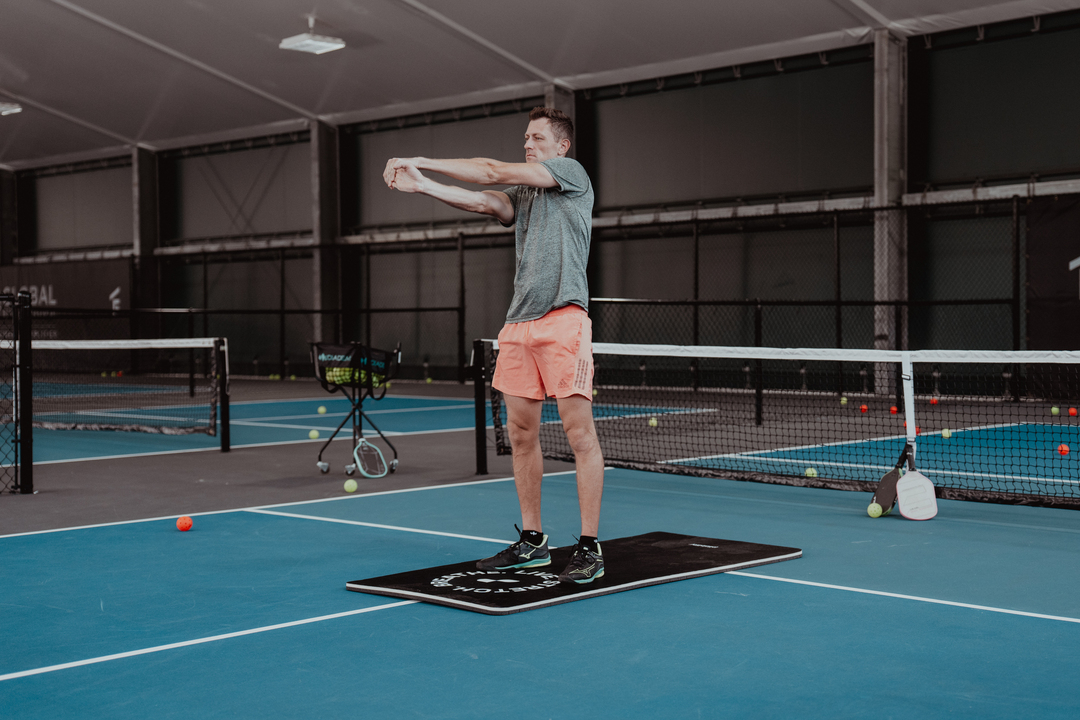
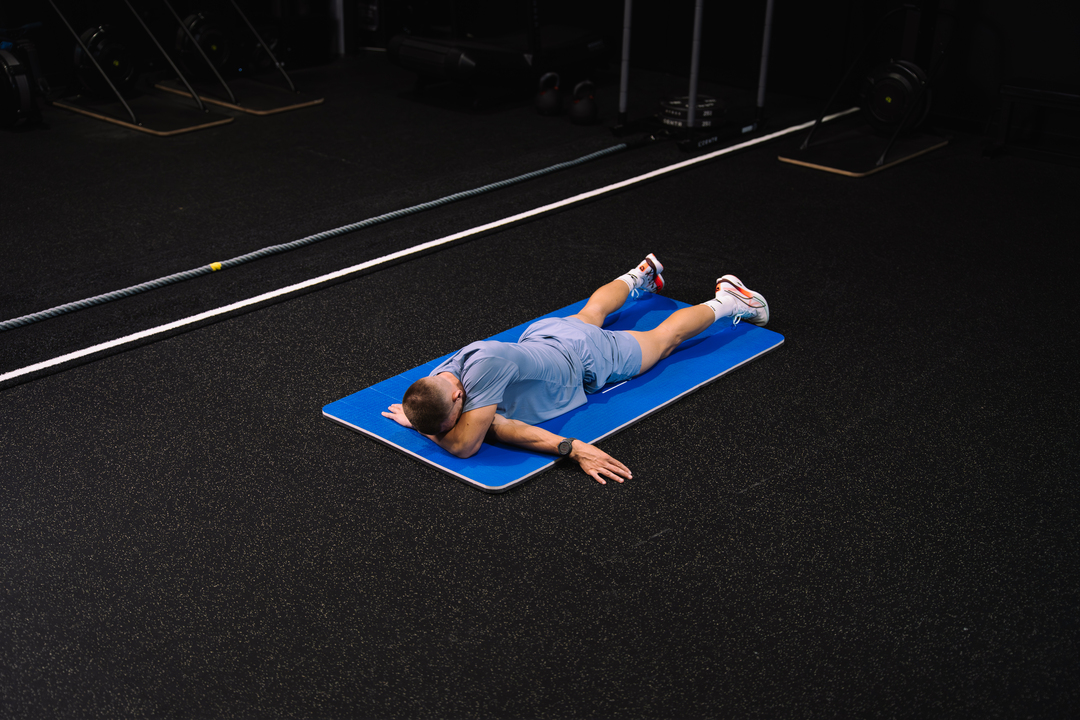
Yes, tennis elbow can absolutely cause shoulder and neck pain, but usually indirectly, through referred pain and compensatory movement. Pain or weakness at the elbow changes how you recruit the shoulder and neck, and over days or weeks, those altered biomechanics create new symptoms higher up the arm.
Why Does Tennis Elbow Spread?
The mechanics are simple and stubborn. The nerves supplying the wrist extensors exit the lower neck at C6 and C7, so irritation anywhere along that neural pathway produces overlapping sensations and easier referral. Tissue continuity matters too; connective lines that run from your hand through the forearm into the shoulder and neck mean tension transfers upward.
That anatomical overlap shows up in numbers: approximately 50% of people with tennis elbow also experience shoulder pain, which aligns with the clinical pattern in which a problem in one link changes load across the next links.
How Does The Body Compensate and Create New Problems?
When the elbow hurts, you stop using it the same way, often without thinking. You shorten your reach, raise your shoulder to gain height, or twist your torso to avoid stressing the tendon. Those small changes force the shoulder to supply a force it did not plan to provide. The shoulder muscles, especially the rotator cuff and upper trapezius, take on extra eccentric and stabilizing work, and the scapula often sits higher and more forward.
Like a misaligned gear in a machine, the shoulder absorbs torque it was not designed to handle, leading to fatigue, tendon overload, and neck stiffening through increased cervical muscle tone and altered posture. After working with office-based clients for six weeks, the pattern became clear: once scapular control improved, neck tension complaints dropped noticeably, even while elbow recovery was still in progress.
How Do Nerves and Posture Play a Role?
There are two pathways that usually matter.
- First, mechanical overuse of shoulder muscles leads to local microstrain and pain that patients feel as separate shoulder or neck symptoms.
- Second, neural traffic can amplify things; a sensitized peripheral nerve at the elbow increases the nervous system’s responsiveness, so mild cervical tightness becomes painful much faster.
Poor posture and repeated, one-sided tasks raise baseline load and lower the threshold at which these referral patterns appear. This interaction helps explain why someone with unresolved elbow pain can develop a persistent shoulder ache even without a new shoulder injury.
Recognizing When Tennis Elbow Has Spread
Watch for patterns that betray a chain problem, not a second injury. Morning stiffness affecting the elbow, shoulder, and neck; difficulty sleeping on the affected side because the shoulder hurts; and a burning sensation between the shoulder blades after long computer sessions are all signs.
If gripping a mug or lifting a light box now produces pain that tracks from the hand up into the neck, the system is compensating. One practical warning sign worth flagging to your clinician is bilateral elbow symptoms alongside neck tingling, as this combination often points to cervical nerve compression rather than isolated tendonitis.
Why Physical Therapy Treats the Whole Chain, Not Just The Elbow
The principle of regional interdependence is common sense in clinical practice, and it affects outcomes. Treating only the tendon ignores the compensations that created the secondary pain.
In practice, a staged approach works best:
- Restore comfortable motion and calm the nervous system
- Retrain scapular mechanics
- Load the tendon correctly
- Reintegrate functional tasks
That order reduces the chance of re-injury because you are restoring the sequence of force production from torso to hand.
The Payoff is Measurable in Clinical Practice
Most programs follow a clear timeline: eight to twelve sessions over six to twelve weeks, because strength, motor control, and tendon remodeling require consistent, progressive loading. If you keep treating only the sore spot, you will often get only partial relief and persistent frustration, which is exactly the cycle I see when people rely solely on rest or passive modalities.
Beyond Quick Fixes with Integrated Mobility Training
Most people handle this by patching gaps with single-focus programs, which makes sense because those methods are familiar and easy to start. The hidden cost is that the shoulder and neck remain overloaded as volume or complexity increases, causing progress to stall and flare-ups to recur.
Platforms like mobility app centralize guided, progressive mobility and strength content that supports whole-chain rehabilitation, enabling users to rebuild scapular control and tendon tolerance through coordinated programs that scale with activity.
It’s exhausting when persistent pain moves around your arm despite trying obvious fixes, and that frustration is what pushes people to seek a different approach.
Performance Mobility Made Simple
Pliability offers a fresh take on yoga, tailored for performance-oriented individuals and athletes. Sign up today to get 7 days absolutely free and try the mobility app to improve flexibility, aid recovery, reduce pain, and enhance range of motion.
Related Reading
- Do Muscle Tears Heal On Their Own
- Forearm Strain
- How Can Strengthening Muscles Prevent Injury
- Quad Strain Recovery Time
- Urgent Care For Pulled Muscle
- How To Heal A Calf Strain Quickly
- How To Prevent Hamstring Injuries
- How Long Does a Sprained Knee Take to Heal
- How Does Stretching Prevent Injury
- How Long Should Swelling Last After an Injury
- How To Strengthen Shins For Running
- Athletic Injury Recovery
How to Treat and Prevent Shoulder Pain from Tennis Elbow

Yes. You stop shoulder and neck pain from tennis elbow by treating the elbow as the weak link, restoring normal movement patterns, and rebuilding the shoulder and core that have been doing extra work; act early and follow a staged plan that controls load and retrains movement. About the Institute for Quality and Efficiency in Health Care (IQWiG), “30% of individuals with tennis elbow develop shoulder pain due to compensatory movements,” so prevention and early rehab matter.
Treat the elbow as the engine; fix how it transmits force, and the shoulder and neck will stop compensating. Start with sensible rest and a focused rehabilitation plan that includes physical therapy, targeted exercises, posture correction, and clear criteria for medical evaluation.
What Should I Do First to Calm Things Down and Stop the Shoulder From Taking Over?
Begin by reducing the activities that load the painful tendon, then move quickly to a graded rehab plan rather than passive waiting. Rest for a short, defined window while you set up progressive therapy; uncontrolled avoidance lets the shoulder and neck learn dysfunctional movement. Guided rehabilitation helps, as shown by the Institute for Quality and Efficiency in Health Care (IQWiG), 50% of patients experience significant pain relief from physical therapy. Use ice for short-term flare control, a counterforce brace for activity, and an early referral to a therapist who will measure grip strength and range of motion so you can track true progress.
Which Exercises Actually Rebuild the Chain Without Making Pain Worse?
- Prioritize three movement priorities in this order:
- Restore painless range
- Retrain scapular mechanics
- Load the wrist extensors with progressive, controlled work
- Start with mobility drills for the thoracic spine and scapular retraction, add isometric wrist extensor holds for pain control, then progress to slow eccentric wrist lowering and resisted rows for scapular endurance.
- Keep sessions brief but specific: two to three times per week for strengthening and daily for mobility.
- Increase the load only when pain remains stable or improves for 48 to 72 hours.
- Think of the arm like a drive belt: a frayed link at the elbow shifts torque into the shoulder, so you must restore both tendon tolerance and scapular stability together.
What Practical Steps Can I Take for a Shoulder Strain Before It Starts?
- Position your monitor at eye level and keep the top third of the screen in your line of sight so your head stays neutral.
- Keep elbows at approximately 90 degrees while typing or using tools; reduce reach by using shorter work surfaces and a closer keyboard.
- Take a movement break every 30 to 60 minutes: stand and perform two quick mobility drills for 60 to 90 seconds. Pliability provides guided micro-routines and reminders that fit exactly into those short breaks.
- Use ergonomic tools that distribute forces: an ergonomic mouse, a vertical grip, or a wrist-supported keyboard to reduce peak loading on the extensor tendons.
- Strengthen the shoulder blades and core so the shoulder is a stable base, not a compensator; simple rows, scapular squeezes, and plank progressions do more for elbow recovery than extra forearm work alone.
- Stretch the neck, shoulders, and forearms daily to maintain balanced tissue length; Pliability’s mobility drills provide easy, progressive sequences to follow every day.
When Should You Rest, and When Do You Need Medical Evaluation?
The first line of treatment is sensible load management, short-term relative rest from aggravating tasks, and ice when pain flares. If symptoms do not improve meaningfully with conservative care, seek evaluation. Go to a clinician right away if you have:
- Pain spreading from your elbow into your shoulder or neck, new and persistent.
- Morning stiffness that affects multiple joints or a reduced range of motion that limits daily tasks.
- Numbness, tingling, or weakness in the hand or forearm.
- Sleep disruption because of the pain.
What Targeted Exercises Actually Fix the Chain, Not Just The Symptoms?
Start by restoring scapular control before adding heavy forearm loading. A practical sequence looks like this:
- Scapular activation, week 1 to 2: wall slides, prone YTWL with light resistance, 2 sets of 10, focus on slow scapular motion.
- Rotator cuff endurance, week 2 to 4: external rotation with band, 3 sets of 12 to 15, slow tempo.
- Serratus anterior work, week 3 onward: push-up plus progressions, focusing on scapular protraction at end range.
- Eccentric wrist extensor program, week 4 onward: slow lowering for 3 sets of 12, increase load gradually by 0.5 to 1 kilogram or by adding 2 to 5 reps per week as pain subsides.
- Integrated drills, week 6 onward: standing rows and loaded carries that force the shoulder blades and core to share load with the forearm.
If you feel numbness or sharp neurologic symptoms, pause and get clinical clearance before neural glides or loaded progressions.
How Do You Change Posture Habits so They Stick?
If you only tell someone to sit up, nothing changes. Instead, change the constraints that allow poor posture:
- Adjust monitor height
- Set the elbow height with armrests or keyboard trays
- Use movement timers
Practice 5 to 10 minutes of posture and breathing work twice daily, then layer strength work that keeps the shoulder blades in the desired position during real tasks.
Habit takes repetition, so use cues tied to activity, for example, every time you answer a call, perform a 10-second scapular reset. Pliability helps by sequencing small daily tasks into a consistent routine and tracking adherence so improvements compound rather than drift away.
Break the Cycle of Local Treatment with Structured Mobility
Most people treat symptoms locally because it is familiar and feels like progress. That approach provides short-term comfort but allows the shoulder to continue doing extra work, leading to permanent stiffness and weakness.
Solutions like mobility app empathize with the familiar strategy, then reveal the cost, and finally give a structured bridge, by centralizing progressive routines, enforcing safe load progressions, and tracking movement quality, so you stop shifting strain from one joint to another.
This Pattern Shows Up Repeatedly In Practice
Mid-back and trapezius tightness coincide with worsening forearm pain, and that combination leaves people confused and exhausted because nothing local seems to fix the problem. The emotional toll is real; it undermines sleep and confidence and forces hard choices about work and activities. Treatment that first restores the elbow, then retrains the shoulder and core, is the only durable path out of that cycle.
Imagine your arm as a lever with a loose fulcrum at the elbow; until that fulcrum is rebuilt, every lift, reach, and mouse click forces the shoulder and neck to overwork in ways that feel random and unfair.
What to Watch for While You Recover
- Track pain and function, not pain alone. If the function improves while the pain persists, you are likely on track.
- Progress loading slowly and consistently; abrupt increases in volume or intensity bring flares.
- If multiple joints stiffen together or symptoms become bilateral quickly, escalate evaluation.
- Use tools that enforce progression and log load, because ad hoc programs obscure the tendon's true dose-response relationship.
That simple fix feels hopeful, but the stubborn obstacle that keeps people relapsing is not ignorance; it is inconsistency and poor load control.
You will want to know how a mobility app can remove that inconsistency and guide a safe, measurable recovery.
Relieve Elbow and Shoulder Pain with Our Mobility App
Struggling with elbow pain that’s radiating to your shoulder? Pliability offers custom mobility programs designed to improve flexibility, reduce joint strain, and enhance range of motion for your arms and shoulders.
- Follow guided videos targeting tennis elbow, shoulder compensation, and forearm recovery.
- Daily-updated mobility routines adapt to your progress and pain levels.
- Identify trouble spots with our body-scanning feature and focus on what really needs attention.
Join thousands of users who are reducing pain, improving mobility, and moving better every day. Start your 7-day free trial today on iPhone, Android, or web, and take the first step toward stronger, pain-free elbows and shoulders.
Related Reading
- How To Prevent Stress Fractures From Running
- How To Fix Lower Back Pain From Running
- Care And Prevention Of Athletic Injuries
- Knee Injury Prevention Exercises
- Compression Therapy For Athletes
- Soccer Injury Prevention Exercises
- Best Foam Roller For Runners
- Ankle Injury Prevention Exercises
.jpg)