How Can You Prevent Injury While Cycling Like the Pros Do?
.webp)
Picture this: you're cruising down your favorite route, wind in your face, legs feeling strong, when a sharp pain in your knee forces you to stop. Cycling injuries don't announce themselves with warning signs; they show up when poor bike fit, muscle imbalances, and overtraining collide. Understanding how to prevent injury while cycling isn't just about avoiding pain; it's about riding like a pro while staying injury-free, maintaining peak performance, and enjoying every ride without setbacks.
That's where a mobility app like Pliability becomes your training partner off the bike. By focusing on targeted stretching, recovery routines, and body preparation specific to cycling movements, you can address tight hip flexors, strengthen supporting muscles, and maintain balance. When you integrate proper warm-ups, cool downs, and consistent mobility work into your routine, you're not just preventing common cycling injuries like knee pain or lower back strain; you're building resilience that lets you push harder and ride longer without compromise.
Summary
- Cycling injuries accumulate from repetitive motion, not just crashes. According to Pure Sports Medicine, 80% of cyclists experience overuse injuries rather than trauma from falls. The repetitive nature of pedaling locks your body into the same movement patterns for hours, loading specific tissues thousands of times per ride. Hip flexors tighten, lower backs compensate, and knees track the same path repeatedly, creating hidden vulnerabilities that build silently until minor discomfort becomes chronic pain.
- Training load, bike fit, and tissue capacity must stay balanced to prevent injury. A ride that feels like 9 out of 10 effort for 60 minutes creates more physiological stress than a casual 4 out of 10 effort for two hours, even though the second ride is twice as long. External metrics like distance and power don't capture internal load factors such as heart rate response, perceived exertion, or cumulative fatigue from poor sleep and work stress. When high-load days stack up without adequate recovery, tissues break down rather than adapt.
- Bike fit needs ongoing refinement because your body changes over time. What worked perfectly at 100 miles per week might create problems at 200 miles. Age, training volume, injury history, and flexibility shifts all alter how your body tolerates specific positions. A saddle position that felt neutral two years ago might now tilt your pelvis forward as hamstring flexibility decreases, flattening your lumbar curve and straining your lower back.
- Heavy resistance training builds the tissue's capacity to meet cycling demands, but doesn't develop it. Squats, deadlifts, lunges, and kettlebell swings strengthen tendons, cartilage, bone, and connective structures that hold joints stable under load. Two to three gym sessions weekly during the offseason, dropping to 15-20 minute maintenance sessions twice weekly during peak training, protects against cumulative stress by giving tissues the capacity to absorb thousands of pedal strokes without breaking down.
- Most cyclists treat mobility work as damage control after pain appears. According to Sport & Leisure, 85% of cyclists don't wear protective gear beyond helmets, suggesting a broader pattern of addressing problems reactively rather than preventing them proactively. Tightness builds in hip flexors, hamstrings, and calves while range of motion decreases and compensation patterns emerge before pain surfaces, leaving riders vulnerable as training volume increases.
Pliability addresses this by offering guided video routines that integrate 3-15 minute mobility sessions into daily schedules, helping cyclists build tissue resilience and movement capacity before injuries develop rather than chasing relief afterward.
Why Cycling Injuries Happen Even to Experienced Riders
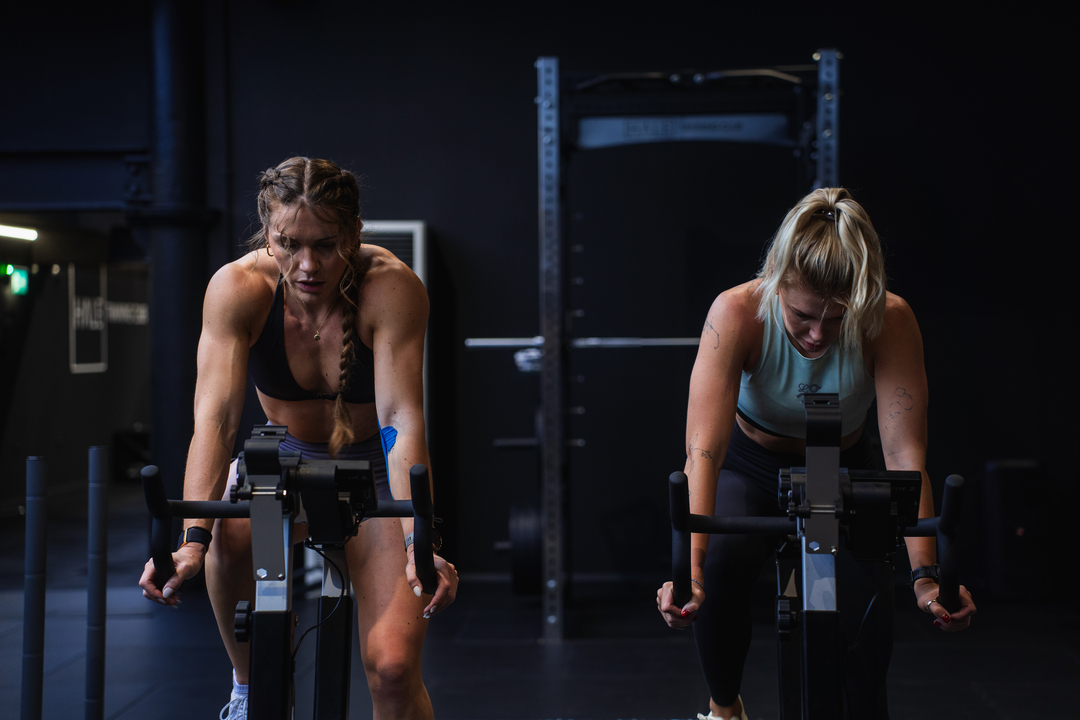
Injuries in cycling don't discriminate by skill level. Even Tour de France champions like Geraint Thomas, who crashed during the 2020 Tour de Suisse, and Chris Froome, who faced career-threatening injuries after a crash that same year, face the same vulnerability as weekend riders navigating park trails. The difference isn't whether injury risk exists, but how well you prepare for it.
Small mistakes compound over time, poor bike fit adds cumulative stress with every pedal stroke, and sudden crashes can happen to anyone sharing the road. According to Bicycle Accident Lawyers, 40% of bicycle accidents occur at intersections, where even experienced riders face unpredictable variables beyond their control.
Building Resilience Against Cycling Overuse
The truth is, cycling's repetitive nature creates hidden vulnerabilities. You're locked into the same motion patterns for hours, holding static postures that load specific tissues again and again, as your hip flexors tighten, your lower back compensates, and your knees track the same path thousands of times per ride.
That's not a flaw in the sport; it's the architecture of endurance athletics. But it means your body needs more than fitness to stay resilient. It needs capacity, the ability of your muscles, tendons, ligaments, and bones to withstand the loads you're placing on them without breaking down.
Overuse Injuries Build Quietly
Most cycling injuries don't announce themselves with a crash. They accumulate silently, ride after ride, until one day your knee aches during the power stroke or your lower back tightens halfway through a route you've ridden dozens of times before.
Training load, bike setup, and tissue capacity are the three factors that determine whether you stay healthy or start compensating. When any one of these falls out of balance, your body adapts, and that adaptation often shows up as pain.
Understanding Internal Training Load in Cycling
Training load isn't just about how far or how fast you ride. It's about the physiological stress your body absorbs relative to its current state. A 60-minute time trial on a hot, hilly course after three days of racing and poor sleep hits your system harder than a two-hour social ride on flat roads with fresh legs, even though the second ride is twice as long.
External metrics like distance and power don't capture that difference. They miss the internal load, including your heart rate response, your perceived exertion, the cumulative fatigue from work stress, inadequate sleep, or fighting off a cold.
Track Cycling Load with RPE to Prevent Overuse Injuries
The simplest way to track this is to multiply the rating of perceived exertion (RPE) by the number ofminutes. A ride that feels like a 9 out of 10 for 60 minutes equals 540 arbitrary units of load. A casual 4 out of 10 effort for two hours equals 480 units.
The number tells you which ride actually stressed your system more, regardless of what your bike computer says. When you stack high-load days without adequate recovery, your tissues don't get a chance to adapt. Instead, they break down. That's when overuse injuries take root.
Weak Links in the Kinetic Chain
Your body moves as a system, not a collection of isolated parts. When one area lacks strength or mobility, another compensates. Weak glutes force your quadriceps to do more work during the power stroke, overloading your patellofemoral joint and creating anterior knee pain.
Tight hip flexors pull your pelvis forward, flattening your lumbar curve and straining your lower back. Limited ankle mobility changes how force transfers through your pedal stroke, altering load distribution all the way up the chain.
Build Strength Off the Bike to Prevent Injuries
Cyclists often focus training time on the bike and skip the gym. But heavy resistance training, especially for your quadriceps, glutes, calves, and hamstrings, is the most effective way to build tissue capacity. These muscles don't just generate power. They absorb shock, stabilize joints, and protect vulnerable structures from excessive load.
When they're strong, they create a buffer between effort and injury. When they're weak, every ride asks your body to do more with less, and eventually, something gives.
Strengthen Core and Upper Body for Cycling Stability
Core and upper body strength matter too, even though they don't directly drive the pedals. Adequate strength in these regions keeps you stable on the bike, minimizes unnecessary movement, and helps you sustain prolonged postures without compensating.
That stability improves efficiency, which means better performance and less wasted energy. It's easy to neglect this work when your legs feel strong, but your body needs balanced capacity to handle the cumulative stress of long rides.
Bike Fit Isn't One Size Fits All
There's no single ideal bike position. Instead, there's a bike fit window, a range where you balance power, aerodynamics, and comfort without sacrificing one for the others. Optimizing aerodynamics often reduces comfort and sustainability. Maximizing comfort costs you aerodynamic efficiency.
Power output shifts depending on how your body is positioned relative to the pedals, saddle, and handlebars. The goal isn't perfection. It's finding the compromise that works for your body, your experience level, and your riding goals.
Adjust Contact Points for Optimal Load Distribution
Your body weight is distributed across three contact points:
- Your feet on the pedals
- Your pelvis on the saddle
- Your hands on the hoods
Small adjustments to saddle height, fore-aft position, handlebar reach, or cleat placement change how pressure and load move through these points.
Minor Bike Fit Issues Cause Overuse Injuries
When the bike fit is off, even slightly, the cumulative effect over thousands of pedal strokes creates overuse injuries. A saddle too high strains your hamstrings. A saddle too far forward overloads your quads and knees. Cleats positioned incorrectly alter your foot's angle, changing force transfer all the way up your leg.
Adjust Bike Fit as Your Body and Skills Change
Bike fit is also dynamic. What works for a younger, more experienced rider might not suit someone older, less experienced, or recovering from injury. Some riders absorb large position changes easily (macro-absorbers), while others feel significant effects from tiny adjustments (micro-adjusters).
Your fit needs to evolve as your body, fitness, and goals change. That's why professional fitters emphasize ongoing refinement, not one-time setup.
Daily Mobility App for Proactive Cycling Resilience
For athletes looking to build resilience proactively, tools like the mobility app integrate guided stretching and recovery routines directly into training schedules. Instead of waiting for pain to surface, you can address tissue capacity and movement quality consistently, in as little as 3-15 minutes a day, using nothing but your phone. That kind of daily mobility work helps you stay ahead of the small imbalances that compound into bigger problems.
Training Errors Are Easy to Miss
You don't need to make dramatic mistakes to get injured. Small errors compound over time. Increasing mileage, hill climbing, and race frequency all in the same week overloads your tissues faster than they can adapt. Training in high gear ratios (overgearing) stresses your knees and hip flexors.
Spending more time on a stationary trainer changes load distribution compared to outdoor riding, especially if your bike fit isn't optimized for that setup. Triathletes face additional risk during brick sessions, where the transition from cycling to running challenges fatigued muscles and joints in new ways.
Recovery and Internal Load for Cycling Performance
Recovery isn't passive rest. It's the process where your body adapts and becomes stronger. If you maintain the same training volume while dealing with the flu, high work stress, or poor sleep, your body can't complete that adaptation cycle. Instead, it breaks down.
Internal factors like sleep quality, timing of nutrition, hormonal status, and muscle fatigue from previous sessions all affect your ability to train. External factors like temperature, humidity, wind, course elevation, and equipment choice influence the true physiological workload of any ride, even if the route and duration are identical to your last one.
Gradually Progress Training to Prevent Injuries
Limiting the number of variables you change at once reduces the risk of injury. If you're increasing mileage, keep intensity and terrain consistent. If you're adding hill work, don't simultaneously ramp up volume or race frequency.
Your body needs time to adapt to each new stimulus. When you stack changes too quickly, you exceed tissue tolerance before adaptation can occur, and that's when injuries take hold.
Related Reading
- Injury Prevention Strategies
- What is Injury Prevention
- Cold Therapy for Athletes
- Can Tennis Elbow Cause Shoulder Pain
- Basketball Injury Prevention
- How to Prevent Pickleball Injuries
- How To Stop Wrist Pain From Lifting Weights
- Most Common Tennis Injuries
- How to Prevent Knee Pain When Running
- Injury Prevention for Athletes
8 Common Cycling Injuries and Their Symptoms
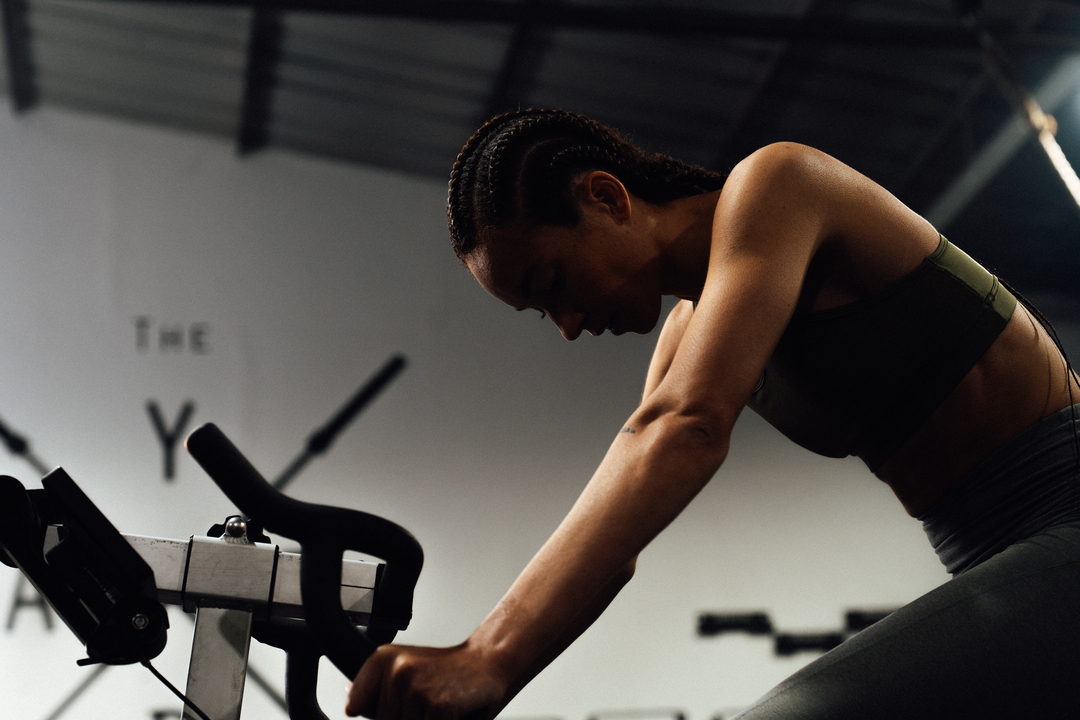
1. Knee Pain (Patellofemoral Pain Syndrome)
Your knee traces thousands of circles on every ride, and when that tracking pattern goes awry, pain settles around or behind your kneecap. Patellofemoral Pain Syndrome happens when your patella doesn't glide smoothly over your femur during the pedal stroke. The friction creates inflammation, and that inflammation becomes the dull ache you feel climbing stairs or squatting after a long ride.
Poor bike fit drives most cases. A saddle height that's too low forces your knee into excessive flexion. Saddle positioned too far forward overloads your quadriceps and pulls your patella out of alignment. Cleat placement matters too. When your foot sits incorrectly on the pedal, it changes the angle at which force travels up your leg, altering how your knee handles load.
Prevent Knee Pain with Balanced Leg Muscles
Weakness in your quadriceps or imbalances between your quads and surrounding muscles create instability. Your patella needs balanced tension from all sides to track correctly. When one muscle group dominates, it pulls your kneecap off its intended path.
You'll notice the pain during rides, especially on climbs or during harder efforts. Sometimes you'll hear a popping or grinding sensation. Swelling around the joint confirms inflammation has set in.
2. Lower Back Pain
Holding a forward-leaning position for hours loads your lumbar spine in ways it wasn't designed to sustain. Your lower back muscles work constantly to stabilize your torso while your legs generate power.
When those muscles fatigue or when your core can't support the position, your spine compensates. That compensation shows up as persistent or intermittent pain, stiffness, and reduced range of motion.
Prevent Lower Back Strain with Proper Bike Fit
Poor bike fit amplifies the problem. Handlebars too low or too far away force excessive spinal flexion. Weak core muscles mean your lower back has to do stabilization work it shouldn't have to handle on its own.
Tight hamstrings and hip flexors pull your pelvis out of neutral alignment, flattening your lumbar curve and increasing strain. Prolonged rides without breaks give your muscles no chance to reset, and fatigue compounds with every mile.
Spotting Delayed Lower Back Pain from Cycling
The pain worsens during long rides or during specific movements, such as standing to climb. You might feel muscle spasms in your lower back after dismounting. Some riders notice the discomfort doesn't start until hours after the ride ends, making it easy to miss the connection between cycling posture and back strain.
3. Neck Pain
Your head weighs around 10 to 12 pounds, and cycling positions require you to hold it in extension for extended periods. That sustained posture strains your neck muscles and upper shoulders, especially when your bike setup forces you to crane your head upward to see the road. Handlebars positioned too low or too far away worsen the angle, increasing muscular load.
Relieve Neck and Upper Back Pain While Cycling
Weak upper back and neck muscles can't sustain the position without fatigue. Poor posture compounds the problem. Limited flexibility in your shoulders and upper back restricts how your body distributes the load, forcing your neck to compensate.
The pain and stiffness concentrate in your neck and upper shoulders, making it difficult to turn your head. Headaches caused by neck tension are common, and the discomfort intensifies during and after long rides.
4. Wrist and Hand Pain (Cyclist's Palsy)
Prolonged pressure on your ulnar nerve creates numbness, tingling, or pain in your hands and fingers. This condition, commonly called Cyclist's Palsy, happens when you bear too much weight on your handlebars. The nerve compression affects your ring and little fingers most noticeably, and you'll feel weakness in your hand that makes gripping difficult.
Prevent Hand and Wrist Pain with Proper Bike Fit
Improper bike fit plays a central role. Handlebars too low or too narrow shift more weight onto your hands. Poor posture that doesn't engage your core forces your upper body to rely on your hands for support.
Repetitive vibrations from rough terrain aggravate the nerve, and inadequate padding in your gloves or on your handlebars removes the buffer that absorbs shock. Symptoms worsen with prolonged rides, and the aching sensation in your wrist and hand lingers after you finish.
5. Achilles Tendinitis
Your Achilles tendon connects your calf muscle to your heel, and cycling's repetitive motion can irritate it when the bike fit or technique goes wrong. The irritation manifests as pain and swelling over the back of your foot.
Saddle height matters significantly here. Too low and your ankle dorsiflexes excessively during the pedal stroke. Too high and your heel drops too far, overstretching the tendon with every rotation.
Proper Pedal and Foot Alignment
Improper pedaling technique compounds the issue. Pushing with your toes instead of the ball of your foot changes load distribution. Poor foot alignment caused by incorrect pedal or cleat setup alters the angle at which force travels through your ankle. The ball of your foot should sit directly over the pedal axle. When it doesn't, your Achilles absorbs stress it wasn't meant to handle.
6. Plantar Fasciitis
The plantar fascia is a thick band of connective tissue running along the bottom of your heel. Repetitive irritation to this structure creates sharp heel pain, especially noticeable when you first step out of bed in the morning or after long periods of rest. Over-pronation during the downstroke while pedaling causes the irritation. Your foot rolls inward excessively, stretching the fascia beyond its tolerance.
Cleat position influences pronation patterns. Rigid cycling shoes that don't allow natural foot movement can increase pressure on the fascia. The pain sharpens with weight-bearing activity and often improves briefly during movement, only to return after rest. Left unaddressed, plantar fasciitis becomes chronic and limits your ability to ride or even walk comfortably.
7. Metatarsalgia
Pain in the ball of your foot is called metatarsalgia. The condition develops from repeated stress during pedaling, concentrated in the metatarsal heads where your toes connect to the rest of your foot. Pedaling against too much resistance, especially in high gears, increases pressure in this area.
Poorly positioned cleats shift load distribution forward, overloading the ball of your foot. Rigid cycling shoes with insufficient cushioning remove the padding that would normally absorb some of that stress.
Foot Pressure and Cleat Adjustment for Cycling Comfort
You'll feel the pain most acutely during hard efforts or long rides. The discomfort might feel like walking on a pebble or experiencing a burning sensation under your toes. Soft-soled shoes or a soft insert can help decrease pressure and reduce symptoms, but addressing cleat position and gear selection matters more for long-term relief.
8. Numbness and Paresthesias
Numbness and paresthesia, that tingling or "pins and needles" sensation, show up most commonly on the top of your foot and big toe. Compression of the nerves that provide sensation to your foot causes the issue.
Tight cycling shoes restrict blood flow and compress nerves. Cleat positioning that creates excessive pressure points worsens the problem. Prolonged time in the same position without shifting your foot or adjusting your posture allows compression to build.
Relieve Foot Numbness with Cleat and Shoe Adjustments
The sensation might start as mild tingling and progress to complete numbness if you ignore it. Loosening your shoes slightly during rides or adjusting your cleat position often provides immediate relief, but persistent symptoms suggest you need a more comprehensive bike fit review or a different pair of footwear.
Mobility Work Prevents Cycling Injuries Before Pain Appears
Most cyclists treat mobility work like an optional recovery tool, something you do after pain shows up. That's the familiar approach because stretching feels passive rather than productive.
But as ride volume increases and your body accumulates thousands of repetitive movements, that reactive mindset leaves you vulnerable. Tightness builds in your hip flexors, hamstrings, and calves. Range of motion decreases. Compensation patterns emerge before pain does.
Pliability: Proactive Mobility in 3–15 Minutes Daily
Solutions like Pliability’s mobility app shift the model by offering guided video routines designed to proactively address tissue capacity. Athletes integrate 3 to 15-minute sessions into daily schedules, using nothing but their phone, building resilience before injuries surface rather than chasing relief after they arrive.
Related Reading
- Do Muscle Tears Heal On Their Own
- Forearm Strain
- How Can Strengthening Muscles Prevent Injury
- Quad Strain Recovery Time
- Urgent Care For Pulled Muscle
- How To Heal A Calf Strain Quickly
- How To Prevent Hamstring Injuries
- How Long Does a Sprained Knee Take to Heal
- How Does Stretching Prevent Injury
- How Long Should Swelling Last After an Injury
- How To Strengthen Shins For Running
- Athletic Injury Recovery
How Can You Prevent Injury While Cycling?
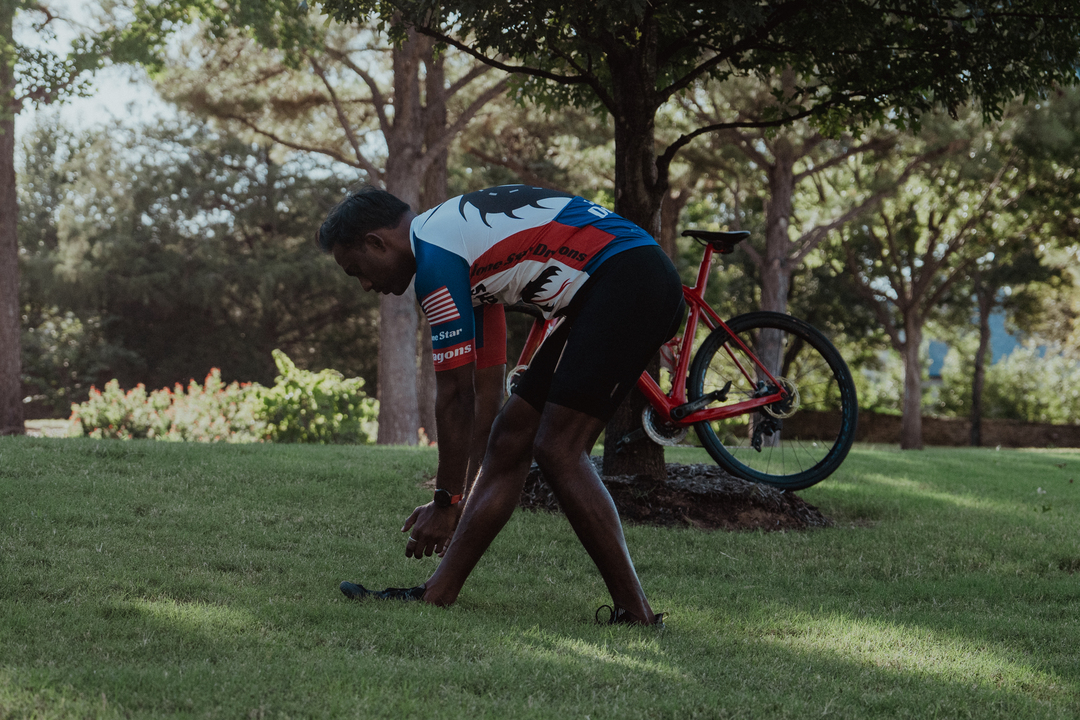
A professional bike fit solves half the problem. The other half depends on your body's ability to handle the position the fit creates.
Cyclists who invest thousands in frame geometry, saddle height adjustments, and cleat alignment still develop knee pain, lower back strain, and neck tension because their tissues can't sustain the demands of that optimized position. Prevention starts with building the physical capacity to match your bike setup, not just perfecting the setup itself.
Preventive Techniques for Cycling Pain
According to clinical bike fitter and physical therapy cycling specialist Ellen Foster, D.P.T., riders frequently arrive frustrated after expensive bike fits failed to eliminate their pain. "Bike fit is the first thing we look at when someone is injured. But it's not a magic cure-all for injuries. It's one part of the picture," she explains.
The missing piece involves preventive techniques like strength training, stretching, foam rolling, massage tools, and smart training practices that build resilience in muscles, tendons, and connective tissues by cycling loads repeatedly.
Check Your Fit, Then Check It Again
Your body changes. A bike fit from three seasons ago reflects a different version of your physiology. Age, training volume, injury history, and even changes in flexibility shift how your body tolerates specific positions.
What worked perfectly when you were riding 100 miles a week might create problems at 200 miles. Professional fitters emphasize ongoing refinement because static solutions don't match dynamic bodies.
Update Your Bike Fit as Your Body Changes
Revisiting your fit every few seasons accounts for these shifts. Your flexibility might have decreased, your core strength improved, or your riding style evolved from casual weekend rides to structured training blocks. Each of these changes alters how your body distributes load across contact points.
A saddle position that felt neutral two years ago might now tilt your pelvis forward, flattening your lumbar curve and straining your lower back. Handlebar reach that once felt comfortable might force excessive spinal flexion as your hamstring flexibility decreases with age.
Balance Training Load With Recovery Capacity
Cycling's non-impact nature creates a dangerous illusion. Because your joints don't absorb the pounding of running, it feels easy to ride every day, stacking high-intensity efforts without rest. That's where overtraining sneaks in.
Foster sees this pattern frequently with Peloton users "smashing Power Zone rides every single day" and Zwift racers who get addicted to hard efforts without scheduling recovery. The physiological stress accumulates faster than your tissues can adapt.
Stick to Two or Three Truly Hard Rides Per Week
The rest of your training should allow your body to absorb the stress you've applied, rebuild stronger tissues, and prepare for the next load. Training plans that ignore this rhythm push you past tissue tolerance before adaptation occurs. You might feel strong during the rides, but the cumulative damage builds silently until pain forces you to stop.
External metrics such as distance and power output don't capture the internal load. A 60-minute time trial after three days of racing, poor sleep, and high work stress hits your system harder than a two-hour social ride on fresh legs, even though the second ride is twice as long.
Monitor Internal Training Load
Your heart rate response, perceived exertion, and cumulative fatigue from life outside cycling all influence how your body handles training stress. When you stack high-load days without accounting for these internal factors, recovery never catches up.
Strength Training Builds Tissue Capacity
Most cyclists avoid the gym because it feels disconnected from the act of pedaling. But heavy resistance training strengthens the tissues you can't see in the mirror, such as tendons, cartilage, bone, and the connective structures that hold your joints stable under load.
"You do squats, deadlifts, lunges, and kettlebell swings to make tendons, cartilage, bone, and all the tissues you don't see in the mirror, as well as your muscles, strong and resilient," Foster says.
Offseason Strength for Cycling Durability
Aim for two to three gym sessions per week during the offseason. As bike intensity increases through your training season, switch to maintenance mode.
You can sustain progress with as little as 15-20 minutes of strength work twice weekly. That small time investment protects against the cumulative stress of thousands of pedal strokes by giving your tissues the capacity to absorb load without breaking down.
Planks
Core stability determines how well you maintain posture and spinal alignment during long rides. Planks strengthen the deep core muscles that support your spine, reducing lower back pain.
They also enhance the stability and balance needed to handle varied terrain and sudden movements, minimizing fall risk. By improving muscular endurance and coordination, planks help you sustain longer rides with better form, contributing to safer, more efficient cycling.
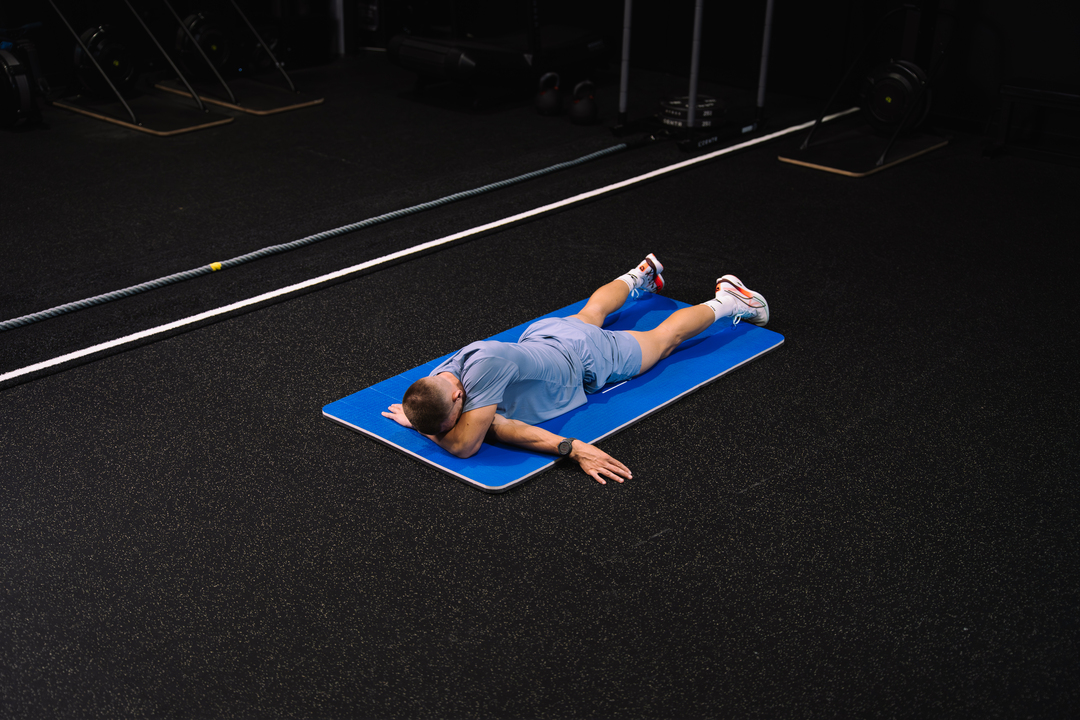
Bird-Dog
This exercise targets deep core muscles while promoting proper spinal alignment. It strengthens the glutes and back muscles crucial for power generation and stability on the bike.
By working both sides independently, bird-dog addresses muscular imbalances that lead to compensations. The movement improves coordination between your upper and lower body, which translates directly to better control during climbs and technical descents.
Single Leg Bridge
Strengthening one leg at a time corrects the imbalances that develop from favoring your dominant side during pedaling. Single-leg bridges target the glutes, hamstrings, and lower back muscles that generate power and maintain stability.
Enhanced hip stability from this exercise reduces the risk of knee and lower back injuries. The movement also improves core strength and pelvic control, essential for maintaining proper form when fatigue sets in.
Hip Abduction Banded
Your hip abductors, particularly the gluteus medius, stabilize your pelvis during every pedal stroke. Standing hip abduction with a band strengthens these muscles, maintaining proper alignment and reducing the risk of overuse injuries in your knees and lower back.
This exercise addresses muscular imbalances that cause your knees to track improperly, and it improves overall hip mobility, contributing to a more efficient and powerful pedal stroke.
Banded Pull Aparts
Upper back and shoulder strength help prevent rounded shoulders and forward head posture that can lead to neck strain during long rides. Banded pull-aparts target the rhomboids, rear deltoids, and rotator cuff muscles, enhancing scapular stability.
This exercise counteracts the forward-leaning cycling position by strengthening the muscles that pull your shoulders back. Improved upper-body strength helps you maintain proper posture without excessive muscular effort, reducing discomfort during extended rides.
Cat-Cow
Spinal flexibility and mobility matter for maintaining a healthy back during prolonged cycling postures. Cat-cow alternates between flexion and extension of your spine, relieving tension in your lower back and neck while improving overall spinal health.
This dynamic stretch enhances range of motion and reduces stiffness, preventing common overuse injuries associated with holding static positions. Regular practice helps your spine tolerate sustained forward flexion cycling.
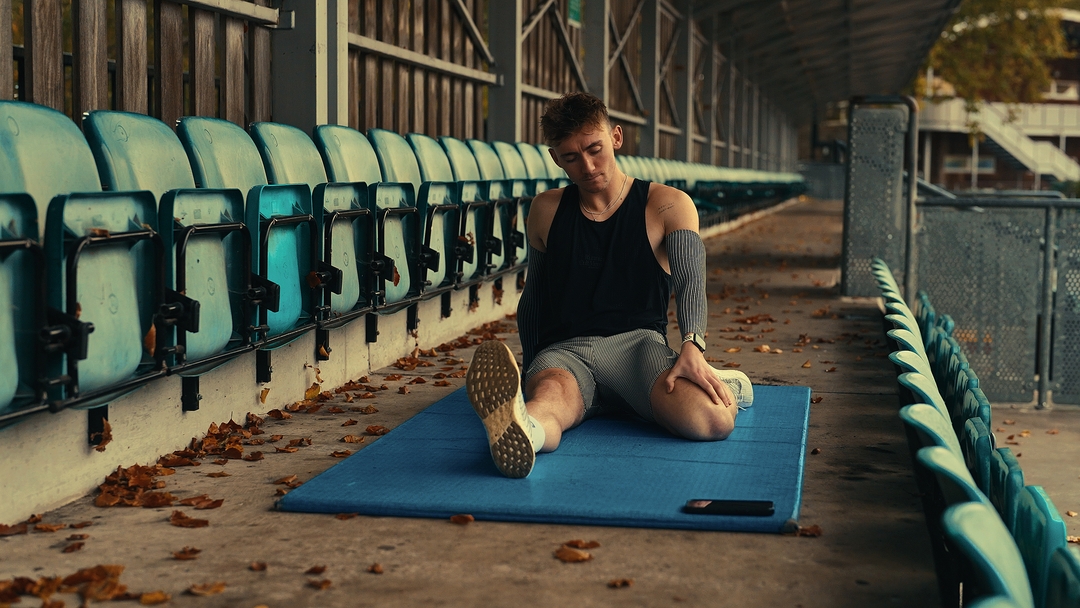
Hamstring Stretch
Tight hamstrings pull your pelvis into posterior tilt, flattening your lumbar curve and straining your lower back. They also limit your ability to hinge forward comfortably, forcing compensations elsewhere in your kinetic chain.
Regularly stretching your hamstrings maintains proper muscle length, enhances range of motion, and improves overall leg function. This prevents overuse injuries and ensures smoother, more efficient pedal strokes by allowing your hips to move through their full range of motion.
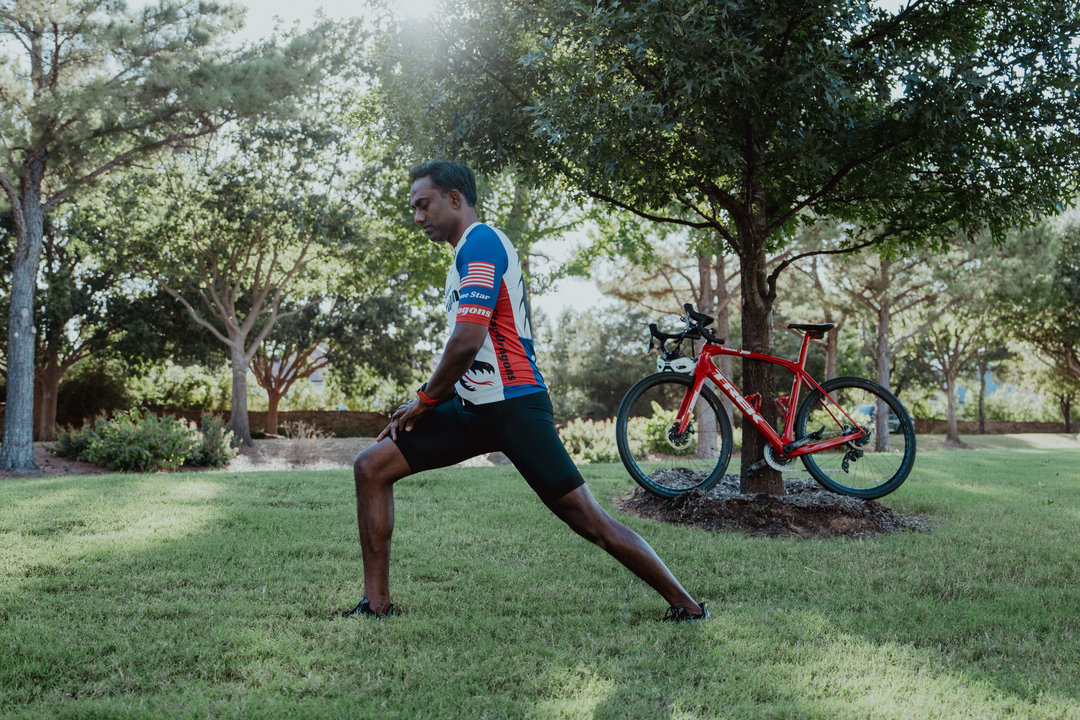
Hip Flexor Stretch
Prolonged periods in a seated, flexed position tighten your hip flexors, which then pull your pelvis forward and compress your lumbar spine. This creates lower back pain, hip discomfort, and reduced pedaling efficiency.
Regular hip flexor stretching enhances mobility, improves posture, and maintains better alignment. The stretch prevents muscular imbalances and reduces the risk of overuse injuries by keeping your pelvis in a neutral position during rides.
ITB Rolling
The iliotibial band runs along your outer thigh from hip to knee, and tightness here creates friction and inflammation that manifests as outer knee pain. Cyclists frequently develop ITB syndrome from the repetitive motion of pedaling.
Rolling the ITB with a foam roller or massage tool reduces muscle adhesions, improves blood flow, and enhances flexibility in the ITB and surrounding muscles. This alleviates strain on your knees, promotes better leg alignment during pedaling, and prevents overuse injuries.
Warm Up Before You Ride
Most cyclists hop on their bikes and start pedaling immediately. That approach asks cold muscles and stiff connective tissues to generate power without preparation. A two-minute warm-up, activating your muscles and taking your joints through their full range of motion, primes your body for the work ahead.
"It doesn't have to be time-consuming. Just two minutes of activating your muscles and taking your joints through a full range of motion can help get your muscles ready for action and avoid soreness and injury," Foster explains.
Quick Pre-Ride Movements for Injury Prevention
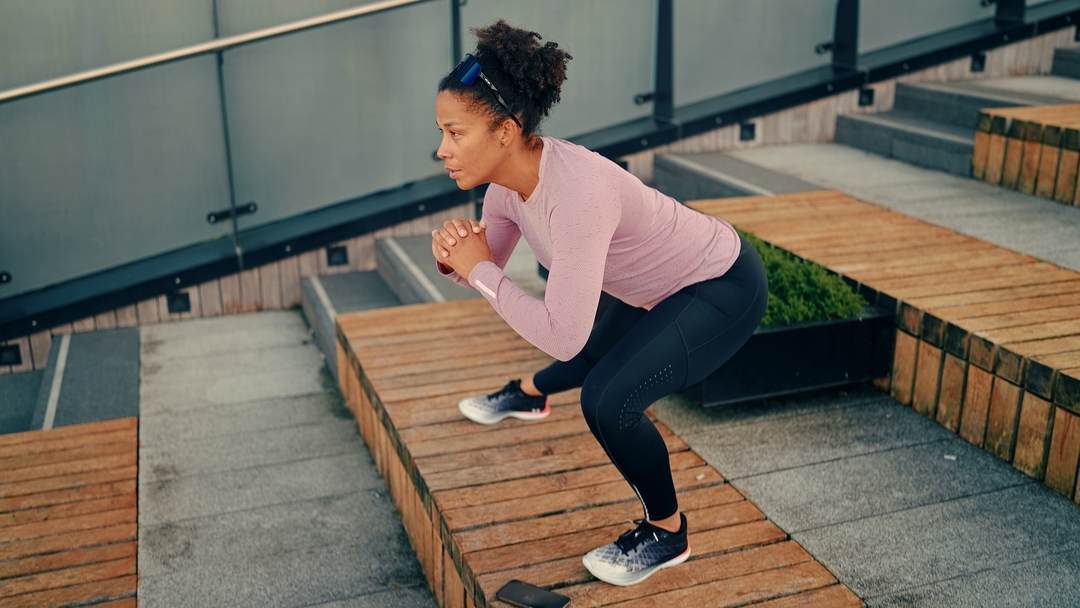
Simple movements like leg swings, hip circles, and bodyweight squats increase blood flow to your working muscles and lubricate your joints. This preparation reduces the shock your tissues experience when you transition from rest to effort. The few minutes you invest before clipping in pay off in reduced injury risk and better performance once you start riding.
Move Around on the Bike
Cycling locks your body into repetitive positions for hours. Your muscles contract in the same patterns, your joints move through the same ranges, and your spine holds the same curve mile after mile.
That static positioning increases injury risk as tissues fatigue without relief. "Make a conscious effort to move around on the bike. Sit up and extend through the spine. Twist a bit from side to side. Rotate your pelvis forward and back. Get out of that same position," Foster advises.
Prevent Overload on Indoor Trainers
This matters even more on indoor trainers, where your bike remains perfectly stable, and your body position becomes locked in. Without the natural shifting that occurs when you navigate turns, adjust to the wind, or handle uneven terrain, your tissues bear concentrated loads in fixed patterns.
Periodically changing your position, even slightly, distributes stress across different muscle fibers and joint angles, giving fatigued structures brief recovery periods during the ride itself.
Related Reading
- How To Prevent Stress Fractures From Running
- How To Fix Lower Back Pain From Running
- Care And Prevention Of Athletic Injuries
- Knee Injury Prevention Exercises
- Compression Therapy For Athletes
- Soccer Injury Prevention Exercises
- Best Foam Roller For Runners
- Ankle Injury Prevention Exercises
Ride Longer Without Pain by Fixing the Mobility Most Cyclists Ignore
Cycling injuries don't usually come from crashes. They come from tight hips, stiff ankles, overworked knees, and a limited range of motion that builds up ride after ride. That's where consistent mobility work fits in.
Most cyclists wait until pain appears before considering stretching or recovery routines. That reactive mindset treats mobility as damage control, something you do after tightness becomes limiting or discomfort forces you off the bike. The familiar approach feels logical because stretching doesn't produce visible fitness gains the way intervals or long rides do.
Silent Flexibility Loss in Cyclists
You can't see flexibility improving on your power meter. But while you're stacking miles and chasing watts, your hip flexors shorten from hours in the saddle, your hamstrings lose length, your ankles stiffen, and your thoracic spine adapts to prolonged forward flexion.
These changes accumulate silently until one day your knee tracking shifts just enough to create patellofemoral pain, or your lower back compensates for tight hips and starts aching halfway through routes you've ridden comfortably for years.
Proactive Mobility for Cyclists
Pliability shifts this model by positioning mobility as proactive infrastructure rather than reactive repair. The app provides daily-updated routines with guided video sessions designed specifically for performance-driven athletes, including cyclists who want to ride longer, recover faster, and stay pain-free.
With targeted flexibility sessions ranging from 3 to 15 minutes and a unique body-scanning feature that helps identify problem areas, Pliability addresses the root causes of cycling injuries before they turn into chronic pain.
Daily Mobility for Injury-Free Cycling
Whether you're dealing with knee discomfort, low-back tightness, or sore hips after long rides, the platform complements your training by improving flexibility, supporting recovery, and keeping your joints moving the way they're supposed to. You build resilience using nothing but your phone, no equipment required, integrating sessions into your daily schedule the same way you plan your rides.
Try Pliability free for 7 days on iPhone, iPad, Android, or web, and make mobility part of your injury-prevention strategy, not something you only think about when you're hurt.
.jpg)