How to Fix Lower Back Pain From Running That Keeps Returning
.webp)
You've felt it before. That nagging ache in your lower back during mile three, or the stiffness that shows up hours after your run ends. Lower back pain from running derails training plans, forces you to cut runs short, and makes you wonder if your body can handle the sport you love. This article outlines how to address lower back pain from running with targeted strategies that target root causes, such as weak core muscles, poor running form, tight hip flexors, and muscle imbalances that strain the lumbar spine.
That's where a mobility app like Pliability becomes your training partner. Instead of guessing which stretches or exercises might help, you get guided routines designed to strengthen your core, improve hip mobility, and release tension in the muscles that contribute to lower back discomfort. The app helps you build consistent habits that keep pain from returning, so you can focus on your mileage goals rather than managing setbacks.
Summary
- Lower back pain affects 63.8% of marathon runners, according to research published in Pain Research and Management, with restricted hip mobility identified as one of the most common mechanical contributors. The pain rarely originates in the back itself but stems from tight hip flexors, weak glutes, and limited movement patterns that force the lumbar spine to compensate under repetitive load.
- Rest alone doesn't fix lower back pain because it addresses symptoms without rebuilding capacity. The underlying weaknesses remain: hip flexors that stay shortened from desk work, glutes that fatigue before your back does, and stabilizers that can't distribute force properly under training load.
- Marathon runners who skip warm-ups are 2.6 times more likely to experience low back pain than those who prepare properly, according to a 2021 study in Pain Research Management. Dynamic movement before running activates dormant muscle patterns and signals stabilizers to fire correctly, preventing the scramble to compensate that happens when fatigue sets in miles into a run.
- Small muscle imbalances worsen with fatigue and increased training volume. One hip slightly tighter than the other, or one glute firing more slowly, creates asymmetries that cardiovascular fitness can't overcome. When mileage jumps suddenly (from 20 to 35 miles per week, for example), the load exceeds the body's current capacity to distribute force evenly.
- Spinal discs are roughly 75% water, and dehydration reduces their ability to cushion and absorb shock effectively. Drinking about 20 ounces of water two hours before running and seven to ten ounces every 10 to 20 minutes during longer efforts maintains the structural integrity of tissues that protect the spine from compressive forces.
- Form adjustments distribute impact more efficiently and reduce lumbar stress. Looking straight ahead instead of down keeps the head's ten-pound weight from pulling the spine into a rounded posture. Shortening stride length prevents overstriding, which creates braking forces that travel up through the leg into the spine.
Pliability's mobility app addresses these deficits by providing expert-designed routines that target tight hip flexors, weak glutes, and limited thoracic rotation in 15 to 25-minute sessions, building the movement capacity runners need to handle training load without breaking down.
Why Lower Back Pain Sneaks Up on Runners (And Why Rest Alone Doesn’t Fix It)

Lower back pain doesn't announce itself with a single dramatic moment. It accumulates quietly across miles, showing up hours after a run or the next morning when you bend to tie your shoes. By the time you notice it, the underlying weakness has already been there for weeks, maybe months, waiting for your training volume to expose it.
Chronic Runner’s Back Pain Cycle
The pattern plays out the same way for most runners. A dull ache appears after a longer run, fades with a rest day, then returns the following week. You stretch more, foam roll your IT band, and take an extra day off. The pain softens, you feel better, so you lace up again. Three miles in, or maybe six, that familiar tightness creeps back into your lumbar spine. You're not imagining it. You're caught in a cycle where rest treats the symptom but never addresses what made your back vulnerable in the first place.
The Pain That Appears After You Stop Moving
You feel fine during the run because movement masks dysfunction. Blood flow increases, muscles warm up, and your nervous system prioritizes performance over signaling discomfort. The trouble surfaces later, when your body tries to recover from work it wasn't fully prepared to handle.
Why Your Back Overreacts
Overexerted muscles get grumpy, as physical therapist Steven Goostree puts it. If you've increased your weekly mileage by 20% in two weeks, or added hill repeats without building the hip and glute strength to stabilize your pelvis under load, your lower back compensates. Facet joints along your spine, designed to allow controlled bending and twisting, are irritated when they're forced to absorb impact that your hips and core should manage. Sacroiliac joints, which connect your lower spine to your pelvis, bear pressure they weren't designed to sustain when you push beyond your body's conditioning.
The Recurring Pain Cycle
The pain shows up hours later, sometimes the next day. It's dull and diffuse, hard to pinpoint. You stretch your hamstrings, roll your IT band, and take two rest days. The discomfort fades. Then you return to your usual training load, and it reappears, slightly different this time, maybe on the opposite side.
Why Rest Feels Like Progress But Isn't a Solution
Rest reduces inflammation. It gives irritated tissues time to calm down. But it doesn't address why those tissues got irritated in the first place.
Rest Won’t Fix Weak Hips
Most runners treat lower back pain like a flare-up, including something to manage, ice, and waiting it out. The problem is that rest doesn't rebuild the hip mobility you lost from sitting three hours straight without a break. It doesn't strengthen the glutes that have been underactive for months, forcing your lower back to stabilize your pelvis during every stride. It doesn't release the tight hip flexors pulling your pelvis into anterior tilt, compressing your lumbar spine with each foot strike.
The Pain Cycle Repeats
You feel better because the acute irritation subsides. You return to running because the pain is gone. Then the same movement patterns, the same compensations, and the same lack of foundational mobility recreate the conditions that caused the pain in the first place. The cycle repeats, and each time, you second-guess a little more. Is it your shoes? Your form? Are you training too hard, or not recovering enough?
Why Nothing Works
The confusion is the worst part. You're doing everything the internet tells you to do: stretching, foam rolling, taking days off. Nothing sticks because none of those interventions address the root cause, which isn't about damage or overuse in the traditional sense. It's about your body working around limitations it shouldn't have to work around.
The Desk Job Connection Most Runners Miss
Running doesn't cause lower back pain. It reveals the weaknesses your daily life creates. If you sit for long stretches without moving, your hip flexors shorten and tighten. Recent surveys show that a third of UK desk workers sit for three or more hours without breaks, significantly increasing their risk of postural imbalances and running-related lower back pain. When you stand up to run, those tight hip flexors pull your pelvis forward, exaggerating the curve in your lower back and forcing your lumbar muscles to work overtime just to keep you upright.
Weak Glutes, Heavy Back
Weak glutes compound the problem. Sitting all day puts your glutes on standby. When you ask them to fire during a run, to stabilize your hips and absorb impact, they underperform. Your lower back picks up the slack. Over five miles, that compensation adds up. Over ten, it becomes a strain. Over months of training, it becomes chronic discomfort that feels unpredictable but is actually entirely predictable once you see the pattern.
Adaptation Becomes Strain
This isn't about blaming your job or your training. It's about recognizing that your body adapts to what you ask it to do most often. If you sit more than you move, your body gets good at sitting. Running requires hip extension, spinal stability, and coordinated movement across multiple joints. When your body can't deliver that freely, it finds a workaround. That workaround eventually hurts.
When Form Breaks Down Because Movement Is Restricted
Poor running form isn't always a technique problem. Sometimes it's a mobility problem disguised as a form problem. If your hip flexors are tight, you can't fully extend your hip during the push-off phase of your stride. Your lower back compensates by increasing its range of motion, creating that exaggerated sway some runners develop without realizing it. If one leg is slightly stronger than the other, or if your pelvis tilts unevenly because of muscle imbalances, you'll develop compensatory patterns such as a crossover gait, a hip hike, or an asymmetric arm swing.
Compensations Cause Injuries
Matt Bergin, a Chartered Physiotherapist, notes that lower back injuries are among the most common issues seen in the clinic, often linked to biomechanical compensations. No one's body is perfectly symmetrical, but when asymmetry combines with restricted movement and inadequate strength, the result is a running pattern that looks fine on the surface but loads your spine unevenly with every step.
Form Alone Isn’t Enough
You can work on form cues all you want. But if your body can't physically access the positions required for efficient running, those cues won't stick. You'll revert to the compensation pattern because it's the only option your current movement capacity allows.
Build a Movement Foundation
Pliability's mobility app addresses this by providing guided routines that target the specific restrictions limiting your movement quality. Instead of generic stretching, you get expert-designed sessions that open up your hips, activate underused glutes, and restore the spinal mobility your body needs to move efficiently. It's not about fixing pain after it appears. It's about building the movement foundation that prevents compensatory patterns from developing in the first place.
The Frustration of Never Feeling Fully Resolved
The worst part isn't the pain itself. It's the uncertainty. You're never sure if today's run will be fine or if tomorrow morning you'll wake up stiff again. You can't tell whether to push through or back off. The pain isn't severe enough to stop you, but it's persistent enough to make you question every training decision.
Second-Guessing Doesn’t Help
You start second-guessing your mileage, your pace, your recovery days. You wonder if you need new shoes, a different surface, or a complete form overhaul. You try everything, but nothing creates lasting change because the interventions don't match the problem. The problem isn't that you're overworking. It's that your body isn't prepared to handle what you're asking it to do, and rest alone doesn't build that preparation.
Rest Alone Isn’t Enough
This cycle wears you down. Some runners permanently reduce their training, convinced their bodies just can't handle higher mileage. Others push through until something more serious forces them to stop. Both outcomes are avoidable, but only if you address the movement limitations and muscle imbalances that rest can't resolve.
Related Reading
- Injury Prevention Strategies
- What is Injury Prevention
- Cold Therapy for Athletes
- Can Tennis Elbow Cause Shoulder Pain
- Basketball Injury Prevention
- How to Prevent Pickleball Injuries
- How To Stop Wrist Pain From Lifting Weights
- Most Common Tennis Injuries
- How to Prevent Knee Pain When Running
- How Can You Prevent Injury While Cycling
- Injury Prevention for Athletes
What’s Really Causing Lower Back Pain in Runners (The Part Most Advice Skips)
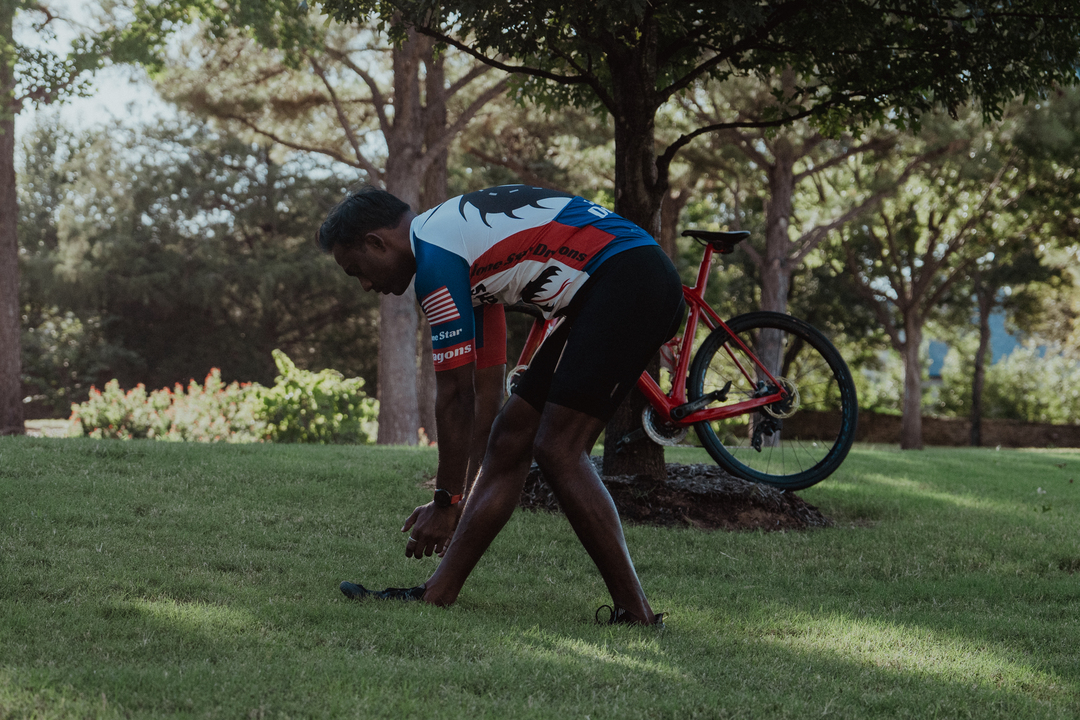
Your lower back isn't the problem. It's the messenger. When pain shows up in your lumbar spine after a run, it's telling you that something else in the kinetic chain stopped doing its job. The real culprits are usually your hips, glutes, and core, all quietly underperforming while your back picks up the slack.
Your Hips Aren't Moving Enough
Sitting tightens your hip flexors. When you finally stand up to run, those shortened muscles pull your pelvis forward into an anterior tilt. That tilt forces your lumbar spine into excessive extension, compressing the facet joints and straining the muscles along your lower back. Every stride reinforces this pattern. By mile three, your back is working overtime to stabilize what your hips should be controlling.
Hip Limits, Back Strain
The problem compounds when your hip mobility is limited. If your hips can't rotate or extend properly, your spine compensates by twisting and bending more than it should. According to Pain Research and Management, 63.8% of marathon runners reported low back pain, and restricted hip mobility is one of the most common mechanical contributors. Your body will always find a way to complete the movement you're asking for. When your hips can't deliver the range of motion running demands, your lumbar spine bends the rules, literally.
Your Glutes Fatigue Before Your Back Does
Glutes are supposed to stabilize your pelvis and absorb impact with every foot strike. When they're weak or fatigued, your pelvis loses control. It tilts, rotates, and drops on one side. Your lower back muscles tighten reflexively to prevent that instability from collapsing your entire posture. A few miles in, those muscles are exhausted from doing a job they were never designed to sustain alone.
Systemic Breakdown During Runs
Runners often notice this pattern late in longer runs. The first five miles feel fine. By mile eight, that dull ache creeps into the lower back. It's not random. Your glutes fatigued around mile six, and your spinal erectors have been compensating ever since. The pain isn't coming from one weak muscle. It's the result of a system breaking down under repeated load.
Small Imbalances Amplify Under Fatigue
A slight muscle imbalance won't hurt you on a recovery jog. But add speed work, hills, or an extra ten miles per week, and that imbalance becomes a liability. Repetitive impact magnifies small asymmetries. One hip is slightly tighter than the other. One glute is firing a fraction slower. Your body adapts stride after stride, but fatigue erodes that compensation. Eventually, your lower back absorbs the stress caused by those imbalances.
Sudden Jumps Hurt
This is why sudden training jumps trigger pain. You went from 20 miles per week to 35. Your cardiovascular system adapted quickly. Your muscles, tendons, and stabilizers didn't. The load exceeded your body's current capacity to distribute force evenly. Your lower back became the weak link, not because it's inherently fragile, but because the surrounding muscles weren't strong enough to protect it.
The Rest-Repeat Trap
Many runners cycle through this without realizing the pattern. They increase mileage; pain appears. They rest; the pain fades. They ramp up again. The cycle repeats because rest doesn't build capacity. It just resets the clock until the next overload. Movement quality must improve; otherwise, the same breakdown will occur again.
Build Resilience With Mobility
Consistent mobility work changes this equation. Tools like Pliability provide guided routines that target the exact deficits causing compensation patterns, such as tight hip flexors, weak glutes, and limited thoracic rotation. These aren't generic stretches. They're expert-designed sequences built to restore the movement capacity your body needs to handle training load without breaking down. Fifteen to twenty-five minutes, three to five times per week, creates the resilience that keeps your lower back from becoming the system's failure point.
The Compensation Chain That Creates Pain
Your body doesn't fail. It adapts. When one system underperforms, another picks up the slack. The trouble is that compensation works until it doesn't, and by the time you feel pain, the workaround has been running quietly for weeks or months.
Tight Hips, Strained Back
Tight hip flexors from prolonged sitting pull your pelvis into anterior tilt. That tilt increases the curve in your lower back, forcing your lumbar muscles to work overtime just to keep you upright. Add running to that equation, and every stride compounds the problem. Your hip flexors can't lengthen properly during the push-off phase, so your lower back extends further than it should to compensate. Over five miles, that's thousands of compensatory movements. Over a training cycle, it's cumulative strain that eventually crosses the threshold into pain.
Weak Glutes, Compensating Spine
Weak or fatigued glutes create a similar cascade. Your glutes are supposed to stabilize your pelvis and absorb impact with each foot strike. When they underperform, because they've been sitting idle all day or because you've ramped up mileage faster than they could adapt, your lower back muscles fire harder to maintain pelvic control. The facet joints in your lumbar spine, small bony projections that guide spinal movement, get compressed unevenly. The sacroiliac joint, connecting your spine to your pelvis, bears rotational forces it wasn't built to sustain. Both become irritated, not because you injured them, but because they're being asked to do work that belongs elsewhere.
Why Sudden Changes Expose Hidden Weaknesses
Pain Research and Management notes that the incidence of low back pain among marathon runners has been poorly understood, with surveys revealing patterns linked to training load and biomechanical stress rather than acute injury. The pain surfaces when you change something: mileage, intensity, terrain, or schedule. That change doesn't create the problem. It reveals the movement limitations and muscle imbalances that were already there.
Mileage Outpaces Muscles
You increase your weekly mileage by 15% due to a race. Your cardiovascular system adapts quickly. Your muscles and connective tissues adapt more slowly. Your movement restrictions do adapt. The tight hip flexors you've had for six months are still tight. The glutes that haven't fired properly for years remain weak. Now you're asking them to handle more work, and they can't. Your lower back compensates, absorbing the extra load until something hurts.
Hills Reveal Weaknesses
Hill workouts create a similar exposure. Running uphill demands greater hip extension and more forceful glute activation. If your hips can't fully extend due to tight hip flexors, your lower back hyperextends to compensate. If your glutes fatigue after the first few reps, your lower back will stabilize your pelvis for the rest of the session. The workout feels hard, but manageable. The next morning, your lower back is stiff and sore, and you can't figure out why.
The Sitting Problem That Running Can't Outrun
You can't out-train a sedentary lifestyle. Sitting for hours shortens your hip flexors, weakens your glutes, and reduces the natural mobility your spine needs to move efficiently. Running asks your body to do the opposite: extend your hips, stabilize your pelvis, and maintain spinal alignment under repetitive impact. When those two realities collide, something has to give.
Tight Hips, Compressed Spine
Your hip flexors adapt to the position you hold most often. If you sit for three hours without moving, they shorten and tighten. When you stand up to run, they pull your pelvis forward, exaggerating the curve in your lower back. That position compresses the facet joints on one side and overstretches the muscles on the other. Your body tries to run in a posture it's not designed to sustain, and your lower back suffers.
Weak Glutes, Delayed Pain
Weak glutes compound the issue. Sitting puts your glutes on standby. They stop firing when the intensity required runs out. When you ask them to stabilize your pelvis during a run, they fatigue quickly. Your lower back takes over, working harder with each mile to maintain control. The pain doesn't show up during the run because your nervous system prioritizes performance. It surfaces later, when your body finally signals that the load exceeded its capacity.
When Small Imbalances Become Big Problems
No one's body is perfectly symmetrical. One leg might be slightly stronger. One hip might rotate more freely. These differences are normal until repetitive impact amplifies them into compensation patterns that hurt.
Asymmetry Strains the Spine
If your right hip is tighter than your left, you'll unconsciously shift more weight to your left side during your stride. That shift changes how your pelvis rotates with each step. Your lower back adjusts to maintain balance, twisting slightly more on one side than the other. Over a few miles, that asymmetry is barely noticeable. Over months of training, it creates uneven loading on your lumbar spine, and eventually, one side starts to ache.
Fatigue Worsens Imbalances
Fatigue makes imbalances worse. When your glutes tire late in a run, they stop stabilizing your pelvis evenly. One side might drop slightly with each foot strike, a pattern called Trendelenburg gait. Your lower back compensates for side-bending to keep you upright. The muscles on one side of your spine work harder than the other, and by the end of the run, they're overworked. The pain appears hours later, is diffuse, and is hard to pinpoint because it's not coming from a single structure. It's coming from a system that's been compensating unevenly for too long.
Why Pain Doesn't Mean Damage
Pain is a signal, not a diagnosis. It tells you that something exceeded your body's current capacity, but it doesn't tell you what broke. Most lower back pain in runners isn't structural damage. It's a capacity problem.
Overloaded, Not Injured
Your body can handle a certain amount of load based on its current strength, mobility, and movement patterns. When you exceed that capacity, through increased mileage, intensity, or a combination of sitting and running, your tissues get irritated. Muscles become overworked. Joints get compressed unevenly. Nerves send pain signals to get your attention. But nothing is torn, herniated, or permanently damaged. The system is just overloaded.
Rest Doesn’t Build Strength
This distinction matters because it changes how you respond. If pain meant damage, rest would be the right answer. But if pain means your body's capacity was exceeded, rest only reduces the irritation. It doesn't increase your capacity. To do that, you need to address the movement restrictions and muscle imbalances that forced your lower back to compensate in the first place.
The Missing Foundation
That's the part most advice skips. It tells you to stretch, rest, and ease back into running. It doesn't tell you how to build a body that can handle the demands you're placing on it without compensation. Without that foundation, the pain returns as soon as you resume your usual training load, and you're left wondering what you did wrong.
Related Reading
- Do Muscle Tears Heal On Their Own
- Forearm Strain
- How Can Strengthening Muscles Prevent Injury
- Quad Strain Recovery Time
- Urgent Care For Pulled Muscle
- How To Heal A Calf Strain Quickly
- How To Prevent Hamstring Injuries
- How Long Does a Sprained Knee Take to Heal
- How Does Stretching Prevent Injury
- How To Strengthen Shins For Running
- Athletic Injury Recovery
How to Fix Lower Back Pain From Running (What Actually Helps Long-Term)
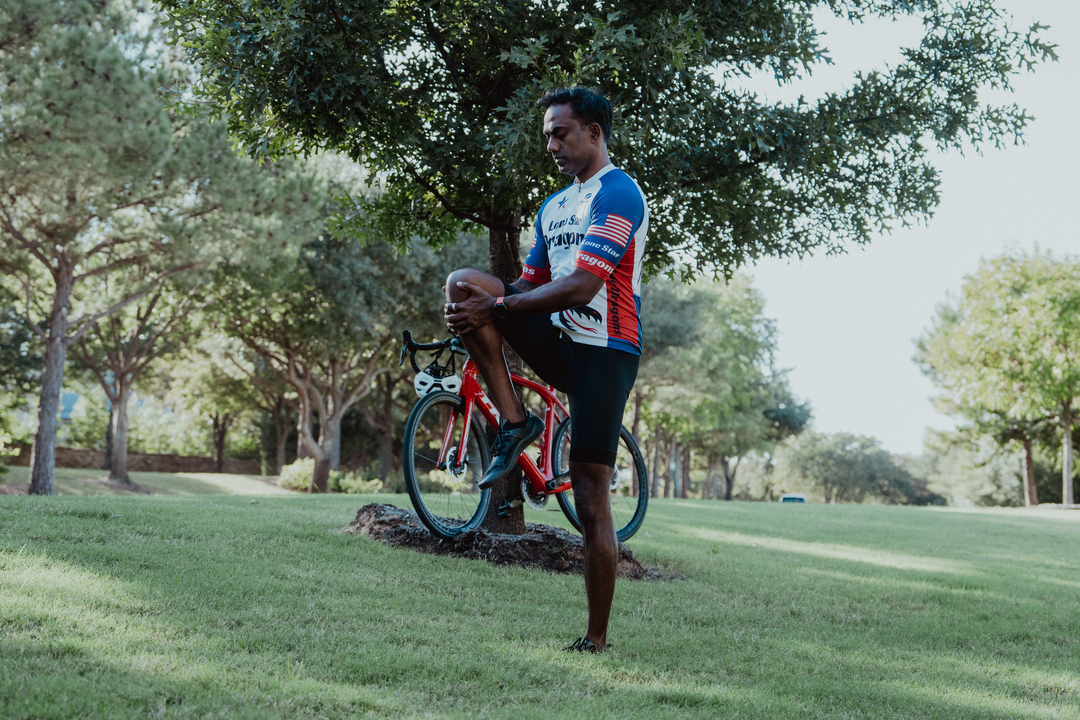
The fix isn't a single stretch or a one-week rest. It's a system of consistent habits that rebuilds the capacity your body needs to handle the miles you're asking it to run. You fix lower back pain from running by rebuilding the movement capacity your body lost, not by treating the symptoms that show up afterward. That means restoring hip mobility, strengthening the muscles that stabilize your pelvis, and teaching your body to move in patterns that don't force your spine to compensate. The pain stops when the compensation stops.
Mind Matters in Recovery
It's frustrating when back pain follows you home from a run, but it doesn't mean you're broken or that running is off the table. Running-Physio reports that injured runners with high levels of anxiety took 3 months longer to recover than those with low anxiety, suggesting that how you respond to pain matters as much as what you do about it. There are always steps you can take to prevent and minimize pain, and most of them have nothing to do with your lower back.
Warm Up Like You Mean It
Marathon runners who skip warm-ups are 2.6 times more likely to experience low back pain than those who prepare their bodies before demanding work. The difference isn't trivial. A proper warm-up shifts your nervous system from rest mode to performance mode, increases blood flow to muscles that are about to work hard, and primes the movement patterns you'll need for the next hour.
Dynamic Stretches Win
Dynamic stretches are more effective than static holds before a run. Instead of pulling your hamstring tight and holding it for 30 seconds, perform leg swings, walking lunges, and hip circles that move your joints through their full range of motion. Focus on hip flexors, hamstrings, and lower back mobility. These areas tighten from sitting and stiffen overnight, and if you start running without waking them up first, your body compensates around the restriction.
Warm Up Properly
Spend five minutes moving deliberately before you run. Your muscles need oxygen-rich blood. Your joints require synovial fluid to lubricate their range of motion. Your nervous system needs a signal that coordinated movement is about to happen. Skipping this step doesn't save time. It just shifts the cost to your lower back later.
Avoid Overtraining Without Overthinking It
Gradually increase your running distance, duration, and intensity. Your cardiovascular system adapts faster than your muscles, tendons, and connective tissues. You can feel ready to run harder before your body is structurally prepared to handle the load. That gap creates injury.
Cross-Train for Recovery
Build in days for cross-training. Swimming, cycling, and elliptical training maintain cardiovascular fitness without the repetitive impact that can stress your spine. These activities let you keep building aerobic capacity while giving your lower back a break from absorbing thousands of foot strikes per session.
Respect the 10% Rule
The 10% rule exists for a reason. Don't increase your weekly mileage by more than 10% from one week to the next. It sounds conservative until you ignore it and realize your back pain appeared exactly when you jumped from 20 miles per week to 30. Your body needs time to adapt, and patience prevents the compensations that lead to pain.
Adjust Your Running Form When it Matters
Look straight ahead when terrain permits. Dropping your gaze downward flexes your neck and rounds your upper back, shifting your center of gravity forward and forcing your lower back to counterbalance. Keep your head centered over your spine. Your eyes can track the ground a few strides ahead without tilting your entire upper body.
Relax Shoulders, Reduce Twist
Relax your shoulders. Tension creeps in when you fatigue, and tight shoulders restrict the natural rotation your torso needs during your stride. Let your arms swing backward and forward, not across the midline of your body. Crossover arm movement twists your torso excessively, and that rotation transfers stress to your lumbar spine.
Shorten Stride, Protect Back
Lift your leg straight at the hip and land as softly as possible. Overstriding, where your foot lands well in front of your body, sends impact forces straight up your leg into your lower back. Shortening your stride places your foot beneath you, allowing your muscles and joints to absorb the shock rather than your spine. If you're unsure whether your form needs adjustment, a physical therapist can perform a gait analysis to identify inefficiencies you may not be able to detect on your own.
Stay Hydrated for Reasons You Might Not Expect
The discs in your spine are made up of about 75% water. They need hydration to maintain their cushioning function. When you're dehydrated, those discs lose volume, and their ability to absorb impact diminishes. Your vertebrae compress closer together, and the facet joints that guide spinal movement bear more load than they should.
Hydrate to Protect Your Back
Drink about 20 ounces of water two hours before a run. During your workout, consume 7-10 ounces of fluid every 10-20 minutes. This isn't about preventing cramps or maintaining performance, though it does both. It's about keeping the structures in your spine functioning as designed, so your lower back doesn't have to work harder to compensate for dehydrated discs that can't do their job.
Strength Train the Muscles That Matter
Your core, glutes, and lower back muscles need to be strong enough to stabilize your spine under repetitive impact. Planks, deadlifts, and side bridges build that stability. These exercises teach your body to maintain spinal alignment when forces try to pull it out of position, which is exactly what happens with every foot strike during a run.
Strengthen Glutes and Hamstrings
Target your hamstrings and glutes with hamstring curls and weighted glute bridges. Strong glutes take stress off your lower body and reduce the impact absorbed at your foot and ankle. When your glutes fire properly, they stabilize your pelvis and prevent the excessive motion that forces your lower back to compensate. When they're weak or fatigued, your spine compensates, and that's when pain develops.
Support Spine Through Posture
Strengthening these supporting muscles also improves your posture. Better posture means your spine sits in a neutral position more often, reducing the chronic compression and tension that lead to discomfort. Work with a professional if you're unsure where to start. A strength program tailored to your specific imbalances will address your weak points faster than generic routines.
Build Core Stability Through Pilates
Pilates develops the deep core muscles that support your spine during dynamic movement. Squats, pelvic curls, seated scissor kicks, and leg lifts with toe taps all activate the stabilizers your body needs to run without compensating. These exercises emphasize control and precision, teaching your nervous system to coordinate movement across multiple muscle groups instead of relying on a few overworked areas.
Pilates Builds Awareness
The benefit isn't just strength. It's awareness. Pilates trains you to feel when your core disengages and your lower back takes over. That awareness carries into your running, where you can catch compensations before they become pain.
Use Resistance Training to Activate What's Dormant
Resistance bands, free weights, and bodyweight exercises generate tension that forces your muscles to work harder. Adding resistance to your movement doesn't just build strength. It ensures your core remains engaged, keeping your body stable and balanced under load.
Train Core for Stability
When you perform a resistance exercise correctly, you're teaching your body to stabilize your spine while generating force. That's the exact skill you need when running. Each foot strike generates force that your body must manage, and if your core can't stabilize your spine at that moment, your lower back compensates. Resistance training rehearses stabilization in a controlled environment, so your body knows how to do it automatically when you run.
Master the Plank Without Hurting Your Back
Planks activate the muscles required for a strong, stable spine, but only if your form is correct. If your back hurts during a plank, your posture is off. Place your hands flat beneath your shoulders and engage your upper back by widening your shoulder blades. Look forward and draw the nape of your neck toward the ceiling.
Start with Knee Planks
Start on your knees if a full plank feels too intense. When you can hold a knee plank comfortably for a minute or more, progress to a full plank. Push your heels back, squeeze your thighs, and engage your glutes. This supports your spine while strengthening the muscles that stabilize it.
Maintain Proper Plank Form
Keep your bottom in line with your spine. Don't let it rise toward the ceiling. Your body should form a straight diagonal line from shoulders to heels. Engage your core by squeezing your belly button toward your spine, and breathe steadily. Don't let your lower back collapse or dip. If your posture is right, you'll feel a burn in your thighs, arms, and core, but no discomfort in your lumbar region.
Improve Your Running Posture
Maintain an upright posture with your head centered over your spine. Let your arms swing freely without tension. If you run with a posterior pelvic tilt, where your pelvis tucks under and flattens your lower back, counteract it with core-stability exercises and shift from heel-toe to midfoot-toe striking. This adjustment distributes impact more evenly and reduces the jarring force that travels up your spine. Your posture during a run reflects your posture throughout the day. If you sit with a rounded back and forward head position for hours, that pattern carries into your running. Addressing postural habits off the run matters as much as adjusting your form during it.
Choose a Terrain That Protects Your Spine
Surfaces with some cushion, like dirt or grass, reduce the stress your lower back absorbs with each stride. Hard surfaces and uneven terrain increase that stress. Concrete transmits more impact than turf. Rocky trails require constant adjustments, which fatigue stabilizing muscles more quickly. Running outside generally beats the treadmill because outdoor running preserves natural stride mechanics. Treadmills slightly alter your gait, and those small changes can contribute to back strain over time. If running outside isn't an option, stay mindful of your stride and listen to your body if new pains develop.
Shorten Your Stride to Reduce Joint Pressure
Overstriding puts more pressure on your joints. When your foot lands in front of your body, the impact force must travel up your leg, reducing muscular absorption. Shorter strides allow your feet to land under your body, where your muscles can absorb the impact more effectively before it reaches your spine. You don't need to overthink cadence or measure stride length precisely. Focus on landing softly and keeping your feet beneath you. The adjustment often happens naturally once you're aware of the pattern.
Know Your Limits Without Apologizing for Them
Many runners overdo it and end up with low back pain because they push too hard, too fast. Being realistic about your current fitness isn't a limitation. It's a strategy. Your body needs four to six weeks for most physiological adaptations to settle in. Patience isn't passive. It's how you build a body that lasts. Avoid the trap of comparing your training to someone else's plan. Their body adapted over months or years to handle their current load. Yours hasn't. Respect where you are now, and build from there.
Replace Your Running Shoes Before They Fail You
Wear proper running shoes with adequate support and cushioning, suited to your foot type and gait. Shoes lose their cushioning and structural integrity after 300 to 500 miles. Running in worn-out shoes increases the impact your spine absorbs and alters your gait, creating compensatory strain. Track your mileage and replace your shoes before they break down completely. Waiting until you feel discomfort means you've already been running in compromised footwear long enough to stress your lower back.
See a Specialist If Pain Persists or Changes
Persistent pain lasting more than two to three weeks despite rest and self-care signals something beyond typical training strain. Sharp, shooting pain radiating down your leg may indicate sciatica. Numbness or weakness in your legs or feet, pain that worsens at night or disrupts sleep, and difficulty standing upright or walking all require professional evaluation. Don't wait for pain to become unbearable before seeking help. Early intervention prevents compensations from becoming ingrained patterns that take months to unwind.
Your Checklist for Avoiding Back Pain
If you're dealing with lower back pain right now, follow this step-by-step plan. Reduce your running load by 30-50%. Avoid hills and hard intervals. Switch to soft surfaces, such as grass or trails. Use this time to cross-train wisely. Swimming, elliptical work, and cycling with good posture maintain fitness without stressing your spine. Pilates and yoga, with a focus on core engagement, build the stability you need.
Rebuild Strength Gradually
Perform core and hip strengthening exercises three times per week. Stretch hip flexors, hamstrings, and the thoracic spine daily. Use foam rolling to relieve tension in your lower back and glutes. When you return to running, start with run-walk intervals, such as two minutes of running followed by one minute of walking. Keep sessions short, around 20 to 30 minutes, for the first week. Increase intensity and distance slowly, no more than 10% per week.
Improve Your Mobility to Run Pain-Free, Try Pliability Free for 7 Days
Lower back pain in runners rarely originates in the back itself. It stems from tight hips, limited glute function, and restricted movement patterns that force your spine to compensate under load. Addressing these underlying restrictions requires consistent mobility work tailored to the demands of running on your body. That's where targeted, expert-guided routines make the difference between managing symptoms and building lasting resilience.
Personalized Mobility With Pliability
Pliability gives you daily-updated, custom mobility programs that restore range of motion, reduce discomfort, and support your running performance. Use the body-scanning feature to pinpoint exactly where mobility limitations exist, then follow guided routines tailored to your needs, whether you're training for a marathon, running casually on weekends, or sitting at a desk most of the day. Sign up for 7 days free on iPhone, iPad, Android, or web, and start moving with more confidence, comfort, and control.
Related Reading
- How To Prevent Stress Fractures From Running
- Care And Prevention Of Athletic Injuries
- Knee Injury Prevention Exercises
- Compression Therapy For Athletes
- Soccer Injury Prevention Exercises
- Best Foam Roller For Runners
- Ankle Injury Prevention Exercises
.jpg)