.jpeg)
How to Prevent CTE in Football Without Sacrificing Performance
.webp)
Imagine a high school linebacker after another full-contact practice, wondering if those hits will catch up with him years from now. How to prevent CTE in football matters because chronic traumatic encephalopathy results from repetitive impacts and sits at the heart of injury prevention strategies for the sport. This article gives clear, actionable steps, from better helmet fit and tackling technique to neck strengthening, impact monitoring, and recovery protocols, to protect football players from CTE while maintaining peak performance, so they can play hard, stay safe, and enjoy a long, healthy career on the field.
To reach that goal, Pliability's mobility app delivers short guided routines that build neck strength, improve balance and movement control, and speed recovery so players lower their concussion risk and keep performing at their best.
Summary
- CTE risk is driven by cumulative impacts rather than single events, with an NIH 2025 analysis finding that 91% of college football players studied had CTE, underscoring the need for prevention as an urgent, season-spanning priority.
- Duration on the field compounds harm, as a Boston University 2025 report found a 20% increase in CTE risk for every 5 years of playing, so career length materially shifts lifetime odds.
- Early exposure markedly raises long-term risk, with Boston University 2024 data showing players who start tackling before age 12 are three times more likely to develop CTE, supporting age-based contact limits.
- Small, consistent practice changes scale: Boston University 2024 research linked a 10% reduction in contact practices to a 30% decrease in concussion rates, demonstrating that modest practice redesign yields large safety gains.
- Embedding brief, repeatable training boosts adherence and safety, paralleling workplace findings where short modules produced a 50% increase in training participation and a 30% improvement in safety compliance, outcomes sports programs can aim to replicate.
- Make mobility and monitoring measurable and brief, for example, using a 3-minute mobility assessment and three-week progressions for neck work to create daily accountability instead of episodic warm-ups.
Pliability's mobility app addresses this by delivering short guided routines, a 3-minute assessment, and personalized daily programs that build neck and trunk control while making exposure and recovery measurable.
Why CTE Is a Serious Risk in Football
.jpeg)
Long-term brain damage, cognitive decline, and persistent mood disorders are real, measurable risks for football players at every level because repetitive head impacts add up over the years. Even when a hit does not produce a clear concussion, the cumulative strain can change brain chemistry and behavior, and those changes show up later in life with devastating consequences.
What is CTE, and Why Does It Matter Right Now?
CTE is a progressive degenerative brain condition tied to repeated head trauma, both concussive and sub-concussive. Over time, tau protein misfolds and spreads through brain tissue, producing:
- Memory loss
- Impaired judgment
- Aggression
- Depression
- Eventually dementia
Because CTE can only be confirmed at autopsy, the disease hides behind ordinary symptoms for years, which makes prevention not optional but urgent.
Why are Youth and Amateur Players at Risk?
Young brains are still developing, with fragile neural networks and thinner myelin, so the same series of impacts that an adult can tolerate may produce larger functional deficits in teenagers and children.
The Culture of Silence
This problem is compounded by two social patterns we see repeatedly across youth clubs and high school programs:
- Families often normalize contact as part of toughness and growth.
- Players downplay symptoms to avoid benching or letting their teams down. That cultural pressure short-circuits recovery windows and multiplies exposure, which is exactly how cumulative brain injury escalates into long-term harm.
How Widespread is This Problem in Competitive Players?
The scale is alarming. A 2025 NIH analysis of college football players found that 91% of those studied were diagnosed with CTE, highlighting that high-level exposure often begins well before the professional level and that college seasons represent a critical window for prevention.
The Toll of Duration
A separate study also shows that a 2025 Boston University CTE Center report found a 20% increase in the risk of CTE for every five years of playing football, highlighting how the duration of exposure compounds danger rather than acting as an independent, neutral factor.
What are the real-world consequences players and families face?
Symptoms can look like ordinary life problems at first: a quarterback losing short-term memory, a high schooler sinking into depression, a former lineman developing balance and speech changes in his 50s.
The Price of Misdiagnosis
These are not isolated issues; they cascade into lost careers, fractured relationships, and, in some cases, suicide or early-onset dementia. It is exhausting for parents and coaches when an athlete’s decline reads like stubbornness at practice rather than a medical crisis, and that misreading costs precious intervention time.
Which Symptoms Should Prompt Immediate Action?
Cognitive trouble that interrupts daily function, new impulsivity or aggression, deepening depression, and movement changes such as slowed gait or slurred speech are all red flags. Because these signs overlap with other conditions, the practical strategy is to treat sudden or progressive changes as potential brain-injury signals until ruled out by professionals.
What Prevents CTE From Developing in the First Place?
Prevention requires three simultaneous commitments: reduce exposure, improve recovery, and correct movement patterns that increase head-impact risk. That means limiting full-contact practices, enforcing strict return-to-play protocols, and treating mobility as a daily, coachable routine rather than an occasional warm-up.
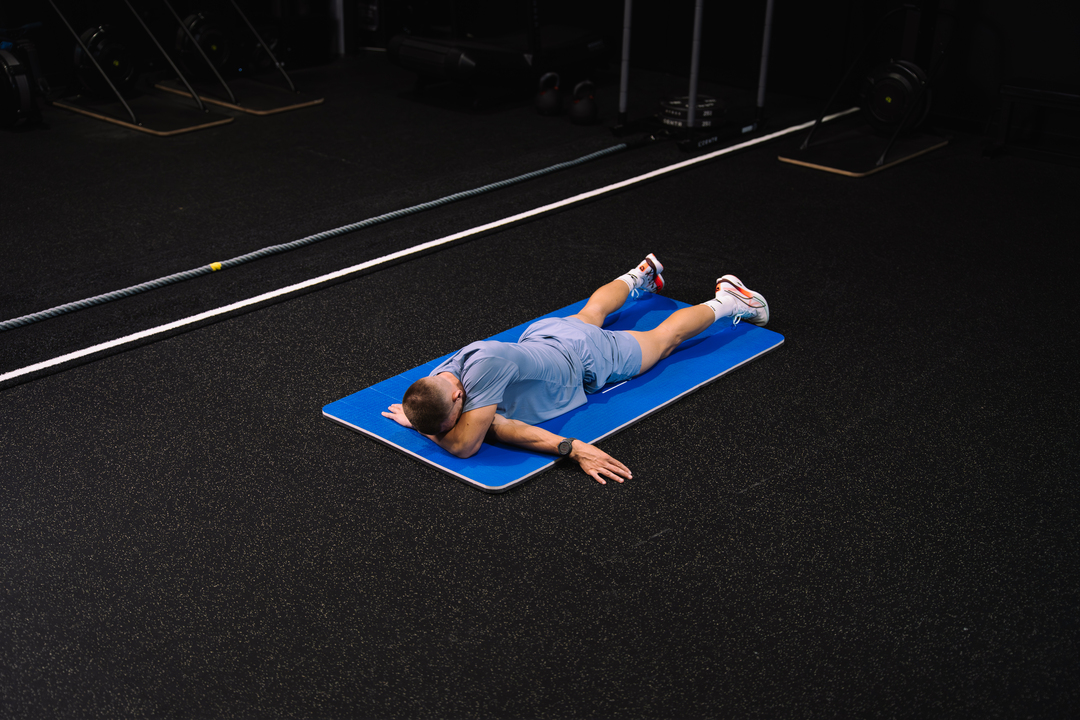
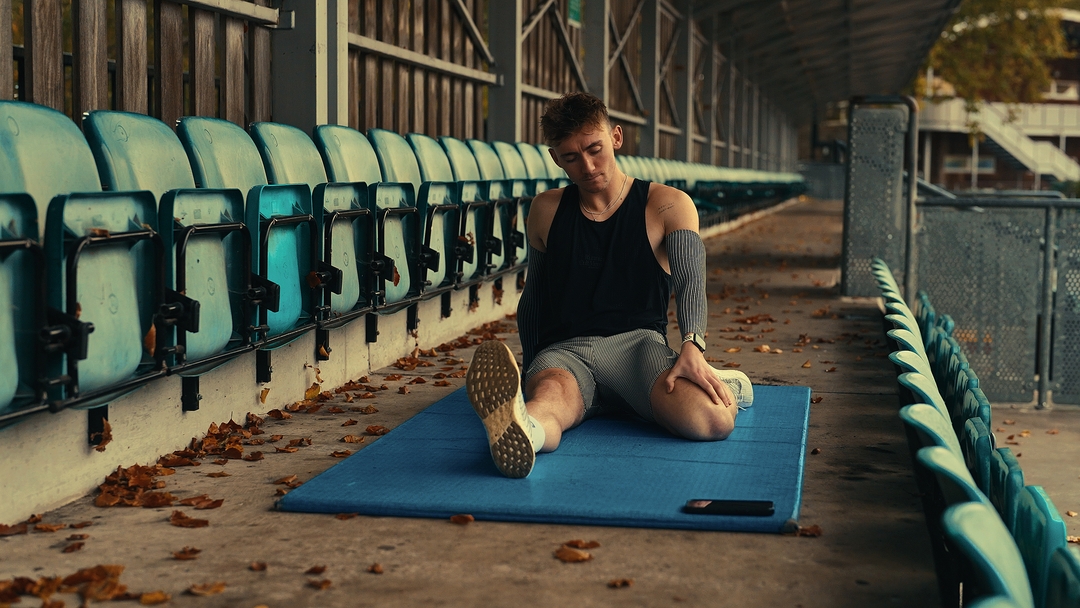
Mobility work that targets neck and shoulder strength, hip and trunk control, and fatigue-focused recovery reduces dysfunctional movement patterns, lowers the chance of awkward collisions, and shortens cumulative strain during long seasons.
The Recovery Deficit
Most teams handle warm-ups and recovery with ad hoc stretches and occasional trainer sessions, because that approach is familiar and fits tight schedules. That works until the season stretches over months, players hit fatigue cycles, and individual mobility gaps compound into positional weaknesses; then practices reintroduce risk rather than mitigate it.
Automated Athletic Longevity
Teams find that solutions like pliability compress expert-led daily mobility into brief, measurable routines, with a 3-minute assessment and personalized programs that require no equipment, turning mobility from a checkbox into a routine that reduces movement dysfunction and cumulative strain while freeing coaching time for technique and tactical work.
What Mistakes Commonly Make Prevention Fail?
A predictable failure mode is treating protective gear and rule changes as a complete solution. Helmets mitigate skull fractures and reduce some forces, but they do not eliminate brain movement inside the skull or the effects of repeated sub-concussive hits. Another common error is letting mobility become episodic: teams run a warm-up sequence, then drift back to habit.
This pattern holds until a single season of overuse or a string of ignored symptoms leads to long-term decline.
How Do We Change the Incentives So Prevention Actually Sticks?
Start by making mobility measurable and team-friendly. When programs adopt daily, expert-guided mobility that takes minutes and ties to simple assessments, accountability rises because coaches can track progress without adding hours to practice. Parents respond when they see objective trends rather than vague assurances, and athletes accept routines that improve performance right away.
The combined effect is behavior that reduces exposure pathways and shortens symptom windows when injuries happen.
Reclaiming the Intervention Window
A final human note about why this feels urgent: too often, families describe a slow erosion, a promising kid who becomes distant and unfocused over a season or two, and by then the choices are narrower. Recognizing the early patterns, making mobility and recovery routine, and changing practice design are the practical levers that actually shift outcomes.
But the most surprising part of the story is still ahead, and it changes how we think about preventing damage over a lifetime.
Related Reading
- Injury Prevention Strategies
- What is Injury Prevention
- Cold Therapy for Athletes
- Can Tennis Elbow Cause Shoulder Pain
- Basketball Injury Prevention
- How to Prevent Pickleball Injuries
- How To Stop Wrist Pain From Lifting Weights
- Most Common Tennis Injuries
- How to Prevent Knee Pain When Running
- How Can You Prevent Injury While Cycling
- Injury Prevention for Athletes
How CTE Develops and Why Prevention Matters
-min.jpg)
Repeated head impacts injure the brain through mechanical forces that set off a slow, biological unraveling, and that cumulative process drives long-term risk. We now know that countless smaller hits, added up over years, can produce the same harmful cascades as an obvious concussion, so the idea that “only professionals are at risk” is false and dangerous.
How Do Physical Blows Become a Long-Term Disease?
When the skull stops but the brain keeps moving, the brain’s fine wiring stretches and shears, especially during rotational acceleration. That produces diffuse axonal injury, tiny blood vessel damage, and a burst of inflammation that taxes cellular repair systems.
The Silent Decay
Over months and years, misfolded tau proteins can accumulate and spread along neural pathways while chronic inflammation and impaired waste clearance leave neurons more vulnerable, a process that moves quietly and eventually degrades circuits that control mood, memory, and movement.
Picture the brain like a delicate suspension bridge: repeated flexing at weak points creates tiny fractures that, left unchecked, widen into structural failure.
Why are Nonprofessional Players Actually Exposed?
This pattern appears across youth clubs, high school teams, and amateur combat gyms: coaches and athletes lack clear thresholds for dangerous exposure, so practice routines and sparring intensity are governed more by tradition than data, which increases cumulative hits.
The clinical reality is stark, seen in postmortem work such as CTE found in 99% of brains donated by former NFL players, a 2025 NIH finding that underscores how common the pathology was in that sample and why donated-brain studies reveal worst-case patterns.
The Threshold of Exposure
Another signal comes from broader samples; for example, over 90% of former football players studied showed signs of CTE, reinforcing that cumulative exposure, rather than professional status, is the key factor in these cohorts.
These results come from autopsy series and are subject to selection bias, but they expose a simple truth: repeated sub-concussive impacts in practice and games accumulate, and amateurs can accrue a dangerous dose over time.
What Symptoms Can Show Up Long After Play Ends?
Years or decades after exposure, people can develop personality changes, worsening executive function, new impulsivity, depression, chronic headaches, sleep disruption, slowed movement, and, in some cases, Parkinson-like signs and speech problems.
Those late-emerging problems reflect progressive loss of specific networks rather than a single isolated injury, and because they overlap common psychiatric and neurodegenerative diagnoses, they are frequently misattributed until the pattern of decline becomes unmistakable.
Clinically, the failure mode is clear: subtle early changes are tolerated or explained away, and the window for mitigating downstream damage narrows.
The Cost of Conventional Warm-Ups
Most teams treat mobility and conditioning as optional; here’s why that backfires, and what better looks like. Most teams handle warm-ups and conditioning by sticking with familiar routines because they are simple and fit schedules.
That works until inconsistent protocols let mobility gaps and asymmetric strength persist across a season, creating predictable positional vulnerabilities and raising the odds of awkward collisions.
Scaling Elite Longevity
Teams find that platforms like pliability, with expert-led daily videos, a 3-minute mobility assessment, and personalized, no-equipment programs, create daily consistency and measurable improvements in neck, trunk, and hip control, which reduces movement dysfunction and the cumulative strain that translates into higher head-impact forces.
Practical Takeaways for Coaching and Training Choices
If you coach or train a season, track exposure rather than relying on intuition: count contact reps, limit hard-contact sessions in a week, and prioritize sleep and targeted recovery so the brain’s clearance systems and inflammation resolve between sessions.
The Suspension System of the Body
View neck and trunk control as primary mitigation: improved cervical mobility and timing of trunk bracing lower head acceleration during collisions, the same way a tuned suspension reduces jolts to a car’s cabin. Those are coachable, measurable changes you can implement immediately without waiting for new equipment or policy shifts.
How to Prevent CTE in Football
.jpeg)
Layered defenses work best: better-fitting, energy-managing helmets and impact sensors help, but you still need coachable technique, strict sideline protocols, and youth rules that limit early high-exposure play. Each element reduces different parts of lifetime risk, so combine equipment upgrades, drill design, medical oversight, and policy changes rather than relying on any single fix.
What Makes Modern Helmets and Mouthguards Help?
Helmet design has moved from single-shell padding to systems that manage both linear and rotational forces through multiple layers, slip planes, and tuned foams, and fit matters as much as the shell. Instrumented mouthguards and helmet sensors now provide objective exposure data, allowing medical staff and coaches to separate a noisy sideline from a real injury signal.
Those data streams let teams track cumulative hits over weeks, identify players who need rest, and review specific plays with video, turning anecdote into evidence.
How Do You Change Practice Design and Tackling to Lower Head-Impact Counts?
This is a problem-first opening: when practices pile high-velocity collisions into repeat sessions, exposure accumulates even if no single hit looks catastrophic. Limit the number of live-contact windows, change drills so contact is short, technical, and deliberate, and teach tackling as a sequence of body mechanics rather than a moment of force.
At the program level, the payoff is measurable: according to Boston University research, implementing a 10% reduction in contact practices can decrease concussion rates by 30%, demonstrating that small, consistent practice changes can scale into significant injury reductions over a season.
What Specific Technique Work Reduces Head Exposure During Collisions?
Pattern recognition shows coaches who break tackling into four progressions get better outcomes: slow-motion technical reps, contact against pads, controlled two-player live work, then full-speed situational reps with strict caps. Emphasize shoulder-first contact, consistent head-positioning cues, and trunk-bracing drills that time hip and core engagement before contact.
Pair those drills with simple neck-strength protocols, for example, daily resisted nods and controlled rotational holds, tracked as three-week progressions so you can see objective gains in range or force tolerance.
The Trap of Routine
Most teams manage mobility and recovery as a checkbox, and that comfort creates hidden cost.
The familiar approach is a once-a-week strength or stretching block that fits schedules. What happens then is predictable: asymmetries persist, fatigue accumulates late in the season, and technique frays when players are tired, which raises collision risk.
Quantifying Injury Resilience
Teams find that platforms like Pliability provide expert-led daily sessions, a quick mobility assessment, and personalized progressions that keep neck, shoulder, and trunk timing consistent, turning ad hoc warm-ups into measurable routines that reduce late-season technique breakdowns and the high-risk impacts they cause.
How Should Concussions Be Monitored and Managed in Practice and Games?
- Specific experience across programs shows the failure point is delayed detection, not lack of care.
- Establish immediate removal for any suspected head injury, and use baseline cognitive and vestibular testing.
- Apply quick vestibular-ocular-motor screens on the sideline, and re-check symptoms at 24 and 48 hours with objective tests rather than yes/no checklists.
- Add independent medical observers and routine video review so subtle signs missed live can be caught and acted on afterward.
- Standardize graduated return-to-learn and return-to-play steps, with symptom-free progression verified by a clinician before each stage.
Which Policy Changes Shift Lifetime Exposure for Kids?
This is constraint-based: if youth leagues allow early, high-frequency tackle, cumulative exposure grows before players can consent to risk; when programs set age and contact limits, exposure falls.
The Vulnerability Threshold
The evidence is stark: young players face markedly different lifelong odds, as Boston University (2024) reports that those who start tackle football before age 12 are three times more likely to develop CTE, highlighting how age thresholds and non-contact alternatives serve as powerful policy tools.
Practical rules that reduce lifetime risk include clear age cutoffs for body-checking or heading, hard caps on weekly live-contact reps, mandatory exposure logs, and funded access to independent medical staff for every game.
A Quick, Vivid Comparison to Hold in Mind
Think of prevention like maintaining a high-performance car: good tires and shocks help, but you still need disciplined driving, scheduled maintenance, and speed limits in school zones; skip any layer and the system fails.
That solution sounds straightforward until you see how incentives, schedules, and local culture bend behavior in practice.
Related Reading
- Do Muscle Tears Heal On Their Own
- Forearm Strain
- How Can Strengthening Muscles Prevent Injury
- Quad Strain Recovery Time
- Urgent Care For Pulled Muscle
- How To Heal A Calf Strain Quickly
- How To Prevent Hamstring Injuries
- How Long Does a Sprained Knee Take to Heal
- How Does Stretching Prevent Injury
- How Long Should Swelling Last After an Injury
- How To Strengthen Shins For Running
- Athletic Injury Recovery
Building a Culture of Safety on and off the Field
.jpeg)
Education has to be practical, routine, and tied to clear behavior, not a lecture once a season. Train coaches, parents, and players in short, repeatable modules that teach what to look for, how to respond, and how to protect reporting players from punishment; then measure adherence so it becomes part of the team habit rather than an afterthought.
How Should Coaches, Parents, and Players Learn Differently?
When we build curricula for teams, the pattern is obvious: long classroom talks do not stick. Short field demos, three-minute video lessons for parents, and role-play with specific scripts for sideline conversations work far better.
Safety as a Skill
Coaches need simple checklists they can use without breaking practice flow, parents need plain-language symptom cards to carry to games, and players need rehearsed language to report concerns without sounding like they are quitting. This approach treats education like training, not propaganda: skills are practiced, assessed, and repeated so they survive fatigue and pressure.
What Gets Players to Speak Up?
The failure point is social cost. If reporting a headache means losing a scholarship rep or being mocked, athletes will hide symptoms. Solve the social problem, not just the medical one. Use no-fault reporting rules, guarantee a neutral medical evaluation before discipline, and practice scripted responses so teammates normalize stepping out for checks.
Make reporting binary and fast: a one-tap app entry or a sideline card, immediate removal, and a documented follow-up. Video review after the fact, combined with objective sideline screens, reduces reliance on self-report alone and provides coaches with neutral evidence to support safe decisions.
The Fragility of One-Offs
Most teams handle education through occasional meetings and taped presentations, and that familiarity is why it persists. The hidden cost is fragmentation: attendance drops, messages drift, and what was taught in August is forgotten by October, leaving coaches improvising under pressure.
Education Through Integration
Teams find that solutions like pliability, with expert-led daily videos, a three-minute mobility assessment, and personalized programs requiring no equipment, turn education into a repeatable daily habit, giving staff measurable progress and players a predictable routine that reinforces safe movement and consistent reporting practices.
How Do You Build Long-Term Brain Health Habits That Actually Stick?
Treat nutrition, sleep, and cognitive work as training blocks, not optional lifestyle essays. Schedule sleep windows, not just targets: hold a team-wide sleep curfew the night before heavy-contact days, remove screens 60 minutes before lights-out, and teach quick wind-down rituals such as 10 minutes of breath pacing.
Fueling Cognitive Resilience
For nutrition, prioritize protein-rich meals around practice and recovery sessions, and make hydration protocols explicit to preserve cognitive function when fatigue hits. For cognition, assign brief, progressive reaction-time and dual-attention drills twice weekly, plus vestibular-ocular tasks after contact sessions to screen for subtle changes.
These practices become protective only when tracked and made routine, like lifting cycles or film study.
What About Emotional Barriers and Family Decisions?
Parents feel torn between protecting their children and providing opportunities, and players fear losing status. A practical response is a written family-team compact, signed at season start, that guarantees medical-first decisions, outlines protections for reporting, and defines non-contact alternatives for skill development.
The Blueprint for Sideline Clarity
In youth programs we supported, teams that formalized expectations and delivered a five-week parent primer had clearer sideline decisions and less conflict when injuries occurred, because everyone knew the protocols ahead of time. That predictable social structure reduces the pressure that drives hidden symptoms.
How Should Programs Measure Success So Education Does Not Drift?
Track simple, objective behaviors: reporting events per week, sideline removals, follow-up compliance, and completion of short training modules.
The Power of Scalable Metrics
That kind of measurement scales: studies show measurable training campaigns lead to organizational improvements, as seen with a 50% increase in employee safety training participation at eMaxx Assurance Group of Companies, demonstrating that repeatable, short training modules boost engagement, and similar tracking in sport programs enhances accountability.
Routine Drives Compliance
Programs that lock training into routine cycles achieve higher compliance, consistent with findings such as a 30% improvement in safety compliance at eMaxx Assurance Group of Companies (2025), reinforcing the idea that measurable safety processes drive better behavior when embedded in daily work.
That simple progress metric keeps education from being aspirational and makes it operational, which is how culture changes, slowly but permanently.
What We Do Next Matters More Than What We Intend To Do
That straightforward fix sounds like the end of the story, but the next part reveals why habit and timing change everything.
Reduce Injury Risk With Targeted Athletic Mobility Today
Preventing CTE isn’t just about helmets — it starts with a strong, flexible body and neck, proper recovery, and mobility to reduce impact risk. Pliability helps athletes improve flexibility, strengthen stabilizing muscles, and recover faster, reducing the risk of injury on and off the field.
With Pliability, you can:
- Access a vast library of mobility and recovery exercises designed for performance-oriented athletes
- Get daily-customized programs to improve strength, range of motion, and resilience
- Use the body-scanning feature to target weak spots and prevent injuries before they happen
- Complement your football training, from youth leagues to professional programs
- Trusted by athletes and trainers, Pliability makes staying safe, flexible, and strong simple.
Get 7 days free today and start building mobility habits that protect your body — and your brain — while improving performance on the field.
Related Reading
- How To Prevent Stress Fractures From Running
- How To Fix Lower Back Pain From Running
- Care And Prevention Of Athletic Injuries
- Knee Injury Prevention Exercises
- Compression Therapy For Athletes
- Soccer Injury Prevention Exercises
- Best Foam Roller For Runners
- Ankle Injury Prevention Exercises
.jpg)