%20(1).webp)
How To Prevent Pickleball Injuries Before They Sideline You
.webp)
Pickleball looks harmless until it isn’t. One awkward lunge at the kitchen line, a quick pivot chasing a drop shot, or a long rally on tired legs, and suddenly a sore knee, tweaked shoulder, or strained Achilles starts calling the shots. What makes pickleball tricky is that it feels low-impact, which is exactly why so many players skip warm-ups, overplay, or ignore early warning signs. The result? Injuries that don’t come from one big moment, but from small stresses piling up fast. This guide breaks down how pickleball injuries actually happen, what are injury prevention strategies and what you can do before pain sidelines you, so you can keep playing consistently, confidently, and without fear of the next misstep.
Pliability's mobility app offers short guided warm-ups, mobility drills, and recovery sessions you can follow before and after play to reduce overuse, build shoulder and knee resilience, and keep you on the court.
Summary
- Pickleball injuries surged with a 150% increase from 2020 to 2022, and over 36,000 pickleball-related injuries were reported in 2022, reflecting how rapid novice growth drove more emergency visits.
- Clinics distinguish acute trauma from cumulative overuse, and about 30% of players experience overuse injuries, which often evolve into tendinopathy or require surgical intervention when conditioning is rushed.
- Poor preparation is a measurable risk: roughly 20% of injuries are linked to improper warm-ups, and over 50% of players experience mobility-related problems, indicating that joint readiness is a major factor in injury rates.
- Simple routines reduce risk; for example, a 5 to 10-minute RAMP-style pregame sequence and targeted postgame stretching, which studies suggest can lower injury risk by around 30%.
- Manage load deliberately, increasing court minutes by no more than 10 to 15 percent per week and favoring frequent micro-doses of mobility and strength work rather than sporadic high-intensity spikes.
- Treat pain as data: pause if discomfort worsens across two sessions or if movement quality drops by more than 20 percent, and use short movement screens to detect asymmetries before they require lengthy rehab.
Pliability's mobility app addresses this by guiding short warm-ups, mobility screens, and brief recovery sessions that quantify readiness and flag deficits before they become injuries.
Why Pickleball Injuries Are Surging Among Recreational Players
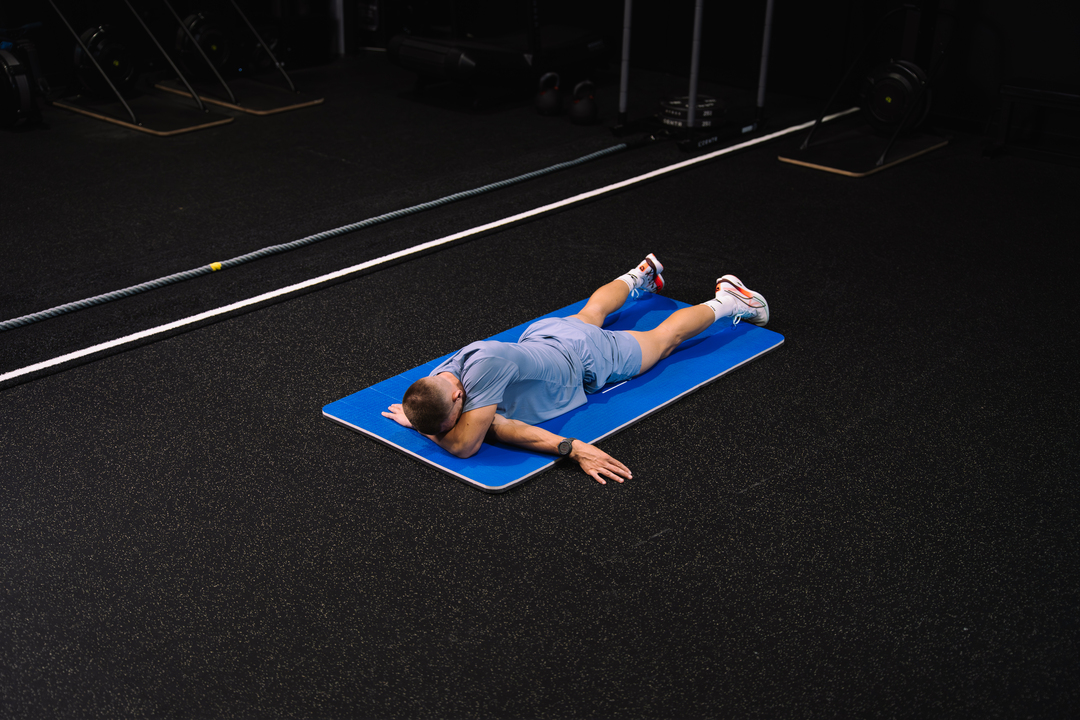
Shoulder, elbow, knee, Achilles, and lower back problems top the list, and they increasingly show up in casual, enthusiastic players rather than touring pros. You’ll see two patterns most often. Sudden falls or missteps that cause fractures and sprains, and repetitive arm and shoulder loading that produces tendinitis, rotator cuff issues, and “pickleball elbow.”
What Are the Most Common Injuries You See in Pickleball Players?
Clinics treat two broad types of injuries: acute and cumulative. Acute injuries come from falls or a mistimed lunge and often involve the wrist, radius, or shoulder; cumulative injuries grow from repetitive swings and quick directional shifts and produce tendinopathy, lateral epicondylitis, and rotator cuff irritation.
Since 2020, orthopaedic teams have noticed more severe cases that require surgery, like full-thickness rotator cuff tears or Achilles ruptures, usually in players who accelerated their play without progressive conditioning.
What Makes These Injuries Unique to Pickleball?
The game packs explosive starts and stops into a smaller court, so you get high-intensity motion in short bursts plus repeated arm swings with a light paddle. That combo exposes weak links:
- Poor balance can lead to a fall
- A subtle shoulder weakness becomes a rotator cuff tear
- Repetitive wrist motion becomes epicondylitis
Think of it as sprint training on a postage-stamp field; the space forces sharp decelerations and awkward reaches that the body often is not prepared to handle.
Do You See More Injuries in Older Adults?
Yes, age changes the equation. Players over 60 have higher rates of bone fragility and lower muscle reserve, so the same fall that would only bruise a younger player can produce a fracture or prolonged recovery in an older adult. That does not mean stop playing; it means check bone health with a DEXA scan if you have risk factors, add balance and eccentric strength work to your routine, and prioritize recovery between sessions.
Most Common Pickleball Injuries
Sprains
Ankle and knee sprains happen when a planted foot twists during a sudden change of direction. Prevention focuses on proprioception drills, lateral strength, and supportive footwear with stable soles.
Strains
Muscle or tendon strains occur when players push past fatigue, especially late in a match. Progressive conditioning and scheduled rest are the simplest, most effective defenses.
Achilles Tendinopathy
Rapid sprints and repeated forward lunges load the calf-ankle complex. Eccentric calf-strengthening and gradual mileage increases reduce flare-ups and lower rupture risk.
Hip Injuries
Tight hip flexors or weak glutes make lateral shuffles and pivots risky. Incorporate hip-strength and mobility work, and avoid abrupt increases in play time.
Hand Injuries
Wrist fractures and finger jams often follow a fall on an outstretched hand or a paddle collision. Wrist braces and practiced fall techniques can limit damage.
Bone Fractures
Falls on hard courts are the common mechanism for fractures, particularly to the arm. Strengthen descending reactions and practice safe diving decisions; sometimes the smart play is to concede the point.
Ankle Injuries
Inversion sprains and contusions come from quick cuts and uneven steps. Balance boards, taped support, and court awareness lower the incidence.
Lower Back Injuries
Prolonged hunched, ready postures and repeated rotational force irritate the lumbar spine. Core stabilization and hip mobility work reduce mechanical stress.
Falls
Slips and dives produce a disproportionate share of serious injuries. Improving reactive balance and teaching safer recovery mechanics matter more than one-off flexibility drills.
Elbow Injuries
Lateral epicondylitis, or “pickleball elbow,” stems from repetitive wrist extension and poor technique. Load management, forearm eccentric strengthening, and grip adjustments help resolve chronic pain.
Rotator Cuff Injuries
Subtle shoulder weakness or poor sequencing during serves and volleys leads to tendinopathy and tears. Focused rotator cuff strengthening and scapular control are nonnegotiable for frequent players.
Calf Injuries
Calf strains come from sudden accelerations without adequate warm-up. Short, specific warm-ups and progressive sprint drills prevent these.
Knee Injuries
Rapid starts, pivots, and collisions aggravate existing arthritis or meniscal tears. Strengthening the quadriceps and improving landing mechanics buys time and function.
Wrist Injuries
Repetitive striking and bracing from falls stress the wrist. Technique refinement and occasional wrist support reduce flare-ups and fracture risk.
Related Reading
- Injury Prevention Strategies
- What is Injury Prevention
- Cold Therapy for Athletes
- Can Tennis Elbow Cause Shoulder Pain
- Basketball Injury Prevention
- How to Prevent Pickleball Injuries
- How To Stop Wrist Pain From Lifting Weights
- Most Common Tennis Injuries
- How to Prevent Knee Pain When Running
- How Can You Prevent Injury While Cycling
- Injury Prevention for Athletes
The Hidden Habits That Cause Most Pickleball Injuries
Overuse and sudden jumps in play predictably break down tissue, not mysteriously. Tendons and joint structures adapt slowly, so playing more without staged progression simply hands repeated microdamage to the same spot until pain appears.
How Does a Sudden Volume Spike Actually Break Tissue?
Tendons, ligaments, and the connective scaffolding around a joint adapt over weeks to months, not days, because collagen synthesis and realignment take time. When you double practice frequency or jump from casual rallies to marathon drills, microtears accumulate faster than the body can repair them.
Neuromuscular fatigue then reduces coordinated muscle support, shifting the load away from large, durable muscles and onto smaller tendon insertions. The result is focused overload, not random bad luck. Picture a rope you bend at the same place every minute; it frays in one spot, even though the rope looks whole elsewhere.
Why Does Skipping Real Readiness Matter More Than You Think?
Warm-ups are not cosmetic. They prime reflexes, increase local blood flow, and reduce joint friction, and when those processes are shortchanged, movement precision falls. That loss of precision concentrates force into the same tissue pathways on every swing or cut, which encourages tendinopathy rather than performance.
In fact, 20% of pickleball injuries are due to improper warm-up routines, which shows poor preparation creates measurable, avoidable risk in the real world.
What Patterns Turn Small Aches into Chronic Problems?
Repetition without variation, abrupt intensity jumps, and persistent play through niggles form a predictable cascade. Repeating the same motion 200 times a day without alternating load patterns limits movement variability, so the same fibers keep taking the brunt of the load.
Likewise, playing several hard sessions in a week without planned recovery compresses repair windows, letting microscopic damage become structural change. Approximately 30% of pickleball players experience injuries related to overuse, suggesting a substantial slice of injuries are not freak accidents but the consequences of how people train.
What Early Warning Signs Should Make You Stop and Reassess?
Sharp pain that follows a clear pattern, swelling after activity, or consistent performance drop along with persistent morning stiffness, are red flags, not badges of commitment. A practical rule I use in clinics is if discomfort worsens two sessions in a row or limits your movement quality by more than 20 percent, pause and treat the session as diagnostic, not heroic. Early intervention is almost always shorter and less invasive than a delayed repair plan.
How to Prevent Pickleball Injuries With Better Mobility and Recovery
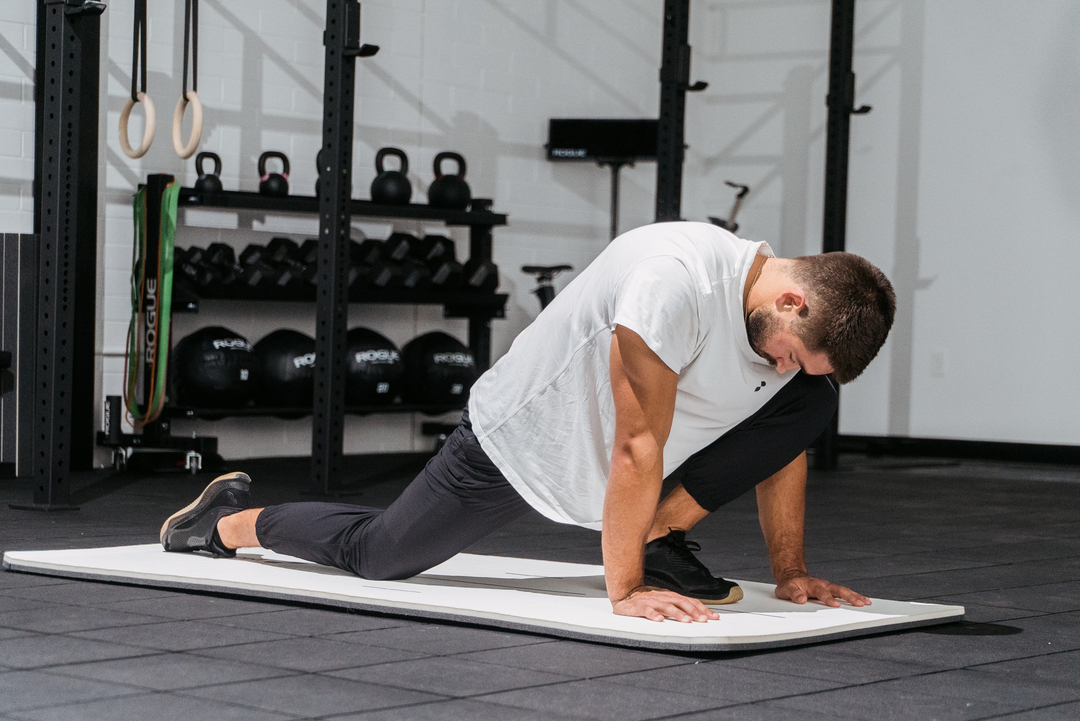
Preventing pickleball injuries comes down to preparing the body, controlling load, and recovering deliberately. Prioritize joint readiness, balanced strength, paced progression, and consistent recovery habits, and you cut the common pathways that turn small aches into weeks on the sideline.
Mobility matters as much as stroke mechanics because tight, unprepared joints change how force travels through your body and concentrate wear on the same vulnerable spots. Over 50% of pickleball players experience injuries related to poor mobility, which shows how widespread this risk is.
Warm Up Properly Before Every Game
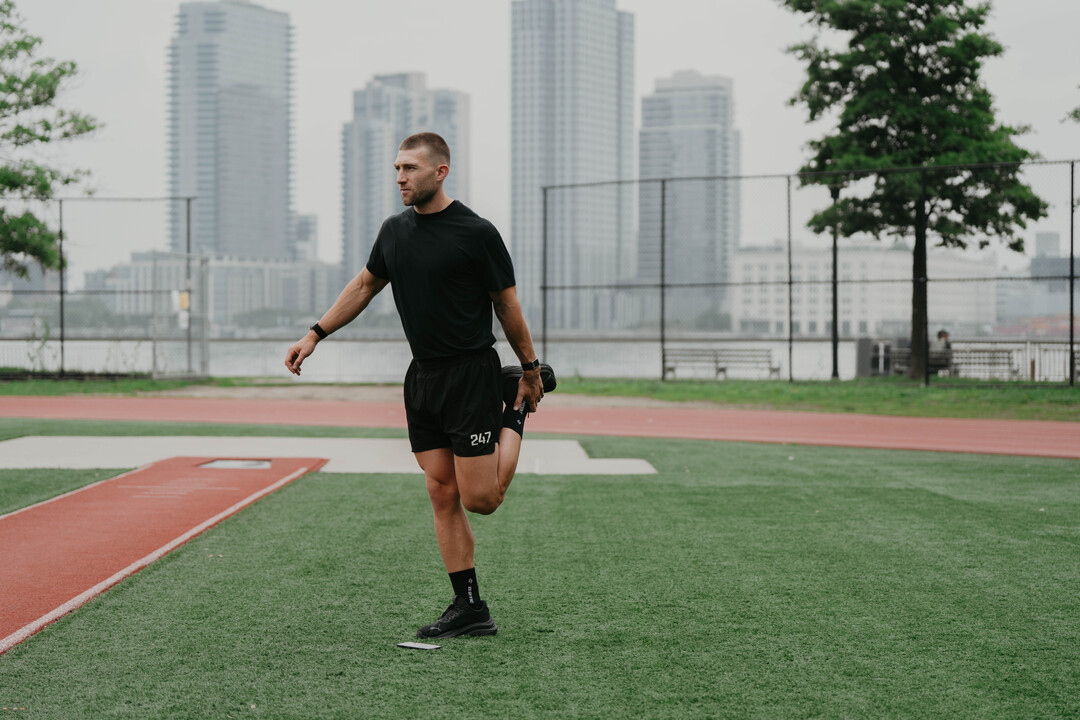
What you do in the five to ten minutes before play determines which tissues take the load. Use a RAMP-style build:
- Raise heart rate with light movement
- Activate key muscles with low-load strength drills
- Mobilize joints through their sport-specific ranges
- Potentiate with short bursts of high-intensity movement
That sequence primes reflexes and firing patterns, not just temperature, so when you lunge or pivot, your neuromuscular system already knows how to coordinate.
Warm-Up (A Recipe for Stiffness and Injury)
Why cold starts fail, physiologically, a slapped-on sprint shocks unprepared tendons and shifts load onto passive structures. Treat warm-ups as rehearsals for the exact patterns of play, not as a checklist. Slow progressions, breath control, and two-way joint movement restore lubrication and timing so power lands where it belongs, in muscle and not in tendon insertions.
The Fix: A Practical 5-Minute Pre-Game Sequence
Start with 60 seconds of brisk walking or easy sidesteps. Follow with activation sets, for example, two sets of six single-leg Romanian deadlifts per side at bodyweight, banded glute walks for 30 seconds, and 10 slow controlled paddle swings to sync shoulder timing. Finish with two 10-meter high-intensity shuffles to practice quick decelerations. Keep it crisp, accurate, and repeated before each session to build readiness.
Stretch After Playing
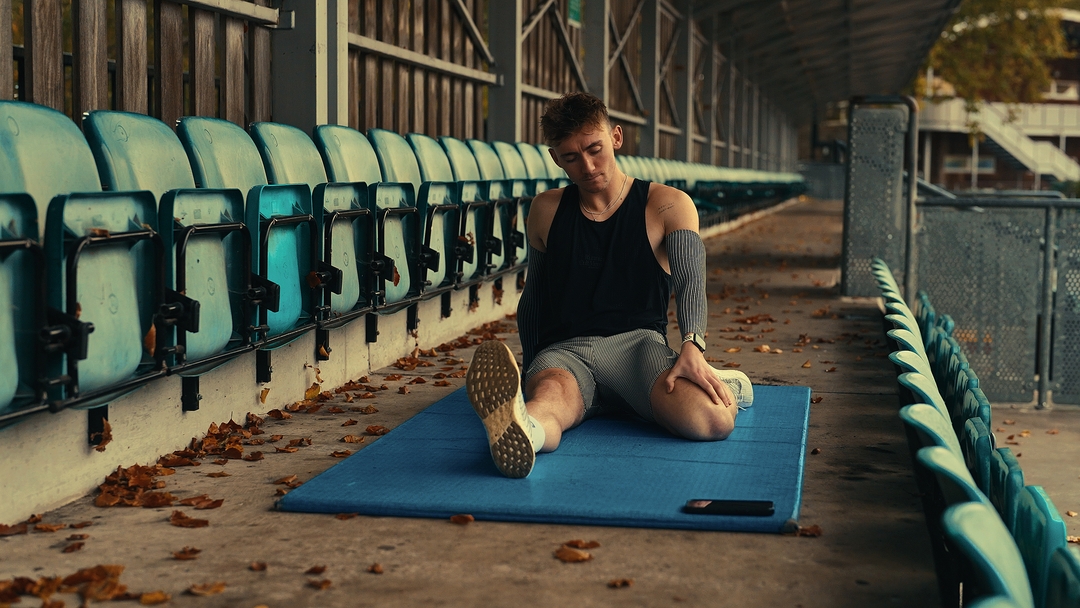
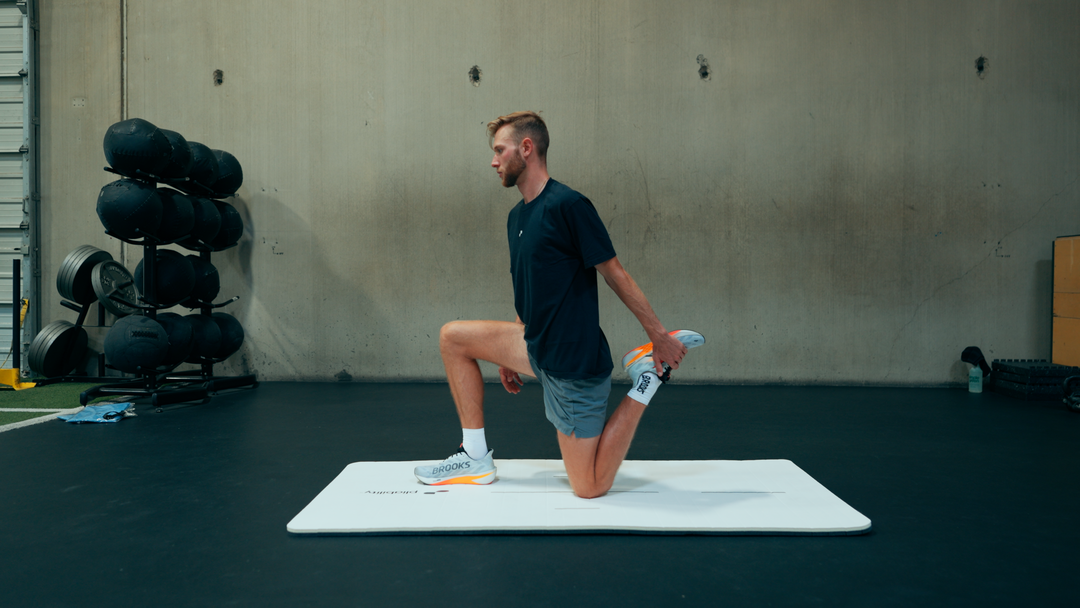
Stretching after a match is not optional; it is injury prevention in practice. Incorporate 90 to 120 seconds of targeted static holds for hamstrings, quads, calves, shoulders, and thoracic spine, then add a short PNF sequence for any stubborn tightness. The evidence supports this, since regular stretching can reduce injury risk by 30%, so think of postgame stretching as cheap insurance that compounds every week.
How to Stretch Without Losing Gains
Pair slow diaphragmatic breathing with each hold to encourage parasympathetic recovery and reduce tone. If you have limited time, prioritize the chains that felt loaded during play, for example, the calf-soleus and posterior chain after a lot of forward lunges. Finish with 2 minutes of foam rolling through the largest tight regions to accelerate clearance and movement quality.
Stay Hydrated
Hydration is mechanical. Even small fluid deficits raise heart rate, reduce muscular endurance, and blunt fine motor control, so plan fluids around sessions:
- Roughly 500 milliliters two hours before play
- Sip 150 to 250 milliliters every 15 to 20 minutes during long sessions
- Replenish with a drink containing sodium if you sweat heavily
Watch urine color and pregame thirst as quick checks, but build the habit so hydration is automatic, not reactive.
Wear Proper Footwear
When working with weekend players across a three-month coaching cycle, the pattern became clear. Wide feet crammed into narrow court shoes, or players wearing running shoes, can lead to ankle irritation and early fatigue.
Choose court-specific shoes that match your foot width, offer lateral stability, and have a lower heel-to-toe drop for better ground reaction control. If you still feel hot spots, try custom or over-the-counter orthotic inserts, test a half-size up, or use double socks for padding.
Cross-Train to Build Strength and Balance
Cross-training is not optional maintenance; it is insurance against breakdown. Schedule two non-court sessions per week focused on posterior chain strength, single-leg control, and scapular stabilizers. Emphasize eccentric loading in calf and forearm work, 3 sets of 6 to 10 slow reps, which builds tissue tolerance more reliably than purely concentric drills.
Cross-Training for Strength and Stability
Progress from basic bodyweight patterns to loaded variations across 6 to 10 weeks. Example microcycle:
- Week 1 to 2: 3 sets of single-leg box stands and banded lateral walks
- Week 3 to 4: Add loaded step-ups and barbell Romanian deadlifts
- Week 5 onward: Include reactive lateral hops and medicine ball rotational throws to translate strength into sport-specific power.
Take Rest Days Seriously
Rest days are where adaptation happens, not a reward for laziness. Alternate full rest with active recovery, such as a 20-minute mobility flow or an easy swim. Use simple metrics to guide downtime, for example, persistent performance drops across two sessions or waking soreness that does not ease with movement, and scale back session intensity by 30 to 50 percent until recovery markers normalize.
Correct Technique and Body Mechanics
Technique is a durability strategy, not just scoring. Video one session every two weeks and compare movement angles, step width, and shoulder sequencing. If you notice repeated compensations, convert that into a focused two-week drill plan. Break the stroke into three micro-skills, practice each at half speed, then rebuild the full motion so quality is rehearsed, not hoped for.
Improve Your Court Awareness
Court awareness prevents many collisions and risky recoveries. Use simple verbal cues with partners, such as calling balls early and agreeing who takes middle drives. Practice turning to chase lobs rather than backing blindly, and train reactive balance with partner-toss drills that simulate interrupted movement so your fall choices are practiced, not improvisational.
Strengthen Your Core and Lower Body
Build a core that transfers force instead of absorbing it, with three weekly micro-sessions of anti-rotation carries, split-squat progressions, and loaded glute bridges. For each exercise, use time under tension, 3 sets of 8 to 12 controlled reps, and add eccentric emphasis every other week to strengthen tendons and reduce flare-ups.
Use Supportive Gear if Needed
Braces, compression sleeves, and orthotics reduce pain signals and stabilize weak joints while you rebuild capacity. Treat them as a bridge to stronger tissue, not a permanent fix. Use a brace for short-term protection after an injury or during a phased return, then progressively remove support as strength and proprioception improve.
Listen to Your Body’s Warning Signs
Sharp, localized pain, swelling, or a consistent 20 percent dip in movement quality across two sessions are red flags. Convert pain into data, including recording the rate of discomfort, when it started, and which movement reproduces it. Early, short-term rest and targeted rehab reduce downtime far more than heroic play followed by extended forced rest.
Play at a Level That Matches Your Fitness
Match intensity to capacity by using a simple rule. If you cannot sustain good mechanics for three consecutive games, step back. Ease into higher-level play with deliberate progression, for example, increasing minutes on court by no more than 10 to 15 percent per week and reserving high-intensity drills for one planned session.
Stay Active Outside Pickleball
Maintain cardiovascular base and resistance work in the off-court week to preserve tissue tolerance. Even a twice-weekly, 30-minute strength or aerobic session keeps connective tissue adapted and reduces the risk of sudden overload when you return to play.
Know Your Limits
Learning your limits is a skill. Track which movements cause recurring irritation and reduce or modify them until you can strengthen around the fault. That discipline prevents the classic cycle of flare, ignore, flare again.
Related Reading
- Do Muscle Tears Heal On Their Own
- Forearm Strain
- How Can Strengthening Muscles Prevent Injury
- Quad Strain Recovery Time
- Urgent Care For Pulled Muscle
- How To Heal A Calf Strain Quickly
- How To Prevent Hamstring Injuries
- How Long Does a Sprained Knee Take to Heal
- How Does Stretching Prevent Injury
- How Long Should Swelling Last After an Injury
- How To Strengthen Shins For Running
- Athletic Injury Recovery
A Smarter Way to Keep Playing Pain-Free Long Term
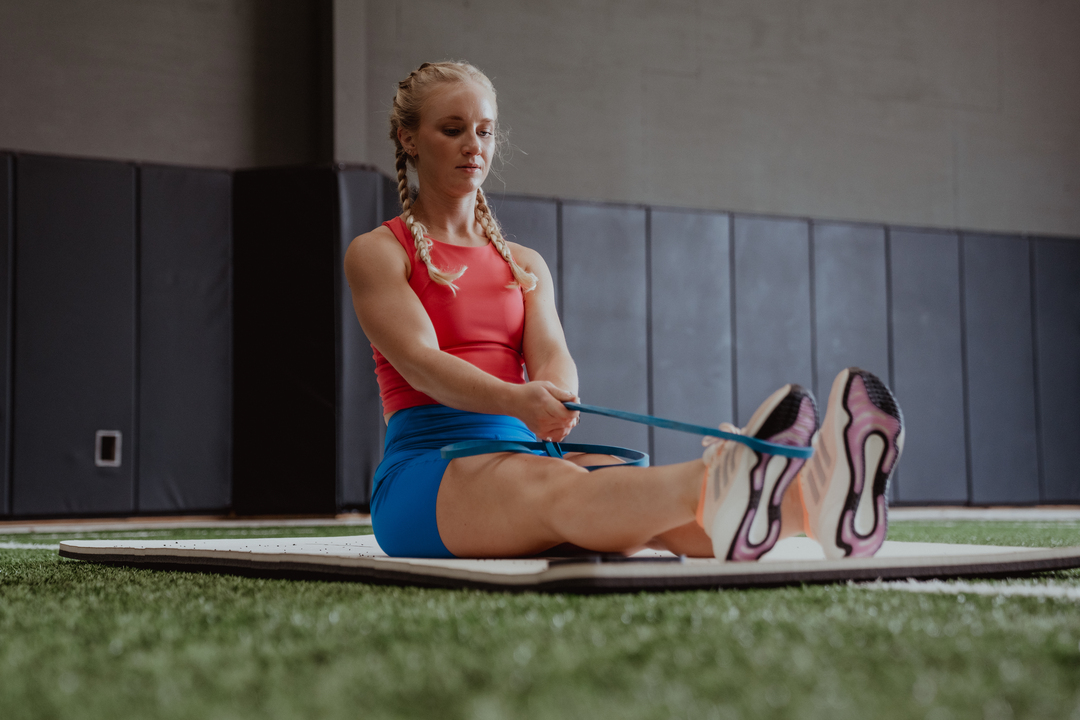
Consistency beats intensity. Daily, short practices that prime joints and the nervous system protect more than sporadic hard workouts, and you make that inevitable with simple tools. Use apps and wearables to translate readiness into actions, schedule low-load recovery, and flag early warning signs so small fixes replace long layoffs. Prevention is doing the little things reliably, not heroics once pain appears.
Which Tools Actually Change Behavior and Reduce Risk?
Most players try fixes that look impressive but don't stick. Simple habit builders, like apps that require two to eight minutes of guided mobility or recovery each day, win adherence because they remove decision friction and reward streaks. Devices that nudge you at the same time each day, or that replace a vague “warm up” with a 3-minute guided sequence and a completion badge, convert intention into a repeated behavior you can measure.
What Tech Gives Meaningful Joint and Tissue Feedback?
Wearables that track heart rate variability, sleep, and movement volume provide context for when to push and when to back off, and smartphone movement-tracking apps quantify range of motion and asymmetries without expensive lab tests.
Percussive tools and self-massage devices reduce local tone and improve movement quality when used daily for short, targeted sessions; pneumatic compression systems speed metabolite clearance after heavy practice. Pair those with a mobility app that records baseline screens and shows progress, and you replace guesswork with a simple plan.
How Do Programs Keep People Consistent Without Burning Them Out?
The same failure pattern shows up across casual leagues and solo players. Rigid programs that demand long sessions collapse into missed weeks, while tiny, repeatable routines survive.
Design programs in micro-doses, for example, a five-minute reactive balance drill plus a three-minute shoulder rhythm set after every play day, and build the week from those micro-habits. When you scale this approach, the hidden payoff is resilience, because tissues adapt to frequent low-load stimulus more reliably than to rare high-load spikes.
Why Rely on Guided Programming Rather Than Self-Directed Fixes?
The familiar approach is to Google stretches and try whatever looks right. That works until mobility gaps or loading imbalances persist silently, and then injuries follow. The hidden cost is predictable, such as time lost chasing symptoms, conflicting advice, and cycles of stop-start rehab.
Platforms like Pliability change that pattern. They combine baseline movement screens, daily short protocols, and progress checks so players find and fix asymmetries before pain forces a long layoff. Teams and players find that structured, measurable routines keep minutes on court higher and clinic visits lower.
When Is a Clinician-Guided App Worth the Cost?
If you have recurring, pattern-consistent discomfort that returns despite rest, an app that connects screening results to clinician-reviewed progressions is not a luxury; it is risk reduction. If your play time exceeds two sessions a week or you cannot sustain mechanics for three consecutive games, move from ad hoc fixes to a guided plan because it narrows the margin for error and codifies progression.
How Does Inflammation Factor into the Recovery Strategy?
Inflammation is not only an acute pain signal, but it can also be a systemic process that alters tissue repair and pain perception, as discussed at the 10th Congress of the International Society of Systemic Auto-Inflammatory Diseases, so recovery plans must include consistent rest, sleep optimization, and progressive loading rather than relying only on icing or temporary pain-killers. Treat recovery as a regulated process, not ad hoc comfort measures.
Train Your Mobility So Pickleball Doesn’t Break You Down
You train your game, but tight joints, rushed recovery, and repetitive stress still steal time on the court, so you need a simple, reliable way to protect your body. Pickleball injuries don’t come from one bad swing; they come from tight joints, poor recovery, and repetitive stress. Staying pain-free means preparing your body as seriously as you prepare your game.
Pliability helps pickleball players move better, recover faster, and reduce injury risk with mobility training designed for real performance, not just stretching:
- Target shoulders, elbows, hips, knees, and ankles are most stressed in pickleball
- Daily-updated mobility programs that improve range of motion and joint resilience
- Built-in body scanning to identify tight or overworked areas before they turn into injuries
- Short, effective sessions that fit around your playing schedule
Whether you’re dealing with stiffness now or trying to prevent tennis elbow, knee pain, or shoulder issues, Pliability helps you stay loose, strong, and ready to play. Start your 7-day free trial on iPhone, iPad, Android, or web and keep pickleball fun, not painful.
Related Reading
- How To Prevent Stress Fractures From Running
- How To Fix Lower Back Pain From Running
- Care And Prevention Of Athletic Injuries
- Knee Injury Prevention Exercises
- Compression Therapy For Athletes
- Soccer Injury Prevention Exercises
- Best Foam Roller For Runners
- Ankle Injury Prevention Exercises
.jpg)