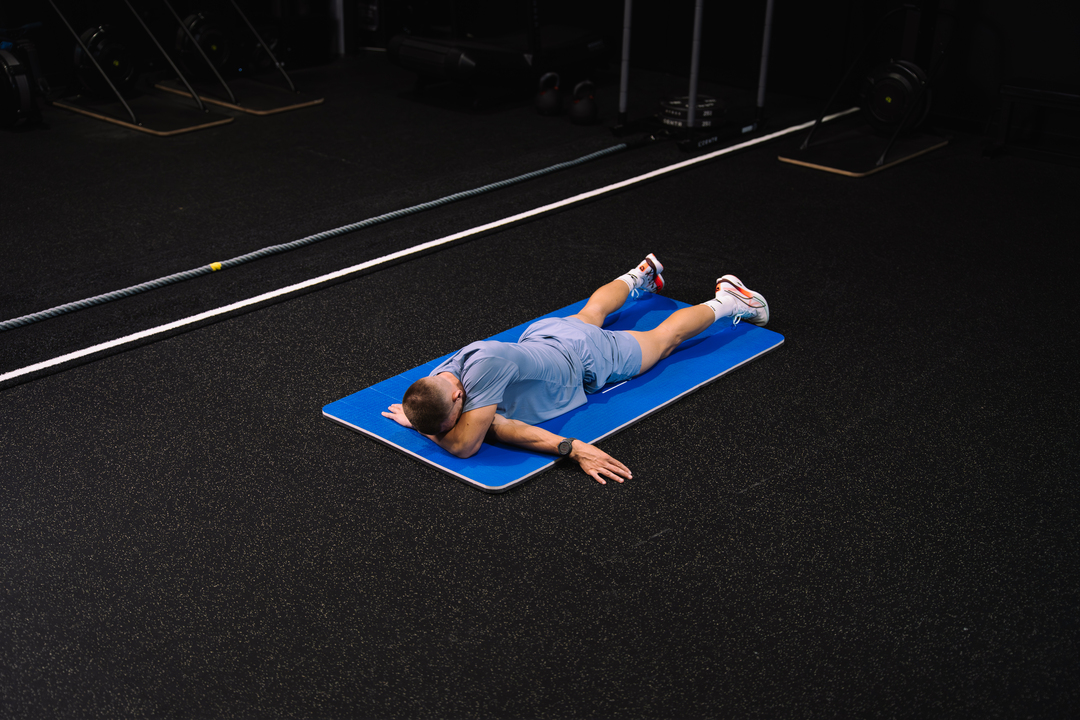
How To Stop Wrist Pain From Lifting Weights Quickly and Safely
.webp)
You've felt it before, that sharp ache in your wrist during a bench press, or the dull throb that lingers after a heavy set of overhead presses. Wrist pain from lifting weights doesn't just hurt in the moment; it threatens to derail weeks or months of hard-earned progress, forcing you to skip workouts or scale back when you should be pushing forward. This article will show you how to stop wrist pain from lifting weights by addressing the root causes, correcting your form, strengthening the right muscles, and building the wrist stability you need to lift pain-free again with strong, stable wrists so workouts feel safe, confident, and progress doesn't stall or set you back.
That's where Pliability's mobility app becomes your training partner. Instead of guessing which stretches or exercises might help, you get targeted routines designed to build wrist strength, improve flexibility, and restore the range of motion that keeps your joints protected under load. The app guides you through movements that address the specific weaknesses causing your discomfort, so you can return to lifting with the confidence that your wrists can handle the weight you're putting on them.
Summary
- Wrist pain during lifting typically stems from weak forearms and poor grip strength that haven't kept pace with progressive overload. When grip strength lags behind the loads you're lifting, your wrists compensate by bending into unsafe angles, forcing ligaments and tendons to absorb stress that the muscle should be managing. Physical therapist Ben Alldis notes that "people will increase the weights they are using before properly building up the grip strength to support the increased load," creating excessive pressure on joints that leads to pain and injury over time.
- Poor wrist positioning creates enormous strain on the small stabilizing structures of the joint. During bench press, many lifters let their wrists collapse backward, forcing the weight onto the heel of the palm rather than distributing it across the entire palm. Physical therapist Paige Fortney explains that "keeping your wrists in a neutral position, in line with your forearms, can help reduce discomfort and make lifting feel easier." Maintaining this alignment requires both awareness and sufficient forearm strength to hold position when fatigued.
- Overuse injuries develop when lifters layer intense training sessions on top of constant daily wrist use without adequate recovery. In a survey of 45 individuals in the weightlifting community, 43.3% reported mild wrist injuries, 50% reported moderate issues, and 6.7% reported severe conditions resulting from lifting heavy weights. These aren't freak accidents but predictable results of asking wrists to do too much, too often, without the recovery time or preparatory strength work that would allow safe adaptation.
- Rest and compression wraps manage symptoms without building the capacity wrists need to handle training stress. Taking time off reduces inflammation temporarily, but the moment you return to heavy pressing movements with the same weak forearms and limited range of motion, you recreate the exact conditions that caused the problem. Wrist wraps provide external stability that can reduce pain during sessions, but relying on them permanently prevents forearms from developing the strength to stabilize heavy loads independently.
- Tendons and ligaments need months to develop strength comparable to muscles because they have less blood supply and slower cellular turnover. This mismatch in adaptation rates is where many lifters encounter trouble. You feel stronger and can complete the reps, so you add weight, but your wrists haven't been trained to handle those forces. Approximately 65% of wrist and hand-related injuries occur in individuals engaging in CrossFit training for over a year, not because the training is inherently dangerous, but because high-frequency, high-intensity work without proportional attention to joint preparation creates conditions where overuse injuries become statistically likely.
Pliability's mobility app addresses this by providing targeted routines that systematically build wrist strength, improve flexibility, and restore the range of motion needed before problems escalate, delivered in 15-25 minute sessions designed to prepare joints for lifting demands rather than just recovering after breakdown.
What is Causing My Wrist Pain at the Gym?
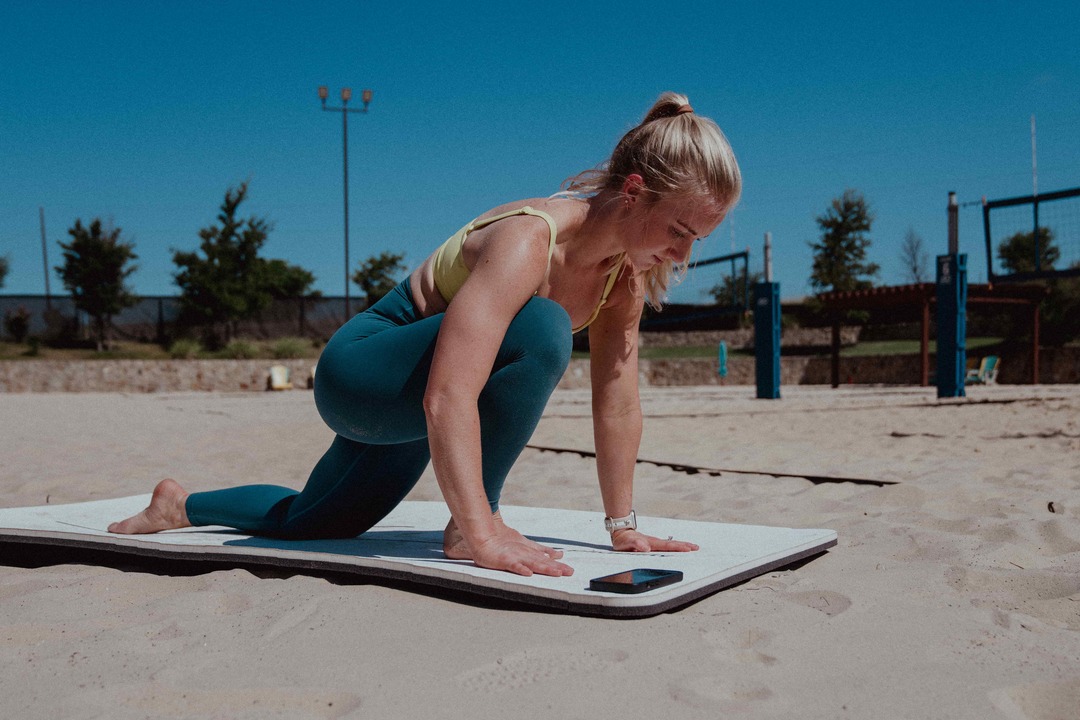
Your wrists hurt during workouts because they're absorbing stress they weren't built to handle alone. The culprit is usually a combination of weak forearms, poor positioning, or asking your wrists to stabilize weights before the surrounding muscles are ready. When grip strength lags behind the loads you're lifting, your wrists compensate, and that's when inflammation, strain, and chronic pain begin to take root.
Wrists are Delicate Joints, Not Built for Heavy Loads
The wrist is a remarkably complex joint, composed of eight small carpal bones, multiple ligaments, and tendons that must work in precise coordination. Unlike your hips or knees, which are designed to bear heavy loads, your wrists function more like precision instruments.
They're built for fine motor control and positioning, not for repeatedly absorbing hundreds of pounds of force. Physical therapist Lori Diamos, founder of Pearls from a PT, puts it plainly. "The wrist is a more delicate joint compared to some of the other weight-bearing joints, like our hips or knees. If you're not careful about how you're treating your delicate wrists, then discomfort, pain, or other symptoms may be more noticeable than in other joints."
Added Weight Exposes Wrist Weakness
When you add weight to a movement pattern that's already compromised by weakness or poor mechanics, the wrist becomes the breaking point. That dull ache after bench press or the sharp pinch during front rack holds isn't just soreness. It's your body signaling that something in the chain is failing, and your wrists are paying the price.
Weak Grip and Forearm Strength
The most common reason wrists hurt during lifting is simple. They're not strong enough yet for what you're asking them to do. Your forearm muscles and grip strength form the foundation that supports every pressing, pulling, and holding movement. When that foundation is underdeveloped, your wrists bend, twist, and compensate in ways that create excessive strain on ligaments and tendons.
Increase Weight Only After Building Wrist Strength
"Often, people will increase the weights they are using before properly building up the grip strength to support the increased load," explains Peloton instructor Ben Alldis. "This can put additional pressure on the joints and lead to wrist pain and injury over time."
The progression seems logical. You can bench press more, so you add weight. But if your wrists and forearms haven't developed the stability to control that heavier load, they'll hyperextend or collapse under pressure, forcing soft tissues to absorb stress that the muscle should be managing.
Weak Grip Causes Compensations and Wrist Pain
When grip strength is insufficient, you unconsciously recruit other muscles and joints to compensate. Your shoulders roll forward, your elbows flare out, and your wrists bend backward beyond their safe range.
This compensation pattern creates a wear-and-tear effect that accumulates with every rep, every set, every training session. What starts as minor discomfort after workouts gradually becomes persistent pain that shows up during everyday activities, like opening jars, carrying grocery bags, and even typing on a keyboard.
Poor Wrist Positioning During Lifts
How you position your wrists during exercises matters as much as how much weight you're lifting. Bending your wrists too far in either direction, forward or backward, places enormous strain on the small ligaments and tendons that stabilize the joint. In an ideal lift, your wrists should remain neutral, forming a straight line with your forearms so that force transfers through bone structure rather than soft tissue.
Wrist Positioning Errors Cause Strain
During bench press, many lifters let their wrists collapse backward, creating an angle that forces the weight onto the heel of the palm instead of distributing it across the entire hand. In front rack positions for squats or cleans, wrists often hyperextend forward, stretching the tendons on the back of the hand beyond their comfortable range.
Push-ups can be particularly problematic because your entire body weight is driven down through your hands, planted flat on the ground, and if your wrists aren't prepared for that load, they'll bear the brunt of forces they can't properly distribute.
Maintain Neutral Wrists for Pain-Free Lifting
Physical therapist Paige Fortney notes that "keeping your wrists in a neutral position, in line with your forearms, can help reduce discomfort and make lifting feel easier if you're having wrist pain when lifting."
The challenge is that maintaining neutral wrists requires both awareness and strength. Without sufficient forearm development, your wrists will naturally collapse into compromised positions as you fatigue, even if you start with good form.
Overuse and Inadequate Recovery
Wrists are working constantly throughout your day, not just during training. Every time you grip your steering wheel, hold your phone, or carry a bag, you're activating the same muscles and tendons that stabilize your wrists during workouts. When you layer intense lifting sessions on top of this baseline activity without adequate recovery, you create a perfect environment for overuse injuries.
Overuse Leads to Chronic Wrist Pain
"If you're doing too many exercises that place a lot of strain on your wrists without enough recovery, you might end up with an overuse injury or repetitive strain," Ben Alldis warns. The cumulative nature of this stress is what makes it particularly insidious. One hard workout might leave your wrists slightly inflamed.
The next session, before that inflammation fully resolves, adds more micro-damage. Over weeks and months, these small insults compound into chronic tendonitis or ligament strain that refuses to heal because you never give it the chance.
Wrist Injuries Are Common in Weightlifters
Real-world data reinforces how common this progression is. In a survey of 45 individuals in the weightlifting community, 43.3% reported mild wrist injuries, 50% reported moderate issues, and 6.7% reported severe wrist conditions resulting from lifting heavy weights.
These aren't freak accidents or genetic bad luck. They're the predictable result of asking wrists to do too much, too often, without the recovery time or preparatory strength work that would allow them to adapt safely.
Wrist Pain Disrupts Training Progress
The frustration compounds when wrist pain forces you to skip training days or reduce your volume just when you're making progress. You feel off when you miss sessions, but training through the discomfort only accelerates the damage. It's a cycle that leaves you caught between maintaining consistency and protecting your long-term joint health.
Skipping Warm-Ups and Mobility Work
Most lifters walk into the gym, load a bar, and start working sets without preparing their wrists for the demands ahead. If you don't spend time on wrist mobility and activation before strength training, the muscles and connective tissues remain tight and unprepared. This tightness restricts your natural range of motion and makes you more prone to compensatory movements that strain the joint.
Wrist Warm-Ups Prevent Injury
Warming up isn't just about raising your heart rate or breaking a light sweat. It's about taking your joints through their full range of motion, activating stabilizing muscles, and priming your nervous system to control movement under load.
When you skip this preparation, you're asking cold, stiff tissues to handle heavy weights right away. The result is often that sharp pinch or pulling sensation that tells you something isn't moving the way it should.
Mobility Is Key to Wrist Safety
Many lifters treat mobility work as optional, something to do if there's time left after the main workout. But this approach misses the point entirely. Mobility isn't recovery from training. It's preparation for it.
The wrists need deliberate movement to maintain the flexibility and control that keeps them safe when you add external load. Without it, your available range of motion gradually shrinks, your movement quality degrades, and your injury risk climbs.
Wrist Pain Shouldn’t Be Ignored
That's the reality most athletes face: wrist pain, but it's not something you should accept as normal or push through. The familiar approach is to rest when it hurts, ice it, maybe wrap it with some compression tape, and hope it feels better by the next workout.
As discomfort becomes more frequent, you start modifying exercises, avoiding certain grips, or reducing weight, all while wondering whether this is just part of long-term lifting. For many, mobility work gets dismissed as something that might help eventually but feels too slow and uncertain compared to the immediate satisfaction of adding weight to the bar.
Wrist Pain Persists Without Strengthening
But when wrist pain persists despite rest days and modified exercises, it reveals the limitation of reactive approaches. The inflammation settles temporarily, but the underlying weakness and movement restrictions remain.
As soon as you return to your normal training load, the pain returns because nothing about your wrist's capacity to handle that stress has actually changed. You're managing symptoms without addressing the root cause, which is why the cycle repeats week after week.
Previous Injuries and Underlying Conditions
Old injuries have a way of announcing themselves when you add weight to movement. That wrist sprain from years ago that seemed fully healed? It may have left behind scar tissue, reduced range of motion, or compensatory movement patterns that only become problematic when you start lifting heavy.
Previous fractures can alter the alignment of carpal bones, creating friction points and uneven force distribution that wouldn't show up in everyday activities but become glaringly apparent under a loaded barbell.
Carpal Tunnel and Wrist Conditions Affect Grip Strength
Underlying conditions like carpal tunnel syndrome, tendonitis, or early-stage arthritis complicate the picture further. These aren't always obvious until training stress exposes them.
Carpal tunnel occurs when the median nerve running through your wrist becomes compressed, often due to inflammation of the surrounding tendons. The numbness, tingling, and reduced grip strength it causes can masquerade as simple fatigue until the symptoms persist between workouts and start affecting your ability to hold weight safely.
Thumb-Side Wrist Pain from Repetitive Grip
De Quervain's tenosynovitis, inflammation of the tendons on the thumb side of your wrist, often develops from repetitive gripping and pinching motions. It's particularly common in movements that require thumb stabilization, like holding dumbbells during shoulder presses or maintaining a firm grip during rows.
The condition causes sharp pain that radiates up the forearm, making even simple tasks like opening doors or lifting a coffee mug unexpectedly difficult.
Ignoring Wrist Pain Risks Long-Term Injury
"Training through the pain without seeking professional help can lead to long-term injury and damage to your wrists," Ben Alldis warns. The temptation to push through is understandable, especially when you've worked hard to build strength and don't want to lose momentum.
But ignoring warning signs transforms manageable issues into chronic conditions that require months of rehabilitation, medical interventions like injections or splinting, or, in severe cases, surgical procedures to repair damaged tissues.
Progressing Weight Too Quickly
The drive to add weight to the bar is central to strength training, but progression without preparation creates the conditions for injury. When you increase loads before your connective tissues have adapted, you're essentially asking your wrists to stabilize forces they haven't been trained to handle.
Muscles adapt relatively quickly to training stress, often within weeks. Tendons and ligaments, which have a lower blood supply and slower cellular turnover, take months to develop the structural integrity required for heavier loads.
Wrist Pain From Gradual Overload
This mismatch in adaptation rates is where many lifters run into trouble. You feel stronger, you can complete the reps, so you add another 10 pounds.
But your wrists, which have been quietly managing increased strain, suddenly can't compensate anymore. The pain that appears isn't sudden weakness. It's the culmination of accumulated stress that finally exceeded your tissues' capacity to absorb and recover from it.
Gradual Overload Can Lead to Chronic Wrist Pain
The wear-and-tear effect that Diamos describes happens gradually, almost invisibly, until it doesn't. Each training session in which your wrists are slightly overloaded causes microscopic damage to tendons and ligaments. With adequate recovery and appropriate progression, this damage heals, and tissues become stronger.
But when you stack heavy sessions too close together or jump weight increments too aggressively, the damage accumulates faster than your body can repair it. What begins as mild discomfort after workouts evolves into persistent inflammation, then chronic pain that limits not just your training but your daily function.
High-Intensity Training Increases Wrist Injury Risk
The data on cumulative strain tells a clear story. Approximately 65% of wrist and hand-related injuries occur in individuals engaging in CrossFit training for over a year. This isn't because CrossFit is inherently dangerous.
It's because high-frequency, high-intensity training without proportional attention to joint preparation and recovery creates conditions where overuse injuries become statistically likely. The longer you train without addressing underlying mobility and strength limitations, the higher your risk of developing problems that could have been prevented.
Related Reading
- Injury Prevention Strategies
- What is Injury Prevention
- Cold Therapy for Athletes
- Can Tennis Elbow Cause Shoulder Pain
- Basketball Injury Prevention
- How to Prevent Pickleball Injuries
- How To Stop Wrist Pain From Lifting Weights
- Most Common Tennis Injuries
- How to Prevent Knee Pain When Running
- How Can You Prevent Injury While Cycling
- Injury Prevention for Athletes
How Long Might Wrist Pain from Weight Lifting Last?

The timeline depends entirely on whether you address the underlying cause or just wait for symptoms to fade. Mild irritation from a single overloaded session might settle within two to four weeks if you immediately correct your mechanics and scale back intensity.
But pain that stems from chronic weakness, poor positioning, or accumulated overuse won't resolve on its own, no matter how long you rest, because the structural limitations that created the problem remain unchanged.
Progress Takes Consistent Wrist Work
The tricky part is that improvement timelines aren't linear. You can't simply mark a calendar date and expect your wrists to cooperate. What you do during those weeks matters far more than how many days pass.
If you maintain proper form, deliberately build grip strength, and give your tissues time to adapt between sessions, you might feel significantly better within 4 to 8 weeks. If you rest until the pain dulls, then return to the same training patterns that caused the problem, you're not healing. You're just delaying the next flare-up.
When Form Fixes Are Enough
Some cases of wrist pain respond quickly to mechanical corrections alone. If your issue stems from letting your wrists collapse backward during bench press or hyperextend during push-ups, adjusting your hand position and maintaining a neutral wrist angle can produce noticeable relief within two weeks.
Your tissues weren't damaged beyond their capacity to recover. They were simply being stressed in ways they couldn't safely manage.
Correct Form Stops Wrist Pain
This is the best-case scenario, the one where awareness and adjustment are sufficient. You recognize the pinch during a set, you make the correction, you reduce the load slightly to reinforce proper positioning, and the discomfort gradually fades.
Stick to that improved form consistently, and by week four, you're often back to your previous training loads without pain. The inflammation settles, the micro-trauma heals, and your wrists adapt to the corrected movement pattern.
Form Alone Can’t Fix Wrist Weakness
But this only works if poor positioning was the sole issue. Many athletes assume they've fixed the problem when pain temporarily improves, only to have it return weeks later when they increase volume or intensity. That return isn't bad luck. It's evidence that form alone wasn't enough to address the underlying weakness that made poor positioning likely in the first place.
Why Two Weeks Is the Critical Checkpoint
Two weeks of consistent mechanical corrections and appropriate load management should produce measurable improvement if you're dealing with simple irritation. If it doesn't, that's your signal that something deeper is happening.
The pain isn't just from one bad session or slightly off technique. It's rooted in structural limitations, chronic overuse, or movement restrictions that need targeted intervention beyond form cues and rest days.
Chronic Wrist Pain Needs Active Intervention
Physical therapists use this two-week threshold because it distinguishes acute from chronic issues. Acute inflammation responds to reduced stress and proper positioning. Chronic problems require systematic strengthening, mobility work, and often professional guidance to identify compensatory patterns you can't see yourself.
When pain persists past this point, continuing to train through it or simply taking more rest days won't change the outcome. You're past the window where passive recovery works.
Don’t Ignore Wrist Pain
Athletes struggle with this checkpoint because it forces them to make a decision. Seeking help feels like admitting defeat, especially when you've been training successfully for months or years.
There's a quiet shame in needing assistance for something as basic as wrist pain, as if it signals weakness or poor training intelligence. But ignoring that two-week warning turns a manageable issue into one that requires months of rehabilitation rather than weeks of targeted work.
The Hidden Cost of "Rest and Return"
Rest reduces inflammation, which temporarily decreases pain. That feels like progress, so you return to training, often at the same intensity you left off. Within days or weeks, the pain returns, sometimes worse than before.
This cycle repeats because rest alone doesn't build the capacity your wrists need to handle training stress. It just gives damaged tissues time to partially heal before you reinjure them with the same movement patterns and loads that caused the problem in the first place.
Symptom Management Alone Won’t Fix Wrist Weakness
The familiar approach treats symptoms without addressing the cause. You ice your wrists after workouts, wear compression wraps during training, and maybe take a week off when the pain gets sharp.
These interventions manage discomfort in the short term, but they don't strengthen weak forearms, improve limited wrist mobility, or correct the compensatory movement patterns that created excessive joint stress. As soon as you return to your normal training volume, you're right back where you started, except now you've lost training time and potentially allowed the underlying issue to worsen.
When Training Habits Don't Change
Pain that lingers beyond eight weeks almost always indicates that your training approach hasn't adapted to match your wrists' current capacity. You might be resting more, using wraps for support, or avoiding certain exercises, but if you're still progressing weight aggressively, training high-frequency pressing movements without adequate recovery, or skipping mobility work, your wrists remain overloaded.
The timeline for resolution extends indefinitely because you're creating new damage as quickly as your body can repair existing trauma.
Frustration from Symptom-Only Wrist Management
This is where frustration peaks. You're doing everything that seems logical. Taking rest days, icing after sessions, and maybe even slightly reducing weight. Yet the pain persists, sometimes spreading from your wrists into your forearms or affecting grip strength during everyday tasks.
The disconnect happens because you're managing symptoms while perpetuating the root cause. Your training volume, exercise selection, and progression strategy need to change, not just your pain management tactics.
Resolve Chronic Wrist Pain by Rebuilding Capacity
The athletes who successfully resolve chronic wrist pain are those who accept that their current training approach exceeds their wrists' adaptive capacity. They don't just rest longer. They rebuild from a more appropriate baseline, focusing on grip strength and wrist mobility before returning to heavy pressing movements.
They reduce training frequency for wrist-intensive exercises, allowing longer recovery windows. They add preparatory work that primes their wrists for the demands ahead rather than treating mobility as optional or something to address only when pain forces the issue.
The Difference Between Irritation and Structural Damage
Mild irritation produces localized discomfort that appears during specific movements and fades relatively quickly with rest. Structural damage can cause persistent pain during multiple activities, often accompanied by swelling, reduced range of motion, or weakness that affects your ability to grip objects firmly. The distinction matters because it determines whether you're looking at weeks of recovery or months of rehabilitation.
Tendon and Ligament Injuries Require Long Recovery
Tendonitis, ligament sprains, and cartilage wear don't heal on the same timeline as muscle soreness or minor inflammation. These tissues have a limited blood supply, which significantly slows cellular repair. A strained tendon might need three months of modified activity and targeted strengthening to fully recover.
Ligament damage can require six months or longer, especially if you continue stressing the joint before it's structurally sound. Pushing through this type of pain doesn't build toughness. It extends your recovery timeline and increases the likelihood of permanent damage that limits your training capacity for years.
Seek Professional Help for Persistent Wrist Pain
Professional evaluation becomes necessary when pain persists beyond two weeks because distinguishing between irritation and structural damage often requires assessment tools you don't have access to. Physical therapists can identify subtle movement dysfunctions, assess specific structures for damage, and design rehabilitation protocols tailored to your particular issue.
Without that guidance, you're guessing about what's wrong and hoping your self-directed interventions happen to match the actual problem. Sometimes they do. Often, they don't, and you waste months on ineffective approaches while the underlying issue worsens.
Wrist Pain Persists
The truth most athletes eventually face is that wrist pain lasts as long as you tolerate the conditions that created it. Change nothing, and it becomes your new normal, a constant limitation that shapes which exercises you can do and how much weight you can safely handle. But that's not where the real challenge lies.
Why Rest, Wraps, and "Pushing Through" Often Don't Fix Wrist Pain

Rest quiets the pain signal without rebuilding what failed. Wraps stabilize the joint without correcting your movement. Pushing through proves toughness while accelerating tissue breakdown. These three responses feel productive because they're active choices, but they share a common flaw. None of them addresses why your wrists couldn't handle the load in the first place.
Rest Alone Won’t Fix Weak Wrists
The belief that time alone heals wrist pain assumes that your body will spontaneously develop the strength and mobility it lacked at the time of the injury. It won't. Taking a week off reduces inflammation, temporarily improving your wrist's symptoms.
But the moment you return to heavy pressing movements with the same weak forearms and limited range of motion, you're recreating the exact conditions that caused the problem. The pain returns, often within days, because rest didn't change your wrists' capacity to manage stress.
Break the Rest-Pain Cycle with Stronger, More Mobile Wrists
Athletes who rely on rest cycles find themselves trapped in a pattern they recognize but can't escape. Train hard until pain forces a break. Rest until symptoms fade. Return to training. Pain reappears within a week or two.
Each cycle feels like bad luck or insufficient recovery time, when it's actually evidence that passive recovery can't solve an active loading problem. Your wrists need to become stronger and more mobile to handle your training demands. Waiting doesn't build that capacity.
Why Compression and Bracing Create False Security
Wrist wraps serve a legitimate purpose for maximal lifts, providing external support that allows you to handle weights at the edge of your capability. The problem emerges when you use them as a permanent solution to mask underlying weakness.
Wraps compress soft tissues and limit the range of motion, which can reduce pain during a session by preventing your wrists from moving into positions that irritate inflamed structures. This feels like progress, but you're outsourcing stability to equipment instead of building it through your own muscle and connective tissue.
External Support Can Weaken Wrists Over Time
The hidden cost reveals itself over time. Your forearms never develop the strength to stabilize heavy loads independently because the wraps are doing that work for you.
Your wrists never improve their tolerance for end-range positions because the compression prevents you from reaching those angles. You become dependent on external support for movements you should be able to perform without it, and your actual joint capacity quietly deteriorates behind the artificial stability.
Wrist Pain Can Stem from Hidden Lifestyle Factors
Someone who struggled with mattress-related wrist pain discovered this dynamic firsthand. They experienced tendon damage from sleeping position against a firm mattress edge, requiring a month to heal.
The immediate response was to give away the problematic mattress and find temporary relief. But when the replacement mattress began sagging, causing severe pain that required nighttime painkillers, they recognized the pattern.
Fix the Root Cause, Not Just Wrist Pain Symptoms
Bolstering the failing mattress with pillows addressed the symptom but did not solve the structural mismatch between their body weight and the mattress's firmness. They needed medium-firm support despite preferring plush comfort, and rotating the mattress fortnightly couldn't prevent failure when the fundamental choice was wrong from the start.
Wrists Need Strength, Not Dependence on Wraps
This same logic applies to wrist wraps. They can temporarily reduce pain by limiting problematic movement, but they don't build the capacity your wrists need to function without support.
The longer you rely on them, the wider the gap grows between your assisted performance and your unassisted capability. Eventually, even basic movements without wraps become uncomfortable because your joints never adapted to handle normal training stress independently.
The Mechanical Reality of "Pushing Through"
Pain is information about tissue stress that exceeds your current adaptive capacity. Ignoring that signal doesn't make you tougher. It makes you less aware of the damage accumulating with every rep.
When you train through wrist pain, you're forcing compromised tissues to absorb loads they can't safely distribute, creating micro-trauma that compounds faster than your body can repair it.
From Mild Soreness to Serious Wrist Injury
The progression from manageable discomfort to serious injury happens gradually, then suddenly.
- In week one, your wrists feel slightly sore after bench press, but they recover by the next session.
- Week three, the soreness lingers between workouts and starts affecting your grip strength during rows.
- Week six, you feel sharp pain during warm-up sets that doesn't fade as you continue.
- Week eight, you can't hold a coffee mug without discomfort.
The tissue breakdown was happening throughout this timeline, but your pain threshold and determination masked the severity until the damage became impossible to ignore.
Manage Inflammation to Protect Wrist Tissues
Physical stress creates inflammation as part of the normal healing process. Light inflammation after training is expected and manageable. Chronic inflammation from repeated stress without adequate recovery creates an environment where tissues break down faster than they rebuild. Tendons become irritated and thickened.
Ligaments lose elasticity. Cartilage wears unevenly. These changes don't reverse simply because you decide to finally rest after months of pushing through warning signs. They require targeted rehabilitation that addresses both the tissue damage and the movement dysfunctions that caused it.
Prevent Wrist Pain with Consistent Mobility Work
The familiar approach treats mobility work as something you do when pain forces the issue, a last resort after rest and wraps have failed. But this reactive strategy means you're always behind, always managing damage instead of preventing it.
Athletes who integrate consistent mobility sessions before problems develop rarely face the chronic wrist pain that sidelines others. They're building resilient joints that can handle progressive overload because the supporting structures adapt alongside the muscles.
Pliability: Wrist Mobility as Training, Not Rehab
Programs like Pliability reframe mobility as preparation rather than rehabilitation. The app provides expert-designed routines that systematically strengthen wrists, improve range of motion, and address the specific movement limitations that create pain during lifting.
These 15-25 minute sessions fit into your existing training schedule, targeting the biomechanical weaknesses before they force you to modify exercises or take extended breaks. The focus shifts from reacting to pain toward building a body that can handle the demands you place on it, session after session, without breaking down.
When Support Masks the Actual Problem
Taping techniques and kinesiology strips offer another form of external support that can reduce pain perception without changing joint mechanics. The tape provides proprioceptive feedback that can improve movement awareness and may help you maintain better positioning during lifts.
But if you're using tape to get through workouts you couldn't otherwise complete, you're using it to compensate for insufficient strength or mobility, not to enhance already solid mechanics.
Build Real Wrist Strength and Mobility
The distinction matters because compensation strategies work until they don't. You can tape your wrists, wear compression sleeves, and reduce your training volume slightly, all while feeling like you're managing the problem responsibly.
But if your forearms remain weak and your wrist mobility stays limited, you're not moving toward resolution. You're maintaining a fragile equilibrium that will collapse the moment you try to progress your training or miss a few mobility sessions.
Strengthen Wrists and Forearms for Lasting Progress
Real progress requires changing the underlying conditions. Your wrists need to become strong enough to stabilize heavy loads without external support. Your forearm muscles need to develop endurance to maintain proper positioning throughout the entire workout, not just the first few sets.
Your joints need the range of motion to move through full pressing and pulling patterns without compensating. These adaptations come from consistent, progressive work that targets the specific limitations holding you back.
Wrist Health Over Preference
The athlete who recognized their mattress choice was fundamentally wrong, despite temporary fixes, and understood this principle. They accepted that gravity and body weight created demands their preferred plush mattress couldn't meet, regardless of rotation schedules or protective covers.
The solution required changing the support structure itself, choosing medium-firm despite personal preference, because that's what their body needed to avoid recurring pain. The same logic applies to wrist training. You might prefer to skip mobility work and just lift, but if your joints can't handle that approach without pain, preference doesn't matter. The work needs to happen.
The Gap Between Symptom Relief and Capacity Building
Most recovery strategies focus on reducing inflammation and pain, which makes sense when you're hurting. Ice, rest, and anti-inflammatory medications, these interventions can all lower your immediate discomfort and help damaged tissues begin healing. But none of them increases your wrist's ability to handle the training stress that caused the injury.
You feel better, so you return to training, but your capacity hasn't changed. The gap between what your wrists can safely manage and what your programming demands remains exactly the same.
Break the Cycle of Chronic Wrist Pain
This is why wrist pain becomes chronic for so many lifters. They cycle between training until pain appears, resting until it fades, then resuming the same workouts that triggered the problem.
Each cycle feels like you're doing everything right, like listening to your body, taking appropriate rest, not pushing through severe pain. Yet the pattern repeats because you're managing symptoms in a loop that never addresses root causes.
Build Wrist Strength to Match Your Training Capacity
Breaking this cycle requires accepting that your current training approach exceeds your wrists' adaptive capacity. That doesn't mean you're weak or training wrong. It means your joint preparation hasn't kept pace with your strength development, a common mismatch that affects athletes at every level.
The solution isn't more rest or better wraps. It systematically builds wrist strength, forearm endurance, and mobility, allowing your joints to handle progressive loading without breaking down.
Progressive, Targeted Wrist Training for Real Results
The work isn't complicated, but it is specific. Generic wrist stretches done occasionally won't make a meaningful difference. You need progressive routines that target the exact movement patterns and loading angles you use during lifting, performed consistently enough that your tissues actually adapt.
This is where most self-directed rehabilitation fails. Without clear guidance on which movements matter, how to progress them, and how often to perform them, athletes default to random stretching that feels like effort but produces minimal results.
Related Reading
- Do Muscle Tears Heal On Their Own
- Forearm Strain
- How Can Strengthening Muscles Prevent Injury
- Quad Strain Recovery Time
- Urgent Care For Pulled Muscle
- How To Heal A Calf Strain Quickly
- How To Prevent Hamstring Injuries
- How Long Does a Sprained Knee Take to Heal
- How Does Stretching Prevent Injury
- How Long Should Swelling Last After an Injury
- How To Strengthen Shins For Running
- Athletic Injury Recovery
How to Stop Wrist Pain From Lifting Weights

1. Prioritize Grip Strength and Stability
Grip work builds the foundation that everything else depends on. Your forearm muscles control wrist position during every lift, and when they're underdeveloped, your wrists compensate by bending into unsafe angles or absorbing forces through soft tissue instead of bone structure.
Wrist curls, reverse curls, and farmer's carries aren't accessory movements you add if time permits. They're essential preparations that determine whether your wrists can handle the loads your program prescribes.
Consistent Wrist & Grip Training for Strength Support
Integrate these exercises into your routine with the same consistency you apply to compound lifts. Three sets of wrist curls after upper body sessions, 30-second farmer's carry holds twice weekly, and dead hangs from a pull-up bar for grip endurance.
The work doesn't need to be elaborate, but it does need to happen regularly enough that your tissues adapt. Skipping grip training because it feels less important than adding weight to your bench press is exactly how you end up with wrists that can't support the strength your chest and shoulders have built.
2. Warm Up Properly Before Every Session
Cold tissues move poorly and tear easily. Walking into the gym and immediately loading a barbell puts your wrists under stress before the surrounding muscles are activated or the joint has moved through its available range.
Dynamic warm-ups prepare your nervous system to control movement, increase blood flow to working tissues, and identify any restrictions or discomfort before you add external load.
Pre-Lift Wrist Mobility Warm-Up
Spend five minutes on wrist-specific mobility before pressing or pulling movements. Wrist circles in both directions, flexion and extension stretches, and forearm rotations with light resistance. These movements aren't filler while you wait for equipment.
They're active preparations that prime your joints for the demands ahead. The athletes who consistently warm up properly rarely experience the acute pain that sidelines those who skip this step, because it feels unnecessary when nothing hurts yet.
3. Perfect Your Form and Maintain Neutral Wrists
Proper positioning distributes force through the bone structure rather than concentrating it on ligaments and tendons. Keeping your wrists neutral and aligned with your forearms allows the skeleton to bear the load while muscles provide stability and control.
This single adjustment can eliminate pain for lifters whose only issue is mechanical, but maintaining neutral wrists requires both awareness and sufficient forearm strength to hold that position when you're fatigued.
Optimize Grip and Wrist Position for Safer Lifting
Pay attention to grip width during pressing movements. A grip that's too wide forces your wrists into angles they can't comfortably sustain, creating shear forces across the joint. During bench press, position your hands so your forearms stay vertical at the bottom of the movement.
For overhead work, stack your wrists directly under the weight rather than letting them drift forward or backward. These aren't minor technical details. They're the difference between joints that handle training stress safely and ones that accumulate damage with every session.
4. Lower the Weight or Modify Exercises When Form Breaks Down
Ego keeps more athletes injured than any other factor. If you can't maintain neutral wrists with your current working weight, you're lifting too heavy for your joint capacity, regardless of whether your muscles can move the load.
Reducing weight isn't regression. It's matching your training stimulus to your current ability, so your tissues can adapt without breaking.
Smart Modifications to Train Through Wrist Discomfort
When you feel pain during a set, stop immediately if it's sharp or creates instability. Dull discomfort might respond to form adjustments or switching to a variation that allows better positioning. During bodyweight movements like planks and push-ups, balance on your fists rather than flat palms to keep your wrists neutral.
Hold dumbbells during these exercises for the same effect. These modifications aren't admissions of weakness. They're intelligent adaptations that allow training to continue while your wrists develop the capacity to handle standard positions.
5. Use Supportive Gear Strategically, Not Permanently
Wrist straps during maximal lifts provide external support, allowing you to handle weights at the edge of your capability. This is an appropriate use, adding stability for loads that legitimately require it.
The problem emerges when you rely on wraps for every session because your wrists hurt without them. At that point, the gear is masking insufficient strength rather than enhancing already solid mechanics.
Use Support Gear Wisely to Build Strong Wrists
Compression gloves and straps can help you maintain better positioning during heavy sets by limiting how far your wrists can bend. Use them when appropriate, but dedicate separate sessions to building unassisted capacity through grip work and mobility exercises.
The goal is to develop wrists strong enough to handle your normal training loads without external support, using wraps only for true one-rep max attempts or weights that exceed your usual working ranges.
6. Build Up Gradually and Allow Adaptation Time
Your muscles respond to training stress within weeks. Your tendons and ligaments take months to develop comparable strength because they have a lower blood supply and slower cellular turnover.
This mismatch creates conditions in which lifters feel strong enough to add weight, but their connective tissues aren't ready to stabilize it. Progressive overload works when you progress gradually enough that all tissues adapt together.
Prioritize Technique Over Load for Wrist Safety
When returning to training after time off or introducing new movement patterns, prioritize technique over load initially. Spend two to three weeks reinforcing proper mechanics with lighter weights before pushing intensity.
Add 5-10 pounds per week rather than jumping 20-25 pounds when a set feels easy. This patience allows your wrists and forearms to strengthen alongside your prime movers, building the foundation that prevents pain as your training advances.
7. Experiment with Grip Variations to Reduce Joint Stress
Different hand positions alter how force is transferred through your wrists during lifts. Learning to vary your grip allows you to reduce strain when certain angles create discomfort while still training the intended muscle groups effectively.
Neutral grip positions, where your palms face each other rather than being pronated or supinated, often feel more comfortable for pressing movements because they keep your wrists in their strongest mechanical position.
Choose the Right Equipment for Wrist-Friendly Lifting
Switch between barbells, dumbbells, and kettlebells to find equipment that suits your wrist structure. Dumbbells allow independent hand positioning that can reduce asymmetric stress.
Kettlebells shift load distribution in ways that may feel more natural during certain movements. These aren't random substitutions. They're strategic choices based on which implements allow you to maintain proper mechanics while training the movement patterns your program requires.
8. Strengthen Your Entire Upper Body Kinetic Chain
Strong wrists don't function in isolation. They depend on stability from your elbows, upper arms, and shoulders to distribute forces properly during compound movements.
When your shoulders are weak or your scapular control is poor, your wrists compensate by absorbing stress that should be managed higher up the kinetic chain. A comprehensive strengthening program addresses these supporting structures, improving overall stability that reduces the likelihood of wrist pain during lifting.
Shoulder & Scapular Stability for Wrist Health
Include exercises that build shoulder stability, like face pulls, band pull-aparts, and controlled overhead carries. Strengthen your rotator cuff with external-rotation exercises.
Develop scapular control through rows and proper pull-up mechanics. These movements create a stable platform for pressing and pulling, allowing your wrists to function as intended rather than compensating for weakness elsewhere in the system.
9. Apply Self-Massage to Promote Recovery Between Sessions
Forearm tension accumulates from repeated gripping and stabilization work, creating tightness that restricts wrist mobility and contributes to pain during subsequent training. Self-massage increases blood flow to these tissues, helping them recover more effectively between sessions while identifying areas of excessive tension before they become problematic.
Roll a lacrosse ball along your forearms, applying pressure to tender spots for 30-60 seconds until you feel the tissue release.
Ice Massage for Post-Training Swelling
If you're experiencing swelling after training, ice massage can help relieve it while reducing inflammation. Fill a small paper cup with water, freeze it, then peel back the cup edge and apply the ice directly to sore areas for 5-10 minutes.
This isn't a substitute for addressing the underlying cause of swelling, but it can help manage acute inflammation while you implement strength and mobility work to prevent it from recurring.
10. Commit to Consistent Mobility Work That Targets Your Specific Limitations
Random stretching feels like effort but yields minimal results because it doesn't address the specific movement restrictions that cause pain during your training. Effective mobility work is specific to the ranges and loading patterns you use during lifts and is performed frequently enough that your tissues actually adapt.
Wrist flexion and extension stretches, forearm rotations, and controlled end-range movements under light load; these exercises build the capacity your joints need to handle training stress without breaking down.
Consistency Over Intensity
Consistency matters more than intensity here. Fifteen minutes of targeted wrist mobility, three times weekly, will lead to measurable progress. Thirty minutes once every two weeks, when you remember, won't.
The work doesn't need to be punishing, but it does need to happen regularly enough that your nervous system adapts, your tissues lengthen, and your joints develop comfort in the positions your training demands.
Related Reading
- How To Prevent Stress Fractures From Running
- How To Fix Lower Back Pain From Running
- Care And Prevention Of Athletic Injuries
- Knee Injury Prevention Exercises
- Compression Therapy For Athletes
- Soccer Injury Prevention Exercises
- Best Foam Roller For Runners
- Ankle Injury Prevention Exercises
Fix Wrist Pain by Improving How Your Joints Actually Move
If wrist pain keeps showing up during presses, curls, or push-ups, the issue usually isn't strength. It has limited mobility and poor load distribution. Without addressing how your wrists, forearms, and shoulders move together, pain tends to linger or come back as soon as training intensity increases.
Pliability is built for athletes and lifters who want to keep training without pain. Instead of generic stretching, the app delivers targeted mobility routines that improve wrist, forearm, and upper-body range of motion, helping your joints absorb load more efficiently during lifts.
Build Stronger, Pain-Free Wrists with Pliability
With Pliability, you get:
- Daily-updated mobility programs designed to support lifting and recovery
- A body-scanning feature that identifies mobility restrictions contributing to joint pain
- High-quality video sessions focused on flexibility, recovery, and long-term joint health
- A system that fits alongside your existing workouts, not instead of them
If wrist pain is limiting your performance or forcing you to modify lifts you should be progressing, mobility is the missing piece. Try Pliability free for 7 days on iPhone, iPad, Android, or web, and start building wrists that move better, load better, and hurt less.
.jpg)