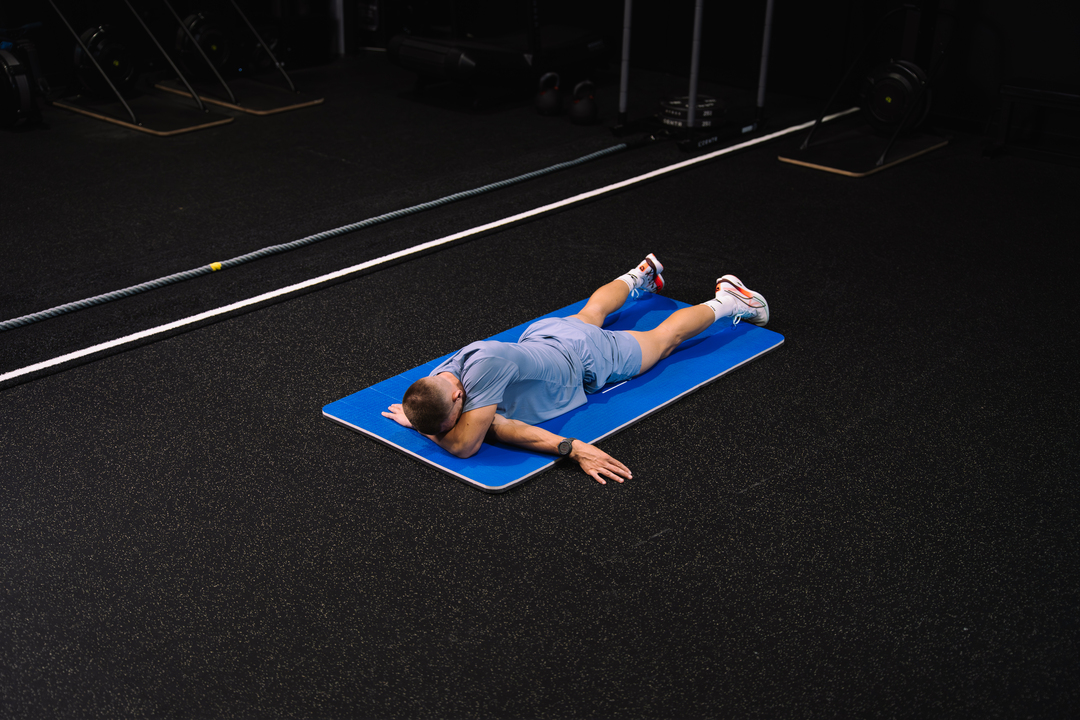
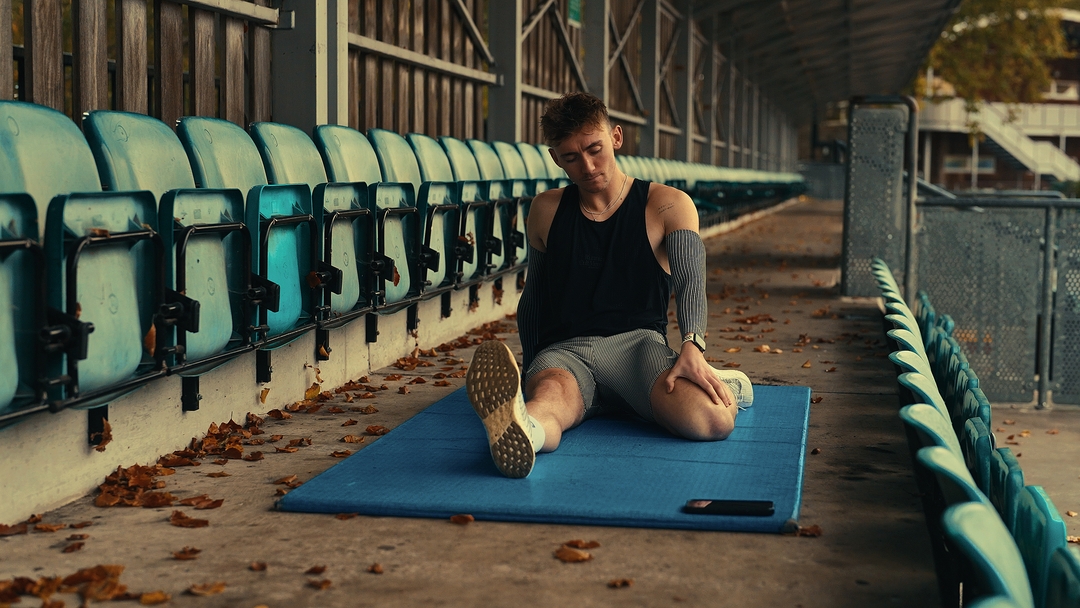
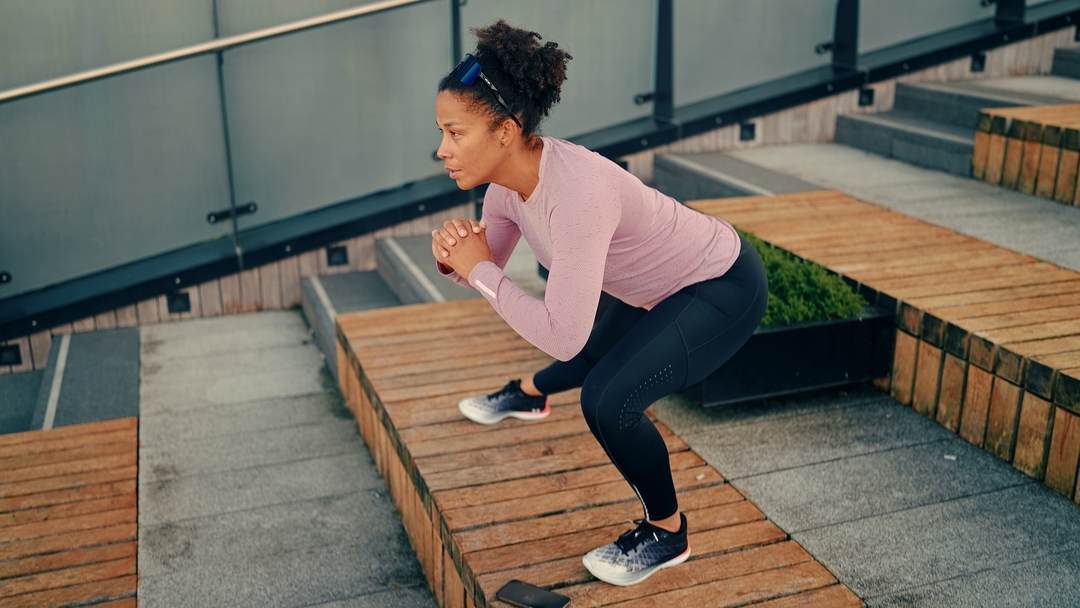
.jpg)
Top 21 Brain Gym Exercises To Boost Focus, Memory, and Energy
.webp)
Midday brain fog, scattered attention, or forgetting what you just read are common when life piles on demands, and you need clear thinking. Mind and body strategies for mental performance now include short physical routines that tune attention and memory, and brain gym exercises serve as a practical form of brain training that improves cognitive performance and mental clarity. This article outlines simple cognitive exercises, cross-lateral movements, eye-tracking drills, breathing routines, and quick brain breaks you can incorporate into your day to sharpen concentration and mental agility.
Pliability's mobility app turns these practices into short guided routines that fit into breaks, helping you build better focus, working memory, and steady mental energy.
Summary
- Mental sluggishness is widespread, with approximately 60% of people reporting feeling sluggish even after a whole night's sleep, driven by fixable factors such as cognitive overload, chronic stress, prolonged sitting, dehydration, and poor evening nutrition.
- Brief, deliberate movement resets cognition quickly, with two to five-minute breaks boosting cerebral blood flow, releasing norepinephrine and dopamine, and producing immediate gains in focus and memory encoding within minutes.
- Low-to-moderate intensity appears optimal, according to University of South Australia research in 2025, which found that low-to-moderate exercise delivered the greatest benefits for brain function and memory, with measurable improvements often occurring within one to three months.
- Short, consistent practice scales: one study reported a 30% increase in cognitive function after six weeks, indicating that small, repeated routines can produce measurable gains in under two months.
- Sustainable dose and habit design matter, with a practical prescription of two to three minute bursts repeated two to four times daily and a progression rule of sustaining 70 to 80 percent adherence for two weeks before adding small increments.
- Evidence in children supports the approach: Bhanzu reported that 80% of children showed improved concentration and a 30% increase in memory retention after completing at least 15 minutes of brain gym exercises per day.
This is where Pliability's mobility app fits in, by offering short guided micro-routines, timed sequencing, and progress tracking that make two to five-minute movement breaks easy to anchor into daily routines.
Why Does Your Brain Feel Sluggish Even When You’re Well-Rested?
Mental sluggishness after what appears to be a whole night of sleep usually stems from everyday, fixable sources, such as cognitive overload, chronic stress, limited movement, dehydration, and diet or screen habits that blunt recovery. You are not broken; these are predictable patterns that respond to simple changes you can apply today.
Why Does Staying Still All Day Make Mornings Worse?
This problem affects remote knowledge workers and parents with split schedules, who experience extended periods of sitting that blunt the signals your body uses to switch between wakefulness and rest. Regular physical activity sharpens circadian timing and deepens slow-wave sleep, while a sedentary day reduces circulation and slows metabolism, leaving you with a heavy, leaden feeling upon waking.
Think of your nervous system like a phone battery that needs light use and occasional charging cycles. Without movement, the charge curve flattens, and sleep no longer restores peak capacity. Simple practices, such as short bouts of coordination drills and cross-lateral movements used in Brain Gym exercises, help reconnect movement with alertness.
Could Low Fluid Intake Be Sabotaging Your Mornings?
When you run low on water, blood volume and oxygen delivery to the brain drop, which can lead to fog, headaches, and a racing heart that makes focus harder. Even mild dehydration can disrupt sleep, with dry mouth or nighttime cramps that pull you out of restorative cycles.
The frustration people feel, confused that they slept yet still wake groggy, often stems from this simple, overlooked constraint. If you skip steady hydration throughout the day, nothing else in your routine compensates for the lost circulation.
Does What You Eat Actually Change How Restorative Sleep Is?
Poor timing and food choices create metabolic rollercoasters that carry through the night. Late dinners, high sugar, and caffeine near bedtime disrupt sleep architecture and suppress the hormonal rhythm that produces melatonin.
Over time, nutrient gaps in magnesium and B vitamins make it harder to convert neurotransmitters into the calm states you need for restoration. Short-term alertness strategies like heavy caffeine win in the moment, but they create a payback period of lower-quality sleep and daytime fog.
How Does Stress Keep the Brain in a Light, Restless Mode?
When your days are high-demand, and your mind stays on, cortisol and adrenaline remain elevated, so sleep is shallower and more reactive. That lighter sleep then reduces the brain’s ability to complete its physical cleanup.
As researchers describe a wave of cerebrospinal fluid flows out of the brain, a process that typically occurs during sleep and helps to wash away waste products that have built up during the day, which links sleep quality directly to physiological recovery. Chronic stress subtly alters that mechanism, so you can clock eight hours and still miss the deep, waste-clearing cycles that make mornings feel crisp.
What I See When We Fix Routines, and Where People Get Frustrated
When we reset simple constraints for busy clients over four weeks, a predictable sequence unfolds, like reducing evening screens, adding brief movement breaks, hydrating strategically, adjusting evening meals, and clarity returns. People feel frustrated and confused when they experience mental sluggishness despite getting adequate sleep, and that frustration morphs into a series of ineffective fixes, like more coffee, that only deepen the cycle.
That’s why I focus on small, practical shifts that respect day-to-day pressures. Short neuroactivation drills, eye tracking, and balance work from brain gym exercises, scheduled water breaks, and an evening buffer from blue light.
Related Reading
- Desk Yoga Stretches
- Mental Training Techniques
- How to Increase Presence of Mind
- Mindful Morning Routine
- Reducing Anxiety Without Medication
- How to Train Your Mind
- How to Release Tension in Body
- Why Do I Get So Tired in the Afternoon
- Mindful Stretching
- How to Stay Focused at Work
- How to Get Rid of Brain Fog
Why Simple Movement Can Instantly Boost Brain Performance
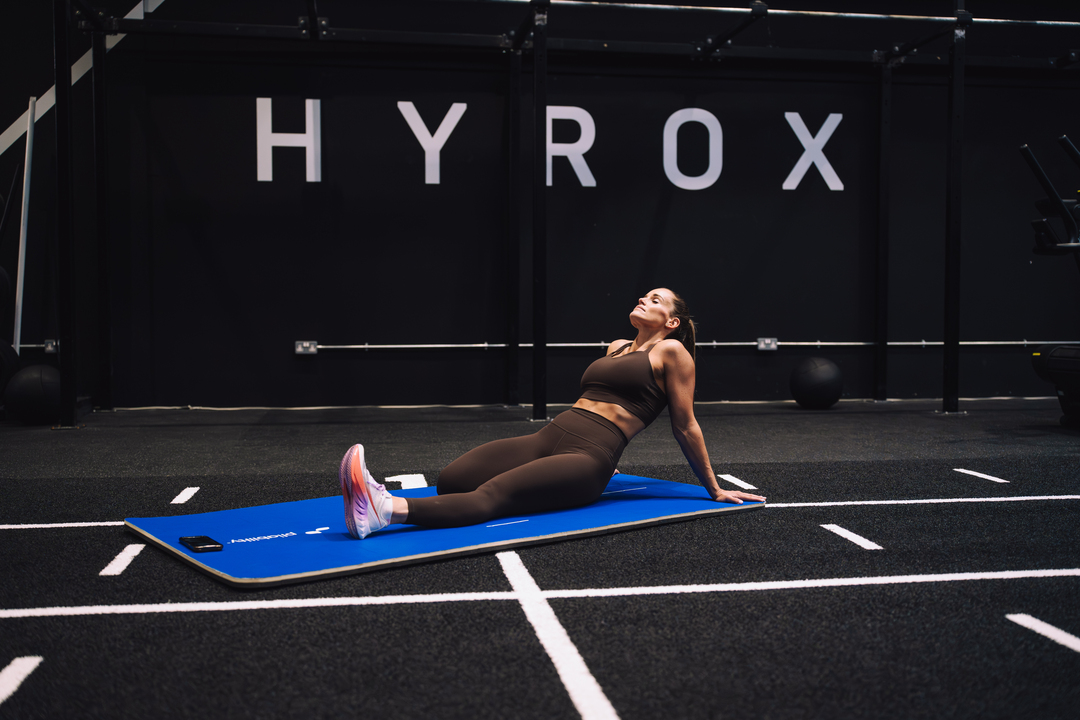
Light, deliberate movement raises cerebral perfusion, activates widespread sensorimotor networks, and tightens the link between body and attention, producing immediate gains in focus, memory encoding, and processing speed within minutes. These effects result from increased blood flow, rapid neurotransmitter shifts, and improved coordination between motor planning and cognitive control, which together prime the brain for sharper thinking immediately.
How Exactly Does Brief Movement Change Blood Flow and Brain Activation?
A few simple physiological levers explain why a two- to five-minute movement break feels like a cognitive reset. Any activity that raises heart rate modestly, even walking or gentle arm swings, increases cardiac output and the pressure gradient that pushes blood into the brain, delivering oxygen and glucose where neurons need them most.
At the same time, modest movement boosts arousal systems, releasing norepinephrine and dopamine that heighten signal-to-noise in prefrontal circuits, so you track details better and switch tasks faster. Finally, activating proprioceptors and vestibular inputs engages distributed motor and sensory maps, improving mind-body coordination and making working memory and decision pathways more responsive.
Why Are Low to Moderate Moves Often the Sweet Spot?
Low- to moderate-intensity exercise showed the most significant benefits for brain function and memory. That conclusion, from the University of South Australia in 2025, aligns with the practical rule I give learners that intense workouts fatigue resources and temporarily blunt cognitive precision, while gentle, sustained activation sharpens attention without the recovery cost.
What Immediate Cognitive Gains Should You Expect from Short Movement?
You get faster information processing, crisper short-term recall, and more reliable sustained attention. Mechanistically, mild activity increases cerebral blood flow and transiently elevates brain-derived neurotrophic factor signaling, thereby improving synaptic responsiveness and encoding fidelity. Practically, that means fewer mental slips on complex tasks, faster fact retrieval, and smoother decision-making during periods of high focus.
How Do Cross-Lateral and Coordination Drills Affect Mind–Body Integration?
Cross-lateral moves, gentle rocking, or alternating arm-leg patterns recruit both hemispheres and emphasize interhemispheric communication, improving coordination between motor planning and executive control. That coordination shows up as better hand-eye timing, steadier working memory under distraction, and faster mental set shifts. Think of it as clearing the communication lines inside your skull so commands travel with less latency.
Does the Evidence Support Quick Wins from This Approach?
Yes, and there is reason to be optimistic about the pace of change, because researchers have found that benefits were delivered quickly, with clear gains within 1-3 months. The University of South Australia published a 2025 synthesis suggesting that measurable cognitive improvements can occur within a few weeks of consistent practice.
What About the Long Term and Scientific Caution?
Short, regular breaks boost focus and learning readiness and often improve sleep quality and study discipline. At the same time, the call for more robust, long-term trials is valid, and that skepticism keeps us honest. Use these drills as an evidence-informed, low-risk strategy while researchers continue to define which protocols scale best over months and years.
Related Reading
- How to Beat Afternoon Slump
- How to Improve Working Memory
- Yoga for Focus
- Neuromotor Exercise
- Mind Body Exercise
- Stress Relieving Stretches
- Exercises for Brain Fog
- Mental Focus Exercises
- Morning Brain Exercises
21 Brain Gym Exercises to Improve Focus, Memory, and Learning

These exercises give you fast, portable ways to reset attention, sharpen working memory, and improve coordination between the brain’s hemispheres. Use them in short bursts at home, at school, or at work; each drill below includes a clear how-to and the specific cognitive benefit it supports.
1. Marching In Place
A rhythmic warm-up that primes breath, balance, and basic coordination.
- How to do it: Stand tall, lift knees alternately to hip height or a comfortable range, land softly; aim for 30 marches. Use a chair for support if needed.
- Cognitive benefit: Boosts alertness, steadies attention, and helps quicken transitions between tasks.
2. Cross Crawl
A cross-lateral movement that links opposite limbs to improve hemispheric communication.
- How to do it: Stand, lift right knee and reach left elbow to touch it, alternate sides; do three sets of eight. Sit if balance is an issue.
- Cognitive benefit: Enhances integration between verbal and spatial networks, aiding reading, working memory, and sequencing.
3. Ankle Touch
A coordination and balance drill focused on opposite-limb reach.
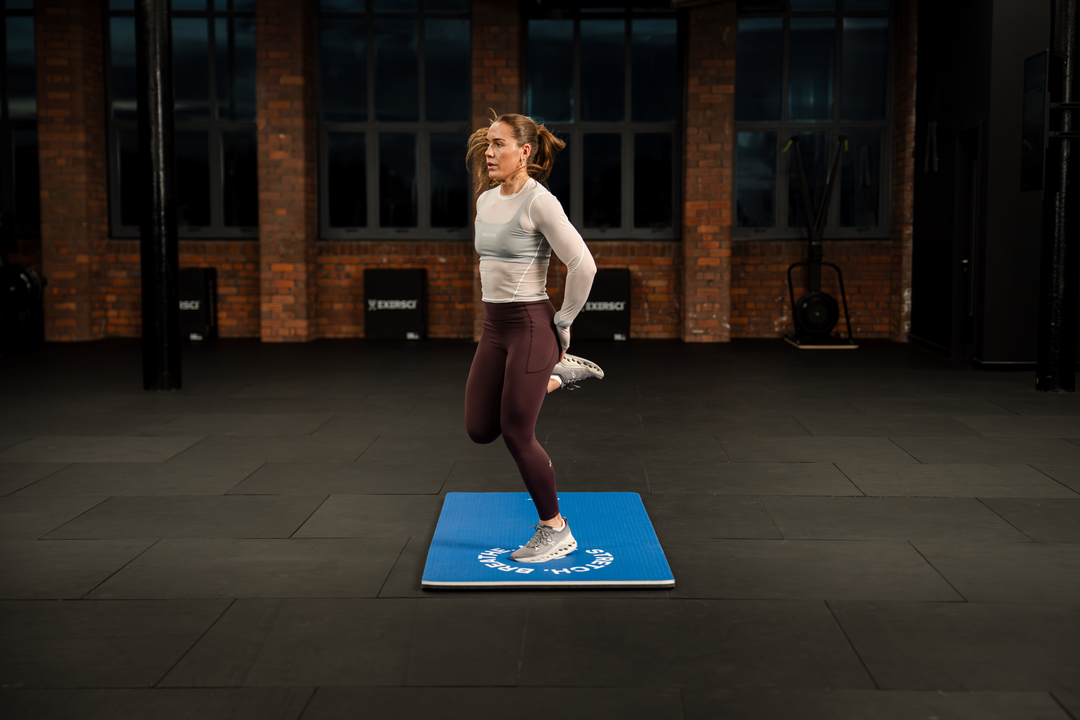
- How to do it: Stand feet shoulder-width apart, lift right foot and touch right ankle with left hand, switch sides; 15–20 reps.
- Cognitive benefit: Improves proprioception and fine motor planning, supporting more effective attention and task switching.
4. Ankle Touch Behind Your Body
A lateral-flexion variation that increases cross-body awareness.
- How to do it: Stand, reach behind to touch the lifted ankle with the opposite hand, alternate; 15–20 reps.
- Cognitive benefit: Trains spatial mapping and bilateral coordination, which support handwriting and visual tracking.
5. Step Touch
Side-to-side stepping to practice rhythmic lateral movement.
- How to do it: Start feet together, step right, then bring left to meet it, then step left; repeat 30 times at a steady pace.
- Cognitive benefit: Stabilizes rhythm and timing, which sharpens sustained attention and pacing for tasks.
6. Neck Circles
Gentle neck mobility done with eyes closed to reduce sensory overload.
- How to do it: Sit or stand, close eyes, roll neck in smooth half or full circles as comfortably; 10 repetitions per direction. Avoid a full backward tilt if you have joint issues.
- Cognitive benefit: Reduces somatic tension and distraction from neck-held stress, improving concentration.
7. Cook’s Hook-Up
A cross-limb hold that creates a calming alignment for breath and focus.
- How to do it: Sit, cross right ankle over left, cross right hand over left, and hook fingers, twist forearms inward, breathe deeply for six breaths; repeat 3–5 times.
- Cognitive benefit: Rapidly reduces anxiety and centers attention, making it easier to begin complex work.
8. Brain Button
A simple stimulation point massage that relaxes upper chest and neck tension.
- How to do it: Place one palm on your belly, the other thumb and index finger an inch below the collarbone, and make small circular motions; 10 reps each side.
- Cognitive benefit: Relaxes the visual and vestibular systems, improving visual attention and scanning.
9. Lazy Eights
Eye-tracking along a prominent infinity symbol to train visual-motor coordination.
- How to do it: Draw a horizontal figure eight on a board or in the air and trace it with your eyes 20–30 times, breathe, and relax afterward.
- Cognitive benefit: Improves visual tracking, reading fluency, and spatial attention.
10. The Elephant
An arm-tracing Infinity movement combined with torso motion to link large-muscle control with visual attention.
- How to do it: Stand, one arm above head, the other extended forward, trace a horizontal 8 with the extended arm while moving eyes and torso; 3–5 reps per side.
- Cognitive benefit: Enhances multisensory integration and sustained visual focus, supporting note-taking and comprehension.
11. The Energy Yawn
Jaw and small facial movement sequence to release jaw tension and reset alertness.
- How to do it: Place index and middle fingers on the jaw joint, open and massage in small circles five times, close and repeat five times; repeat 10 cycles.
- Cognitive benefit: Releases somatic tension that often disrupts short-term memory and speech fluency.
12. The Thinking Cap
Auricle and ear massage that stimulates cranial nerves linked to attention and mood.
- How to do it: Sit, use your thumb and index finger to massage the top and back of the ear slowly from top to bottom for 15 repetitions.
- Cognitive benefit: Calms overstimulation and improves readiness to learn, especially before reading or tests.
13. Belly Breathing
Diaphragmatic breathing to increase oxygenation and calm the nervous system.
- How to do it: Place one hand on your belly, inhale so the belly rises, exhale through pursed lips; repeat 30 times, pacing to comfort.
- Cognitive benefit: Lowers physiological arousal and improves verbal recall and pacing during presentations.
14. Trace X
Eye-tracking the letter X to train diagonal visual movements and depth perception.
- How to do it: Close your eyes and move your eyeballs along an imagined X eight times, rest for 10 seconds, repeat. Or trace a large X on a board with your eyes.
- Cognitive benefit: Strengthens visual attention and cross-axis coordination needed for math and spatial tasks.
15. Positive Points
Gentle fingertip pressure to induce calm and reduce intrusive thoughts.
- How to do it: Touch the points above your eyes, between your eyebrows, and at your hairline. Close your eyes and breathe slowly for 10 seconds while acknowledging stress. Repeat 3 times.
- Cognitive benefit: Interrupts negative loops and frees working memory for learning and recall.
16. Double Doodle
Bilateral drawing that engages both hands simultaneously to balance motor hemispheres.
- How to do it: Sit with a pen in each hand and create mirrored shapes and colors, filling forms for several minutes.
- Cognitive benefit: Improves interhemispheric coordination, visuospatial memory, and creative problem solving.
17. Cross Crawl (Compact Version)
A quick, timed cross-lateral drill for on-the-spot activation.
- How to do it: Stand, alternate touching each knee with the opposite elbow for 1–2 minutes at a steady tempo.
- Cognitive benefit: Fast way to reboot integration between language and motor planning centers before concentrated work.
18. Lazy 8s (Arm-Focused)
A single-arm infinity tracing that emphasizes hand-eye coordination.
- How to do it: Extend one arm, trace a large sideways 8 with your fingertip while watching the tip; switch hands and repeat.
- Cognitive benefit: Improves visual tracking and hand-timing for handwriting and instrument practice.
19. Hook-Ups
A calming crossed-limb posture with breath focus, a close cousin to Cook’s Hook-Up.
- How to do it: Cross one ankle over the other, interlace your hands and fold them inward, bring them to your chest, close your eyes, and breathe slowly for a minute.
- Cognitive benefit: Lowers stress and sharpens focus by re-centering breath and proprioception.
20. Paddle Boat
A seated bilateral arm motion that mimics rowing to coordinate rhythm and memory.
- How to do it: Sit upright, palms facing each other, move hands in a synchronized paddling motion for 30–60 seconds.
- Cognitive benefit: Encourages sustained attention and aids short-term information retrieval by providing a rhythmic anchor.
21. Animal Walks
Playful full-body movement that uses varied gaits to engage multiple networks.
- How to do it: Walk like a bear, hop like a frog, or waddle like a duck for 30–60 seconds each, keeping it light and deliberate.
- Cognitive benefit: Recruits large motor maps and multisensory input, which increases alertness and makes learning feel effortless.
How Should You Sequence These Drills in a Short Session?
Pick 3 to 5 moves that mix cross-lateral patterns, eye work, and calming holds. Start with a rhythmic activation, such as Marching or Step Touch, then add an eye-tracking move, such as Lazy Eights or Trace X, and finish with a calming Hook-Up or Positive Points. Keep the whole mini-routine under five minutes so it can be repeated multiple times a day without friction.
Which Moves Work Best for Classrooms, Offices, or Home?
For classrooms, use Cross Crawl, Lazy Eights, and Positive Points because they are quiet and space-efficient. In offices, Brain Button, Belly Breathing, and Paddle Boat fit quick desk resets. At home, Animal Walks and Double Doodle let you engage the whole body when you have a few extra minutes.
What Common Problems Stop People from Using These Consistently?
The failure point is usually set up, not the exercises themselves. When routines require equipment, long time windows, or complex sequencing, adherence drops rapidly. That is why compact, clearly timed sets delivered at predictable cues tend to outperform longer, ad hoc sessions.
Tips to Make Brain Gym Exercises Stick
You build consistency by turning Brain Gym into a predictable, low-friction part of your day. Achor small practices to existing cues, favor short, frequent sessions over long, occasional ones, and design simple recovery paths for when you miss a day.
How Do I Pair These Exercises with Daily Routines?
Start by choosing two reliable anchors you already follow, then attach 2–3 drills to each anchor. For example, after your morning coffee, stand up and perform one cross-crawl and one eye-tracking move; at lunch, run a 2-minute rhythm drill and a calming hook-up. Use a clear implementation intention, like "When my kettle whistles, I will do the two-minute set."
Treat the first four weeks as an experiment, such as 2–3 moves, 2–3 minutes each, three times daily, and log adherence at night. That small, repeatable habit wiring creates a flipping motion; you do the setup once, and then flipping the switch becomes automatic.
What Do I Do When I Forget or Lose Motivation?
This challenge appears across stay-at-home adults and solo gamers, where unstructured days let practice slip into "maybe tomorrow." Counter that by redesigning the environment, not the person. Put a visible cue where you already look, set a single consistent alarm tone, and link the exercise to an emotional payoff, such as a brief reward cue like five deep breaths and a sip of water afterward.
Use an If-Then Rule for Recovery
If I miss a session, then I do a single 60-second micro-set before the next alarm, so a missed day never becomes a missed habit. For accountability, pair up for a two-week streak challenge, or share a simple progress screenshot with one trusted person; social friction is an effective habit glue.
How Can I Keep Sessions Short but Still Progress?
Frequency compounds more reliably than intensity. When you sustain 70 to 80 percent adherence for two weeks, add one increment, like one extra rep, 30 to 60 seconds, or a slightly more complex coordination pattern.
Measure Quality, Not Quantity
One slow, controlled cross-crawl with deep belly breaths is worth more than ten rushed reps. Think of progression like tuning a radio, small turns that improve clarity, not a single massive crank. This preserves momentum while nudging skill and neuroplastic adaptation forward without burnout.
Do These Habits Actually Pay Off Long Term?
For parents working with children, note that Bhanzu Blog reports that 80% of children who engage in regular brain gym exercises show improved concentration, supporting the design of practice around daily routines rather than sporadic sessions. Also, it reports that children who perform Brain Gym exercises for at least 15 minutes a day show a 30% increase in memory retention, reinforcing that short, daily doses compound into measurable gains in encoding and recall.
For adults, the mechanism is identical. Small, consistent practice improves attentional control and encoding over months, so habit design is the real lever for durable cognitive change.
How Should I Adapt When Time or Physical Limits Appear?
If mobility, joint limitations, or scheduling constraints limit you, use seated versions, reduce the range of motion, or split the session into micro-slices. When cooking, use a single-arm lazy eight during the simmering stage.
When on calls, use a subtle brain-button massage between topics. If cardiovascular concerns exist, swap marching for slow ankle taps and increase breaths per rep. The rule is to preserve the neural intent of each move, even if the physical expression shrinks.
Client Core Positioning Template
Before I produce the two-part strategic guide that maps these tactics into a branded plan, paste the client's core positioning so I can align tone and examples:
- Client name (how it should appear)
- One-line description of what they provide (product, app, course, etc.)
- Primary target audience (age, role)
- Unique differentiator (speed, clinically validated, kid-friendly, neuroscience-based, digital vs in-person)
- Key outcomes they emphasize (focus, memory, learning readiness, stress reduction)
Related Reading
- Mental Training Exercises for Athletes
- Brain Biohacking Exercises
- Cognitive Activities for Adults
- Improve Attention to Detail Exercises
- Cognitive Flexibility Exercises
- Gentle Movement Exercises
- Energy Exercises
- Micro Workouts
Improve Your Flexibility with Our Mobility App Today | Get 7 Days for Free on Any Platform
Improving mobility sharpens mental clarity by restoring pain-free movement and range of motion, which gives your nervous system clearer input, thereby sharpening attention and accelerating cognitive recovery. Short brain gym exercises and coordination drills are the natural bridge to that change.
Pliability: Yoga for Flexibility & Recovery
If you want to test this with minimal commitment, try Pliability, a fresh take on yoga for performance-minded people and athletes that delivers a vast library of high-quality video sessions designed to improve flexibility, aid recovery, reduce pain, and enhance range of motion.
Pliability also provides daily-updated custom mobility programs and a body scan to pinpoint your mobility gaps. You can sign up for seven days absolutely free on iPhone, iPad, Android, or the website to see whether moving better sharpens your focus.
.jpg)