How To Beat Afternoon Slump Naturally Without More Caffeine
.webp)
Ever find yourself zoning out after lunch, staring at the screen, and wondering why your focus evaporated? That mid-afternoon crash affects many people, and it shows how sleep timing, posture, nutrition, movement, and circadian rhythm all shape mental performance. In this post on how to beat afternoon slump, we share practical mind and body strategies, like breathing, short movement breaks, hydration, better snack choices, posture checks, and mobility work, to restore alertness and keep productivity steady without leaning on caffeine or inviting a late-day crash.
To make those tactics easy to use between meetings, Pliability's mobility app offers short, guided routines, posture cues, and breathing guides to help you naturally recharge focus and energy.
Summary
- About 70% of people experience a noticeable midafternoon dip in energy, typically between 1:00 PM and 3:00 PM, showing the slump is a familiar, biologically based rhythm that often collides with busy calendar blocks.
- Caffeine can boost cognitive performance, with about 200 milligrams delivering a roughly 15% improvement, but habitual stimulant use creates downstream costs like sleep disruption and rebound crashes.
- Short, repeatable movement breaks work quickly, for example, a 5-minute mobility circuit repeated hourly and tracked for two weeks often produces measurable late-afternoon productivity gains.
- Controlled naps are an effective reset, with 10 to 20-minute naps linked to improved alertness and a 20-minute caffeine nap hybrid available when a faster wake is required.
- Simple intake targets stabilize energy, aim for 25 to 35 grams of protein at breakfast, a fist-sized serving of fiber at lunch, and start the morning with 300 to 500 ml of fluid, then sip about 150 to 250 ml every hour.
- When sleepiness becomes frequent or severe, it warrants evaluation, because 40% of adults report afternoon sleepiness at least three times a week and 20% say it interferes with daily activities.
This is where Pliability's mobility app fits in: it addresses this by guiding short, timed mobility exercises and by sending reminders you can slot into five-minute breaks to boost circulation and reduce midday fatigue.
What is the Afternoon Slump (or Dip)?
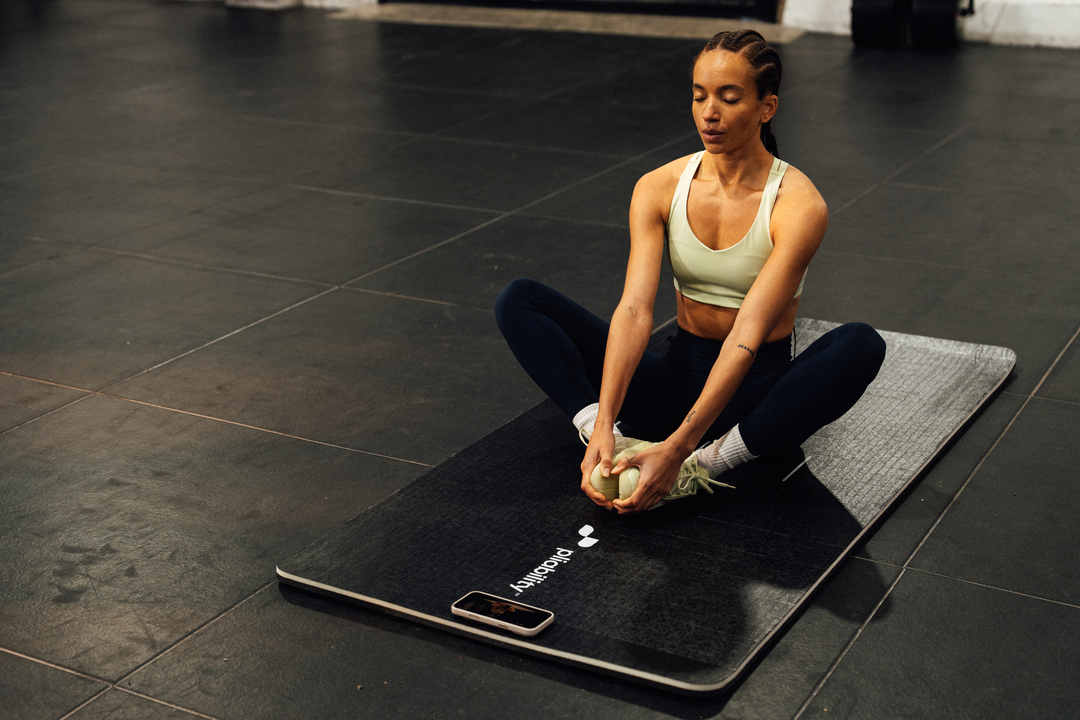
The afternoon slump is a predictable biological dip in energy and focus that most people experience in the middle of the day, typically after lunch. The afternoon slump commonly occurs between 1:00 PM and 3:00 PM. That timing, reported by Science Focus Magazine in 2023, explains why your calendar’s busy block often collides with your worst half-hour of concentration.
The Biological Reality of the Afternoon Slump
The afternoon slump, also known as the afternoon dip, circadian dip, or energy trough, is a period of the day when your energy levels naturally decline, usually due to your circadian rhythm. About 70% of people experience a noticeable dip in energy levels in the afternoon. The New York Times reported this in 2025, which underlines that this is not a rare quirk but a shared, biologically based rhythm that affects most adults.
Contrary to popular belief, this sluggishness isn’t just caused by what you eat for lunch; it’s part of your body’s natural biological cycle. The postprandial dip often follows a meal, yet the internal clock is the primary driver, and treating it solely as a nutrition problem misses the point.
The Impact of Midday Cognitive Decline
During this time, you might feel sluggish, slow, and have trouble concentrating. When we worked with mixed teams during an 18-month productivity pilot, the pattern was unmistakable: midday tasks stalled, motivation dropped, and people reported feeling wired but tired, which made decision-making feel punishing. That drop in focus raises absolute safety and performance risks, including nodding off at a desk or even while driving.
What Exactly Causes the Afternoon Slump?
The sleepy feeling that sets in in the afternoon is due to several factors. Part of it is the natural rhythms of our body, and part of it is how humans evolved.
Circadian Rhythm and Homeostatic Sleep Drive
Circadian rhythm, your 24-hour internal clock, regulates when you feel alert and when you feel sleepy; light is its primary signal. Alongside it runs the homeostatic sleep drive, which is simply the pressure to sleep that builds as hours awake accumulate.
These two forces interact like opposing gears:
- The sleep drive increases steadily through the day.
- The circadian clock creates predictable troughs in alertness, amplifying that pressure.
The result, in mid-afternoon, is a steep subjective drop in energy even if you slept enough the night before.
An Evolutionary Component
The pattern also makes evolutionary sense. Human ancestors who could afford a brief midday rest likely reduced exposure to night predators and conserved energy for hunting at safer times. That leftover habit shows up now as a biologically sanctioned nap window:
- Secure
- Common
- Surprisingly complex
To ignore when your brain signals it.
Most People Reach For Quick Fixes, Which is The Familiar Approach
Most people handle midday fatigue by grabbing more caffeine, sugary snacks, or a short, emergency nap because those feel immediate and require no change to routine. This works briefly, but it creates predictable costs:
- Caffeine late in the day disrupts nighttime sleep
- Crashes follow sugar spikes
Reliance on stimulants masks the underlying drivers of daylong energy instability.
Solutions like Pliability offer an alternative path, providing timed cues, brief movement prompts, and personalized scheduling nudges that reduce dependence on stimulants and keep attention windows more consistent, helping teams preserve steady output across the afternoon.
Other Factors That Can Contribute to Your Midday Slump Are
- Poor sleep, especially missing deep sleep stages, leaves your brain ill-equipped to manage daytime demands.
- Dehydration reduces cognitive speed and makes things feel harder than they are.
- Lack of movement, because sitting for long stretches lowers circulation and oxygen delivery to the brain.
- Lunch choices, particularly meals high in simple carbohydrates, prompt a blood sugar spike and subsequent crash.
- Caffeine crash, when an early boost wears off and leaves you lower than baseline.
- Medications or medical conditions, such as antihistamines, thyroid problems, anemia, or diabetes, can produce daytime drowsiness.
If tiredness is severe or persistent, consult a health professional rather than assuming it’s just a slump.
What are the symptoms of the Afternoon Slump?
- Fatigue
- Difficulty concentrating
- Loss of motivation
- Poor mood
- Brain fog
This set of symptoms appears consistently across office, field, and performance-focused contexts: mental fatigue becomes overwhelming, tasks that require sustained attention feel much harder, and the urge to escape with coffee or a quick nap grows louder.
That apparent lull feels inevitable, but the next part will expose a surprising lever you can pull to change how your afternoons actually unfold.
Related Reading
- Mental Training Techniques
- How to Increase Presence of Mind
- Mindful Morning Routine
- Reducing Anxiety Without Medication
- How to Train Your Mind
- How to Release Tension in Body
- Why Do I Get So Tired in the Afternoon
- Mindful Stretching
- How to Stay Focused at Work
- How to Get Rid of Brain Fog
How to Beat Afternoon Slump

You can blunt the afternoon slump by treating it as an energy rhythm you can shape, not an unavoidable failure of will. Small, consistent habits around sleep, food, hydration, movement, light, and brief breaks rewire how your energy cycles through the day and let you reclaim the post-lunch hours for steady focus.
About 70% of people experience a noticeable dip in energy levels in the afternoon. The New York Times, a 2025 finding, shows this isn’t a rare quirk but a shared human pattern that good habits can reliably shift.
1. Move your body
When you’re feeling groggy in the afternoons, the last thing on your mind is working out. However, getting some exercise can help to shake off fatigue, so you can come back to work feeling refreshed.
You might not be breaking any personal bests in the gym, but your afternoon dip in energy could be the best time to work out if you want to save your energy peaks for work and family time.
A 2020 study found that individuals at risk of, or diagnosed with, type 2 diabetes experienced greater metabolic benefits when they worked out between 3 p.m. and 6 p.m. than between 8 a.m. and 10 a.m.
“Move your body regularly. Make it a habit to stand, stretch, or walk around every hour,” Kern said. “This gets your blood flowing and wakes you up.”
You can:
Take a 5-minute Walk Outside
Exposure to natural light helps regulate your body’s clock and keeps you alert. If possible, step outside for a few minutes, open a window, or position your desk near natural light.
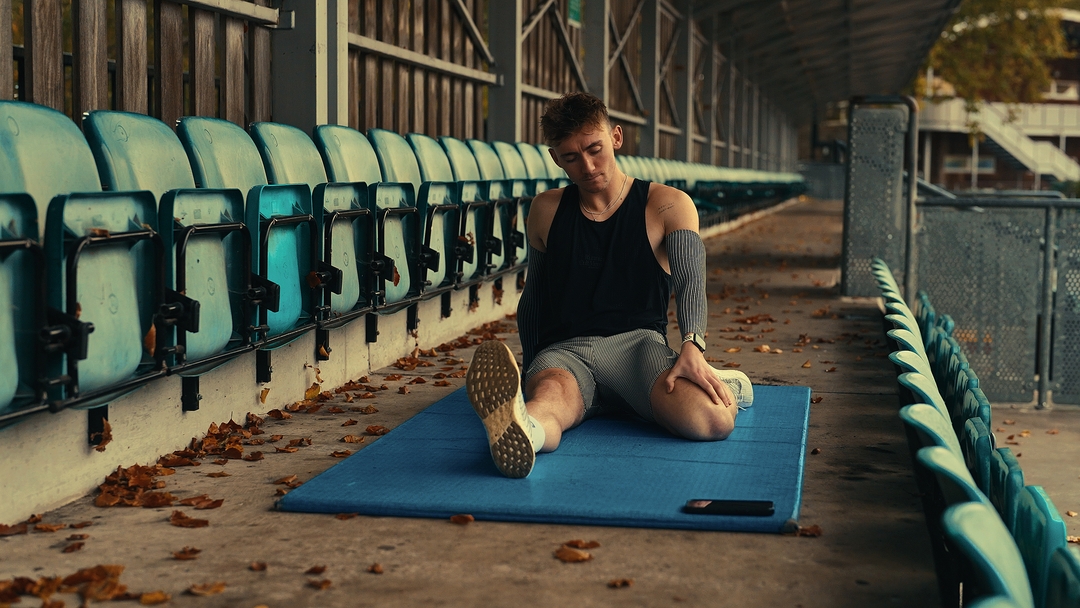
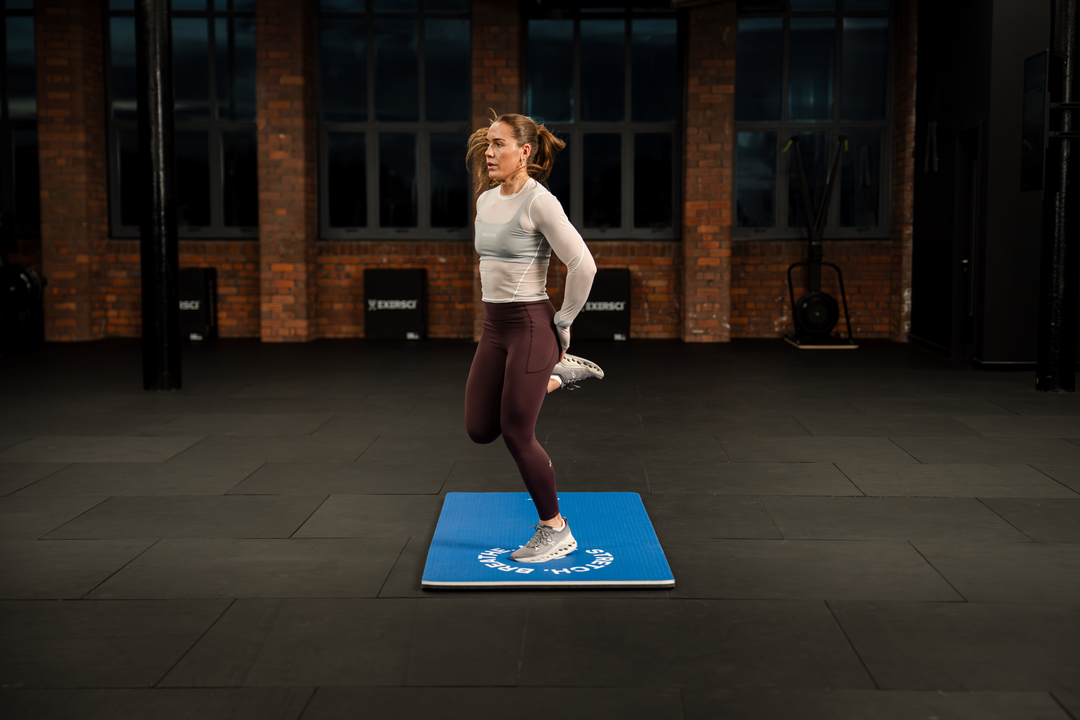
- Stretch at your desk.
- Do 10 jumping jacks or squats.
- Stand up and do a few shoulder rolls.
Do Energizing Yoga Stretches
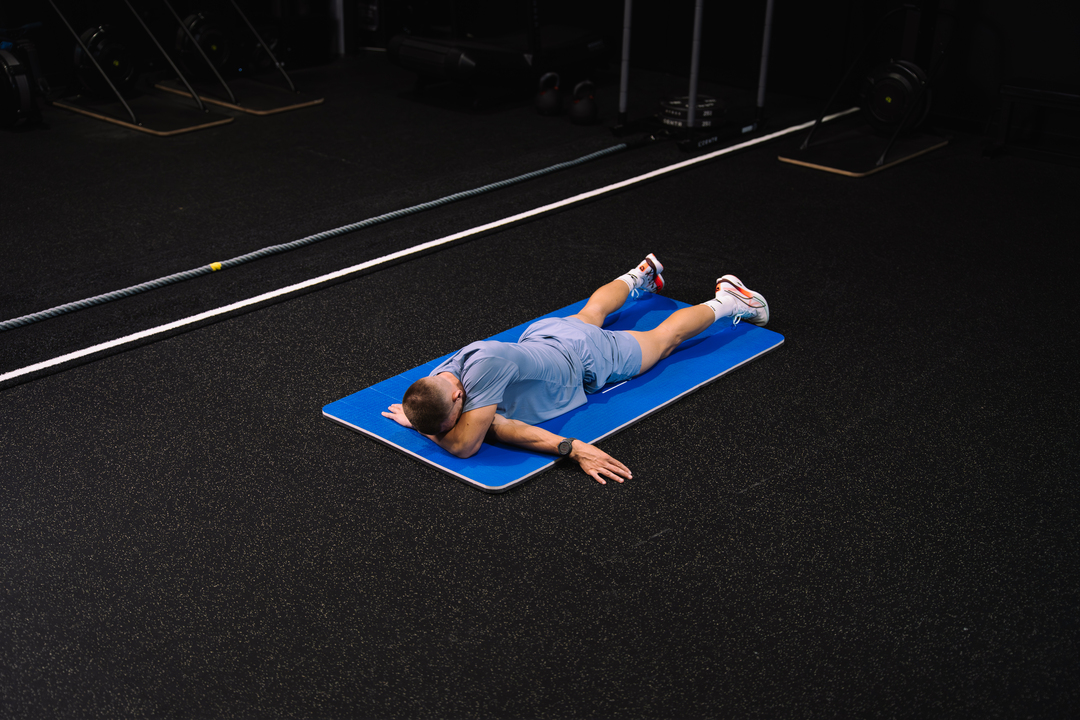
Yoga is all about slow movements and deep breaths, both of which get your blood moving. It also helps you release tension in your body. You don’t have to get on the floor. Just back away from the computer and do some neck rolls, shoulder rolls, and a few seated side bends. Remember to breathe.
Performance-Driven Mobility and Recovery
Pliability offers a fresh take on yoga, tailored for performance-oriented individuals and athletes. Our app features a vast library of high-quality videos designed to improve flexibility, aid recovery, reduce pain, and enhance range of motion.
Pliability provides daily-updated, custom mobility programs for those looking to optimize their health and fitness. It also includes a unique body-scanning feature to pinpoint mobility issues. If you're limited by pain or reduced mobility, Pliability aims to complement your existing fitness routine and help you move better.
Sign up today to get 7 days absolutely for free, on iPhone, iPad, Android, or on our website, to improve flexibility, aid recovery, reduce pain, and enhance range of motion with our mobility app.
2. Reevaluate Your Breakfast and Lunch
What you eat at breakfast and lunch significantly affects how you feel later in the day. Instead of carb-heavy meals, opt for meals packed with protein, fiber, and healthy fats. Kern shared some great choices.
Breakfast ideas:
- Oatmeal or Greek yogurt with fresh fruits and nuts/seeds
- Vegetable omelet with whole wheat toast
- Avocado toast and fruit
- Lunch ideas:
- Vegetable/lentil soup
- Mixed salad with chicken and hard-boiled eggs
- Tuna/chicken salad on whole wheat bread
“These foods keep your blood sugar stable and help you avoid the mid-afternoon crash,” Kern said.
3. Hydrate, Hydrate, Hydrate!
Dehydration is a sneaky cause of tiredness. If you’re feeling sluggish, drink some water. Keep a water bottle at your desk and sip throughout the day.
“Drinking plenty of water and sipping on antioxidant teas will help keep energy levels up,” Kern said.
4. Lower Your Sleep Debt
Sleep debt is the running total of how much sleep you owe your body. It’s measured against your sleep need, which is the genetically determined amount of sleep you need each night. One study suggests the average sleep need is 8 hours 40 minutes, plus or minus 10 minutes, but 13.5% of the population may need 9 hours or more of sleep per night.
To find your exact number, use the RISE app. RISE uses historical phone usage data and proprietary sleep-science models to calculate your sleep need to the minute. The app can then work out how much sleep debt you’re carrying. We measure this over your last 14 nights and recommend keeping it below 5 hours to feel and perform at your best.
Strategies to Reduce Sleep Debt and Afternoon Fatigue
While you might always feel that afternoon slump in energy, you’ll feel it even more after a night of sleep deprivation or when your sleep debt is high.
To reduce fatigue overall and during the afternoon slump, reduce your sleep debt.
- You can do this by:
- Taking a nap: Check RISE for the best time to nap to stop daytime sleep affecting your nights.
- Going to bed a little earlier.
- Sleeping in a little later: Keep this to an hour or two to avoid disrupting your circadian rhythm too much.
- Improving your sleep hygiene: If you can’t squeeze in any more sleep, focus on your sleep hygiene.
This set of healthy sleep habits can help you fall asleep faster and wake up less often, allowing you to get more sleep overall.
5. Sync Up with Your Circadian Rhythm
Your circadian rhythm is the reason you feel so sleepy every afternoon, but if you’re not living in sync with it, it can cause even lower energy levels at this time, and across the rest of your day, too.
You might be out of sync with your circadian rhythm if:
- You’re a night shift worker
- You’re living out of sync with your chronotype; perhaps you’re a night owl forcing yourself to wake up early, for example. We cover how to make the most of your chronotype here.
- You’ve got social jet lag, when your body clock doesn’t match your social clock, which an irregular sleep schedule can cause. For example, about 87% of us go to bed at least two hours later on weekends than during the week.
Fortunately, you can align your daily routine with your circadian rhythm to boost your energy.
Here’s what to do:
Keep a Consistent Sleep Schedule
Even on weekends. And get out in natural light first thing. Your circadian rhythm is generally a reflection of your light and sleep-wake times over the last two to three days, so slight changes aren’t a problem, but you want to aim for consistency.
Eat Meals at Roughly the Same Time and During the Daytime
A big lunch isn’t the main cause of the afternoon slump, but a big dinner too close to bedtime can keep you up at night, and irregular meals can change the timing of your circadian rhythm.
Check Your Melatonin Window on Rise
This is the roughly one-hour window of time when your body’s rate of melatonin production is at its highest. As melatonin helps prime your body for sleep, going to bed at this time will help you fall and stay asleep.
6. Schedule Your Day to Make the Most of Your Afternoon Slump
By lowering your sleep debt and getting in sync with your circadian rhythm, you can reduce how hard the slump hits you each day. However, this dip in energy is still a natural part of your biology, and you’ll probably always feel it to some extent.
So, if you can’t beat it, work with the slump instead of against it. Use RISE to see when your dip will occur each day, then schedule your day accordingly. For example, schedule more manageable tasks for your afternoon slump, such as:
- Admin work
- Emails
- Low-stakes catch-up meetings
Save demanding tasks, such as writing, coding, or giving presentations, for your energy peaks. A study found that 50% of office workers report a decline in productivity between 1 p.m. and 3 p.m. The New York Times noted in 2025, which explains why scheduling low-stakes work for that slot is a practical performance move.
7. Take a Break
Sometimes, you can’t even knock out easy admin tasks during your afternoon dip in energy. This is when it’s best to step back and take a break.
- Go for a walk, do a short yoga nidra or NSDR session, complete some mindless household chores, or engage in a relaxing activity like reading or listening to music
- Return to work when your energy levels start to lift, and you can be productive.
- On the weekends, use your afternoon slump for some quiet time. Read, watch TV, or join the kids for nap time.
Research shows judges rule less favorably on cases as the workday progresses, but taking a break helps them reset. Taking small, frequent breaks and not waiting too long between them is best. And breaks have even been shown to help you stay focused on your goals.
8. Work on a Task That Requires Problem-Solving Skills
It may not feel like it when you’re in the grips of fatigue, but the afternoon slump may be the best time to work on a task that requires insight, creativity, and problem-solving skills. Research shows you may perform better at these skills during non-optimal times of your circadian rhythm.
So, while the afternoon is usually best reserved for easy tasks, try tackling a tricky task on your to-do list during your afternoon slump to see if your brain can think up novel solutions during this time.
9. Take a Nap
Taking a nap can help reduce your sleep debt and boost your energy if you’re sleep-deprived. But an afternoon nap can also help to increase your energy, mood, and performance, even if you’ve been getting enough sleep recently. Your afternoon slump is the ideal time to nap, too, as snoozing now shouldn’t make it harder to fall asleep come bedtime.
A 10-minute afternoon nap has been shown to boost energy, alertness, and cognitive performance, with some of these benefits lasting more than 2.5 hours, which should get you through the rest of the workday. Just be sure to keep your nap to 10 to 20 minutes long, or you run the risk of feeling sleep inertia when you wake up.
10. Drink Caffeine in the Morning, But Avoid it During the Afternoon Slump
It can be hard to avoid the siren call of a cup of coffee when the afternoon slump hits. But caffeine can last in your system for more than 12 hours, meaning an innocent 3 p.m. cup of joe could keep you up until bedtime. This will hike up your sleep debt and make your afternoon slump even worse the next day.
Caffeine can help you get through the afternoon slump in another way. Caffeine has a half-life of three to seven hours. This means it takes about three to seven hours for the amount of caffeine in your system to drop by half, and another three to seven hours to drop by half again, and so on.
11. Socialize with Friends or Colleagues
Socializing can boost your energy. So, if you’re struggling through a mid-afternoon energy slump, head over to a colleague’s desk for some energizing small talk, or work together on a collaborative task. You can also take a break and call a loved one or schedule a catch-up with a friend during this time.
Dopamine and oxytocin are released when you socialize, boosting your mood, reducing cortisol levels, and lowering stress.
Want another reason to invest in relationships?
It could improve your sleep and, therefore, energy, both throughout the day and through the afternoon slump.
- Research shows that people with healthy relationships experience better-quality sleep. When you go to bed earlier and sleep longer, your social interactions the next day may be better, creating a virtuous circle.
- Research has also found a link between positive social interactions between couples and better sleep efficiency, the measure of how long you spend actually asleep in bed.
From Optional Stretching to Essential Mobility Habits
Most people treat mobility and flexibility as optional stretching between workouts because they feel like a low priority in a busy week. That approach works until stiffness and minor aches make short walks feel like an effort, increasing the risk of injury and making movement irregular.
Platforms like Pliability provide daily-updated mobility programs and a body-scanning feature to identify weak spots, helping movement become consistent and less painful and turning small, effective practices into reliable habits.
12. Get Some Natural Light
Light is the most powerful zeitgeber, or a cue that times your circadian rhythm to the outside world. It’s important to get light first thing in the morning to reset your circadian rhythm for the day and tell your brain it’s time to be awake and alert. But light can also help you perform better in the afternoon.
One study asked participants to complete a performance test during their afternoon slump under either dark, white, or blue light. The results showed that those who performed the task under blue-light conditions had shorter reaction times and therefore performed better. Blue light has also been shown to help boost alertness, memory, and mental performance.
13. Avoid Sugary Snacks
When your energy’s flagging, you may start craving candy or a sugary energy drink for a quick post-lunch pick-me-up. But sugary snacks will spike your blood sugar levels, and this rush will come with an inevitable sugar crash, leaving you more tired than before.
If you’re snacking in the afternoon, choose energy-boosting options such as peanut butter, hummus, or low-fat Greek yogurt. Nothing but sugar on offer? Head out for a quick walk. A 10-minute walk has been shown to boost your energy more than a candy bar.
14. Stay Hydrated
In addition to a healthy lunch, make sure you’re drinking enough water. Mild dehydration can cause fatigue, making the afternoon slump even more challenging. Plus, surprisingly, the very act of drinking water can make you feel more alert, even if you’re not tired.
So, prioritize hydration throughout the day, and make an effort to get up and grab a glass of water when you start feeling sluggish after lunch. The small bout of physical activity involved in getting it and the potential for socializing, you bump into a colleague in the staff kitchen or a family member at home, will boost your energy, too.
15. Take a Cold Shower
Need to jolt yourself out of an afternoon funk fast? Try hopping into an icy shower.
Cold water can increase your heart rate, blood pressure, and metabolism for an energy boost. If you’re in the office, try splashing your face with cold water instead.
16. Listen to Your Favorite Music
If you need an excuse to put your headphones in at work, this is it. Your favorite playlist may help you get through a tiring afternoon. Research shows that listening to your favorite music can boost your energy, whereas listening to relaxation instructions or sitting in silence can make you feel calmer but also more tired.
If you’ve opted for an afternoon nap, music can help shake off sleep inertia when you wake up, too. A study found that “excitative music” helped participants shake off post-nap grogginess, regardless of whether they liked the music. Still, sleepiness was reduced most when they listened to music they liked.
Bonus points:
If you dance along to music for an added energy-boosting workout. There’s evidence that singing and tapping along to the beat can help reduce fatigue and increase energy.
17. Try Deep Breathing or Meditation
If you feel mentally drained, a few minutes of deep breathing can help lower stress and improve focus. Try this simple technique:
- Breathe in deeply for four seconds
- Hold for four seconds
- Exhale slowly for four seconds
- Repeat for a minute or two
18. Try a Standing Desk
If you have a desk job, most of the action happens in your mind. Your arms may move a bit on a keyboard, but your lower half stays static. If you alternate between sitting and standing desks, it helps keep your body and blood moving.
19. Chew Gum
It’s not about how many bubbles you can blow. The physical act of chewing gets your heart rate going and increases blood flow to your brain. This wakes your body up and makes you more alert.
20. Reduce Screen Fatigue
Extended screen time can strain the eyes and contribute to fatigue. Use the 20-20-20 rule: every 20 minutes, look at something 20 feet away for 20 seconds. Adjusting screen brightness, using blue light filters, and blinking frequently can also help reduce eye strain.
21. Try a Walking Meeting
Take that meeting to the streets and discuss it outdoors, as you would in the office. Here at Greatist, we love doing laps around the neighborhood for some fresh air.
22. Spend Some Time Outside In Nature
Spending time outdoors offers many benefits, including improved mood, confidence, and self-esteem, as well as reduced stress. For example, this study found that employees were 45% more productive and 63% more positive after spending 29 minutes in nature.
For ideas on strengthening your relationship with the natural world, please read our article: 32 ways to connect with nature and feel inspired.
23. Try The 20-20-20 Rule To Give Your Eyes A Rest
Most of us spend a significant amount of time staring at screens – whether a computer or a smartphone. But research has consistently shown that too much screen time can lead to eye strain and cause symptoms including headaches, trouble concentrating, and blurred vision – all of which can contribute to the feeling of an afternoon slump.
The 20-20-20 rule suggests that for every 20 minutes spent on a screen, you should look at something about 20 feet away for 20 seconds. This is because it takes your eyes about 20 seconds to relax fully.
24. Take Steps To Manage Stress Levels; Quit Smoking; Plan Around Your Afternoon Lull
Stress is another common culprit for an afternoon slump. According to 2020 research, 79% of British adults experience work-related stress and anxiety, which is among the top reasons for a lack of sleep, increased tiredness, and reduced productivity. Exercise is a great stress-buster, and studies have revealed that high-intensity exercise can give the best results, for example, doing sprints instead of jogging, or incline walking instead of a gentle stroll.
However, research also shows that even moderate intensity workouts can stabilise and lower cortisol levels, potentially reducing stress. If you’re a regular smoker, research suggests that quitting could raise energy levels because the toxins and tar in smoke reduce lung efficiency, which over time reduces oxygen delivery and leaves you feeling tired.
Plan Around Your Natural Rhythm Instead of Fighting It
Schedule your highest-demand tasks when you are at your peak, and reserve the post-lunch hours for restorative or low-stakes work, so you’re not sprinting when your body prefers a steady pace.
That quiet afternoon drag feels ordinary, but what comes next will make you look at it in a very different light.
Related Reading
- How to Improve Working Memory
- Yoga for Focus
- Neuromotor Exercise
- Brain Gym Exercises
- Mind Body Exercise
- Stress Relieving Stretches
- Exercises for Brain Fog
- Mental Focus Exercises
- Morning Brain Exercises
When is Afternoon Sleepiness a Sign of Something Bigger?

Persistent or severe afternoon sleepiness can be normal for many people, but it may also be a symptom that warrants evaluation when it disrupts your life, occurs throughout the day, or does not respond to reasonable interventions. Watch for clear red flags, document how and when they occur, and seek professional help if the pattern is new, worsening, or disrupting your work and safety.
Your Daytime Sleepiness Has Substantially and Dramatically Changed
Patterns matter more than single days. In clinical practice over the past five years, the exact signal repeat: someone who used to feel a brief tug of sleepiness after lunch now feels foggy for hours.
That kind of shift often lines up with an identifiable cause, whether a new medication, a developing sleep disorder, or a worsening chronic condition. Treat that change like a broken thermostat, not a personal failing, and note exact timelines, medication starts, and any life changes before your appointment.
Daytime Sleepiness is More than an Afternoon Slump
If sleepiness bleeds into mornings and evenings, think beyond a one-off slump. About 20% of adults report that their afternoon sleepiness interferes with daily activities. American Academy of Sleep Medicine, which shows that this is not just a nuisance; it can affect functioning.
Prolonged, pervasive sleepiness usually points to fragmented nighttime sleep, untreated sleep apnea, circadian misalignment, mood disorders, or medical causes like hypothyroidism or iron deficiency. Watch for safety signals, such as nodding off while driving, dropping concentration to the point of errors, or falling asleep in inappropriate settings.
You Need More Sleep Than You Used To
When your nightly need increases, that change matters. Increasing from eight to nine hours to feel okay suggests poor sleep quality rather than a new, healthier need.
In practice, patients who report a rising sleep requirement often have undiagnosed sleep fragmentation, sedating prescriptions, or untreated breathing problems at night. Before you see a clinician, log two weeks of bedtime, wake time, naps, caffeine intake, and daytime symptoms, as this timeline often indicates whether the problem is progressive, sudden, or tied to a specific trigger.
You Don’t Feel Rested When You Wake Up
Waking unrefreshed is a core red flag. If vacations, different beds, or longer sleep do not restore morning freshness, that points toward physiological disturbance. Expect clinicians to ask about loud snoring, witnessed pauses in breathing, frequent nighttime urination, restless legs, and mood changes, because those details guide testing.
Common objective next steps include the Epworth Sleepiness Scale, a two-week sleep diary, actigraphy, and, for suspected sleep apnea, either a home sleep apnea test or an in-lab polysomnogram. For rare causes like narcolepsy, specialized testing such as a multiple sleep latency test may be recommended.
What to Say and Bring When You Do See Someone
Bring two weeks of structured notes: bedtimes, wake times, naps, medication changes, and concrete examples of how sleepiness affects work, driving, or caregiving. Describe exact changes in duration and timing, and list anything that reduces or worsens the sleepiness.
If you have episodes of losing muscle control with emotion, vivid dreamlike hallucinations at sleep onset, or cataplexy, mention them specifically, because those are diagnostic clues.
A Practical Assessment Plan You Can Ask For
Ask for an objective measure, not just reassurance. A clinician should offer at least one of these: screening questionnaires, medication review, iron and thyroid labs, overnight oximetry or polysomnography, or a referral to sleep medicine. If the first-line evaluation is normal but daytime dysfunction persists, request further testing rather than accepting vague reassurance.
A Common But Flawed First Move, and a Better Bridge
Most people start by tracking symptoms in a notes app or by trying every self-help trick because that feels proactive and requires no outside help. That works for early, mild cases, but it misses essential patterns and delays diagnosis when the cause is medical.
Platforms like Pliability offer structured symptom timelines, movement logs, and clinician-facing export features that centralize data, making it easier to provide a provider with an accurate, month-long picture and to speed up diagnosis without guesswork.
How This Feels, and Why Empathy Matters
It is exhausting when your day compresses into managing fatigue, and many of the clients I work with describe months to years of decline before seeking care.
That frustration is real. The pattern of increasing sleep need, unrefreshing mornings, and work impairment creates a feedback loop of anxiety and avoidance, which compounds tiredness. Managing emotional load is part of clinical care; seek support resources if fatigue is eroding your mood or relationships.
Quick Triage Checklist You Can Use Tonight
- Is the sleepiness new or dramatically worse in the last three months?
- Does it impair work, driving, or caregiving?
- Do naps or long sleep not restore you?
If you answer yes to any, prioritize a clinical evaluation within a few weeks rather than waiting.
Think of persistent daytime sleepiness like a dashboard warning light, sometimes signaling low fuel, sometimes pointing at oil pressure or electrical failure; the correct repair depends on an accurate readout. About 40% of adults experience afternoon sleepiness at least three times a week. American Academy of Sleep Medicine, which is why sorting routine slumps from a medical signal is both common and urgent.
That solution looks tidy until you hit the one obstacle nobody talks about.
Improve Your Flexibility with Our Mobility App Today | Get 7 Days for Free on Any Platform
The afternoon slump should not dictate how productive or pain-free your day feels. If you're ready to fold short mobility and recovery into midafternoon gaps, try Pliability free for seven days on iPhone, iPad, Android, or web and see whether targeted movement preserves your focus and eases stiffness.
Related Reading
- Mental Training Exercises for Athletes
- Brain Biohacking Exercises
- Cognitive Activities for Adults
- Improve Attention to Detail Exercises
- Cognitive Flexibility Exercises
- Gentle Movement Exercises
- Energy Exercises
- Micro Workouts
.jpg)