20+ Best Desk Yoga Stretches To Relieve Tension at Work
.webp)
Sitting at a desk all day can leave your body stiff, your shoulders tight, and your mind foggy. The good news? You don’t need a gym or even to leave your chair to feel better. Desk yoga stretches are quick, simple moves designed to relieve tension, improve posture, and boost energy while you work. Want to feel relaxed, energized, and pain-free at work by relieving tension without leaving your chair? This guide walks you through simple seated stretches, microbreak sequences, and short routines to feel relaxed, energized, and pain-free at work, all without leaving your desk.
Pliability's mobility app guides you through short office routines, breath work, spine-friendly exercises, and quick mobility breaks so you can move better, sit straighter, and get back to work feeling more comfortable.
Summary
- Sitting more than 8 hours a day with no physical activity increases the risk of dying in a way comparable to obesity and smoking, framing prolonged desk time as a measurable mortality risk rather than a minor discomfort.
- People who sit for prolonged periods face a 147% increased risk of cardiovascular events, which means desk-bound work materially raises the odds of heart attack and stroke without consistent countermeasures.
- Back pain is pervasive, affecting 80% of people at some point, and regular stretching can improve flexibility by about 20%, underscoring why consistent micro-practice matters for long-term comfort and function.
- Short, structured micro-breaks outperform sporadic fixes; for example, routines of 5 to 10 moves taking 3 to 10 minutes, or converting three brief daily mobility sessions into a tracked habit, produced measurable improvements in about four weeks.
- Having a full toolkit matters; the article offers 24 desk-friendly stretches so workers can match specific moves to wrist, hip, thoracic, or neck issues, rather than relying on a single posture cue.
- Mobility breaks also support strength and circulation, with practical prescriptions such as sit-to-stand sequences for 8 to 12 reps and chest-opening holds of 4 to 8 breaths that reactivate the glutes and extend the thoracic spine.
Pliability's mobility app addresses this by guiding short office routines, offering three-minute mobility scans, and tracking progress so micro-practice becomes measurable and consistent.
What are the Risks of Sitting Too Long Without Movement?
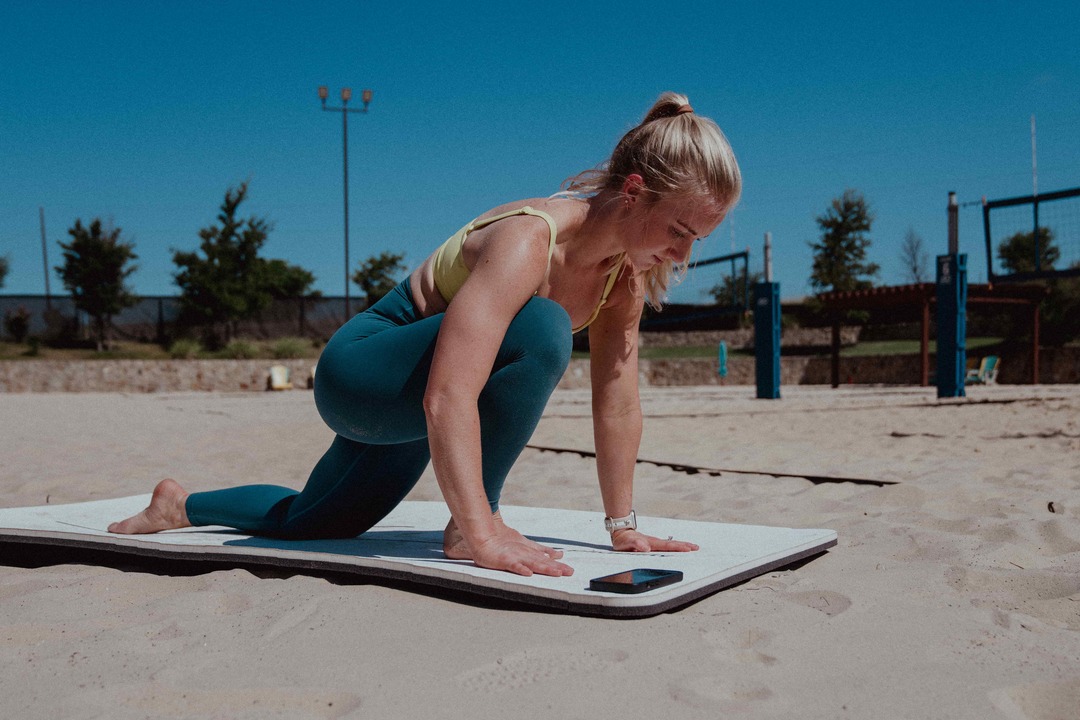
Prolonged sitting undermines your body, your brain, and your future performance capacity. It drives predictable patterns of pain, stiffness, sluggish circulation, and metabolic strain that erode focus and raise the chance of severe chronic illness.
What Happens to Your Spine and Soft Tissue When You Sit All Day?
Sitting shortens the muscles that support your lower back and hips, and overloads the neck and upper traps due to static forward head posture. That mismatch produces the familiar reports of lower back and neck pain, tight hip flexors, and rounded shoulders, and those symptoms do not respond well to one-off stretches.
Think of it like a high-performance engine left idling all day; seals stiffen, oil pools, and the system loses efficiency. You notice it as stiffness in the morning, a creaky lower back by midafternoon, and soreness that stubbornly returns after workouts.
How Does Sitting Change Circulation, Metabolism, and Body Composition?
Reduced leg muscle activity slows venous return and glucose uptake, thereby increasing the risk of metabolic disease over time. According to Mayo Clinic’s guidance on prolonged sitting, sitting for more than 8 hours a day without physical activity increases the risk of dying, similar to the risks associated with obesity and smoking.
This 2025 observation frames prolonged sitting as more than discomfort; it is a measurable contributor to premature mortality when left unaddressed.
What Does Sitting Do to Your Heart and Long-Term Health?
Sustained inactivity magnifies cardiovascular strain by altering blood pressure regulation, lipid handling, and endothelial function. According to Mayo Clinic, people who sit for prolonged periods face a 147% higher risk of cardiovascular events, highlighting the profound health impact of extended sedentary behavior.
In practical terms, prolonged desk-bound days are not harmless background noise; they materially increase the odds of heart attack, stroke, and related events unless you introduce consistent countermeasures.
How Does Sitting Steal Your Focus and Recovery?
You lose alertness in two ways: reduced blood flow to working muscles and the brain, and the chronic ache that becomes a persistent distraction. Cognitive research links prolonged sedentary time to the shrinking of memory-related brain regions and to faster mental fatigue during demanding tasks.
The result is a double hit: physical discomfort that breaks concentration, plus slower learning and worse working memory when you need them most.
Why Posture Fixes Alone Fall Short
Good posture reduces some local strain, but it does not replace dynamic movement. The core failure point is habit: posture can be maintained for a while, but the physiological consequences of immobility accumulate anyway.
This pattern appears across office and studio environments: people adopt ergonomic chairs and still end up with tight hips, poor circulation, and midafternoon brain fog because the body needs repeated, varied motion to maintain tissue health and metabolic responsiveness.
Patches Fragment, Pain Persists
Most teams handle desk time the same way, with minor fixes that feel productive.
They raise a monitor, buy an ergonomic chair, and set a posture reminder. That familiar approach is understandable because it requires no schedule overhaul. Over time, however, those patches fragment into a to-do list of exercises and inconsistent movement, while pain and poor recovery quietly persist.
Platforms like Pliability provide an alternative path, offering short, equipment-free guided routines that slot into the workday, plus three-minute mobility scans, tailored plans, and progress tracking. Hence, movement becomes a measurable habit rather than a forgotten intention.
What Signs Should Trigger Immediate Change?
Watch for persistent stiffness at predictable times, energy crashes after meetings, and training plateaus despite regular workouts. These are the early failure modes: if your running times stall or your lifts feel tighter despite the same effort, the desk is bleeding capacity.
In coaching relationships, I’ve seen this pattern resolve within four weeks when athletes converted three brief daily mobility sessions into a tracked routine; pain decreased, and recovery improved because the body stopped accumulating restrictive tension.
Related Reading
- Mental Training Techniques
- How to Increase Presence of Mind
- Mindful Morning Routine
- Reducing Anxiety Without Medication
- How to Train Your Mind
- How to Release Tension in Body
- Why Do I Get So Tired in the Afternoon
- Mindful Stretching
- How to Stay Focused at Work
- How to Get Rid of Brain Fog
24 Desk Yoga Stretches to Stay Active at Your Desk
.jpeg)
Sitting tightens tissues and blunts movement, which contributes to the chronic aches most people tolerate. According to Verywell Fit, 80% of people experience back pain at some point in their lives, a reminder that proactive desk mobility is a practical necessity, not an indulgence.
With consistent practice, small daily stretches compound; according to Verywell Fit, regular stretching can improve flexibility by about 20%. That level of improvement can meaningfully enhance how you move both at work and in sport.
1. Seated Pose
A centering, upright base that calms the nervous system and resets posture.
How to Do It, Step by Step
- Sit mid‑chair with feet hip‑width apart and flat on the floor.
- Rest your hands on your thighs, lengthen through the spine, and soften your shoulders.
- Soften the jaw, breathe slowly for two minutes while noticing sounds and sensations.
Safety Tips and Modifications
If your lower back rounds, sit on a folded towel or roll up a towel to support the lumbar curve. If seated uncomfortably, stand for 30 seconds and return.
Expected Benefits
- Grounded breathing
- Reduces forward‑head bias and primes spinal alignment.
2. Neck Rolls
Slow, controlled circles that mobilize the cervical spine and relieve stiffness.
How to Do It, Step by Step
- Take off your shoes if wearing heels, sit tall, and close your eyes.
- Chin to chest, then slowly draw the right ear to the right shoulder, head back gently, left ear to left shoulder, and forward to the chin.
- Perform 3–5 slow rolls, then reverse direction.
Safety Tips and Modifications
Move slowly; never force through pain. If dizziness occurs, stop and do gentle neck tilts instead.
Expected Benefits
- Releases neck bands
- Reduces tension headaches
- Restores rotation
3. Cat-Cow Stretch (Seated Version)
Alternating spinal flexion and extension to increase mobility through the thoracic and lumbar spine.
How to Do It, Step by Step
- Feet flat, hands on knees.
- Inhale, arch the back, lift the chest, and gaze upward (cow).
- Exhale, round the spine, drop the chin towards the chest (cat).
- Repeat 3–5 complete breath cycles.
Safety Tips and Modifications
Keep movements small if you have lower back pain. If you feel sharp pain, stop and maintain neutral spine.
Expected Benefits
- Energizes the back
- Improves thoracic extension
- Eases shoulder tension
4. Seated Forward Bend
What it is and what it does: A gentle hip hinge from the chair that decompresses the spine and stretches the posterior chain.
How to Do it, Step by Step
- Pull your chair slightly away from the desk.
- Feet flat, interlace fingers behind the back.
- Straighten your arms and draw them down behind you.
- Hinge at the hips, fold the chest toward the thighs, and let the head hang for 3–6 breaths.
Safety Tips and Modifications
Bend knees slightly if hamstrings are tight, and avoid forcing the fold if you feel lower back pinching.
Expected Benefits
- Lowers lumbar load
- Stretches hamstrings and shoulders
- Calms the nervous system
5. Seated Eagle
A cross-limb wrap that opens the upper back and external hip rotators without balance demand.
How to Do It, Step by Step
- Cross right leg over left, hooking right foot behind left calf if possible.
- Extend arms, cross left over right at the elbows, wrap forearms, and bring palms together.
- Lift elbows, slide shoulders down the back, hold 3–5 breaths.
- Repeat on the other side.
Safety Tips and Modifications
If the knees are sensitive, keep the feet on the floor and only cross the ankles. For shoulders, simply hold opposite elbows.
Expected Benefits
- Releases the upper back
- Improves shoulder mobility
- Opens the outer hips
6. Seated Spinal Twist
Rotational mobility for the thoracic spine and hips, countering long periods of forward sitting.
How to Do It, Step by Step
- Sit sideways in the chair so your knees point forward.
- Plant both feet, grip the back of the chair with both hands.
- Inhale to lengthen, exhale to rotate toward the chair back; hold 3–5 breaths.
- Turn 180 degrees and repeat to the other side.
Safety Tips and Modifications
Keep hips square; initiate the twist from your ribs, not the neck. If you have a recent spine injury, avoid deep rotation.
Expected Benefits
- Restores rotation
- Reduces stiffness across the mid‑back and spine.
7. Wrist Stretch
Wrist flexion and extension stretches to relieve repetitive strain from typing and mouse use.
How to Do It, Step by Step
- Stand and face your desk.
- Turn the palms down toward the desk edge, with the fingers pointing at the desk.
- Lean away with arms straight to feel a stretch; then flip palms so fingers point toward you and repeat.
- Hold each position 15–30 seconds.
Safety Tips and Modifications
Ease off if you feel wrist pain. Use a soft pillow under your palms to reduce pressure.
Expected Benefits
- Reduces wrist tension
- Improves grip comfort
- Lowers the risk of repetitive strain
8. Standing Pigeon
A hip opener performed using the desk as support to release deep glute and hip rotators.
How to Do It, Step by Step
- Stand facing the desk.
- Place the right shin on the desk parallel to its edge.
- Hinge forward at the hips over the right leg until you feel a stretch in the glute/hip.
- Hold 4–6 breaths, then switch sides.
Safety Tips and Modifications
If the desk height is too low, use a chair seat. Keep the front knee soft to protect the joint.
Expected Benefits
- Reduces hip tightness
- Improves external rotation
- Eases lower back strain
9. Seated Mountain Pose (Tadasana Seated)
vertical lift that lengthens the spine and creates thoracic space.
How to Do It, Step by Step
- Sit tall, inhale, and, if comfortable, reach your arms overhead.
- Bring palms to touch gently above the head, lift through the ribs, and breathe into the belly for five breaths.
Safety Tips and Modifications
If your shoulders hurt, keep your hands at shoulder height. Use a wall behind you for postural feedback.
Expected Benefits
- Improves posture
- Opens chest
- Resets alignment after slouching
10. Eagle Arms
Upper‑body bind that targets the shoulders, upper back, and neck.
How to Do It, Step by Step
- Extend both arms forward, then cross the left over the right at the elbows.
- Bend elbows, bring palms together if possible, and lift elbows toward the face.
- Rest chin on the top arm and breathe for 3–5 breaths.
- Press arms away on an inhale, then switch sides.
Safety Tips and Modifications
If palms do not meet, hold opposite wrists or use a strap. Keep breathing steady.
Expected Benefits
- Reduces shoulder impingement
- Opens the upper back
- Relieves neck tension
11. Supported Chair Pose
A partial chair squat at the desk that activates quads and core while building posture endurance.
How to Do It, Step by Step
- Stand with feet hip‑width apart, fingertips on the desk.
- Lift heels, bend knees, sit hips back as if to sit, keep heels lifted, and keep chest long.
- Hold 3–5 breaths, then stand.
Safety Tips and Modifications
Keep the knees behind the toes; use a lower desk or countertop for greater support. If knees hurt, reduce depth.
Expected Benefits
- Strengthens glutes and quads
- Improves hip hinge pattern
- Wakes postural muscles
12. Framed Chair Pose
A playful arm‑framing variation that emphasizes shoulder stability and breath control while holding the Chair position.
How to Do It, Step by Step
- From supported Chair Pose with heels lifted, bring forearms in front like a frame around your face.
- Hold five breaths, then switch arm cross‑grip and repeat.
Safety Tips and Modifications
If the shoulders fatigue, lower your arms. Keep your knees soft to protect the joints.
Expected Benefits
- Enhances shoulder endurance
- Improves breath rhythm
- Integrates upper and lower body engagement
13. Hands to Heart
A grounding cue that brings attention to breath and autonomic regulation.
How to Do It, Step by Step
- Stand, lower the chin slightly.
- Place your left hand on top of your heart.
- Breathe slowly for 2–4 breaths and notice the rhythm.
Safety Tips and Modifications
If standing is hard, remain seated with the exact hand placement.
Expected Benefits
- Lowers stress response
- Improves interoception
- Helps focus
14. Seated Cat-Cow (Bitilasana-Marjaryasana)
A repeat of the earlier spinal mobilization with attention to chest expansion and upper back stretch.
How to Do It, Step by Step
- Place hands on thighs or knees.
- Inhale, chest forward, lift chin for cow.
- Exhale, round the spine, and tuck the chin for cat.
- Cycle 5–8 times with breath.
Safety Tips and Modifications
Keep movements within comfort. Avoid deep arching if you have spondylolisthesis or acute pain.
Expected Benefits
- Increases spinal mobility
- Opens chest
- Reduces upper back tightness
15. Seated Simple Twist
A focused rotational stretch for mid‑back and posterior obliques, useful during long computer sessions.
How to Do It, Step by Step
- Sit tall, left hand on the back of the chair, right hand on the armrest.
- Initiate twist from the ribcage, not by yanking with your hands; hold 3–5 breaths.
- Switch sides.
Safety Tips and Modifications
Keep both feet grounded; avoid forcing rotation if you have a herniated disc.
Expected Benefits
- Restores mid‑back rotation
- Eases lower back stiffness
16. Breath of Fire
A rhythmic, active breathing technique that energizes and clears the mind.
How to Do It, Step by Step
- Reach arms overhead about 60 degrees, cup the hands.
- Practice rapid, passive inhales with forceful, nasal exhalations, up to 100 quick breaths if comfortable.
- End with a deep inhale, hook the thumbs overhead, take three small inhalations, then exhale and bring the hands to the heart.
Safety Tips and Modifications
If you have high blood pressure, are recovering from recent surgery, or are pregnant, do gentler-paced breathwork or consult a clinician.
Expected Benefits
- Raises alertness
- Increases core engagement
- Improves nasal breathing capacity
17. Shoulder Frames
Repetitive overhead and forward arm movements that reinforce shoulder control and reduce stiffness.
How to Do It, Step by Step
- Frame your arms and inhale to lift overhead.
- Exhale, lowering your arms in front of you.
- Move with breath for 8–10 cycles.
Safety Tips and Modifications
If shoulders ache, reduce range and keep elbows soft. Pause if you feel sharp pain.
Expected Benefits
- Improves scapular rhythm
- Reduces shoulder strain
- Enhances movement coordination
18. Chair Pigeon
A seated version of the pigeon that opens the hips and maintains even weight distribution.
How to Do It, Step by Step
- Sit upright, place your right ankle over your left knee at 90 degrees, and flex your right foot.
- Keep weight evenly on both sit bones, hinge forward slightly until you feel a gentle stretch.
- Hold 5–10 breaths, then switch sides.
Safety Tips and Modifications
Use a cushion under the lifted knee if the hip joint feels compressed. Avoid forcing the fold.
Expected Benefits
- Increases hip external rotation
- Reduces sciatic‑type tension
- Improves sitting comfort
19. Sit and Stand Chair Pose
A repeating sit‑to‑stand that rebuilds posterior chain strength and movement control lost to prolonged sitting.
How to Do It, Step by Step
- Sit with feet flat, knees at 90 degrees.
- Press through the heels, stand using only legs and glutes.
- Sit slowly using controlled eccentric lowering.
- Repeat for 8–12 reps.
Safety Tips and Modifications
Use arms on the chair if balance is an issue. Keep knees tracking over toes.
Expected Benefits
- Builds glute and hamstring activation.
- Restores functional strength for everyday movement.
20. Standing Seal Pose
A full‑body opening that stretches the spine and shoulders while linking breath and attention.
How to Do It, Step by Step
- Stand with feet 3–4 feet apart.
- Interlace fingers behind your back, inhale, and squeeze shoulder blades together.
- Hinge forward at the hips with straight legs and arms, hold 4–8 breaths.
- Inhale to stand and squeeze blades together, exhale to release.
Safety Tips and Modifications
Slightly bend knees if hamstrings are tight. Do not lock the neck; keep it long.
Expected Benefits
- Spinal decompression
- Shoulder opening
- Improved mental clarity
21. Chaturanga (Desk Variation)
A leaning push that strengthens the arms, shoulders, and torso while reducing neck tension.
How to Do It, Step by Step
- Place hands shoulder‑width on the desk edge, walk feet back until the chest forms a diagonal to the floor.
- Inhale, lower elbows to 90 degrees, keeping them close to the ribs.
- Exhale, press back to start. Do 8–12 reps.
Safety Tips and Modifications
If wrist pain appears, place a folded towel under palms or perform from a higher surface. Keep the core engaged to protect the lower back.
Expected Benefits
- Strengthens the upper body
- Activates scapular stabilizers
- Eases neck load
22. Upward Dog (Desk Variation)
A chest‑opening progress from desk Chaturanga that lengthens the spine and opens the anterior chain.
How to Do It, Step by Step
- From the desk, hand placement, walk feet back, and keep arms straight.
- Lean hips toward the desk and lift the chest, keeping legs active to avoid lumbar collapse.
- Hold 5–10 breaths, then exhale and fold at the hips to release.
Safety Tips and Modifications
Engage the lower abdominal muscles to support the lower back. If you have lower back pain, keep a gentle bend instead of a full lift.
Expected Benefits
- Opens chest
- Improves posture
- Counteracts forward‑rounded shoulders
23. Seated Side Bends
Lateral flexion to mobilize the ribs, intercostals, and oblique muscles, easing side‑sitting stiffness.
How to Do It, Step by Step
- Sit with feet hip‑width apart.
- Reach both arms overhead and lengthen.
- Relax your right arm by your side, and reach your left arm to the right for a side bend. Hold 1-3 breaths.
- Return to the center and switch sides.
Safety Tips and Modifications
Keep both sit bones grounded. If you have rib or abdominal surgery, move slowly or skip the exercise.
Expected Benefits
- Increases lateral mobility
- Eases rib and side tension
- Improves breathing expansion
24. Seated Heart Opener
A low‑back friendly chest opener that lifts the thorax and retracts the shoulders.
How to Do It, Step by Step
- Scoot to the front edge of the chair.
- Interlace fingers behind the low back and reach knuckles away from the head.
- Roll shoulders down and back, lift the chest, hold 3–5 breaths.
- Release and rest.
Safety Tips and Modifications
If interlacing behind the back is uncomfortable, hold fingertips or use a strap between hands.
Expected Benefits
- Restores thoracic extension
- Reduces forward‑head posture
- Opens breathing capacity
A Practical Note About How People Currently Manage Desk Stiffness
Most of us patch the problem with short walks, caffeine, or random stretches because those options are familiar and require no new tools. That approach helps in the moment, but over weeks, it leaves mobility gains inconsistent, progress unmeasured, and tightness recurring across the workweek.
Solutions like Pliability provide short trainer‑led routines, a 3‑minute mobility scan, and progress scores that make daily practice consistent and measurable, so people move from random relief to reliable improvement.
One Vivid Image to Carry with You
Think of your tissues like a rope you use every day; if you never oil the fibers, they fray and become brittle, but a few minutes of care preserves strength and responsiveness.
Curiosity Loop
What most people don’t realize is how quickly measured progress appears once you stop doing stretches randomly and start tracking them with a consistent plan.
Related Reading
- How to Beat Afternoon Slump
- How to Improve Working Memory
- Yoga for Focus
- Neuromotor Exercise
- Brain Gym Exercises
- Mind Body Exercise
- Stress Relieving Stretches
- Exercises for Brain Fog
- Mental Focus Exercises
- Morning Brain Exercises
Improve Your Flexibility with Our Mobility App Today | Get 7 Days for Free on Any Platform
I know how defeating desk-bound tightness feels, so consider Pliability, a fresh, performance-focused take on yoga that turns short desk yoga stretches and chair yoga into a habit that actually moves the needle. Its high-quality video library, daily-updated custom mobility programs, and body-scan feature help you pinpoint and track mobility gains, and you can sign up for a free seven-day trial on iPhone, iPad, Android, or on the web.
Related Reading
- Mental Training Exercises for Athletes
- Brain Biohacking Exercises
- Cognitive Activities for Adults
- Improve Attention to Detail Exercises
- Cognitive Flexibility Exercises
- Gentle Movement Exercises
- Energy Exercises
- Micro Workouts
.jpg)