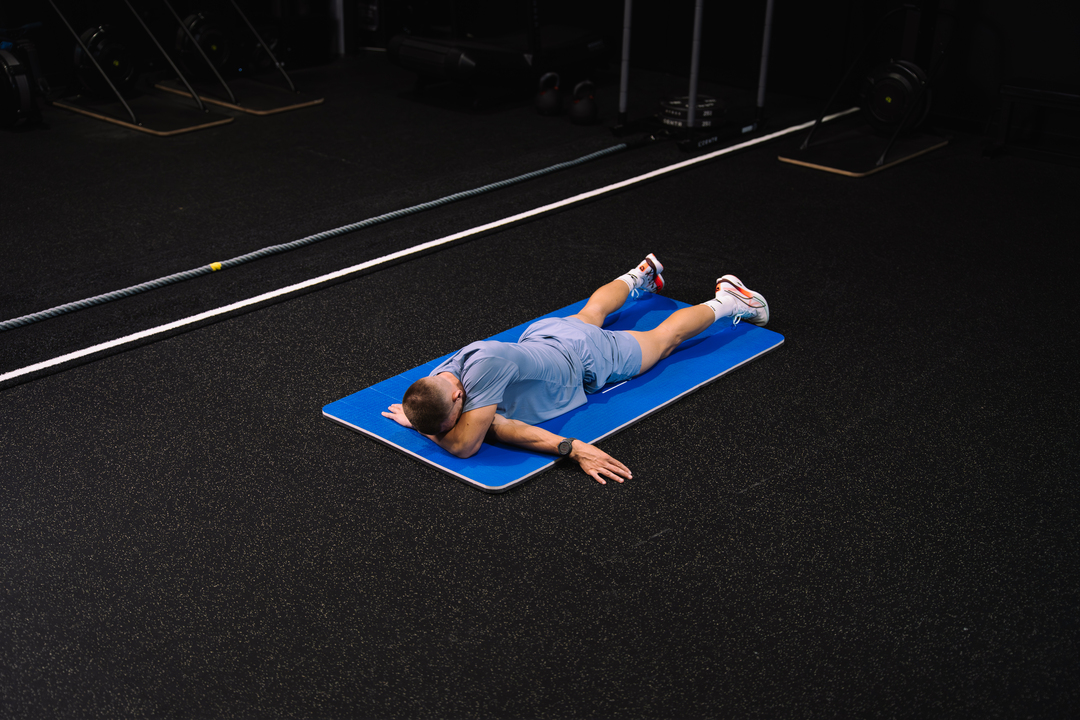
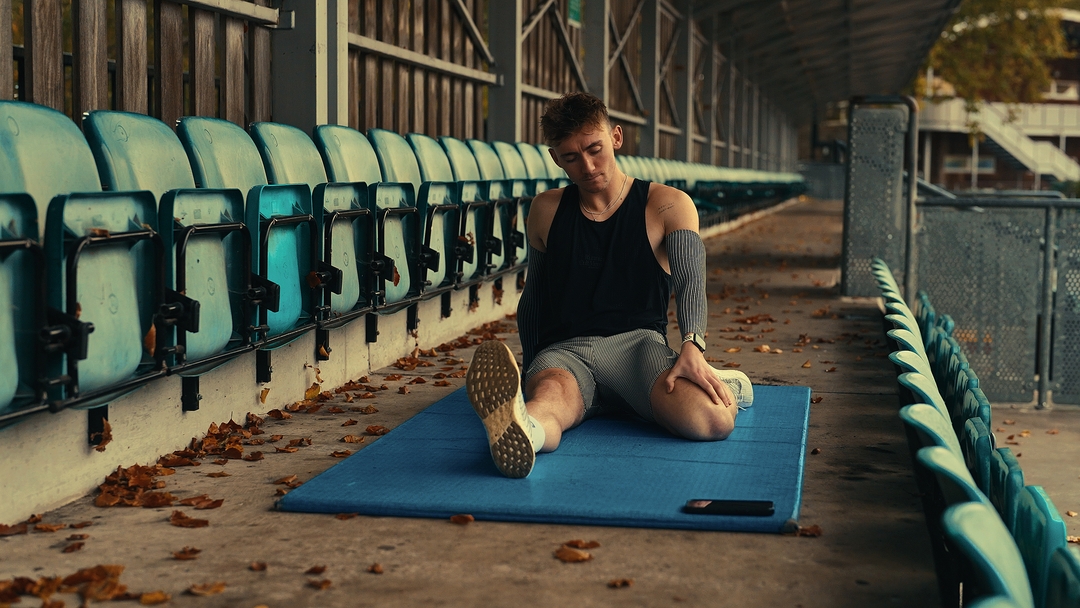
.jpg)
17 Best Exercises for Brain Fog to Improve Focus and Clarity
.webp)
You know the fog: your head feels heavy, words stall, and simple tasks take longer than they should. What if short attention training and movement could clear that haze with breathwork, concentration drills, memory exercises, and mindful pauses that speed processing, boost recall, and help your brain rewire for sharper focus? Exercises for Brain Fog lays out practical cognitive exercises, mobility moves, and mindfulness cues you can use now to clear brain fog and regain sharp focus and mental clarity through simple, easy-to-fit-into-daily-life activities.
To help reach those goals, Plaibility's mobility app delivers short guided sessions that blend movement, breathwork, attention training, and memory drills. Hence, you reduce mental fatigue, sharpen concentration, and make cognitive training part of your routine.
Summary
- Brain fog is a common, nonclinical state driven by chronic stress, poor sleep, low movement, dehydration, and excess screen time, affecting approximately 60% of people at some point.
- When brain fog is linked to chronic conditions, it becomes harder to shift, with over 30% of people with chronic fatigue syndrome reporting persistent cognitive haze, and many clients still feeling fatigued after three to six months of treatment.
- Short bouts of movement produce immediate cognitive boosts: five- to fifteen-minute brisk walks or dynamic mobility drills often restore attention within a single session. Sustained activity is associated with a 30% reduction in mental decline and a 15% increase in memory-related brain volume over time.
- Low-barrier micro-sessions improve adherence for energy-limited people. For example, starting with two-minute sessions twice daily for two weeks increases consistency, and micro sessions of about 6 to 12 minutes serve as practical maintenance on low-energy days.
- Prioritize frequency and scheduling over intensity, aiming for daily activation plus two to three focused sessions per week, and use a three-tier system of 6 to 12 minute microblocks, 20 to 30 minute mid-length sessions, and an occasional 45 minute session, with research showing a 45 minute moderate session can boost cognitive function by roughly 15%.
- Ad hoc, scattered tactics create hidden costs and erode motivation. Limit anchors to no more than three fixed cues, automate reminders, and favor a consistent 6-minute practice when energy is low, because regular small deposits compound into measurable gains.
Pliability's mobility app addresses this by delivering short, guided sessions that combine micro-movements, paced breathing, attention drills, and simple tracking, so users can see which brief practices actually improve focus.
What Causes Brain Fog and Why It Won’t Go Away

Brain fog is a lived, nonclinical feeling of mental cloudiness that slows thinking, makes words more challenging to find, and makes even simple choices suddenly taxing. It usually stems from everyday pressures such as chronic stress, poor sleep, limited activity, dehydration, or excessive screen time, and it lingers when those habits persist rather than being addressed.
What Does Brain Fog Feel Like in Practice?
You know the moment. You walk into a room, and the reason evaporates, or you read the same paragraph three times, and it never lands. Those are not just annoyances. They are signals that your cognitive systems are working harder to perform routine tasks.
In practice with people rebuilding daily functioning after illness, the pattern is consistent: attention fragments, working memory shrinks, and motivation appears as fatigue more than stubbornness.
Why Does This Keep Happening to Otherwise Capable People?
The familiar causes pile up and reinforce one another:
- Sleepless nights amplify stress reactivity.
- Stress fractures decision energy.
- Decision fatigue can lead you to resort to passive coping, such as scrolling.
- Passive coping worsens sleep, and the cycle tightens.
Approximately 60% of people experience brain fog at some point, according to UPMC HealthBeat, suggesting this is a typical functional pattern rather than a personal failing. That frequency matters because common problems deserve practical systems, not shame.
How Do Chronic Conditions And Allergies Change The Picture?
When brain fog accompanies a chronic illness, it often becomes more entrenched and more complex to shift. Over 30% of individuals with chronic fatigue syndrome report persistent brain fog, according to UPMC HealthBeat, which explains why recovery timelines can stretch for months.
We work with clients who, after three to six months of treatment, still describe feeling tired, weak, and lightheaded, and with that physical tiredness comes frustration and a creeping helplessness that makes social and work situations feel unsafe. For people whose allergies play a role, a small, practical timing change often helps; taking antihistamines at night to limit daytime drowsiness is one low-friction adjustment that has reduced cognitive haze for several clients.
What Does the Typical Fix Look Like, and Where Does It Fall Short?
Most people patch the fog with scattered tactics:
- A sleep app for a week
- A morning supplement
- A to-do list that grows longer than it gets done
That approach is understandable because it is familiar and quick to try, but it fails when improvements are slow or invisible.
What follows is a predictable, context-driven failure:
Partial fixes provide temporary relief, but they do not address upstream drivers such as circadian disruption, reduced oxygenation from lack of movement, or chronic low-level inflammation, so the fog returns.
How Could Tools and Structure Change Results?
Most people try ad-hoc habit changes because they feel doable and low-commitment. That works at first, but as competing demands increase and data remains scattered, small wins evaporate and momentum stalls.
Platforms like Plaibility provide structured habit scaffolds and measurable cognitive exercises, giving users clear feedback loops and consolidated tracking so improvements are visible and sustainable, compressing the time it takes to move from guesswork to reliable progress.
What Does Recovery Look Like In The Near Term?
Focus on one predictable lever for two weeks and measure it, not five vague promises. For example, pick a concrete sleep window and guard it for 14 nights while logging subjective focus each morning. Replace indefinite scrolling breaks with two timed, movement-based pauses per work hour.
Those changes create readable signals. When you see consistent morning gains, you know which habit to scale. This method avoids overwhelmed calendars and replaces hope with small, replicable wins.
The Scalability Trap: From Familiar Tools to Data Fog
Think of brain fog like static on a radio signal; you can fiddle with the dial endlessly, or you can move the antenna, reduce interference sources, and lock the frequency. Which option would you like to try next?
But the surprising part about clearing this fog is not what works; it is what nobody talks about next.
Related Reading
- Desk Yoga Stretches
- Mental Training Techniques
- How to Increase Presence of Mind
- Mindful Morning Routine
- Reducing Anxiety Without Medication
- How to Train Your Mind
- How to Release Tension in Body
- Why Do I Get So Tired in the Afternoon
- Mindful Stretching
- How to Stay Focused at Work
- How to Get Rid of Brain Fog
Why Physical Movement is Key to Fighting Brain Fog

Movement sharpens thinking by changing the brain’s immediate chemistry and by building structural resilience over weeks, so short, repeatable bouts of motion are both a quick fix and a long game. Small, intentional movements increase cerebral perfusion, reduce metabolic noise, and shift autonomic balance in ways that make decision-making, memory, and focus easier to access.
How Does Movement Change the Brain in Minutes?
When you move, blood flow to active brain regions increases, delivering oxygen and glucose where neurons need them most, and flushing local metabolic byproducts that blunt signal clarity. That surge occurs quickly, which is why a five-to fifteen-minute brisk walk or a set of dynamic mobility exercises often produces a noticeable improvement in attention and word recall within a single session.
Think of it like rinsing a fogged lens, not polishing the whole camera; the signal becomes sharper because supply and clearance improve.
How Does Repetition Change the Brain Over Months?
Repeated sessions do more than repeat short-term boosts; they remodel tissue and connectivity. A 2025 Journal of Applied Physiology analysis found a 30% reduction in cognitive decline, indicating that consistent movement slows measurable loss of cognitive performance over time.
In the same research year, another finding documented a 15% increase in brain volume in memory-related regions following sustained activity, indicating real structural gains that support attention and recall.
What Role Does The Nervous System Play, and Can Gentle Movement Calm a Scattered Mind?
The autonomic nervous system is the switch between scattered reactivity and calm focus. Low-effort movements that pair rhythm and breath, such as walking with a steady inhale-exhale cadence or slow yoga flows, raise vagal tone and reduce sympathetic overdrive. That downshift reduces physiological noise, such as:
- A jittery heart rate and scattered cortisol spikes
- Restoring the brain’s capacity for sustained attention
In practice, a two-to three-minute paced-breath warm-up before a cognitively demanding task changes the body’s baseline enough to reduce intrusive distraction.
What Do I Do When Fatigue Makes Exercise Feel Impossible?
People know movement helps, yet exhaustion puts even basic motion out of reach. When we worked with clients recovering from illness, the pattern became clear.
Starting with two-minute, low-load micro-sessions twice daily for two weeks often increased adherence and enabled longer options, because the timing and intensity met real energy constraints. Practical, low-barrier options that produce measurable effects include seated leg extensions, ankle pumps, slow chair stands, and a short rhythmic arm-swing routine, each designed to increase perfusion without requiring recovery resources.
From Scattered Data to Structured Mobility Systems
Most people try quick fixes like tracking steps or random workout plans because those feel actionable and familiar. That works until the data remains scattered and no one links movement to cognitive outcomes.
Platforms like Plaibility provide structured micro-movement schedules, timed prompts, and integrated cognitive self-reports, helping users see which brief practices reliably move the needle, compressing months of trial into weeks of readable progress.
Which Movement Patterns Give the Best Ratio of Benefit to Effort?
Focus on three reliable levers: mild aerobic activation to raise global perfusion, low-resistance strength moves to preserve motor-cognitive links, and paced breath combined with slow movement to regulate arousal.
Use these as templates, not prescriptions:
- Short aerobic bursts before heavy thinking.
- Gentle strength to anchor posture for prolonged work.
- Breath-paced resets whenever attention fragments.
Over weeks, that mix builds a predictable portfolio of gains, where each small habit compounds into steadier focus and faster recovery from cognitive lapses.
Picture it like tuning an engine:
Short revs warm the components and clear condensate, so the machine responds crisply and regularly, and regular, modest maintenance prevents long-term wear.
The following section will identify which specific, low-effort movements consistently produce that crispness across different energy levels and schedules.
That simple habit helps, but the exact moves that reliably cut through brain fog are surprisingly specific and worth learning next.
17 Best Exercises for Brain Fog Relief
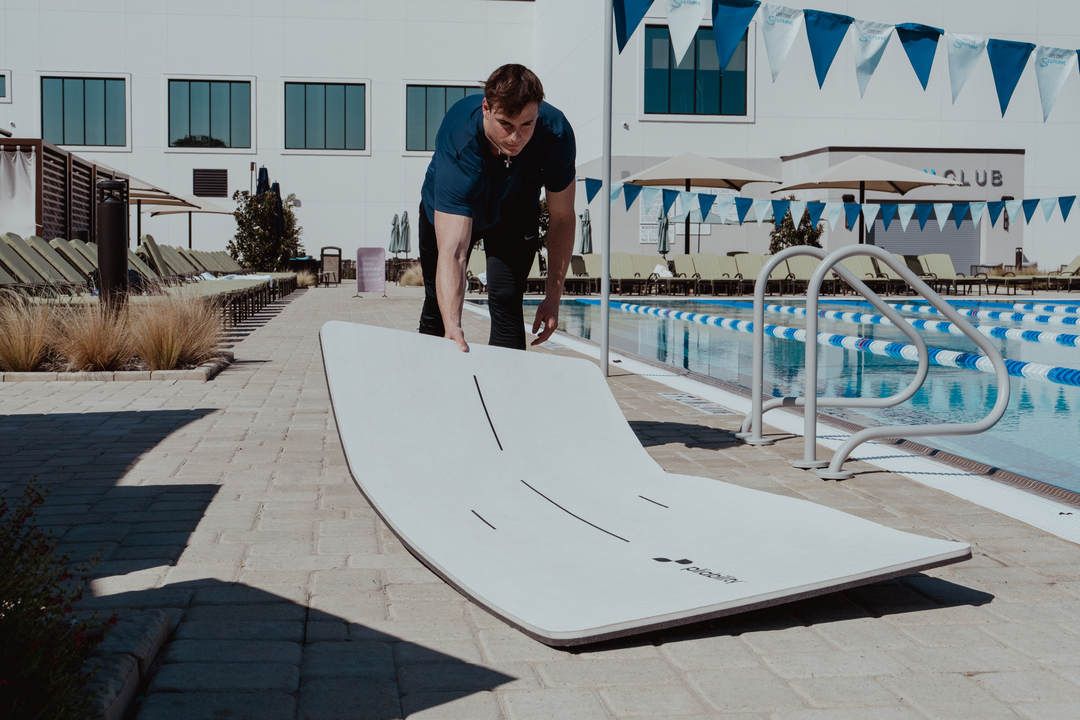
These 17 exercises form a practical toolkit you can mix and match by energy level and context, with clear cues so you spend less time guessing and more time getting sharper. Below each exercise, state what it is, how it clears mental fog, who benefits most, and provide step-by-step instructions, plus one or two practical progressions or safety notes.
1. Good Mornings (10–20 reps)
A slow, spinal-mobilizing hip hinge that wakes the posterior chain and improves upper-back posture.
How it clears fog:
- Restoring spinal mobility reduces neck and shoulder compression that steals attention, and the slow roll pattern brings mindful sensorimotor control.
Best for:
- People who sit for long hours, those with mild thoracic stiffness, and anyone beginning mobility work.
How to do it:
- Stand feet hip-width. Soften knees slightly.
- Nod your chin and slowly roll the spine forward, one vertebra at a time until you feel a comfortable mid-back stretch.
- Let shoulders hang, breathe, then roll back up slowly, stacking vertebrae.
- At the top, pinch your shoulder blades back and down and hold 5 seconds.
- Repeat 10–20 controlled reps.
Progress by adding a light band across the back for tactile feedback.
Common cue:
- Move slowly enough to feel each segment of the spine; pain is a stop sign.
2. Scapular Reactions (3 Directions, 10 reps per side)
Dynamic arm swings that coordinate shoulder blades, hips, and core across three planes.
How it clears fog:
- Coordinated full-body rhythm increases circulation and body awareness, drawing attention away from the head and back into coordinated movement.
Best for:
- People who feel stiff in the shoulders, remote workers, and anyone wanting rapid circulation gains without heavy load.
How to do it:
- Direction 1, Forward/Backward: stagger stance, swing one arm back then overhead as you shift weight forward; 10 reps each side.
- Direction 2, Side-to-Side: feet hip-width, swing arm out to side and overhead, pivoting through hips; 10 reps per side.
- Direction 3, Rotational: palms up in front, swing arm back while rotating hips, then bring palm down as arm comes forward; 10 reps per side.
Progression:
Add a soft ball between the shoulder blades to reinforce scapular control. Avoid flaring the ribs while rotating.
3. Body Tapping
Rhythmic percussion across large muscle groups to reorient the nervous system.
How it clears fog:
- Tactile stimulation resets arousal and brings attention into the body, interrupting rumination and increasing present-moment clarity.
Best for:
- People with high anxiety, low energy, or who feel dissociated midday.
How to do it:
- Stand comfortably. Make balled fists.
- Tap upper chest, shoulders, arms, then thighs and lower legs.
- Keep pressure firm but not painful. Breathe slowly.
- Continue 2–3 minutes, noticing tension release each exhale.
Practical tip:
Use tapping between task blocks to reset focus without leaving your desk.
4. Tree Shaking
Vigorous arm shaking above the shoulders to release neck and upper-back tension.
How it clears fog:
- Rapid rhythmic movement breaks static tension patterns that hold the neck and jaw tight, restoring freer breathing and clearer thought.
Best for:
- Anyone emerging from long periods of sitting, or those experiencing jaw and neck tightness.
How to do it:
- Sit or stand feet shoulder-width.
- Raise arms overhead and shake them out briskly.
- Breathe through the nose, pick up pace if you feel light-headed for an added metabolic jolt.
- Continue 1–3 minutes until you notice tension drop.
Safety note:
- Pause if dizziness occurs, then reintroduce more slowly.
5. Standing Breath of Fire
A fast diaphragmatic exhalation rhythm that energizes circulation and alertness.
How it clears fog:
- Short, rhythmic exhalations shift autonomic tone to an activated state, sharpening attention and quickly warming the body.
Best for:
- Midday slumps, before a focused meeting, or when you need an immediate boost in alertness.
How to do it:
- Stand feet shoulder-width apart, arms relaxed or overhead.
- Snap lower belly in on each exhale, relax on the inhale. Keep breathing through the nose.
- Start slowly, build to a comfortable cadence for 30–90 seconds.
- Finish by returning to normal breath and noticing visceral changes.
Progression:
Combine with a short mobility sweep for added circulation. Stop if you feel light-headed.
6. Arm and Leg Squeezes
Sequential self-compression from proximal to distal to increase circulation and proprioceptive awareness.
How it clears fog:
- The applied pressure improves venous return and focuses attention on bodily sensation, reducing diffuse cognitive noise.
Best for:
- High anxiety states, low-energy mornings, and recovery days when intensive motion is not possible.
How to do it:
- Sit or stand. Use your opposite hand to squeeze from the shoulder to the fingers on one arm.
- Repeat on the other arm, then squeeze from thigh to toes on each leg.
- Breathe deeply and notice sensations. Spend 5–8 squeezes per limb.
Practical cue:
Use slower pacing when fatigue is high; the goal is sensation, not force.
7. Deep Breathing
Slow diaphragmatic breathing that increases tidal volume and vagal regulation.
How it clears fog:
- Slower, controlled breaths reduce physiological stress and improve oxygen delivery to attention-supporting tissues; pairing breathing with short meditation enhances these effects, as shown by BBC News. Regular meditation can reduce symptoms of brain fog by 25%.
Who it’s best for:
- Anyone with anxiety-driven fog or sleep-debt-related cloudiness.
How to do it:
- Sit or lie comfortably. Inhale through the nose, let the abdomen rise.
- Exhale slowly through the mouth, allowing the abdomen fall.
- Repeat for 6–10 breaths, then return to normal breathing for task work.
Variation:
Use counted breathing, 4 in, 6 out, to bias parasympathetic tone when planning to relax.
8. Stretching
Targeted muscle lengthening to improve flexibility and local circulation.
How it clears fog:
- Release of muscular tension, especially in the neck and shoulders, reduces nociceptive input that distracts attention.
Best for:
- Stiffness after long sessions, and for people who prefer low-effort interventions.
How to do it:
- Choose gentle stretches: standing forward fold, side stretch, neck tilts.
- Hold each 20–45 seconds with slow diaphragmatic breaths.
- Move to the edge of the stretch, not into pain.
Practical progression:
Add dynamic components, such as slow reach-and-release sequences, before sitting down to work.
9. Walking
Low-impact aerobic activity performed outdoors or indoors.
How it clears fog:
- Sustained, moderate walking increases cerebral perfusion and primes executive function, aligning with findings that BBC News reported a study showing that 30 minutes of aerobic exercise can improve cognitive function by 20%.
Best for:
- People who can tolerate low-intensity cardio and those who need a predictable, low-barrier way to boost clarity.
How to do it:
- Start with 10–30 minutes at a brisk pace that raises breathing but allows conversation.
- Use varied terrain or stairs to gradually increase the challenge.
- Pair with a focused intention: recall three things you need to solve to anchor cognition.
If fatigue is severe, break into two 15-minute segments and track perceived effort.
10. Balance Exercises
Single-leg stands and controlled gait patterns that challenge proprioception.
How it clears fog:
- Balance tasks force attentional resources to coordinate posture and sensory input, tightening cognitive control loops.
Best for:
- Older adults, people with mild vestibular complaints, and anyone wanting to integrate motor-cognitive work.
How to do it:
- Stand on one leg for 10–30 seconds, then switch.
- Progress to eyes-closed or soft surface for added challenge.
- Practice heel-to-toe walking along a straight line for 10–20 steps.
Safety:
Hold a chair until steady, and stop if unsteady beyond safe limits.
11. Strength Training
Low-to moderate-resistance movements that preserve muscle and joint integrity.
How it clears fog:
- Strength work sustains neuromuscular pathways that support sustained attention and reduces inflammatory signals that blunt cognition.
Best for:
- People rebuilding resilience, older adults, and those who tolerate brief higher-effort sessions.
How to do it:
- Begin with bodyweight moves: wall push-ups, seated squats, or chair stands, 2–3 sets of 8–12 reps.
- Focus on slow eccentric control and a full range of motion.
- Prioritize form over load; progress by adding light bands or small weights.
Note:
Strength sessions 2–3 times per week produce the best long-term cognitive returns.
12. Cold Water Face Plunge
Short submersion of the face in cold water to trigger the dive reflex and increase alertness.
How it clears fog:
- The reflex acutely increases parasympathetic tone while improving cranial blood redistribution, producing a sharp, immediate clarity.
Best for:
- People who need an instant reset or who tolerate cold exposure safely.
How to do it:
- Fill a bowl with cold water and 2–3 ice cubes.
- Take deep breaths, then submerge your face for 15–30 seconds with eyes closed.
- Pat dry and notice the clarity boost. Repeat every few hours if needed.
Caution:
Avoid if you have uncontrolled cardiac issues; consult a clinician first.
13. Memory Match Cards
Classic paired-card memory games that train working memory and pattern recognition.
How it clears fog:
- Targeted cognitive practice improves retrieval speed and reduces errors caused by inattention.
Best for:
- People who want a low-physical-load way to sharpen recall and short-term memory.
How to do it:
- Shuffle and lay cards face down in a 4×4 grid.
- Flip two cards at a time, aiming to find matches.
- Start small, then increase grid size or add time pressure.
Tip:
Schedule short 5–10 minute sessions after movement breaks to consolidate gains.
14. Quick Physical Bursts
High-effort micro-sprints or calisthenics lasting 30–60 seconds.
How it clears fog:
- Rapid increases in heart rate deliver oxygen and glucose to the brain, producing an immediate lift in attention.
Best for:
- People who can tolerate brief, high-intensity efforts and require rapid cognitive resets.
How to do it:
- Jump in place for 30 seconds, pump arms; or do 20 jumping jacks and 10 desk push-ups.
- Keep effort high but safe, then breathe and return to work.
Modification:
- Replace with brisk marching in place for those with joint limitations.
15. Cross-Body Movement Patterns
Bilateral coordination movements that cross the midline to link brain hemispheres.
How it clears fog:
- These patterns strengthen interhemispheric coordination, improving fluidity of thought and multitasking.
Best for:
- People who feel scattered and those performing cognitively demanding tasks that require integration.
How to do it:
- Touch the right hand to the left knee while marching, alternating for 30 seconds.
- Draw large figure-eights in the air crossing midline for 1–2 minutes.
- Cross-crawl elbow-to-knee walking forward for 30–60 seconds.
Progression:
Add metronome pacing for timed coordination and cognitive load.
16. Mental Map Drawing
Sketching familiar routes or spaces from memory to exercise spatial memory and narrative recall.
How it clears fog:
- Mapping forces multi-domain recall, linking episodic memory with visuospatial processing and thereby strengthening attention networks.
Best for:
- People who prefer low-physical, high-cognitive workouts or who want to rebuild memory confidence.
How to do it:
- On a blank page, sketch your commute, labeling landmarks.
- Try more detailed maps over time, adding turns, store names, or relative distances.
- Time yourself to add gentle pressure and track progress across sessions.
17. Sensory Grounding Practice
A structured five-sense check-in that anchors you to the present moment.
How it clears fog:
- Grounding breaks through diffuse thought loops by directing attention to clear, verifiable sensory input.
Best for:
- Anyone overwhelmed by intrusive thinking or multitasking overload.
How to do it:
- Name 5 things you can see, 4 textures you can touch, 3 sounds, 2 scents, and 1 taste.
- Move slowly and describe each item aloud if possible.
- Repeat anytime attention fragments to re-establish clarity.
Variation:
Combine with light movement for a more substantial embodiment effect.
Its Cost, and a Better Path
Most people handle brain-fog episodes by patching with random walks, one-off stretches, or a new supplement because those moves feel immediately doable and familiar. That works until fatigue and task load increase, leaving interventions scattered, inconsistent, and invisible in their impact, which means progress stalls and motivation declines.
Platforms like Plaibility provide structured micro-movement plans, timed reminders, and simple tracking so users can see which specific exercises actually improve focus, compressing weeks of experimentation into measurable, repeatable gains.
Practical Note From Practice
When we worked with clients recovering from illness over six weeks, the dominant pattern was clear: severe fatigue made baseline activities like walking to the bathroom feel exhausting, so we always began with two-minute micro-sessions and built up slowly, which improved adherence and produced visible cognitive shifts within three weeks. That constraint-based approach is what separates hopeful attempts from reliable recovery.
A Quick Analogy to Keep This Usable
Think of the routine like tuning a radio, not rebuilding the transmitter. Minor, repeated adjustments clear static immediately, while disciplined, measurable progression restores range over weeks.
That simple change speeds the rest of the program, but there’s one detail about dose and timing that consistently surprises people.
Related Reading
- How to Beat Afternoon Slump
- How to Improve Working Memory
- Yoga for Focus
- Neuromotor Exercise
- Brain Gym Exercises
- Mind Body Exercise
- Stress Relieving Stretches
- Mental Focus Exercises
- Morning Brain Exercises
How to Maximize Brain Fog Relief from Exercise
.jpg)
Start by treating movement like a habit you can schedule, not a sudden obligation: short, predictable doses spread through the week beat sporadic, heroic workouts every time. Aim for daily activation, plus two to three planned sessions per week that build capacity, and pair those sessions with simple cues so they sustain through low-energy days.
How Often Should You Move to Get Measurable Change?
If your week is unpredictable, prioritize frequency over length. Schedule brief activation windows each day, two to three focused sessions for strength or aerobic stimulus across the week, and one slightly longer planning slot when your energy allows.
This rhythm creates a reliable signal from small, frequent inputs that add up to lasting improvement, rather than one-off surges that leave you wiped and demoralized.
What Session Lengths Actually Work for Real Life?
Use three tiers so you always have an option that fits your energy that day:
- Micro sessions of 6 to 12 minutes for maintenance.
- Mid-length sessions of 20 to 30 minutes for consistent gains.
A single more extended session when you can, because research shows the Effectiveness of exercise for improving cognition, memory, and executive function: a systematic umbrella review and meta-meta-analysis, reports “A 45-minute session of moderate exercise can improve cognitive function by 15%.” Progress by adding 2 to 5 minutes every week to mid-length sessions until they feel comfortably challenging. The habit is adherence, not intensity.
How Do You Make This Sustainable When Energy Swings?
Match dose to constraint.
- If mornings are flat, add a 6- to 10-minute activation to your existing routine, like after your first bathroom break or while your kettle is running.
- If energy peaks midday, use that window for a 20 to 25-minute focused session that combines light cardio and a couple of strength moves.
This pattern appears across post-illness recovery and busy professional schedules: anchor a practice to a fixed cue, and adherence rises because the decision is removed.
How Should Exercise Be Paired With Hydration, Screens, And Breath Work?
Hydration is a multiplier, not optional. Take 200 to 300 milliliters of water 15 minutes before short sessions, and sip regularly during longer work blocks to prevent subtle dehydration that blunts focus. Use screen breaks as movement triggers: set a gentle timer for 50 to 90 minutes of focused work, then take a 5 to 12-minute active break that combines mobility and paced breathing, such as:
- a 4-count inhale
- 6-count exhale
- Repeated 6 times
That breathing anchors the autonomic shift, so movement enhances cognition rather than just raising heart rate. For heavier tasks, add a brief 60- to 90-second paced-breath warm-up immediately before starting to reduce distractibility.
What Concrete Routines Fit a Cramped Day?
- Low-energy day: Three microblocks of 6 to 8 minutes spread across the day, each pairing a mobility flow with two minutes of slow diaphragmatic breathing.
- Typical day: Two 15 to 20 minute sessions, one in the morning to prime focus and one after lunch to reset the afternoon. Include one strength movement and one brief aerobic element per session.
- Performance day: A 30 to 45-minute moderate session, 60 to 90 minutes before peak work, followed by a 3 to 5-minute breathing reset before your first task. That planned window leverages the post-exercise lift for demanding cognitive work.
What Breaks These Plans and How Do You Fix It?
The standard failure mode is variable scheduling without anchors, which turns intention into friction. When that happens, people skip for entire weeks.
To prevent that, pick no more than three anchoring cues, attach them to fixed activities you always do, and automate reminders. If motivation falls, scale back duration but keep the timing; a consistent 6-minute practice beats zero.
Reducing Friction Through Structured Habits
Most people start with familiar, scattered tactics because they feel doable, but that creates an invisible cost:
- Progress becomes noisy
- Motivation erodes
Platforms like Plaibility offer simple habit scaffolds that respect existing routines, and teams find that scheduling prompts, timed session guidance, and integrated hydration and breathing cues make adherence predictable rather than accidental. That shift reduces the cognitive friction of deciding when and how to move, allowing small, consistent practice to produce measurable cognitive gains.
Why Consistency Matters More Than Perfection
Think of habit-building like making regular deposits to a savings account. Small daily deposits compound; a single large deposit followed by nothing does not. Regular, modest movement stabilizes energy and sharpens attention because the brain learns that supply and clearance are predictable rather than sporadic.
The one complication nobody often mentions is how timing interacts with sleep and caffeine; get that right, and everything else aligns more quickly than you expect.
Related Reading
- Mental Training Exercises for Athletes
- Brain Biohacking Exercises
- Cognitive Activities for Adults
- Improve Attention to Detail Exercises
- Cognitive Flexibility Exercises
- Gentle Movement Exercises
- Energy Exercises
- Micro Workouts
Improve Your Flexibility with Our Mobility App Today | Get 7 Days for Free on Any Platform
If brain fog keeps your movement inconsistent, take a low-friction step: try Plaibility, and we’ll pair short, performance-focused mobility routines with a quick body scan. Hence, your mental clarity shows up as steadier, more reliable movement.
Start a 7-day free trial on iPhone, iPad, Android, or the web and see how brief guided sessions, paced breathing cues, and daily-adjusted plans deliver immediate value with minimal time commitment.
.jpg)