.jpg)
25 Gentle Movement Exercises That Fit Into Any Busy Schedule
.webp)
Stiff shoulders, tight hips, and a foggy mind can quietly steal your focus in the middle of a busy day, and many mental performance plans overlook the simple bodywork that helps. Gentle movement exercises bring slow stretching, mobility drills, breath-aware movement, and short movement breaks into routines that restore range of motion, ease tension, and sharpen attention. Want to add brief, practical mobility work for better posture, joint health, and calm without rearranging your schedule? This article outlines clear, practical ways to weave mindful stretching, soft movement, and micro-movements into your day so you move better and think more clearly.
To make this simple, Pliability's mobility app offers guided short sessions and easy routines that boost flexibility, relieve tension, and fit into spare minutes, so your movement practice supports daily well-being.
Summary
- Regular, targeted stretching can increase range of motion by up to 20% and reduce muscle stiffness by about 15%, according to a 2025 study, which translates into more manageable daily tasks and fewer movement-related flare-ups.
- Brief daily micro-sessions of 5 to 10 minutes, plus a focused 10 to 20-minute routine after workouts, outperform sporadic long sessions because short, consistent practice compounds into measurable mobility gains.
- Designing work-break routines as a single 2- to 4-minute circuit of three low-effort moves produced the most significant behavior change in a six-week office trial, as these tiny circuits remove choice and fit reliably between meetings.
- Anchor micro-sessions to concrete cues like a 3-minute coffee-brew flow or a 2-minute pre-sleep spinal reset, and use a weekly frame such as 150 minutes of activity to distribute effort instead of front-loading long workouts.
- A concise menu of 25 gentle movement exercises covers neck-to-toe needs for desk workers, and treating mobility as daily maintenance prevents the piecemeal, sticky-note approach that fragments consistency.
- Combine breath with movement to regulate the nervous system: coordinate slow cycles of 6 to 10 breaths, and add repeatable 10- to 20-minute walks as low-intensity windows of mobility and circulation.
This is where Pliability fits in: the mobility app addresses this by providing guided short sessions, scheduled reminders, and progress tracking, making micro-session practices easier to maintain.
Why Stretching Exercises Are Your Secret Weapon Against Pain and Stiffness
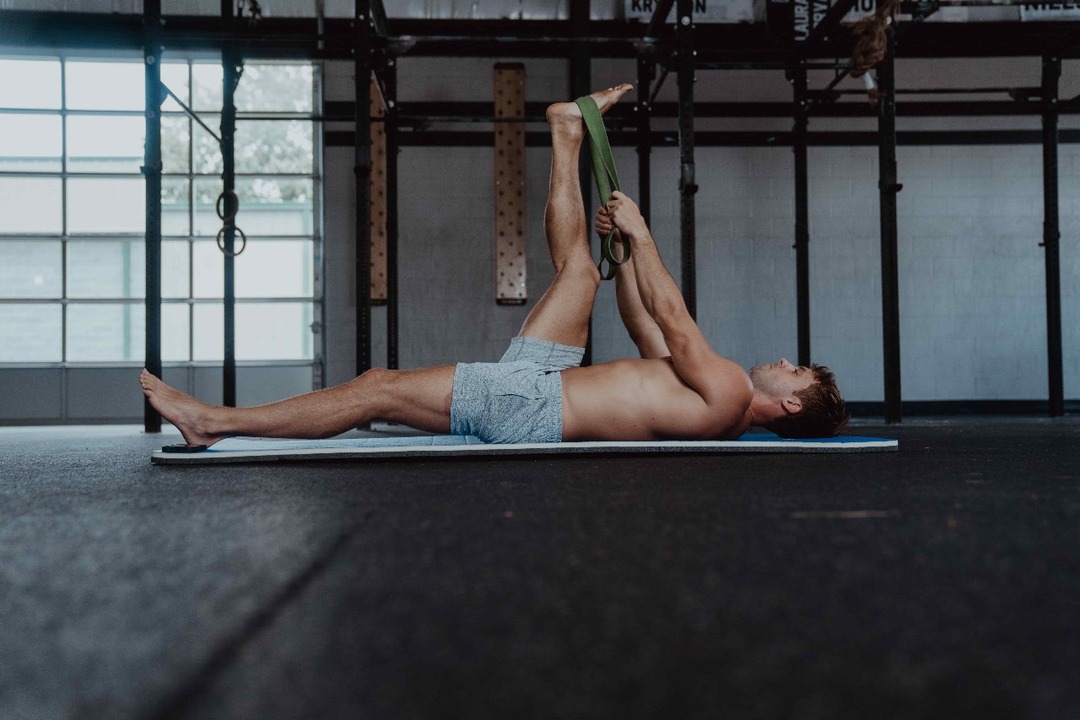
Tight shoulders, sore hips, and stiff mornings are not just annoyances; they are signals that your movement system needs simple, consistent attention. Targeted stretching delivers results with minimal time or equipment. Do proper stretches regularly to:
- Improve circulation
- Release tense muscle chains
- Protect joints
- Reduce day-to-day friction that can turn minor aches into chronic problems.
To ensure you perform these movements with expert precision, consider using Pliability for guided, science-backed routines that adapt to your body’s specific needs.
Why Does Stretching Help?
Stretching lengthens shortened muscles and eases tension around joints, allowing your body to move more efficiently and reducing compensations that cause pain. A 2025 study, “The effects of chronic stretch training on musculoskeletal pain, found that stretching can increase range of motion by up to 20%, an effect that translates directly into more manageable daily tasks and fewer movement-related alarms from your body.
To establish a baseline of your current range and identify areas for improvement, book a mobility assessment with Pliability to receive a personalized mobility score in minutes.
Which Stretches Give The Biggest Payoff?
Prioritize the tight, overworked areas:
- Chest
- Hip flexors
- Hamstrings
- Calves
- The neck and thoracic spine
This is practical work you can do at home without fancy gear:
- The doorway chest stretches to open the front line
- Standing hip flexor lengthening to counter long hours of sitting
- Seated spinal twists for lower back mobility
This pattern appears among desk-bound workers and home exercisers, where excessive pushing movements without balanced pulling lead to:
- Rounded shoulders
- Limited shoulder rotation
- Shoulder clicking that signals pectoral and scapular imbalance.
To stop guessing which stretch to do next, use the Pliability mobility app to access a library of over 1,700 routines designed for desk workers and athletes alike.
How Often Should You Do Them, And When?
Short sessions beat inconsistency. Aim for brief daily micro-sessions of 5 to 10 minutes, and a focused 10 to 20-minute routine after workouts or at the end of the day. The 2025 paper, The effects of chronic stretch training on musculoskeletal pain, also reports that regular stretching can reduce muscle stiffness by 15%, so those short daily investments compound into measurable ease and fewer flare-ups over weeks.
If you struggle to stay consistent, consider scheduling a demo of Pliability to see how their automated reminders and recovery tracking can help you build a maintenance habit that lasts.
What Most People Get Wrong With Stretching
The familiar approach is piecemeal stretching when something hurts; that feels logical, but it creates gaps. As you add repetitions or longer holds without addressing balance and progressive loading, tight spots return because the nervous system protects weak or underused structures.
The failure mode is predictable: you stretch the chest but never strengthen the back, or hold long static stretches before a hard workout and lose power. Choose timing and context deliberately, pair stretches with simple strengthening, and scale holds and frequency based on whether your goal is:
- Recovery
- Mobility
- Performance
The Consistency Compound: Why Digital Guardrails Outperform Manual Memory
Most people manage stretches with bookmarks and sticky notes because it is simple and requires no new tech. That works until schedules slip and routines fragment, and then gains evaporate.
Solutions like Pliability provide:
- Guided routines
- Automated reminders
- Progress tracking
It helps users maintain consistent form and increase mobility without guesswork, preventing the hidden cost of wasted effort and stalled progress.
The Nervous System Safety Catch: Why Biology Beats Force
Think of muscle stiffness like a frozen hinge:
- Heat it
- Move it gently
- The hinge starts to turn again
Force it too cold, and you risk bending parts designed to rotate. Use gentle movement to warm tissues before deeper stretches, breathe through tight spots to down-regulate protective tension, and treat mobility as a daily maintenance habit, not a last-resort fix.
Related Reading
- Desk Yoga Stretches
- Mental Training Techniques
- How to Increase Presence of Mind
- Mindful Morning Routine
- Reducing Anxiety Without Medication
- How to Train Your Mind
- How to Release Tension in Body
- Why Do I Get So Tired in the Afternoon
- Mindful Stretching
- How to Stay Focused at Work
- How to Get Rid of Brain Fog
25 Gentle Movement Exercises To Sneak Into Your Day
1. Chair Yoga
Primary target:
- Neck
- Shoulders
- Thoracic mobility
- Gentle spinal decompression
Instructions:
- Sit toward the edge of a firm chair, feet flat.
- Inhale, lift arms overhead; exhale, sweep arms down, and fold slightly forward from the hips.
- For a seated twist, place your right hand on your left knee and your left hand on the back of the chair, then rotate gently and hold for 2–3 breaths.
- Repeat on the other side.
Tip:
If balance is a concern, keep your feet wider and your hands on your thighs for stability.
2. Neck Stretches
Primary target:
- Upper trapezius
- Sternocleidomastoid
- Cervical spine mobility
Instructions:
- Sit tall.
- Lower your chin toward your chest, then look up slowly.
- Tilt your ear to your shoulder, hold for 15–20 seconds, then switch.
- Finish with slow rotations left and right, moving only as far as is comfortable.
Tip:
Reduce the range and hold for 5–10 seconds if you experience dizziness.
3. Child’s Pose
Primary target:
- Lumbar spine
- Hips
- Shoulders
Instructions:
- Kneel, bring your big toes together, and keep your knees hip-width apart.
- Sit back on your heels, fold your torso forward, forehead to the floor, and extend your arms.
- Breathe into the back body for 30 seconds or longer.
- Rise slowly.
Tip:
Widen the knees for more space, or place a folded towel under the hips for support.
4. Slow Ab Curl
Primary target:
- Anterior core
- Upper abdominals
- Neck stabilization
Instructions:
- Lie on your back, knees bent, hands lightly behind your head.
- Exhale and lift your head and shoulders an inch, chin tucked, engaging your core.
- Inhale and lower with control.
- Repeat 5–10 controlled reps.
Tip:
Use only light support with your hands to avoid neck strain; stop if you feel a pull in your neck.
5. Arch and Flatten
Primary target:
- Lumbar mobility
- Pelvic tilt control
Instructions:
- Lie on your back with your knees bent.
- On inhale, arch the lower back slightly away from the floor; on exhale, flatten the lower back into the floor by tucking the pelvis.
- Repeat 5–10 times with slow breaths.
Tip:
Move slowly; the point is control, not range.
6. Seated Twists
Primary target:
- Thoracic rotation
- Spine mobility
- Obliques activation
Instructions:
- Sit at the edge of a chair, feet flat.
- Raise elbows, rotate torso to one side while keeping hips square, hold two breaths, return, then switch.
- Repeat 3 times per side.
Tip:
Keep the movement in the middle back if you have lower back sensitivity.
7. Side Curl
Primary target:
- Lateral core
- Hip abductors
- Spinal lateral flexion
Instructions:
- Lie on the left side, head on the left arm, knees bent.
- Reach right arm overhead.
- Inhale and lift the right foot toward the ceiling while slightly lifting the head; exhale and lower.
- Do 3–5 reps, then switch sides.
Tip:
Perform the movement more slowly if you have shoulder or hip discomfort.
8. Washcloth (spinal roll)
Primary target:
- Full spinal rotation
- Hip mobility
- Gentle neural glide
Instructions:
- Lie on your back, knees bent.
- Roll knees to one side while arms roll opposite, turning your head away to complete a spinal twist.
- Move slowly for 3–20 reps as tolerated.
Tip:
Use the breath to relax into each twist; stop before any sharp pain.
9. Shoulder Circles
Primary target:
- Glenohumeral mobility
- Scapular rhythm
Instructions:
- Stand or sit.
- Slowly circle your shoulders forward five times, then reverse five times.
- Keep motion smooth and coordinated with breathing.
Tip:
Make the circles smaller if you feel any impingement.
10. Wrist Push-ups
Primary target:
- Wrist extensors and flexors
- Forearm strength
- Mobility
Instructions:
- From hands-and-knees, place palms flat, fingers pointing toward knees.
- Press the fingertips into the floor, lift the palms, then lower.
- Perform 8–10 reps.
Tip:
Do them against a wall first if you have wrist pain or limited tolerance.
11. Ankle Extensions
Primary target:
- Ankle dorsiflexion and plantarflexion
- Calf stretch
Instructions:
- Sit or lie, lift your knees slightly, and slowly flex your ankle up and down, feeling the calf and front shin stretch.
- Complete 8–10 controlled reps.
Tip:
Use a towel looped around the foot for added control and support.
12. Achilles Bounce
Primary target:
- Plantar fascia
- Achilles mobility
- Toe extension
Instructions:
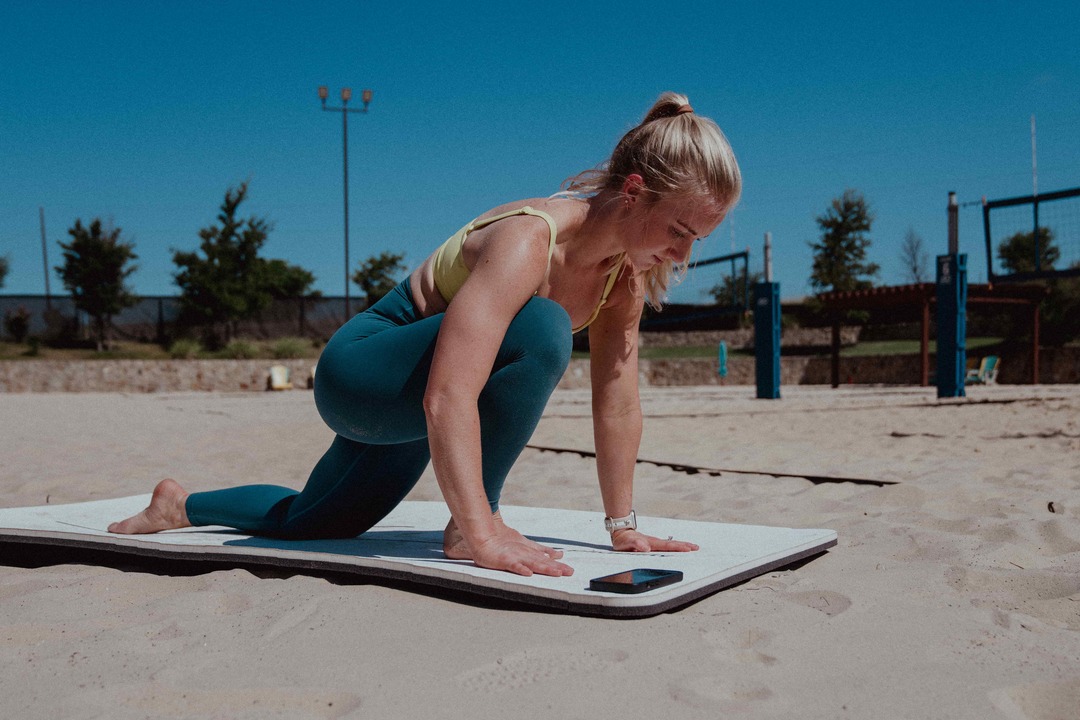
- From kneeling, use hands for support; rock gently onto toes and back to the knees, keeping the motion small and springy.
- Do 8–10 reps.
Tip:
Keep in contact with the floor and avoid bouncing hard if you have tendonitis.
13. Hip Mobilization
Primary target:
- Hip flexors
- Glutes
- Hip joint circulation
Instructions:
- Stand, shift weight to one leg, lift the opposite knee, then push the hip forward and engage the glute briefly.
- Repeat 5 times per side.
Tip:
Limit range if you have hip pain; aim for controlled pulses rather than large swings.
The Cognitive Load Trap: Why Single-Stream Habits Outperform Digital Silos
Most people handle mobility work with a grab bag of stretches and alarms that never stick because that approach is familiar and easy to start. As routines expand across different apps and notes, consistency fragments, and the tangible improvements vanish.
Platforms like Pliability centralize:
- Guided sequences
- Progress tracking
- Personalized routines
It helps users maintain clear priorities and measurable gains rather than scattering effort across half-used tools.
14. Side Crunch
Primary target:
- Obliques
- Lateral core stability
- Side-to-side control
Instructions:
- From a kneeling side plank variation, lift and extend your top leg and arm, then lower them, aiming to touch your knee to your elbow.
- Repeat five reps per side.
Tip:
Do this from a supported side-lying position if the full plank is too demanding.
15. Calf Stretch
Primary target:
- Gastrocnemius and soleus
- Ankle mobility
Instructions:
- Face a wall.
- Step one foot back with the heel down, bend the front knee, and keep the back knee straight.
- Hold 30 seconds, switch sides.
- To deepen, slightly bend the back knee.
Tip:
Shorten the distance to the wall to reduce intensity.
16. Hamstring Stretch
Primary target:
- Hamstrings
- Posterior chain lengthening
Instructions:
- Lie near a wall, place your heel on the wall with your knee slightly bent, and gently straighten until you feel a calf and hamstring stretch.
- Hold 30 seconds, switch.
Tip:
Keep the working knee soft to avoid nerve tension.
17. Quadriceps Stretch
Primary target:
- Quadriceps
- Knee extension mechanics
Instructions:
- Standing, grab the ankle and draw the heel toward the buttock while keeping the hips square.
- Hold 30 seconds, switch legs.
- Keep the core engaged to prevent the lower back from arching.
Tip:
Use a wall for balance if needed.
18. Hip Flexor Stretch
Primary target:
- Iliopsoas
- Front-of-hip mobility
Instructions:
- Kneel on the right knee, left foot forward.
- Tuck the pelvis slightly and lean forward from the hips until you feel a stretch in the right front hip.
- Hold 30 seconds, switch.
Tip:
Place padding under the knee and engage the glute to protect the lower back.
19. Iliotibial Band Stretch
Primary target:
- Lateral hip and outer thigh tension
- ITB lengthening
Instructions:
- Stand near a support, cross your left leg over your right at the ankle, and reach your left arm overhead toward the right side to feel a lateral stretch.
- Hold 30 seconds, then switch.
Tip:
Perform the movement in smaller increments and avoid twisting the knee if you have knee issues.
20. Knee-To-Chest Stretch
Primary target:
- Lower back mobility
- Lumbar relaxation
Instructions:
- Lie on a firm surface and pull one knee toward your chest until you feel a stretch in your lower back.
- Hold 30 seconds, switch.
- Keep the opposite leg relaxed.
Tip:
Avoid if diagnosed with osteoporosis or spinal compression concerns.
21. Shoulder Stretch With Towel
Primary target:
- Rotator cuff internal rotators
- Shoulder internal rotation mobility
Instructions:
- Hold a rolled towel behind your back with both hands, and gently pull upward with the top hand to stretch the lower shoulder.
- Hold 30 seconds, switch hands.
Tip:
Use a narrower grip if your shoulders feel tight.
22. Walk It Out
Primary target:
- Whole-body circulation
- Low-impact aerobic movement
Instructions:
- Walk at a comfortable pace for 10 to 20 minutes, focusing on steady breath and light posture corrections.
- Move windows or phone-free to increase presence.
Tip:
Build walks into transitions, like after lunch or between meetings, to make them repeatable. Also, consider daily activity targets: CNN reports 10,000 steps per day is a familiar benchmark for overall movement in 2025 and helps frame step-based goals.
23. Combine Breath And Movement
Primary target:
- Diaphragmatic control
- Nervous system regulation
- Subtle mobility integration
Instructions:
- Inhale as you raise arms overhead, exhale as you fold or side-bend.
- Coordinate slow breathing with small, repeated movements, such as shoulder rolls or hip circles, for 6–10 breaths.
Tip:
If breath awareness is new, count to four on inhalation and exhalation to maintain a steady rhythm.
24. Explore Moving Meditation With Tai Chi Or Qigong
Primary target:
- Balance
- Slow control of the joints
- Mindful coordination
Instructions:
Learn a 5–10-minute beginner sequence from a guided video and practice it daily, with a focus on slow weight shifts and breath control. Move with intention, not speed.
Tip:
Start seated or with support if balance is a concern.
25. Have A Dance Party (Or Enjoy A Dance Class)
Primary target:
- Full-body coordination, cardio, mood elevation
Instructions:
- Play a favorite song and move freely for 3–10 minutes, letting the breath and rhythm lead.
- Try one class per week to build structure and introduce new movement patterns.
Tip:
Keep it judgment-free, and pick songs that reliably shift your mood.
The Decision Fatigue Gap: Why Specificity is the Engine of Consistency
Small daily movements add up to real change; if you want a concrete weekly target to guide habit-building, aim for what public health recommends, such as 150 minutes of physical activity per week in 2025, as a valuable frame for pacing your gentle-movement practice.
That solution sounds complete until you realize the most challenging part is not knowing which few minutes to choose each day.
Related Reading
- How to Beat Afternoon Slump
- How to Improve Working Memory
- Yoga for Focus
- Neuromotor Exercise
- Mind Body Exercise
- Stress Relieving Stretches
- Exercises for Brain Fog
- Mental Focus Exercises
- Brain Gym Exercises
- Morning Brain Exercises
Simple Ways to Fit Gentle Movement Into Your Busy Routine
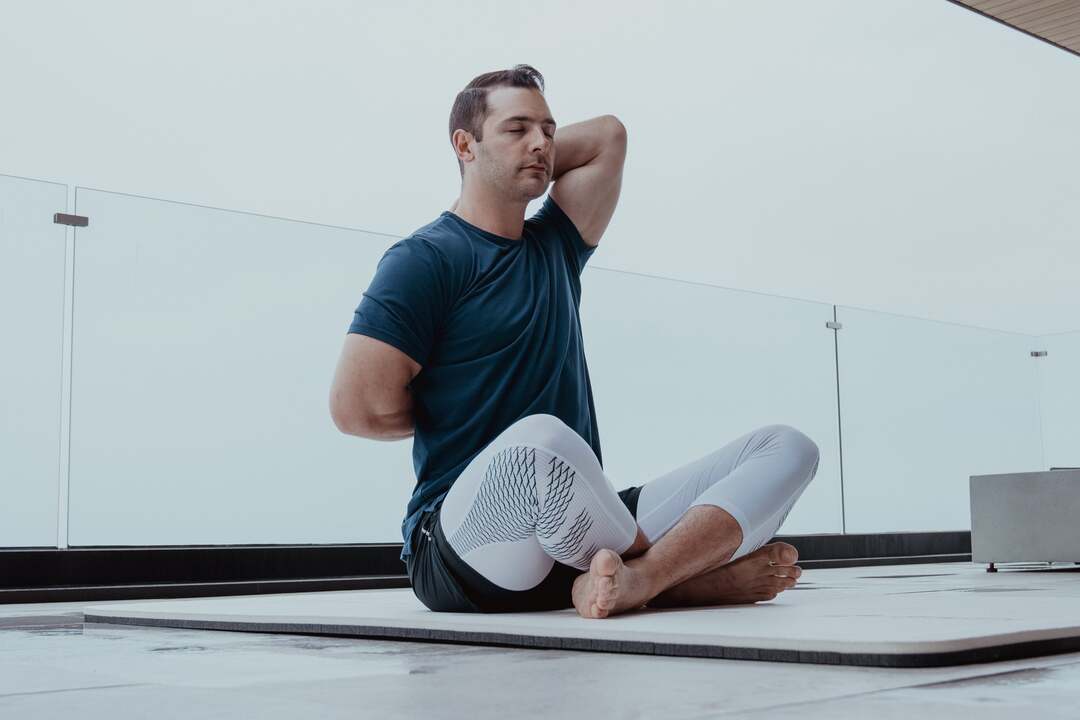
Short, repeatable movement anchors are the practical bridge between intention and habit, and you can build them into any day without drama. Use tiny, consistent cues tied to things you already do, ramp up slowly, and let frequency, not intensity, do the work.
How Do I Design Work-Break Routines That I Will Actually Do?
Start with a single two to four-minute circuit you can finish before the following email pings you. Pick three low-effort moves that target different planes of motion, set a single timer on your phone, and treat the timer as the nonnegotiable.
When we tested short circuits with office clients over six weeks, the routines that fit between scheduled meetings produced the most significant behavior change because they removed choice at the moment of action. Keep the circuits simple enough that you can do them at your desk, standing in the hallway, or beside a copier.
When Should I Use Morning Or Evening Micro-Sessions?
Anchor a tiny routine to the bookends of your day, not to vague motivation. If you pour coffee at 7:30, do a three-minute mobility flow while it brews. If you turn off your bedroom light, perform two minutes of gentle spinal resets before lying down.
These anchors convert intention into habit through a device called implementation intention, where you plan the exact when and where. Over weeks, the cue-response connection becomes automatic, and you stop relying on willpower.
How Do I Pair Stretches With Existing Habits?
Match movement to habitual transitions, not to outcomes. Pair standing hip openers with phone calls you always take standing. Add scapular slides to your toothbrushing routine, performing small shoulder retractions for the duration of a song.
The trick is stacking, so one existing habit reliably triggers another. Make the new movement short and specific enough that it feels like an easy addition, not an extra chore.
What Reminders Or Cues Actually Work Without Annoying Me?
Use context cues before passive reminders. A visible mat, a charged water bottle by your desk, or a sticky note on the kettle is more effective than random alarms because it leverages sight and placement.
Then add gentle tech: a calendar block labeled with the minute count, or a single daily push at a reliable time. If alarms become background noise, change the cue. Vary the cue location or time after two weeks to reduce friction.
Why Do Big Plans Fail, And How Do I Avoid That Trap?
The failure mode is consistent: people plan long sessions, skip a few days, then conclude they lack discipline. This is not a moral failure; it is a scale error. When you scale back to micro-sessions, you create recoverable behavior, small wins that stack.
A practical rule I use with clients is the two-minute test: if you will not do it when tired, make it shorter until you can. Once the short habit is unbreakable, expand it by 30 to 60 seconds each week.
How Should I Handle Days When Time Or Pain Blocks Movement?
If stiffness, soreness, or schedule chaos arise, switch to a maintenance-level anchor to preserve continuity. Five slow breaths with shoulder circles in a chair, or two minutes of ankle mobility while waiting for an elevator, keep the neural pattern alive and reduce the start-up friction tomorrow.
For pain, favor gentle neural glides and movement for circulation rather than pushing range; if symptoms spike, pause and consult care.
What Broader Targets Help Me Pace These Tiny Wins?
Use a weekly frame to distribute micro-sessions so effort feels manageable. Aim to distribute movement across the week in short, repeatable bursts, rather than front-loading long sessions that are hard to sustain. According to the American Heart Association, the weekly target of 150 minutes of moderate-intensity aerobic activity can be met in many small chunks, making it easier to plan consistent micro-sessions without adding long workouts.
If step goals motivate you, consider a familiar guideline, such as Blue Cross NC's 10,000 steps a day, as a simple way to translate short walks and movement breaks into a clear daily metric.
The Decision Fatigue Gap: Why Specificity is the Engine of Consistency
Most people handle reminders with sticky notes and ad hoc alarms. That works for starting, but it fragments effort as:
- Demands grow
- Information scatters
- Momentum stalls
Platforms like Pliability act as the bridge, centralizing:
- Short guided sequences
- Scheduled prompts
- Progress checks
Your small wins are recorded and nudged forward, preserving context and reducing the mental overhead of choosing what to do next.
How Do I Know When A Micro-Session Is Enough Or Needs Progression?
Treat adherence as the primary signal for progression.
If you hit your micro-session five to seven days in a row, increase one element:
- Add 30 seconds
- Introduce mild resistance
- Shift the plane of motion
If adherence drops, regress to a two-minute anchor and rebuild. Progression is a patience game, not an intensity contest.
What Simple Environmental Changes Make The Most Significant Difference?
Make movement obvious and accessible. Keep a rolled mat within reach, shoes by the chair you use for standing work, or a towel draped over where you make coffee. Remove barriers such as finding space or equipment.
Public commitment helps, too: tell one colleague about your plan, and you are more likely to follow through because it creates a small sense of social accountability.
The Compound Effect: Why Visualizing Your Mobility ‘Interest’ Prevents Habit Bankruptcy
A short analogy to lock the idea in: think of habit formation as banking minutes, not miles; small deposits every day compound into absolute mobility without overdrawing on willpower. That’s the practice; next, we test whether tracking those tiny deposits changes the pattern you actually follow.
Related Reading
- Mental Training Exercises for Athletes
- Brain Biohacking Exercises
- Cognitive Activities for Adults
- Improve Attention to Detail Exercises
- Cognitive Flexibility Exercises
- Energy Exercises
- Micro Workouts
Improve Your Flexibility with Our Mobility App Today | Get 7 Days for Free on Any Platform
If you want those micro-session gentle movement exercises to stick, we suggest Pliability, a fresh take on yoga for performance-oriented people and athletes that centralizes:
- Guided mobility routines
- Timed reminders
- Exercise progress tracking
Your small wins actually compound. It pairs clear demonstration videos, daily-customized mobility programs, and a body-scan that pinpoints restrictions, making breath-coordinated, mindful movement and short mobility flows simple to integrate into real days.
You can try it free for seven days on iPhone, iPad, Android, or the web.
.jpg)