How To Improve Working Memory Naturally and Strengthen Focus
.webp)
Every day, you juggle conversations, to-do lists, and distractions while trying to hold a number, a name, and a plan in mind. Within mind and body strategies for mental performance, working memory is central to short-term memory and decision-making, and small slips can cost time and calm. Improving working memory matters because training attention, using simple memory strategies such as chunking, rehearsal, visualization, and mnemonics, and incorporating brain exercises can boost cognitive function, concentration, and memory retention, helping you think more clearly, stay focused, and remember important information effortlessly in daily life.
Pliability's mobility app pairs short movement sessions with focused-attention drills to support neuroplasticity and strengthen executive function, helping you practice memory techniques and carry clearer thinking into your everyday tasks.
Summary
- Working memory is a narrow, short-term workspace that holds about 3 to 5 items at a time, which explains why multi-step tasks and interrupted sentences often go unresolved.
- Approximately 10% of children have working memory deficits, which helps explain why some students need structured supports to access grade-level material.
- Targeted cognitive training shows measurable returns: studies report up to a 30% improvement in working memory after regular exercises, and meaningful progress often emerges after 8 to 12 practice sessions.
- Pairing movement with cognitive drills is efficient, since three 10- to 20-minute bouts per week can change brain chemistry and mood, and brief routines like a 12-minute interval walk plus rehearsal fit busy schedules.
- Mindfulness and micro-recovery matter: meditation is linked to about a 20% increase in working memory capacity, and cognitive fatigue reliably accumulates when focused runs exceed 60 to 90 minutes.
- Small, structured habits beat ad hoc fixes. For example, a 5-minute focused warm-up, three weekly movement-plus-drill sessions, and a two-minute end-of-day review, practiced for four weeks, produce measurable gains in recall and task completion.
This is where Pliability's mobility app fits in: it pairs short movement sessions with focused attention drills to support neuroplasticity and strengthen executive function.
What is Working Memory?

Working memory is your brain’s short-term workspace, the system that holds and manipulates a few pieces of information so you can act on them right now. You use it to remember a phone number long enough to dial, follow multi-step directions, or keep the thread of a conversation while you plan your reply; without it, learning and everyday problem-solving stall.
When Do We Use Working Memory?
This system runs quietly behind the scenes on almost every task that requires immediate thought. Reading and holding a sentence while you parse the next one, doing mental math while you carry steps forward, or juggling the steps needed to pack for a trip. The pattern is painfully familiar across homes and classrooms.
Someone starts a sentence and, by the time there is a pause, they cannot retrieve the point they wanted to make, or they arrive home with half the grocery list forgotten. That exhaustion and frustration are absolute, and they produce a steady stream of unfinished projects and missed deadlines that sap confidence and momentum.
Beyond "Mental Crutches": Developing Sustainable Cognitive Capacity
Most people manage these limits with crutches, and that makes sense. A smartphone reminder, sticky notes, or a running to-do list are familiar, low-friction fixes. But those familiar fixes carry a hidden cost.
They fragment attention, create dependence on external prompts that do not develop underlying capacity, and fail when tasks require on-the-spot information manipulation. Solutions like Pliability offer a different path, combining short, personalized training exercises with measurable practice that links directly to classroom and workplace tasks. Users get both skill growth and tools that help what they learn stick in real-world situations.
The Foundation of Working Memory
Working memory is not a single muscle; it is a team of cognitive skills working together. Attention lets you keep relevant information in view while filtering distractions. Auditory, or verbal, memory holds spoken instructions and conversation chunks long enough to act on them.
Visual-spatial memory stores mental images and locations, which is why you can remember where you left your keys, or get lost when that system slips. Executive functions enable you to reorganize and manipulate items in that temporary store, planning the steps of a task rather than merely holding them. Processing speed controls how quickly information is encoded and released; slower intake leaves less room for manipulation.
Maximizing Learning Through Working Memory Optimization
That limited buffer helps explain why grouping or “chunking” matters, and why short practice schedules can change performance. According to Jenny Ponzuric, “Working memory can hold 3 to 5 items at a time.” A constraint that makes strategic organization and structured practice powerful levers for improvement.
From Frustration to Insight: Decoding Working Memory Signals
When we track learners over a semester, the pattern becomes clear: small, consistent gains in attention or auditory recall translate into noticeable improvements in reading comprehension and task completion within weeks.
That tells us two things:
- Working memory is measurable and responsive to targeted practice.
- Transfer matters: exercises that mirror real tasks, even briefly, produce the behavioral changes that matter at school and work.
It’s exhausting when your working memory fails you in public, the lost thought, the misplaced keys, the missed deadline, but those moments are also informative signals, pointing to which supporting skill needs attention next.
But the surprising part is how these signals connect to something deeper we can change, not just work around.
Related Reading
- Mental Training Techniques
- How to Increase Presence of Mind
- Mindful Morning Routine
- Reducing Anxiety Without Medication
- How to Train Your Mind
- How to Release Tension in Body
- Why Do I Get So Tired in the Afternoon
- Mindful Stretching
- How to Stay Focused at Work
- How to Get Rid of Brain Fog
How to Improve Working Memory
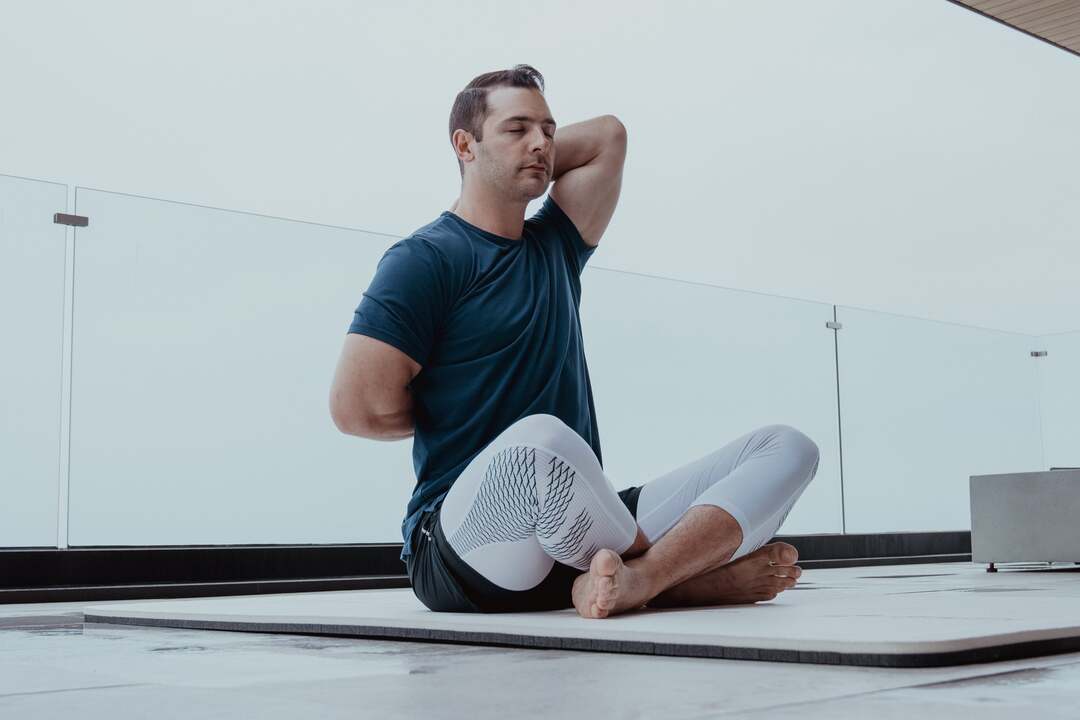
Yes, you can strengthen working memory with realistic, short routines and more innovative environments; consistent practice and small habit changes beat one-off hacks. Below are practical, organized strategies you can use this week, with concrete examples, simple schedules, and ways to track progress so gains translate into work, study, and daily life.
1. Add Exercise To Your Daily Routine
How about I fold movement into a busy day to help with memory?
- Start small and specific: three 10- to 20-minute bouts of brisk movement a week are enough to change brain chemistry and mood, and you can scale from there.
- Use concrete sessions that pair mental tasks and movement, for example, do a 12-minute interval walk while rehearsing a short verbal list, or alternate 5 minutes of mobility work with a 15-minute memory drill.
- Track sessions in a calendar and aim for 8 to 12 sessions before evaluating progress.
Practical example:
- Set an alarm for two micro-workouts, one at mid-morning and one mid-afternoon.
- During each, do 3 minutes of dynamic mobility, 7 minutes of brisk walking or bodyweight movement, then finish by rehearsing two short sequences from your training set.
- Record perceived focus and detail retention on a simple 1–5 scale after each session so you can see patterns.
Training note:
Sachs Center reports that working memory can be improved by up to 30% with regular cognitive training exercises; combine physical movement with brief cognitive drills rather than treating them separately.
Unlock Peak Performance: Start Your 7-Day Free Trial
Pliability offers a fresh take on yoga, tailored for performance-oriented individuals and athletes. Sign up today to get 7 days absolutely for free, on iPhone, iPad, Android or on our website to improve flexibility, aid recovery, reduce pain, and enhance range of motion with our mobility app.
2. Consider Lifestyle Habits And Practices
Which daily habits actually support memory capacity?
- Prioritize sleep, micro-recovery, and predictable rhythms.
- Aim for consistent bed and wake times and build a wind-down routine that removes screens 30 to 60 minutes before sleep.
- Insert short, scheduled breaks every 50 to 90 minutes of focused work; treat them as nonnegotiable resets.
- When stress spikes, use paced breathing to reset attention: inhale for four counts, hold one, exhale for six, repeat five times to slow sensory overload and restore working capacity.
Concrete tools:
Keep a simple sleep log for two weeks and pair it with a 7-point daily focus score to see correlations. If focus drops on day three of long tasks, shorten blocks and insert a 6-minute movement-and-breathing break, then test again.
3. Utilize Creativity
How can creativity make retention stick?
- Turn items into sensory-rich, actionable artifacts.
- Rather than repeating a list, build a one-page visual cue with a single vivid image, a headline, and two anchor words.
- For verbal sequences, write a 30-second micro-story that contains the list in order.
- For procedural steps, sketch a quick flowchart on an index card and tape it near your workspace.
Practice routine:
- Once per study session, translate one concept into a story, image, or short rhyme.
- Time-box the transformation to five minutes; the purpose is encoding, not artistry.
- Track which encoding style image, story, or rhyme gives the fastest recall across five trials and make it your default.
4. Reduce Cognitive Load
Why does simplifying your workspace change how much you can hold in mind?
Most people manage tasks with informal hacks because those hacks are familiar and low friction, but as task volume grows, those systems fragment attention and consume the very cognitive bandwidth you need for deep work. That hidden cost manifests as longer completion times and more errors as complexity increases.
Solutions like mobility app change the equation by centralizing daily routines with automated reminders and progress tracking, so physical supports for sleep, recovery, and stress reduction occur reliably, freeing cognitive space for training and task execution. Teams and individuals find that building predictable recovery into schedules reduces decision friction and preserves mental capacity for learning.
5. Create Associations
Which association tactics deliver the greatest return for the effort?
- Use three-sense anchors: pair a visual hook, a short phrase, and a kinesthetic cue.
- For example, to remember a 6-point checklist, assign each point a single color (visual), a one-word title (verbal), and a finger tap pattern (kinesthetic).
- That triad increases retrieval cues under pressure.
- For complex hierarchies, use a scaled memory palace that assigns not rooms but time blocks in your day; revisiting the sequence in the same order strengthens prospective recall.
Micro-protocol:
- Before bed, rehearse one association list aloud for 90 seconds while tracing the finger-tap pattern.
- Repeat morning and evening for 5 days and log percent correct recall.
6. Break Big Chunks Into Small, Bite-Sized Pieces
How do I stop feeling overwhelmed and actually complete multi-step tasks?
- Break tasks into one- to two-step actions that can be finished within 10 to 20 minutes.
- Use checklists that are action-specific, not aspirational.
- Build a return-home routine or startup ritual with 3 fixed actions to reduce decision load, then automate reminders for the rest.
Practice exercise for memory skill-building:
- Use an escalating recall drill.
- Start with two unrelated words and add one more each successful trial, resting when you miss two attempts in a row.
- Do the drill three times a week and note the maximum length you sustain over a month.
Behavioral pattern we see:
Cognitive fatigue accumulates across students and professionals when focused runs exceed 60 to 90 minutes, and short, predictable breaks reliably restore capacity. That pattern shapes how I design practice blocks: shorter, denser practice beats longer, irregular sessions every time.
7. Mnemonics and Acronyms
Where do mnemonics help the most?
- Use them when order or hierarchy matters.
- Create absurd or humorous phrases that match the initial letters, then rehearse them aloud while visualizing each item.
- Test recall in mixed order to support flexible retrieval, not just a rote sequence.
8. Memory Palace
When should you use a memory palace?
- Reserve it for high-value material you need to recall precisely, like a speech or a lengthy procedure.
- Build the palace from a real, well-known route and place single, exaggerated images in each locus. Walk through it mentally weekly to keep the map active.
9. Concept/Mind Mapping
How can mapping change the work of memorizing?
- Map to show relationships, not just lists.
- Use one central question and let branches capture cause, consequence, counterexamples, and actions.
- Return to the map after each new study session and add one connection each time, which forces you to reorganize your knowledge rather than passively reread.
10. Break Big Chunks of Information Into Small, Bite-Sized Pieces
What’s a practical micro-strategy for large tasks?
- Time-box learning into 20 to 40 minute segments focused on a single subgoal, then reward completion with a short physical break.
- For a complex project, outline three milestones and make the first milestone so small you can finish it today.
That creates momentum and frees working memory for the next step.
11. Use Checklists for Tasks With Multiple Steps
When should you use a checklist instead of relying on memory?
- Any repeatable, multi-step workflow, such as morning routines or first-hour work rituals, benefits from rigid checklists.
- Keep them visible, refine them after each run, and treat them as living documents to reduce daily decision costs.
12. Develop Routines
How do routines protect working memory?
They convert frequent decisions into habits, which frees the workspace for novelty. Anchor new routines to an existing cue, like placing keys in the same bowl the moment you enter the door, and run a four-week habit test to see which anchors stick.
13. Practice Working Memory Skills
What targeted practice moves the needle?
Use span tasks that gradually increase load, and make them progressively harder each week. According to the Sachs Center, “Working memory can be improved by up to 30% with regular cognitive training exercises.”
Structured practice programs can produce substantial gains when you commit to steady sessions and translate those gains into everyday routines. Track improvement with short baseline tests every two weeks so you can adjust difficulty and keep progress visible.
14. Experiment With Various Ways of Remembering Information
Which method should you test first?
Try three approaches per topic:
- A short mnemonic
- A one-line visualization
- A micro-story
Give each approach two review sessions across 48 hours, then test recall. Favor the method that yields the fastest, most reliable retrieval and standardize it for similar future material.
15. Reduce Multitasking
Why does single-tasking matter more than willpower?
Cognitive switching costs accumulate and fragment attention, so schedule focused blocks for deep tasks and a different block for shallow work. Use a visible "do not disturb" signal during focused work to prevent interruptions and rebuild the brain’s tolerance for sustained attention.
16. Use Mindfulness to Minimize Distractions and Sharpen Working Memory
What does a short daily practice accomplish?
A brief, consistent mindfulness routine trains attention control and reduces reactivity to distraction. Start with five minutes of breath-focused practice and increase slowly. That daily training pattern helps you notice when attention wanders and return it more quickly, which boosts working memory reliability under pressure.
17. Active Engagement and Mnemonic Devices
How can teachers and learners apply active engagement now? Turn passive review into active tasks: explain concepts aloud, quiz each other, or teach a single point in five minutes. Combine this with mnemonic hooks so that the act of explaining reinforces both encoding and retrieval.
Example for Parents and Educators:
- Use small, focused drills: parents can make a two-minute rhyme game for a shopping list.
Educators can require every student to summarize a concept in one sentence before moving on. Those micro-engagements compound into stronger short-term retention.
18. Write Your Heart Out
How does autobiographical writing strengthen multiple memory systems?
When you write a memory-rich scene, you juggle present composition with recall of past details, which exercises working memory, episodic memory, and sequencing skills simultaneously. Try a weekly 15-minute memoir prompt that requires you to retrieve and sequence events and sketch a simple map of the physical locations you describe to add spatial anchors.
Why Do People Stick With Scattered Tricks, And What Breaks?
Most people rely on ad-hoc notes and fragmented habits because those approaches feel immediate and low-friction. That works early on, but as demands grow the scattered system leaks time and attention, and tasks slip through the cracks.
Platforms like mobility app centralize recurring routines, attach context to each reminder, and automate scheduling, giving you a predictable structure so the gains from training and habits actually translate into reliable performance.
Activities to Link and Improve Working Memory
Which daily drills produce steady improvement? Rotate short sessions of digit recall, word sequences, ordering tasks, card-memory games, and drawing-from-memory. Keep each session under 15 minutes, track your span and error rates, and increase difficulty by one item only after you sustain accuracy across three sessions.
Emotional Pattern and Practical Constraint
This pattern appears across workplaces and classrooms, where cognitive fatigue and constant task-switching quietly erode performance. When stress or sleep is limited, prioritize short, low-effort practices such as brief walks, a two-minute breathing reset, and a single focused study block; when energy is high, increase practice duration and complexity.
The failure point is predictable:
It is not motivation; it is capacity management. Design your week so that high-capacity blocks align with your most complex thinking.
Analogy to Hold on to
Think of your working memory like a loading dock with three bays; if you try to unload ten crates at once, everything jams. Unload in small, ordered batches and move crates into storage as soon as possible, and the dock keeps moving.
Curiosity Loop
That approach feels useful, but what happens when movement, mobility, and targeted recovery get folded into the same plan that trains memory and focus?
Quick Practice Activities to Rotate Weekly
Which drills should I make nonnegotiable?
- Digit recall: 3 to 6 digits, add one as you succeed.
- Word sequences: mix categories, then recall in order.
- Mental math chains: add and subtract across steps without paper.
Rotate two activities per session and track the longest correct sequence each week; aim for small, measurable gains rather than perfection.
Mindfulness Multiplier
How does mindfulness change how much I can hold and use?
Daily mindfulness practice sharpens sensory gating and reduces distractor intrusion. Sachs Center found that individuals who engage in mindfulness meditation show a 20% increase in working memory capacity, meaning short daily practice can significantly enhance the benefits of your drills, especially when stress is the limiting factor.
A vivid analogy to keep this practical:
Treat working memory like a small countertop. If you clutter it with mugs, keys, and mail, there is no room to prepare a meal. Clear a fixed 18-inch space for the task you care about, and only bring in what you will use in the next two steps.
Final Practical Rule-Set You Can Implement Tomorrow
Which three micro-rules produce the fastest wins?
- Five-minute focused warm-up before each training block.
- One physical session paired with cognitive drills, three times per week.
- End-of-day two-minute review plus a one-line log of progress.
Apply these for four weeks and compare your baseline recall scores; small, consistent gains compound into reliable improvements.
Related Reading
- How to Beat Afternoon Slump
- Yoga for Focus
- Neuromotor Exercise
- Brain Gym Exercises
- Mind Body Exercise
- Stress Relieving Stretches
- Exercises for Brain Fog
- Mental Focus Exercises
- Morning Brain Exercises
Improve Your Flexibility with Our Mobility App Today | Get 7 Days for Free on Any Platform
If you are training working memory and want short, measurable gains to translate into real focus and better short-term memory, you know that aches, limited range of motion, and inconsistent recovery quietly steal attention and raise cognitive load, slowing processing speed and blunting executive function.
Platforms like Pliability offer performance-focused mobility programs, daily-updated custom routines and a body-scan to pinpoint restrictions, plus short, high-quality video sessions that slot into your existing practice so you protect attention, reduce mental drag, and sustain retention; try seven days free on iPhone, iPad, Android, or the web.
Related Reading
- Mental Training Exercises for Athletes
- Brain Biohacking Exercises
- Cognitive Activities for Adults
- Improve Attention to Detail Exercises
- Cognitive Flexibility Exercises
- Gentle Movement Exercises
- Energy Exercises
- Micro Workouts
.jpg)