How to Release Tension in the Body With Yoga, Stretching, and More
.webp)
After a long day at a desk, your shoulders tighten, your breathing shallowens, and even simple movements feel stiff; that low-level muscle tension quietly drains performance, recovery, and resilience. Learning how to release tension in the body matters in mind, body performance, and resilience exercises because practical tools like breath work, progressive muscle relaxation, targeted mobility, stretching, and myofascial self-care calm the nervous system, ease postural tension, and restore movement. This article offers clear, usable steps to reduce soreness, loosen knots, improve body awareness, and help you feel completely relaxed, free of tightness, and energized, with a body that moves easily and a mind that feels calm and stress-free.
Pliability's mobility app brings those methods together with guided sessions in breathwork, joint mobility, gentle stretching, and soft-tissue release, so you can practice consistently and achieve lasting relief.
Summary
- Chronic tension is widespread and linked to recurring stress and posture habits, with 75% of people reporting physical symptoms of stress, such as tension headaches or muscle pain.
- Slow, controlled breathing resets the nervous system fast, for example, an inhale-4, pause-4, exhale-6 pattern for 3 to 5 minutes, and 80% of people report feeling less tense after practicing deep breathing.
- Short, frequent movement beats infrequent long sessions, so aim for 30 minutes of moderate activity most days, split into chunks like three 10-minute circuits to prevent muscles from settling into guarded positions.
- Regular, targeted yoga and restorative poses produce measurable gains: studies show about a 30% reduction in muscle tension with consistent practice, and a systematic review found that 75% of participants reported significant tension reduction after poses such as Child’s Pose and Corpse Pose.
- Meaningful, durable change comes from consistency, not one-off fixes. Small, 10- to 20-minute daily practices produce noticeable results within days and more precise shifts after roughly 3 to 8 weeks. Physical therapy is considered when progress stalls after 2 to 4 weeks.
This is where Pliability's mobility app fits in, providing daily-custom mobility programs, guided breath and joint mobility sessions, and a body-scan to consolidate short, repeatable practices into measurable progress.
Why Does My Body Hold So Much Tension?
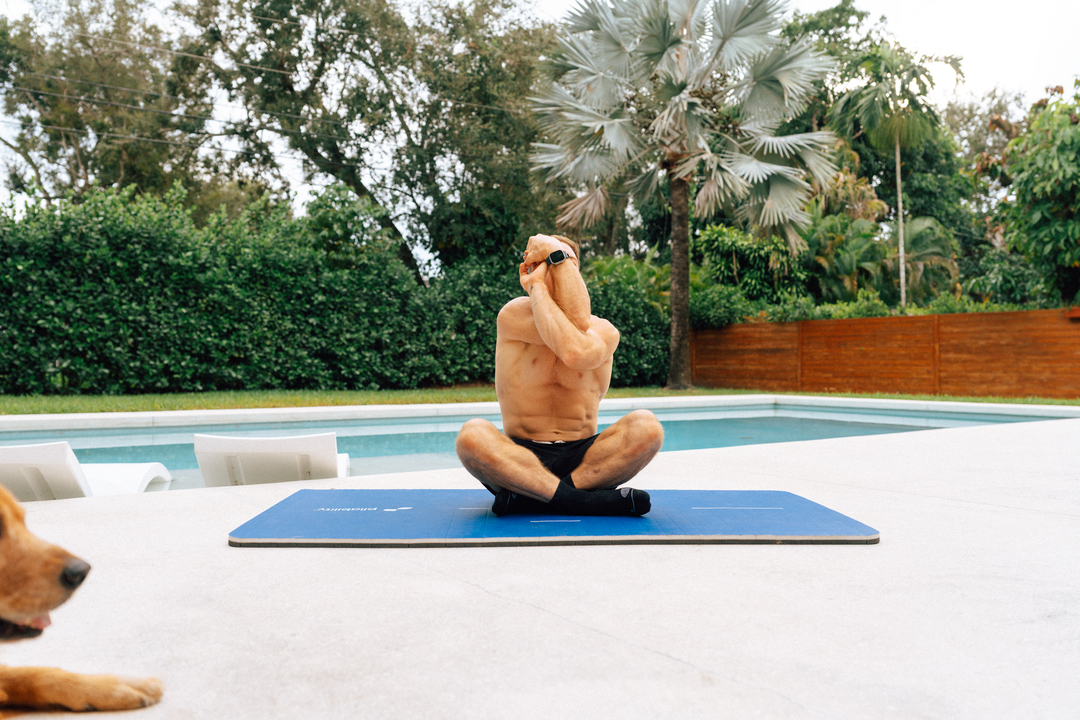
Chronic tension is rarely random; it arises when the body and nervous system remain on high alert due to recurring physical habits and emotional pressure. You can unravel it, but only when you match concrete, physical fixes to the psychological drivers that keep muscles locked.
Does Your Body Always Feel Sore?
You might notice that your shoulders are often tight, your neck is stiff, or you frequently experience headaches. Chronic body tension is a widespread issue that affects many people, and it’s often frustrating because the cause feels invisible. According to Mental Health UK, reports that 75% of people report experiencing physical symptoms of stress, such as tension headaches or muscle pain.
These physical signs are common, which helps explain why so many come to me feeling surprised and exhausted by their own bodies. This fatigue manifests as mood swings, missed workouts, and an increasing tendency to hold your breath and raise your shoulders without noticing.
Muscle tension is often a sign that your body is under stress, and it stays that way for clear reasons you can target.
Why is My Body Tense All The Time?
Stress and Anxiety
The fight-or-flight response tightens muscles to protect you, and when worry becomes constant, the muscles never fully let go. This pattern appears across home workers and people with chronic pelvic pain: automatic clenching in response to emotional stress produces a loop where pain fuels more anxiety and guarding, making symptoms worse over weeks and months.
Poor Posture
Slouching or craning forward places the neck and upper back under continuous load. Those muscles shorten and adapt; they feel normal until you try to stretch them, and they snap back, which is precisely why a single yoga class rarely fixes a day-to-day desk habit.
Lack of Physical Activity
Muscles kept inactive lose length and resilience. If you move only to commute and sit for eight hours, stabilizers weaken and prime movers overwork, so you feel stiff even after light tasks.
Lifestyle Factors
Skipping sleep, drinking too little water, and eating a nutrient-poor diet all raise baseline vulnerability. Sleep deprivation impairs proper tissue repair and memory consolidation for motor patterns, so tension becomes a habituated response in a fatigued system. Dehydration and low electrolyte levels increase the risk of cramps, tightness, and muscular guarding.
Sitting for Long Periods
Remaining in one position with poor ergonomic support causes local ischemia and shortened fascial networks, which feel like chronic tightness. When in an all-day downward gaze at a phone or screen, the neck and shoulders adapt to that position.
5 Physical Effects of Stress on The Body
1. Muscle Tension
Chronic contraction becomes the body’s default. That default can produce trigger points and pain referral patterns that feel like separate problems, when they are simply adaptations to constant load.
2. Headaches
Tightness around the scalp, jaw, and neck often presents as a band-like tension headache, and clenching and jaw misalignment can increase its frequency and intensity.
3. Digestive Issues
Stress alters gut motility and sensitivity. When your nervous system is alarmed, digestion either rushes or stalls, producing bloating, cramps, and changes in appetite that feed back into fatigue and muscle soreness.
4. Cardiovascular Effects
This matters beyond discomfort because Harvard Health suggests that chronic stress is linked to high blood pressure, clogged arteries, anxiety, depression, addictive behaviors, and obesity, which means ongoing tension carries risks that extend into long-term health, not just short-term pain.
5. Weakened Immune Response And Slower Recovery
Sustained cortisol and sympathetic activation degrade immune efficiency and slow tissue repair, so minor injuries hang around and tight muscles recover more slowly.
Moving Beyond Temporary Fixes: The Need for Structured Retraining
Most people try stretching, a massage, or pain medication because those steps are familiar and provide immediate relief. That approach works for short-lived tension, but it hides a cost: temporary fixes do not retrain posture, breathing patterns, or nervous system set points, so symptoms return.
Solutions like Pliability provide structured neuromuscular retraining with guided progression and feedback, helping people move from trial-and-error motion to measurable, repeatable gains in mobility and less reactivity.
How Long Does it Typically Take to See Improvements in Muscle Tension With Regular Relaxation Techniques?
You will usually notice small wins within days and clearer changes within a few weeks when practice is consistent, but the timeline depends on how long the tension has been present and what else you change. If tension has been present for months, combine daily 10- to 20-minute practices with posture breaks and sleep improvements, and expect more durable shifts after three to eight weeks rather than overnight.
When the nervous system is deeply conditioned, progress is incremental, and that’s normal. Short, repeatable wins compound into larger improvements.
Can Muscle Tension Lead to Long-Term Damage if Not Addressed?
Yes. Left unchecked, tension reshapes movement. Chronic tightness leads to postural compensation, which increases joint wear, fuels persistent pain syndromes such as myofascial pain, reduces range of motion, and limits physical work capacity.
Over time, those mechanical changes interact with systemic stress effects to compromise cardiovascular health, digestion, and immune resilience. The real danger is not a single catastrophic injury; it is slow degradation, in which simple tasks become harder, and your default state is less enjoyable and more fragile.
This feels unfair because people try hard and still get stuck, and that frustration is exactly what we need to address next.
Related Reading
- Mental Training Techniques
- How to Increase Presence of Mind
- Mindful Morning Routine
- Reducing Anxiety Without Medication
- How to Train Your Mind
- Why Do I Get So Tired in the Afternoon
- Mindful Stretching
- How to Stay Focused at Work
- How to Get Rid of Brain Fog
How to Release Tension in the Body
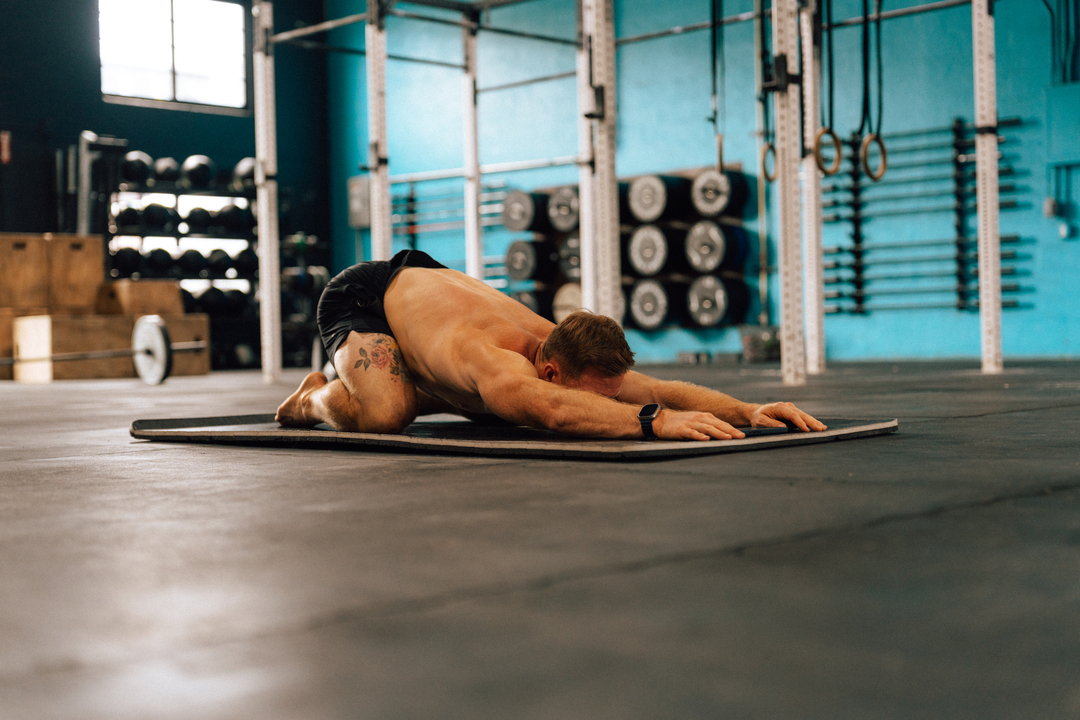
Move your body, breathe, and apply targeted recovery in ways that stack, not compete, so relief becomes repeatable rather than accidental. Use short, precise practices you can do at your desk, between meetings, and before bed, then layer recovery tools and hydration to protect that progress.
Move Your Body to Manage Stress Levels
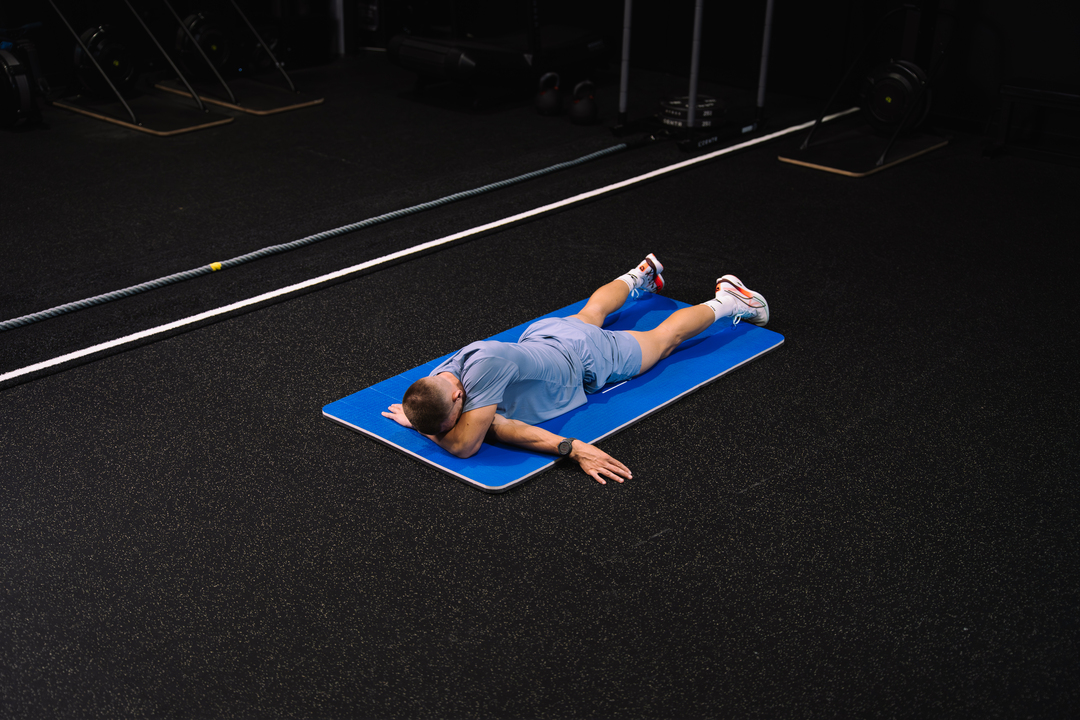
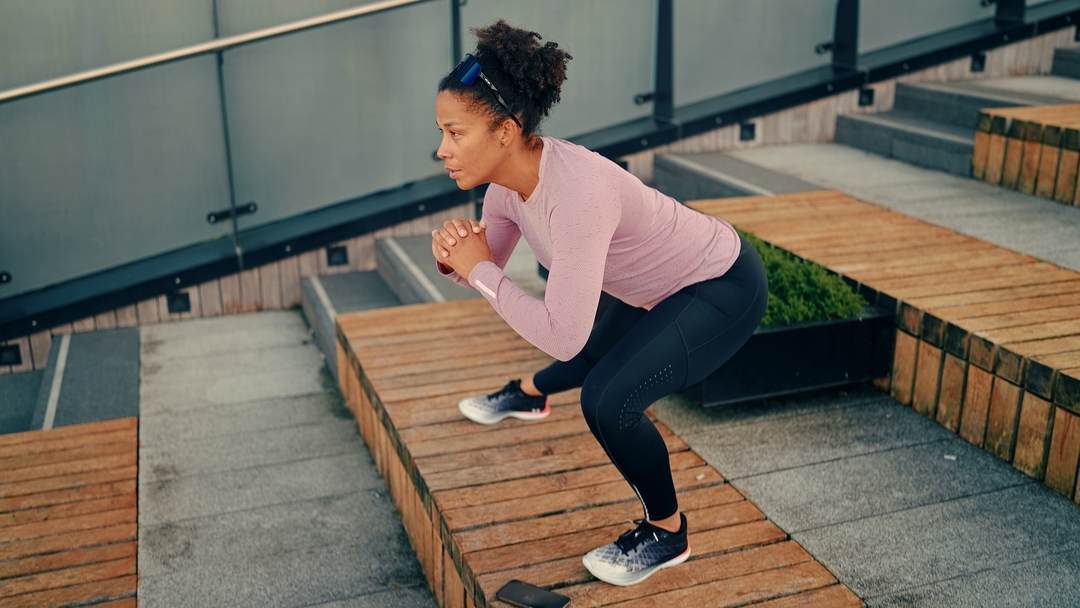
Aim for at least 30 minutes of moderate exercise most days to reduce baseline muscle tone and keep stress hormones from locking your muscles into a guarded state. Combine strength, mobility, and low-load endurance to improve circulation and movement quality simultaneously. Pliability offers a fresh take on yoga, tailored for performance-oriented individuals and athletes.
Pliability App Features and Benefits
Our app features a vast library of high-quality videos designed to improve flexibility, aid recovery, reduce pain, and enhance range of motion.
- Pliability provides daily-updated, custom mobility programs for those looking to optimize their health and fitness.
- It also includes a unique body-scanning feature to pinpoint mobility issues.
If you're limited by pain or reduced mobility, Pliability aims to complement your existing fitness routine and help you move better.
Sign up today to get 7 days absolutely for free, on iPhone, iPad, Android, or on our website, to improve flexibility, aid recovery, reduce pain, and enhance range of motion with our mobility app.
Yoga for Flexible, Calm Muscles
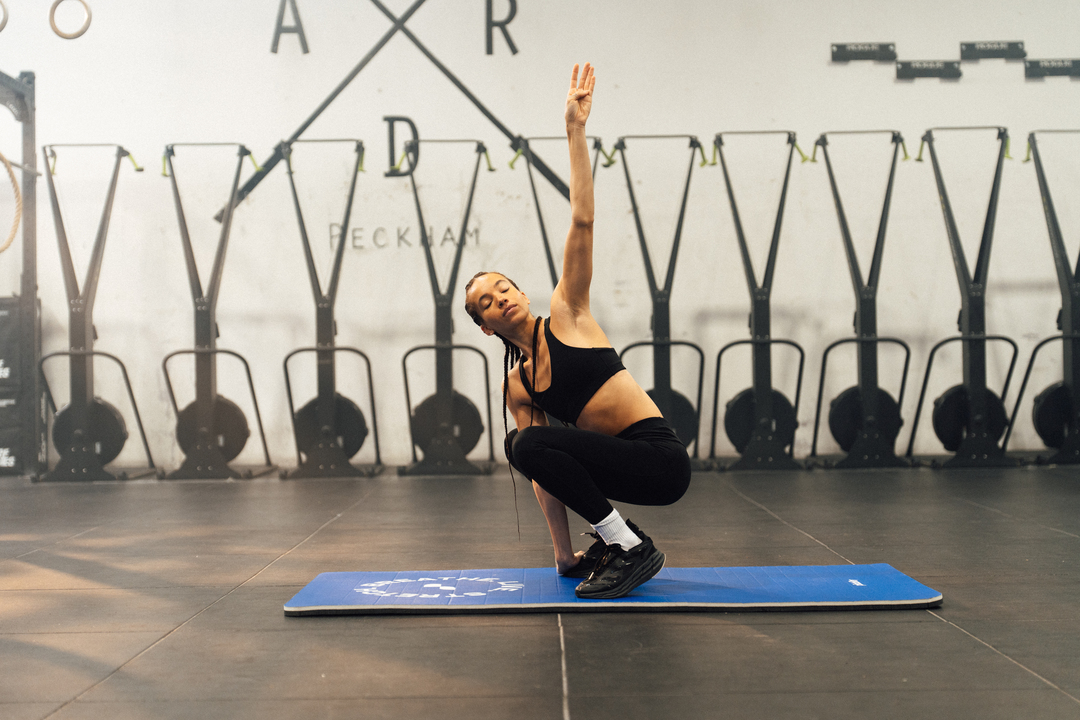
Regular practice that pairs movement with breath shifts muscle tone and nervous system reactivity, reducing chronic tightness across the shoulders, neck, and low back. Poses that combine spinal mobility with soft end-range holds reset how your nervous system senses length and safety.
According to MindHealth, “Regular yoga practice can reduce muscle tension by 30%.” Consistent, ergonomic-friendly sequences deliver measurable reductions in muscle tension; prioritize short daily sessions over sporadic hour-long classes.
Stretching You Can Actually Stick To
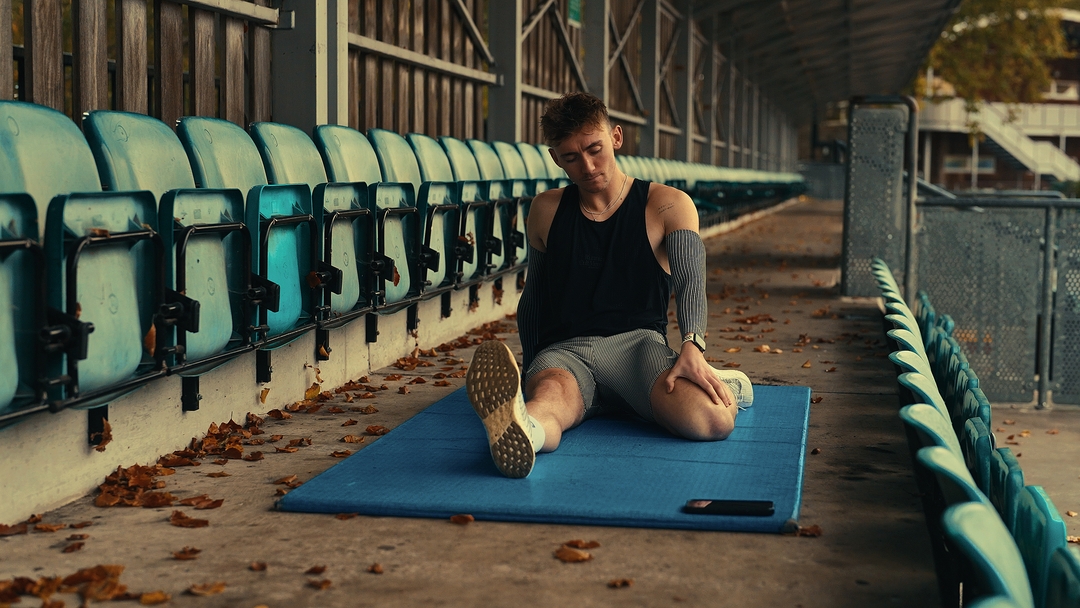
Gentle, targeted stretches loosen the areas that stiffen first, like the upper trapezius, levator scapulae, and pectorals. Use active-loaded holds, slow eccentric lengthening, and 20- to 40-second restful holds to alter how muscle fibers and connective tissue tolerate length.
When clients replace one 20-minute “fix it” stretch with two 8-minute targeted sessions throughout the day, range of motion and comfort improve because the nervous system learns the new pattern more reliably.
Take Deep Breaths for Immediate Relief
Controlled breathing downregulates the threat response and reduces rapid, reflexive muscle bracing, which is why quick-breath routines are the fastest tool in your pocket. Settle into a posture that supports relaxed ribs, inhale calmly for four counts, hold for four, and exhale for six while softening the jaw and shoulders.
According to MindHealth, “80% of people report feeling less tense after practicing deep breathing exercises.” This simple sequence gives immediate perceptual relief and creates the window for movement practice to do real work.
Aerobic Activity to Flush Tension
More prolonged bouts of walking, cycling, or swimming increase blood flow, clear metabolic byproducts, and reset resting tone across large muscle groups.
Treat aerobic work as recovery-capable training:
- Keep it moderate to boost circulation without causing fatigue.
- Aim for sessions that elevate heart rate while allowing conversation.
- Alternate those with focused mobility days to avoid reinforcing compensatory movement patterns.
Massage and Self-Release that Teach Your Hands What the Nervous System Forgets
Manual work, either from a therapist or with foam rollers and lacrosse balls, changes muscle spindle sensitivity and the brain’s map of a tight area. Use even pressure and slow strokes, then follow with breath and gentle movement so the nervous system incorporates the new length.
If a technique causes sharp pain, back off and move to gentler input; the point is to change sense, not to provoke guarding.
Use Heat Strategically to Ease Stuck Spots
Local heat improves tissue pliability and reduces stiffness before you move. A 15- to 20-minute heating session before mobility work makes end-range positions less threatening and easier to accept.
For daily soreness, alternate heat with movement:
For acute, inflamed pain, prioritize motion that does not aggravate symptoms, and consult a clinician when unsure.
Hydration and Small Habit Shifts that Compound
Dehydration increases the risk of muscle cramps and reduces soft-tissue flexibility, thereby increasing tension in the neck and shoulders. Drink at least 8 cups of water daily; more when you sweat or feel tight after prolonged sitting.
Small habit changes, such as standing for two minutes every hour and sipping water regularly, often remove the “last 20 percent” of daily tightness that dedicated sessions usually miss.
Bridging Mobility Gaps with Consistent, Programmed Practice
Most people patch tension with one-off fixes because it feels easier and fits within a busy day, which is understandable. That familiar approach works until gaps appear:
- Inconsistent practices create mobility holes
- Routines clash with pain patterns
- Gains regress when stress spikes
Platforms like mobility apps provide daily programming, tailored progressions, and body scanning that fill those gaps, keeping short, repeatable practices consistent so the relief you earn does not slip away.
The pattern across remote workers and athletes:
When movement, breath, and recovery are aligned with daily load and hydration, pain becomes manageable rather than mysterious; when they are not, tension returns like clockwork.
What comes next reveals a detail about posture and movement that decides whether relief lasts or evaporates.
How Important Is Hydration and Small Habit Design?
Keep to a baseline of about eight cups a day and increase with activity to avoid cramps and stiffness. Use anchors like a lunchtime walk or a post-meeting breathing break so these practices do not rely on willpower alone. The pattern across busy workers is clear: they give up on long workouts but will consistently do short, repeated practices if those fit naturally into their day.
Overcoming Fragmentation in Mobility Training
Most teams manage mobility work through scattered apps, sticky notes, or whatever video they stumbled on, because that feels flexible and low-commitment. Over time, that fragmentation undermines progress and leads to inconsistent results.
Platforms like Pliability offer daily custom mobility programs and a body scan to identify weak links, helping people consolidate short sessions into measurable gains and avoid fits and starts. Think of chronic tightness like a rope left braided and frozen in one position, rather than a single snapped strand; the work that frees it must be specific, repeated, and gradual.
There is one detail about yoga practice that quietly rewrites everything you thought about tension.
Related Reading
- How to Beat Afternoon Slump
- How to Improve Working Memory
- Yoga for Focus
- Neuromotor Exercise
- Brain Gym Exercises
- Mind Body Exercise
- Stress Relieving Stretches
- Exercises for Brain Fog
- Mental Focus Exercises
- Morning Brain Exercises
Are There Specific Yoga Poses That Are Particularly Effective for Relieving Tension?
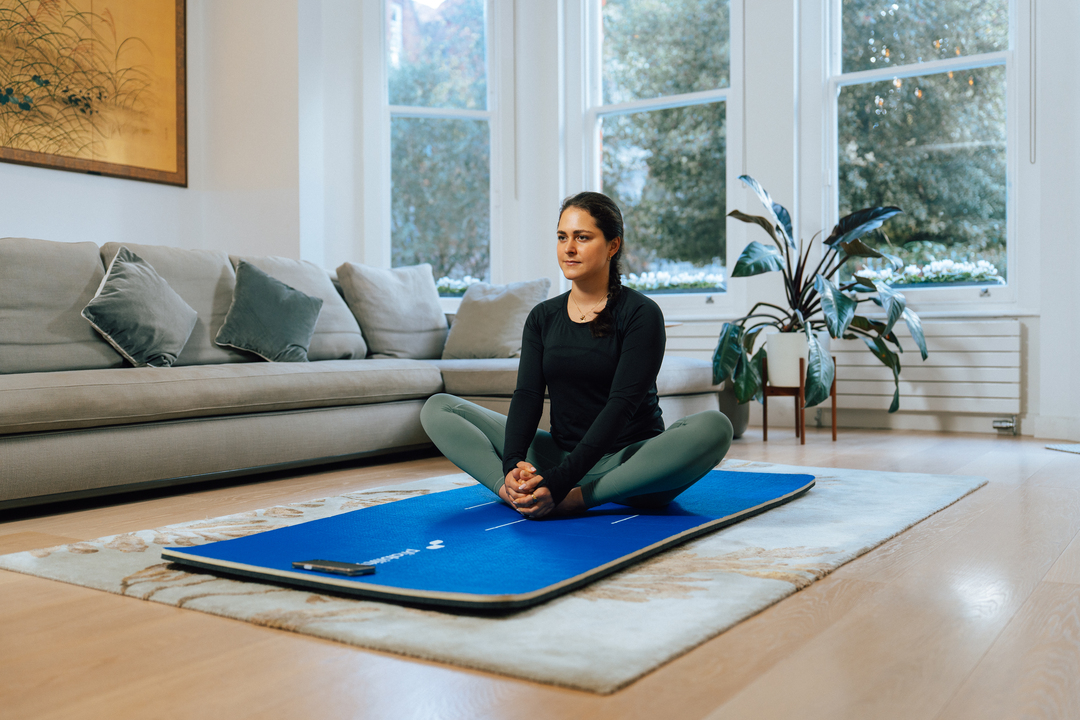
These five poses provide predictable, rapid relief by targeting common holding patterns in the hips, spine, and shoulders, allowing the nervous system to downregulate into a softer tone. Practice them with minor adjustments and props, not force; when you do, range improves, and pain signals quiet.
A 2024 systematic review found that 75% of participants reported a significant reduction in tension after practicing yoga poses such as Child's Pose and Corpse Pose, which aligns with what I observe when people adopt brief, consistent positioning that feels safe to the nervous system.
Child’s Pose (Balasana)
What it looks like:
- Kneel, sit back on your heels, widen your knees if your hips need space, and fold forward until your forehead rests on a block or mat.
- Arms can reach forward or rest alongside the body.
Where you feel it:
- Low back
- Sacrum
- Shoulders
- Neck
Widening the knees shifts the sensation into the hips and glutes.
Safety and Tweaks
If your knees hurt, place a folded blanket behind them. If you feel pressure across the front of the pelvis when your legs are apart, bring your knees closer or slide a bolster between your thighs for soft contact. Avoid forcing your forehead to the floor if your neck feels pinched; use a block instead.
Why Does This Ease Tension?
Child’s pose gives the nervous system a low-threat posture, compressing and then gently decompressing the lumbar spine while unloading the shoulders and neck. The supported, restful hold reduces muscular guarding and invites breath to lengthen the back tissues.
Cat-Cow Stretch (Marjaryasana-Bitilasana)
What it looks like:
- Start on hands and knees.
- Inhale to arch the spine and lift the chest; exhale to round the spine and tuck the chin.
- Flow slowly.
Where you feel it:
- Cervical and thoracic spine
- Anterior hips when arching
- Posterior chain when rounding
Safety and Tweaks
Move from the hips, not the lower back; keep the pelvis neutral if you have hyperlordosis. If your wrists are sensitive, place your fists or use your forearms for support. Move within comfort; sharp pins and needles require medical review.
Why Does This Ease Tension?
The coordinated spinal articulation coherently re-teaches segmental mobility, breaking up stiff, habitually locked vertebrae and reducing reflexive neck and shoulder bracing through rhythmic movement.
Downward-Facing Dog (Adho Mukha Svanasana)
What it looks like:
- From hands and knees, press into the hands.
- Lift the hips up and back, form an inverted V.
- Soften the heels toward the floor without grinding the knees straight.
Where you feel it:
- Hamstrings
- Calves
- Low back
- Shoulders
- Wrists
Safety and Tweaks
Bend the knees to protect the hamstrings and maintain a neutral spine. Walk the hands back if your shoulders round, or come onto forearms for a gentler shoulder load. If you have high blood pressure or a risk of detached retina, avoid prolonged inverted holds.
Why Does This Ease Tension?
Downward dog lengthens the posterior chain while decompressing the spine and redistributing tension across multiple joints, so no single area has to compensate; the pose also delivers a mild, controlled inversion that shifts autonomic tone.
Forward Bend (Uttanasana)
What it looks like:
- Stand feet hip-width apart, hinge from the hips.
- Let the torso drop toward the legs.
- Keep a slight bend in the knees if the hamstrings pull.
Where you feel it:
- Hamstrings
- Glutes
- Spinal erectors
- Behind the knees
Safety and Tweaks
If sciatica flares, limit the fold to a supported half-forward fold with hands on blocks. Use micro-bends in the knees to avoid locking them and exaggerating posterior knee pressure. Place a small pillow between the thighs if inner-thigh contact eases lateral tension.
Why Does This Ease Tension?
A forward fold applies an even, passive lengthening to the posterior chain. It shifts spinal load into a relaxed flexion, reducing active muscular holding in the lower back and hamstrings.
Legs Up The Wall (Viparita Karani)
What it looks like:
- Sit against a wall, swing your legs up it as you lie back.
- Keep your sitting bones close to the wall.
- Rest your arms comfortably.
Where you feel it:
- Lower back release
- Reduced leg heaviness
- Pelvic floor unloading
Safety and Tweaks
Put a folded blanket under the sacrum to create a slight pelvic lift if your low back feels flat or uncomfortable. Avoid this pose during the late first trimester of pregnancy if you feel discomfort, and skip inverted rests if advised against them for glaucoma or uncontrolled hypertension.
Why Does This Ease Tension?
This restorative position reverses gravitational pooling, lowers sympathetic drive by creating a restful posture, and lengthens posterior leg tissues without active effort, so the nervous system interprets safety and relaxes tone.
When lateral thigh and hip tension show up, a simple positioning change often does more than extra stretching.
This pattern appears across clients:
Pressure along the outer thigh eases when the inner thighs receive light contact, suggesting the issue is related to adductor coordination and gluteus medius support rather than a tight hamstring alone. Thigh support in Child’s pose and balanced, short holds that teach muscles to stop guarding.
From Intermittent Stretching to Targeted, Consistent Practice
Most people try a few stretches and stop when relief fades, because that approach is familiar and feels efficient. Over time, however, intermittent effort leaves patterns unchanged and relief becomes temporary.
Platforms like Pliability offer short, progressive sequences, body scans that pinpoint asymmetry, and daily cues, guiding people from random stretching to consistent, targeted practice that addresses underlying coordination problems.
Targeted Poses for Muscle Tension Reduction
A four-week, pose-focused program in that same 2024 review reported that participants experienced a 30% decrease in muscle tension after a 4-week yoga program focusing on specific poses, which shows how brief, repeated positioning with proper guidance changes muscle tone, not just perception.
Think of these poses as low-gear retraining for a nervous system that learned to hold; gentle, supported positioning is the practical way to loosen the habit without provoking new guarding.
It feels like relief until you realize that tracking and minor progress are what actually make it stick.
Related Reading
- Mental Training Exercises for Athletes
- Brain Biohacking Exercises
- Cognitive Activities for Adults
- Improve Attention to Detail Exercises
- Cognitive Flexibility Exercises
- Gentle Movement Exercises
- Energy Exercises
- Micro Workouts
Improve Your Flexibility with Our Mobility App Today | Get 7 Days for Free on Any Platform
We see how tightness and recurring pain hinder your training progress, and you deserve a simple, measurable way to move better in short daily windows. Pliability offers a fresh take on yoga tailored for performance-oriented athletes, with an extensive guided video library, daily-updating custom mobility programs, and a body-scan that pinpoints your limits so you can reduce stiffness, speed recovery, and expand range of motion.
Try seven days free on iPhone, iPad, Android, or on the web.
.jpg)