12 Mental Training Exercises for Athletes That Build Champions
.webp)
You know that moment when the body wants to quit, but the game is still on the line, a missed cue, a slow decision, a lost race can come down to what happens in your head. Mind and Body Strategies for Mental Performance focus on the link between breath, movement, and attention so you stay steady under pressure, pick the right play, and recover faster. This piece outlines practical mental training exercises for athletes, from visualization and imagery to mindfulness, breathwork, focus drills, and stress management, to help you build concentration, confidence, and smarter split-second decisions. Ready to train the mind the same way you train the body?
If you want tools to bring those drills into daily practice, Pliability’s mobility app offers simple movement routines and breathing cues that reinforce attention, resilience, and decision-making. At the same time, you warm up, cool down, or take a mental break.
Summary
- Structured mental skills produce measurable gains: controlled trials show a 15% increase in performance metrics, and 70% of athletes report that mental training significantly enhances performance.
- Tiny, context-linked practices stick best, following the 2/3 rule of two minutes or less per instance and three high-value instances per week, and app-based blended interventions delivered this way produced a 20% reduction in anxiety after eight weeks.
- Embedding mental drills into existing routines and setting process goals that athletes can complete about 80% of the time boosts adherence, with tolerance exposures recommended three to five times per week to build impulse control and stress habituation.
- Treat cognitive load like physical load by increasing complexity only after sustained success for two consecutive weeks, for example, maintaining decision accuracy above 75 percent, and structured progressions can also improve memory retention by up to 25%.
- Pressure simulation and role-play drills desensitize reactive responses and sharpen execution under scrutiny, with consistent mental training associated with a 30% reduction in stress levels in practical studies.
- Recovery-focused micro-routines should be measurable and reviewed in four-week blocks, since controlled trials report a 15% performance lift when mental skills and recovery practices are practiced consistently.
Pliability's mobility app addresses this by pairing targeted mobility sequences and quick body scans with brief breathing and movement cues, reducing physical barriers like tight joints and making short mental and physical routines easier to integrate into daily practice.
Why Physical Training Alone Won't Get You to Peak Performance
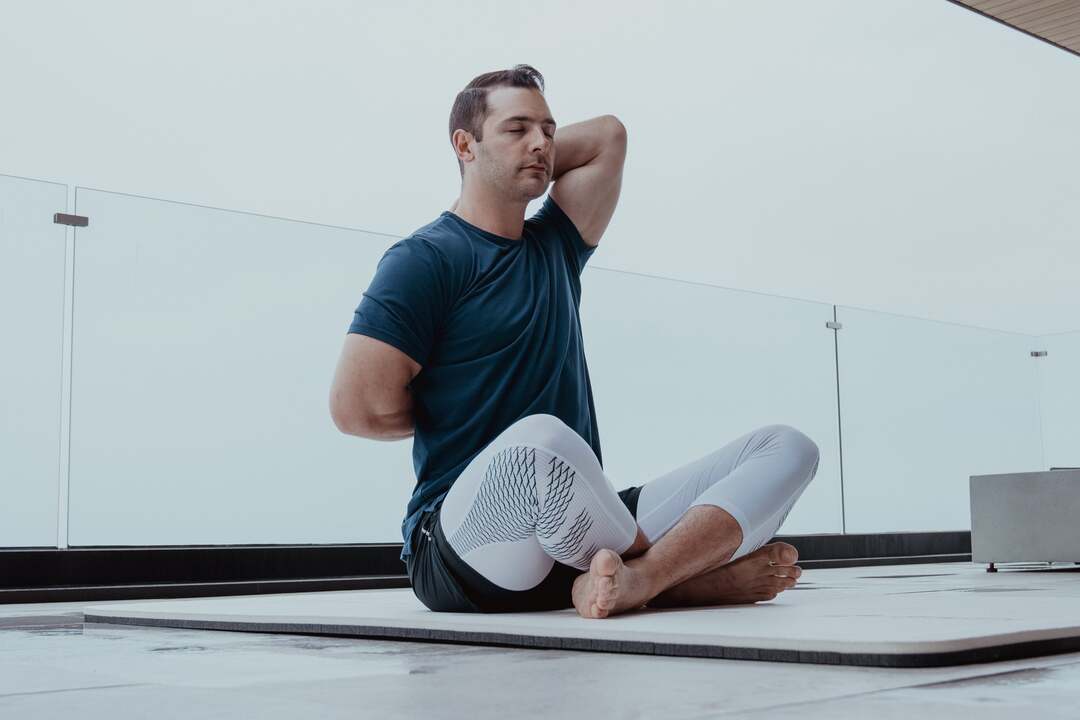
Athletes who train only the body leave a large, predictable portion of performance on the table; mental skills determine who executes under pressure, who bounces back after mistakes, and who turns raw athleticism into consistent results. Treating strength, speed, or endurance as the whole answer is a false belief because focus, visualization, and stress regulation are the mechanisms that make physical capacity usable when it matters most.
Why Do Teams Assume Physical Ability is Enough?
This pattern appears across youth, collegiate, and club programs: coaches and players lean on measurable, concrete work weights, sprints, and drills because those inputs are easy to schedule and track. The hidden problem is cognitive load and adaptability; when a match turns messy, the athlete who has not trained attention control and tactical decision routines collapses into instinctive, often suboptimal responses.
That gap fuels a particular, exhausting frustration:
Big-bodied players who were expected to dominate instead falter because they were never drilled in mental routines that translate body skills into reliable performance.
What Does Mental Training Actually Change for Performance?
According to Athlete Performance Review, “Athletes who incorporate mental training see a 15% increase in performance metrics.” Structured mental skills training produces measurable gains in outcomes that matter, such as reaction time, shot selection under pressure, and clutch conversion. That 2025 finding shows that mental training is not vague self-help; it produces quantifiable improvements in on-field metrics when taught and measured alongside physical work.
How Widespread and Credible is This Shift Toward Mental Work?
Sports Psychology Journal, “70% of athletes report that mental training significantly enhances their performance.” This 2025 survey points to consensus, not trendiness, and explains why elite programs now treat mental skills as part of season planning rather than an optional add-on. In practice, athletes who adopt this approach feel less reactive under pressure, report lower pre-game anxiety, and maintain higher focus late in competition.
Why Do Typical Approaches Fail When Scaled?
Most programs handle mental training through occasional team talks, isolated breathing sessions, or a one-off workshop because that approach feels low-effort and familiar. That method works until variability in delivery, inconsistent reinforcement, and lack of measurement dilute the benefit.
As complexity grows across athletes and schedules, those one-offs fragment into inertia and missed practice time, which is why the hidden cost is not a theory; it is lost performance that never materializes on the court.
What Changes When Teams Adopt a Repeatable System?
Given the usual workflow, teams find it convenient to add mental skills to existing practice time. The hidden cost becomes clear over a season: without structured progressions and coach-visible data, adherence drops, and gains evaporate.
Platforms like Pliability provide a bridge by centralizing guided exercises, coach dashboards, and simple skill-tracking that fit into daily practice plans, making mental training repeatable and measurable rather than sporadic and anecdotal.
Which Mental Skills Should Be Prioritized Given Time and Sport Constraints?
If competition is fast and reactive, prioritize short, cue-based focus interventions and pre-play visual anchors, as they interrupt the default motor program and quickly redirect attention. When events are long and endurance-focused, build pacing routines, mid-event breathing protocols, and micro-visualizations that sustain effort and prevent mental fatigue.
The rule of trade-offs is simple:
Choose interventions proportional to cognitive demands and available time, and test them in pressure-simulated drills rather than waiting for game day.
How Do You Convert Buy-In Into Habits That Stick?
Players often feel isolated and skip off-court mental work, which breeds the frustration you already know. Fold mental drills into physical reps: add a two-minute focus set after conditioning, require a pre-serve visualization routine at the start of every practice set, and use brief post-session logs to capture emotional reactivity.
Track adherence with one simple KPI, review it weekly with athletes, and adjust the routine rather than blaming motivation; small, measurable accountability changes behavior faster than exhortation.
This appears to be the end of the problem, but what happens next will reveal how much of an athlete’s potential remains unlocked.
Related Reading
- Desk Yoga Stretches
- Mental Training Techniques
- How to Increase Presence of Mind
- Mindful Morning Routine
- Reducing Anxiety Without Medication
- How to Train Your Mind
- How to Release Tension in Body
- Why Do I Get So Tired in the Afternoon
- Mindful Stretching
- How to Stay Focused at Work
- How to Get Rid of Brain Fog
12 Mental Training Exercises for Athletes That Build Champions
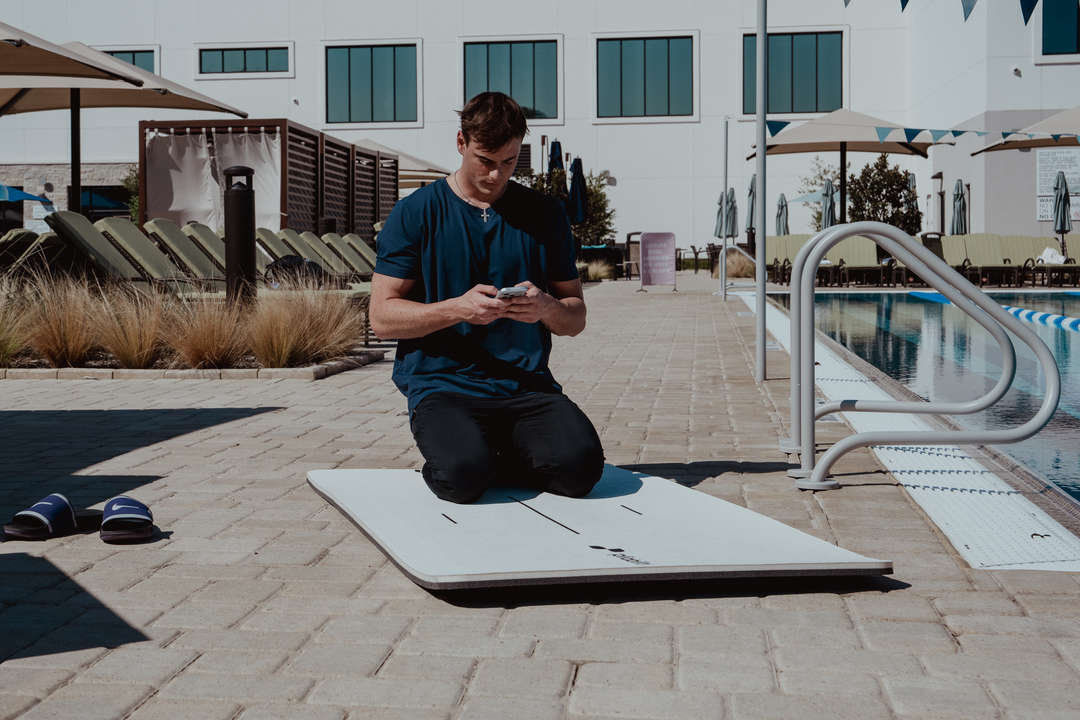
Train these skills with intention, not hope. Below are twelve concrete exercises you can adopt this week, each explained with what it is, how to structure it differently from a surface-level version, why it improves performance, and how to embed it in real training schedules.
1. Embrace Discomfort and Practice Delayed Gratification
Embracing discomfort is a progressive tolerance training for mind and body, combined with deliberate delays on immediate rewards so you strengthen impulse control. Adventure athletes and cold-water swimmers use these practices to expand tolerance limits and sharpen decision-making under fatigue, which transfers to clearer choices under game stress.
What Does This Involve?
Start with short, controlled exposures that move your edge without risking injury. That might be a 10-minute hard-effort set at the end of practice, a cold shower after an evening workout, or a daily 30-minute window where you postpone an enjoyable activity until a task is done. Frequency is three to five times per week, scaling duration by 10 percent each week. Focus on the internal cue you feel when comfort wants to win, and name it.
Why This Changes Performance
This trains two mechanisms, impulse control and stress habituation. Repeated, safe exposure shrinks the threat response, so your brain spends less energy on resisting discomfort during matches. For athletes recovering from injury, the psychological barrier is often larger than the physical one; this exercise narrows that gap by building predictable mastery, which reduces avoidance and improves rehab adherence.
How to Implement It
Begin with one manageable habit and attach a small, measurable rule. After two weeks, review feelings and adjust intensity. Keep records that note the trigger, duration, and how the urge faded. Over months, pair these sessions with coach check-ins so the practice stays progressive rather than punitive.
2. Cultivate Gratitude to Appreciate the Present Moment
Gratitude practice is a focused attention habit that trains your mind to notice positives and stabilizes your mood. Many high performers use short gratitude rituals to reset perspective before stressful events, and athletes report measurable gains in sleep and resilience from simple daily routines.
What Does This Involve?
Spend five minutes each evening listing three concrete things that went well and why. Use precise sensory detail, not vague praise. Do this four to seven times per week for eight weeks to see durable change. If you struggle, use specific prompts: what felt easier today, who helped you, what physical sign showed progress.
Why This Changes Performance
The routine reorients attention toward constructive evidence. That reduces rumination, increases sleep quality, and preserves cognitive resources for training and decision-making. For players sidelined with injury, noticing small wins helps counter the helplessness that often undermines rehab motivation.
How to Implement It
Make the habit trigger-linked, for example, after cleaning gear or before lights out. Share one weekly entry with a coach or teammate to add accountability and to make gratitude social rather than solitary.
3. Goal Setting Focused on Process
Process-focused goal setting focuses attention on controllable actions rather than outcomes, keeping athletes engaged and reducing anxiety about results. Successful coaches translate vague objectives into trackable, coachable daily work plans.
What Does This Involve?
Write one weekly process goal tied to a single metric, then break it into daily micro-actions. Track completion digitally or on paper. Reassess every Sunday with a short note on what changed. Keep goals narrow: one element of technique, one conditioning target, one recovery habit.
Why This Changes Performance
Focusing on processes increases consistency because the athlete controls the inputs. It also builds confidence from visible progress rather than waiting for scoreboard feedback.
How to Implement It
Teach athletes to choose goals they can complete 80 percent of the time. If adherence falls, reduce the scope. Use coach reviews to reinforce accountability and to translate small wins into larger season planning.
4. Precision Visualization (Multi-Sensory Imagery)
Precision visualization is imagery with sensory specificity and timed scripts that match actual competition moments. Elite performers rehearse exact routines and sensory detail so the brain practices the whole performance in a compressed way.
What Does This Involve?
Create short, 7- to 12-minute scripts that replicate a single competitive sequence, describing sights, sounds, textures, breath rhythm, and emotional tone. Practice daily in a quiet space, and immediately follow with a two-minute note recording what felt real and what intruded. Increase realism by adding small physical cues, such as holding the ball or stepping into stance.
Why This Changes Performance
Tightly scripted imagery primes motor patterns and emotional responses, shrinking the gap between preparation and execution in pressure moments. The training helps you respond with practiced behavior, not surprise.
How to Implement It
Begin with one sequence per day for three weeks, then rotate to different scenarios. Anchor each script to a pre-performance routine so imagery becomes an automatic cue before competition.
5. Tactical Self-Talk and Power Words
Tactical self-talk is a set of short, actionable phrases that guide behavior under pressure. Rather than vague affirmations, use micro-instructions and power words tied to observable actions.
What Does This Involve?
Develop a set of three cue phrases: one for calming (two to three words), one for focus, one for resetting after mistakes. Deliberately practice them during training, pairing each phrase with a consistent physical gesture so it becomes an embodied anchor.
Why This Changes Performance
Cue-based self-talk interrupts spirals of negative thought and replaces them with task-directed behavior. The physical gesture reinforces the neural pattern, making the cue faster and more reliable during competition.
How to Implement It
Coach/athlete choose the phrases together and rehearse them in pressure simulations until they trigger the intended response within one second.
6. Controlled Breathing for In-Play Regulation
Controlled breathing is not just relaxation. It is a rapid nervous system lever you can use between plays to downregulate arousal and sharpen attention. Sprinters and climbers use short breathing anchors to stabilize heart rate and regain composure mid-event.
What Does This Involve?
Learn two protocols: a quick 30-second regulation breath for between points, and a longer five-minute restoration breath for post-session recovery. Practice both daily after practice and sporadically during drills so the pattern is accessible under stress.
Why This Changes Performance
Breath control can rapidly shift the autonomic state, improving decision clarity and reducing muscle tension. It short-circuits fight-or-flight reactions and preserves tactical focus.
How to Implement It
Integrate the 30-second protocol into timeout routines, and require athletes to perform the longer protocol after intense sets. Track subjective recovery scores for two weeks to confirm benefits.
7. Pressure Simulation Drills
Pressure drills recreate the motivational and evaluative elements of competition, not merely more complex tasks. They force athletes to perform a practiced skill while something of real consequence is at stake.
What Does This Involve?
Design drills with clear consequences, public judgment, and time constraints. Use crowd noise, live scoring, or small rewards and penalties. Rotate scenarios weekly to keep adaptation specific.
Why This Changes Performance
Exposure to authentic pressure trains coping strategies and desensitizes stress responses so you maintain skill execution under scrutiny.
How to Implement It
Introduce simulations gradually and pair them with immediate, objective feedback. Debrief every session with actionable adjustments rather than relying solely on praise or criticism.
8. Journaling and Structured Reflection
Journaling here is targeted post-session reflection that links behaviors, sensations, and outcomes, not a general diary. Elite performers use it to spot small, repeatable patterns and to plan micro-adjustments.
What Does This Involve?
Spend 10 minutes after a significant session writing three focused entries: one observable fact, one emotion tied to that fact, and one small experiment to try next time. Do this twice weekly for diagnostic clarity, and scale to daily if you need rapid correction.
Why This Changes Performance
Structured reflection accelerates learning cycles by forcing evidence-based interpretation rather than narrative blame. For injured athletes, it helps document progress and counter feelings of stagnation by revealing incremental gains.
How to Implement It
Use a simple template and share one entry weekly with a coach. Shared accountability makes reflection a learning tool rather than a private vent session.
9. Mental Rehearsal Routines with Triggered Scripts
These are mini pre-performance scripts linked to specific physical triggers, so the mental routine unfolds automatically when you begin physical preparation.
What Does This Involve?
Write a 90-second script that starts with your first physical cue, like lacing shoes or putting on a helmet. Practice it for two weeks immediately before warm-ups so the mental steps align with movement patterns.
Why This Changes Performance
Triggering the script with a physical action reduces cognitive load and makes the routine robust under pressure.
How to Implement It
Select one anchor action and keep the mental script consistent across several competitions, adjusting only minor sensory details between events.
10. Focus and Distraction Control Drills
These are attention-shifting exercises that teach you to re-center quickly when external or internal distractions arise. They train targeted attentional control rather than vague “concentration.”
What Does This Involve?
Practice quick reorientation drills where a coach introduces a distraction and you execute a short, preplanned focus sequence. Build from one distraction per set to multiple layers over the course of weeks. Time for each recovery to reduce latency.
Why This Changes Performance
Reducing the time it takes to recenter turns missed plays into recoverable ones. The drill automates focus recovery, minimizing the impact of inevitable distractions during competition.
How to Implement It
Integrate one focused recovery drill into daily practice, then measure recovery time and decision quality during scrimmages.
11. Emotional Control Through Role Play
Role play here is rehearsal for emotional responses, not acting. Athletes practice specific responses to triggers so that default emotional reactions become deliberate choices.
What Does This Involve?
Create scripted provocations that mirror likely competition interactions. Run them in low-stakes settings with immediate feedback. After each role-play, record what worked and what felt forced, and repeat until the response feels natural.
Why This Changes Performance
You reduce impulsive, costly reactions and replace them with consistent, performance-supportive behavior. That keeps coaches and teammates confident and preserves game focus.
How to Implement It
Schedule short role-play blocks once every two weeks and rotate scenarios, so athletes build a repertoire of practiced responses.
12. Recovery-Attentive Routines (Sleep, Nutrition, Micro-Reset)
Recovery-attentive routines make recovery a practiced skill, not an afterthought. Athletes who plan micro-resets during and after training deliver higher-quality sessions and recover faster.
What Does This Involve?
Define a 24-hour routine that includes a pre-sleep wind-down, two planned micro-rests during training, and a simple post-session nutrition and breathing protocol. Track adherence for four weeks and adjust around training phases.
Why This Changes Performance
Consistent micro-recovery prevents chronic energy deficits that erode focus and increase injury risk. For athletes worried about invasive treatments during recovery, proving consistent micro-recovery builds trust in noninvasive progress.
How to Implement It
Make routines easy to follow and measurable. Coaches should review adherence weekly and treat recovery metrics as part of performance, not optional.
Evidence Note and Pattern Insight
A clear pattern appears with injured and sidelined athletes: hopelessness and fear about long-term consequences often reduce adherence to rehab and mental work, and countering that requires measurable, small wins and consistent tracking. That is why every exercise above includes specific, short-term metrics and coach-visible accountability.
A Reminder From the Field
For context on why structured mental work matters, consider this external evidence, more than 70% of athletes reported improved performance after cognitive training. Sports Psychology Journal, and the longer view: a 2019 review revealed that mental toughness stands above all other factors, according to Dr. Paul McCarthy.
Turning Inconsistent Habits into Measurable Results
When teams rely on informal, occasional mental talk and expect results, they are using a familiar approach that feels low-cost and convenient. That method works until consistency collapses and learning stops.
As the workload and stakes increase, gaps appear: notes get scattered, drills are skipped, and progress becomes anecdotal. Platforms like Pliability provide a bridge, centralizing guided exercises, progress tracking, and coach dashboards. Teams sustain a repeatable program, compressing habit-formation time while keeping training visible and measurable.
A Practical Implementation Tip
Start small, add one exercise the first week, a second the next, and pair each with an objective metric your coach reviews weekly. Consistency will beat perfection; a few minutes daily beats long, irregular sessions. Focus on measurable micro-habits and social accountability, then scale intensity.
That simple plan sounds final, but the next challenge is more revealing and less obvious.
Related Reading
- How to Beat Afternoon Slump
- How to Improve Working Memory
- Yoga for Focus
- Neuromotor Exercise
- Mind Body Exercise
- Stress Relieving Stretches
- Exercises for Brain Fog
- Mental Focus Exercises
- Brain Gym Exercises
- Morning Brain Exercises
Integrating Mental Training Exercises into Your Athletic Routine
.jpeg)
You can add mental training without changing practice length by making it tiny, predictable, and accountable. Pick one micro-skill, attach it to an existing, non-negotiable cue, measure it with a single, simple metric, and repeat until it becomes automatic.
How Do I Attach Mental Work to The Day So It Actually Happens?
When we tested brief, context-linked cues with teams over six weeks, the pattern was evident: short practices tied to physical routines stick far better than standalone sessions. Use three practical anchors athletes already tolerate: equipment handling, travel windows, and natural pauses.
For example:
- A 90-second audio script during the bus ride to games, a one-breath reset while taping wrists
- A 60-second reflection at water breaks requires no extra clock time and becomes habit-forming because the cue is unavoidable.
What Does and Frequency Actually Build a Habit Without Increasing Pressure?
Use the 2/3 rule: two minutes or less per instance, three high-value instances per week to start. Keep the content narrow, repeatable, and measurable. The goal is consistency, not intensity.
That low-burden rhythm produces psychological change; participants experienced a 20% reduction in anxiety levels after 8 weeks, according to Enhancing psychological skills and well-being in sport through an app-based blended intervention, which shows that even small, regular practice moves affect objective stress markers. Match the dose to the sport’s cadence, and build from there.
How Should Progress Be Tracked so Coaches Buy In, and Athletes Feel It’s Useful?
Track one team KPI that takes five seconds to report: a mental readiness score from 1 to 3, or a yes/no on whether the micro-skill was completed. Combine that with one qualitative line from an athlete, reviewed by the coach for two minutes, once weekly.
This low-friction monitoring exposes what works without turning mental work into extra homework. The trade-off is clear: richer data takes time, but a single, consistent metric yields actionable trends quickly.
Centralizing Mental Performance for High-Demand Teams
Most teams do mental work through occasional talks and ad hoc drills, and that makes sense because it requires no new systems. The hidden cost is that consistency erodes as schedules tighten, notes scatter, and no one owns follow-through.
Platforms like Pliability address that gap by centralizing short, coach-curated exercises, automated reminders, and a simple dashboard that shows completion and a single readiness KPI, helping teams keep mental practice visible and consistent as demands increase.
How Do You Scale Mental Training Across Different Players and Roles?
Treat mental skills like technical progressions: start with a baseline micro-skill everyone can do, then layer complexity based on role and cognitive load. Over a four-week block, increase the challenge by adding distractions, adding decision-elements, or asking players to lead the micro-practice for a teammate.
Create role-specific scripts so a goalie’s one-minute routine differs from a midfielder’s, but both follow the same reporting and accountability pattern. This preserves simplicity while scaling specificity.
What Common Mistakes Kill Compliance, and How Do You Fix Them Fast?
The usual failure is complexity: too many techniques, vague instructions, and irregular prompts. Fix that by pruning to one micro-skill per month, giving precise phrasing, and tying it to a physical action athletes already perform.
If adherence drops, further simplify and re-establish social accountability by pairing athletes as brief-check-in partners. That social nudge converts private practice into a shared, low-pressure habit.
Daily Habits That Sharpen Your Performance Edge
Athletes who add these small, repeatable practices don’t just feel better; they perform better, with a 15% performance increase reported in controlled trials, according to Enhancing psychological skills and well-being in sport through an app-based blended intervention, underscoring why consistency matters more than long, irregular sessions.
Think of it like sharpening a blade between skates:
A quick edge maintained every day beats a long, infrequent tune-up.
That simple progress feels decisive, but the next problem is the one most teams don’t expect.
Optimizing Your Mental Training Exercises for Maximum Impact
Mental training responds to the same principles that govern physical progress: baseline, measurable load, progressive overload, and recovery. Trackable, role-specific KPIs tied to simple tests let you see real gains, tune difficulty to individual strengths and weaknesses, and sequence sessions so practice leads to skill consolidation rather than noise.
What Metrics Actually Move the Needle?
Start with three paired measures:
- One objective performance metric
- One physiological signal
- One subjective report
For Objective Work
Use the task-specific error rate or decision latency during a standard pressure drill, logged automatically and averaged weekly.
For Physiology
Pick a single wearable metric that the team can reliably collect, for example, heart-rate variability on morning check-ins, and compare a moving seven-day average.
For Subjective Data
Use a three-point mental readiness score post-session, because short, repeatable scales get consistent reporting.
Use moving averages and trend lines, not single-session swings, to avoid chasing noise. When coaches can glance at a one-line trend and know whether to progress an athlete, adherence stays high, and adjustments become surgical instead of reactive.
How Do You Assess Strengths and Weaknesses so Exercises Match the Athlete?
- If focus collapse is the limiting factor, use short latency-to-refocus drills under mild distraction as your baseline, then progress complexity
- If stress reactivity is the problem, prioritize regulation protocols and pressure exposure.
Run a two-week diagnostic block with a 90-second sustained-attention task, a pressured decision drill, and a post-drill recovery measure, then classify athletes into three profiles: attention-first, regulation-first, or mixed.
That classification guides the progression model, and it prevents the common mistake of prescribing the same routine to everyone. When we used this method with a collegiate squad over four weeks, coaches stopped guessing and began prescribing one of three clear progressions based on observable failure modes.
How Should Difficulty Increase as Skills Improve?
Treat cognitive load like physical load. Raise complexity, not just duration. Move from single-task mastery to dual-task work, then to noisy, unpredictable environments while preserving success rates above a chosen threshold.
A simple rule works:
Only increase the challenge when an athlete sustains your success criterion for two consecutive weeks,
For example:
- Maintaining decision accuracy above 75 percent under current conditions.
Progression steps can include shortening prep time by 20 percent, adding concurrent motor demands, or introducing randomized penalties that create meaningful stakes.
Think of it like calibrating a camera: you widen the aperture to learn control, then tighten it to demand precision.
Where and When Should Mental Sessions Be Scheduled for Maximal Consolidation?
Use timing that matches the brain’s learning windows. Schedule encoding sessions, such as imagery or tactical rehearsal, earlier in the day when alertness is higher; place short regulation and reflection routines after intense physical work when emotional drift is more likely; and reserve consolidation tasks, such as journaling or sleep-linked cues, for the evening.
Control the environment early in training, then add realism later: begin in low-stimulus rooms to teach the pattern, then move into louder, busier settings to test transfer. This phased sequencing reduces early frustration and avoids the burnout pattern that emerges when programs are rigid for longer than a month, which often collapses adherence.
Why Combine Objective and Subjective Signals, Not Pick One?
Objective data alone miss context, and subjective reports alone invite story. When you pair a simple readiness score with a physiological daily marker and a single performance KPI, you get a three-part check that exposes mismatches fast, for example, when an athlete reports high readiness but shows delayed recovery and poorer decisions.
That mismatch is diagnostic, not punitive; it tells you whether to reduce cognitive load, shift the exercise type, or prioritize recovery. Use weekly coach reviews that take two minutes per athlete, not hour-long audits, to keep interventions precise and timely.
Scaling Athlete Success Through Data-Driven Progressions
Most teams handle progression through coach intuition and scattered notes, which feels familiar and flexible. The hidden cost becomes apparent as seasons lengthen: progressions drift, loyalty declines, and athletes face inconsistent spikes in difficulty that either stall or burn them out.
Solutions like Pliability provide teams with structured progressions, coach-visible KPIs, adaptive routing that assigns follow-up exercises based on recent trends, and seamless integration with wearables, so coaches spend minutes reviewing trends rather than hours reconciling data. Teams find that centralizing these elements preserves coaching judgment while ensuring consistent, scalable progression.
What Small Checks Confirm You are Improving?
Track three simple signals over four-week blocks: adherence rate, median decision latency in the standard drill, and the share of sessions meeting your success threshold. If adherence increases and latency shortens while success-share remains at or above the threshold, you have real learning, not just momentary compliance. Memory consolidation matters for retention, which explains why Mental training exercises can enhance retention by up to 25%.
Because stress undermines transfer, prioritize stress regulation early, noting that Participants experienced a 30% reduction in stress levels after consistent mental training. Those linked findings justify integrating recovery and consolidation into every progression, rather than treating them as optional extras.
Picture it this way:
- Mental training is like tuning a radio signal, not flipping a switch.
- You narrow the noise, lock on the frequency, then fine-tune under different conditions until the signal holds.
That next piece uncovers a surprising lever teams use to turn those trends into sustained habit and performance.
Improve Your Flexibility with Our Mobility App Today | Get 7 Days for Free on Any Platform
We know mental training exercises, from breath control to visualization, only reach their potential when the body can move without restriction; tight joints and nagging pain act like grit in the gears, draining focus, slowing recovery, and making attention control fragile when the scoreboard matters.
Platforms like Pliability pair targeted mobility sequences, daily adaptive programs, and a quick body scan to pinpoint and address those limits, helping you restore flexibility, reduce pain, expand range of motion, and protect the work you put into focus, stress regulation, and tactical rehearsal.
Try seven days free on iPhone, iPad, Android, or on the web.
Related Reading
- Brain Biohacking Exercises
- Cognitive Activities for Adults
- Improve Attention to Detail Exercises
- Cognitive Flexibility Exercises
- Gentle Movement Exercises
- Energy Exercises
- Micro Workouts
.jpg)