Top 18 Mental Training Techniques To Strengthen Mindset and Motivation
.webp)
You stand at the start line, heart quick, thoughts racing, and the moment demands control. What if you had a clear toolkit to calm your thoughts and sharpen your attention? Mental training techniques bring together mindfulness, visualization, attention control, breathing exercises, goal setting, and simple self-talk to build mental toughness, reduce performance anxiety, and strengthen resilience through mind-body performance and resilience exercises. This article lays out practical drills, desk yoga stretches and cognitive strategies so you feel consistently confident, focused, and prepared, and can perform well under pressure while enjoying your sport without becoming overwhelmed by stress or self-doubt.
To make those habits easy to use around practice and competition, Pliability's mobility app combines guided movement sessions with short mental rehearsals and breathing drills. Hence, you build physical readiness and focus in one place.
Summary
- Mental training yields measurable performance gains: 75% of athletes report improved performance, and athletes who engage in mental training are 20% more likely to achieve their goals.
- Brief, consistent routines beat sporadic long sessions, for example, two minutes of breathing, five minutes of visualization, and a single pre-competition affirmation, and a three-minute daily habit outperforms an hour once a week. In contrast, daily practice increases habit maintenance by about 40%.
- Structuring practice around observable process metrics matters because people who set specific goals are 75% more likely to achieve them. Track days practiced, rehearsal counts, and concrete triggers handled calmly.
- When cognitive resources are limited, micro-practices are most accessible and practical, for instance, a two-breath reset, a 4-4-4 breathing cycle, a 3-breath energizer, 6- to 12-minute imagery blocks, and 30-second rehearsal runs during breaks.
- Social scaffolding and short rituals preserve momentum under pressure, for example, noting two positives after three sessions, rotating one public shout-out in the huddle, and rehearsing a 6 to 12 second pre-performance routine to reduce variability.
- Build resilience with a planned exposure ladder over 8 to 12 weeks that includes one deliberately more arduous task per week plus three maintenance micro-practices, and summarize progress with a simple weekly score made from three inputs to guide iteration.
This is where Pliability's mobility app fits in; it addresses the need to integrate physical readiness with short mental rehearsals by combining guided mobility sessions, brief breathing drills, and contextual progress summaries in one place.
What is Mental Training in Sports and Why is It Important?

Mental training in an athletic context is the deliberate practice of psychological skills focus, confidence, emotional control, and resilience trained with the same consistency you apply to physical drills. It improves how you handle nerves, mistakes, and motivation, and it shapes long-term enjoyment and persistence in sport.
Why Does This Matter for Performance and Long-Term Enjoyment?
When athletes build psychological skills, they stop treating pressure as an external enemy and start managing internal responses, which changes outcomes. Working with competitive players during a 10-week preparation block, the pattern became clear.
Those who practiced short, daily mental routines reported fewer performance slumps and returned to training faster after setbacks. That shift matters because confidence is not a switch; it is a conditioned response you cultivate.
How Do the Core Techniques Map to Real Performance?
- Goal setting, visualization, and positive self-talk each target a different control point.
- Goal setting converts vague hope into measurable milestones, so motivation does not evaporate after a nasty session.
- Visualization primes neural circuits for desired movement, making execution feel familiar under pressure.
- Self-talk regulates emotion, turning critical inner monologue into actionable prompts.
Think of these skills as fine-tuning: minor adjustments to attention and emotion that let physical skills express themselves reliably.
What Types Of Benefits Should You Expect, and How Do We Know They Matter?
You should expect more precise focus, steadier decision-making under fatigue, and faster emotional recovery after mistakes. This is not just theoretical; many athletes notice measurable change, as shown by Sport Ottawa: 75% report improved performance after incorporating mental training.
That evidence ties directly to practical outcomes athletes care about, not abstract claims. Also, Athletes who engage in mental training are 20% more likely to achieve their goals, which explains why goal-directed practice produces momentum instead of stagnation.
How Do You Actually Integrate Mental Skills Into a Daily Routine?
Start small and specific. Use brief, scheduled blocks. Two minutes of focused breathing before practice, five minutes of visualization after warmup, and one actionable affirmation before competition.
When we paired short routines with accountability partners over six weeks, adherence rose, and athletes reported less isolation and more consistent practice. If time is tight, prioritize consistency over duration; a three-minute habit done daily beats an hour once a week.
How Do You Measure Progress Without Getting Lost in Numbers?
Make progress observable and linked to behavior. Track process metrics like days practiced, number of rehearsals, and specific triggers handled calmly in practice.
Pair those with outcome signs you already use, such as fewer unforced errors under fatigue or quicker emotional recovery between sets. The standard failure mode to watch out for is an obsession with vague outcomes; the fix is to link mental drills to concrete moments in training where performance breaks down.
What Common Challenges Will Block Progress, and How Do You Overcome Them?
The frequent failure points are underestimating cognitive load, isolating practice, and treating mental training as optional. This pattern appears across individual and team sports: when practice becomes isolated, motivation drops, and routines decay.
If you lack accountability, use short group check-ins, a training journal, or a coach cue to keep momentum. When fatigue or competition schedules compress available attention, reduce complexity, not frequency: simple cues and breathing exercises hold up better than long meditations.
How Should You Adapt Techniques as Pressure Rises?
If conditions are stable, longer rehearsals and detailed imagery pay off. When traveling, sleep loss, or heavy competition compress cognitive resources, shift to micro-practices that restore clarity fast, like a two-breath reset or a single anchor phrase.
The critical tradeoff is between depth and accessibility; choose the smaller, repeatable practice that you will actually perform in the moments that matter.
A Quick Practical Image to Hold on to
Mental skills are not decoration; they are the tuning that lets technique sing under pressure; neglect them, and physical skills sound out of tune when it matters most.
That straightforward approach leads to unexpected complications you will want to resolve next.
Related Reading
- How to Increase Presence of Mind
- Mindful Morning Routine
- Reducing Anxiety Without Medication
- How to Train Your Mind
- How to Release Tension in Body
- Why Do I Get So Tired in the Afternoon
- Mindful Stretching
- How to Stay Focused at Work
- How to Get Rid of Brain Fog
18 Mental Training Techniques
1. Goal Setting
You set goals to convert vague ambition into actionable training steps, and you keep them honest with measures and deadlines so progress becomes visible. Done well, goals anchor practice, reduce wasted effort, and make it clear what to repeat when results improve.
What is It, and What Does It Develop?
Goal setting is a method for choosing specific, measurable targets that structure practice and competition choices. It develops direction, persistence, and the habit of evaluating progress.
Why Does It Work?
This works because attention follows intention. When you commit to a specific process or performance target, you bias practice toward activities that transfer to competition. The practical payoff is clearer drill selection, fewer wasted hours, and steadier confidence when you can point to measurable gains rather than vague effort.
How to Implement It in Practice
Which targets matter right now? Use SMART criteria and write three tiers: one immediate practice goal, one performance metric for the next month, and one outcome target for the season. Track progress weekly, adjust based on objective feedback from drills, and keep ownership with the athlete by requiring them to rewrite goals each week in their training log.
2. Imagery and Visualization
Mental rehearsal primes the nervous system for real-world execution, so you build familiarity with desired actions before you physically perform them. Use multisensory images that match the demands of your sport and progressively make the scenarios more similar to competition.
What is It, and What Does It Develop?
Imagery is the deliberate creation of sensory-rich mental scenes that replicate game situations or technical movement. It develops motor planning, error anticipation, and emotional preparedness.
Why Does It Work?
Neural circuits fire in similar patterns during vivid imagery and actual practice, lowering cognitive load under pressure and making decision pathways more automatic. The result is quicker reactions, smoother execution, and fewer mental surprises when the heat is on.
How to Implement It in Practice
How should you structure sessions? Do short, specific rehearsals: 6 to 12 minutes after warmup, and quick 30-second runs during breaks. Alternate first-person sensory focus with third-person review for technique faults, and rehearse responses to common disruptions like bad bounces or crowd noise.
3. Positive Self-Talk
Your inner voice shapes your actions; directing it turns scattered thinking into functional prompts that support execution. Train both instructional phrases for mechanics and motivational cues for endurance and poise.
What is It, and What Does It Develop?
Positive self-talk is the intentional selection of short, task-focused phrases that guide movement or regulate energy. It develops concentration, composure, and immediate behavioral correction.
Why Does It Work?
Short verbal cues simplify decision-making under stress, reduce negative spirals, and reallocate attention to the task. Practically, athletes report improved consistency and a faster return to focus after mistakes when they use targeted self-talk.
How to Implement It in Practice
Which cues will you use? Build a small bank of 3 to 6 phrases: instructional for technical execution, motivational for toughness. Test them in repetition drills, then graduate to scrimmages. Use name-addressing (call yourself by name) when you need psychological distance to stop rumination.
4. Arousal Regulation Techniques
You learn to push and pull your activation level so execution matches task demands, not emotion. Mastering quick up- and down-regulation gives you consistent control when intensity swings.
What is It, and What Does It Develop?
Arousal regulation uses breathing, movement, and cognitive tools to shift physiological activation. It develops optimal focus, muscle tone control, and more transparent decision-making under pressure.
Why Does It Work?
Different skills require different levels of activation; regulating arousal aligns neuromuscular readiness with the task. Athletes who tune arousal accurately make fewer timing errors and sustain decision quality longer during competition.
How to Implement It in Practice
How do you practice it regularly? Pair two down-regulation tools and two up-regulation tools with specific triggers, for example, box breathing when a stoppage resets you, and an explosive three-count shimmy before an all-out sprint. Rehearse these in training so they become automatic under stress.
5. Mindfulness-Based Training
Mindfulness gives you a simple way to notice distractions and return your attention to the cue that matters, without trying to erase thoughts. That capacity directly improves focus durability in noisy competitive environments.
What is It, and What Does It Develop?
Mindfulness is moment-to-moment, nonjudgmental awareness of sensations, thoughts, and emotions. It develops attentional control, emotional steadiness, and reduced rumination.
Why Does It Work?
When you practice observing thoughts rather than reacting to them, you shorten the time negative or distracting content occupies working memory. Practically, this means faster recovery after errors, steadier concentration during long events, and less performance drift when external criticism rises.
How to Implement It in Practice
Where do you start? Do 5 to 10 minutes of focused-breath practice daily, plus a 60-second body-scan anchor before high-pressure reps. Use brief, sport-specific mindful checks during breaks, for example, scanning tension in the prime movers right before a lift or serve.
6. Acceptance and Commitment Training (ACT)
ACT teaches you to act on values despite uncomfortable thoughts, so you perform what matters rather than what feels safe. That reduces avoidance and helps you keep executing under pressure.
What is It, and What Does It Develop?
ACT combines acceptance, cognitive distancing, and values-driven action to build psychological flexibility. It develops tolerance for internal discomfort and commitment to meaningful performance behaviors.
Why Does It Work?
By shifting the goal from removing anxiety to pursuing valued actions anyway, athletes stop wasting energy on control attempts that backfire. The payoff is steadier execution in high-anxiety moments and lower risk of burnout from chronic suppression.
How to Implement It in Practice
How do you apply it during training? Pair a values exercise (one-sentence performance value) with an exposure-style drill where you intentionally face the discomfort that triggers avoidance. After the drill, note one specific behavioral win that aligned with your value.
7. Gratitude Practices
Gratitude stabilizes mindset and social bonds; small, consistent practices reduce negative spirals and make team climates more resilient. When athletes focus on what’s working, it becomes easier to sustain long-term effort.
What is It, and What Does It Develop?
Gratitude practices are short rituals that identify and acknowledge positives in training and support systems. They develop optimism, recovery psychology, and stronger relationships.
Why Does It Work?
Focusing on positives shifts reward circuitry toward the processes of training and social connection, which buffer stress responses and lower burnout risk. Teams that notice contributions outpace those that focus only on deficits.
How to Implement It in Practice
What can you do this week? Have each athlete note two sport-related positives after three sessions, and rotate one public shout-out in the huddle. Make the habit brief and consistent so it replaces gossip and comparison cycles that erode morale.
8. Cognitive Restructuring
You change the lens through which you interpret events, which alters emotion and behavior downstream. It’s direct work on the stories that sabotage performance.
What is It, and What Does It Develop?
Cognitive restructuring identifies distorted or unhelpful thoughts, examines evidence, and replaces them with balanced alternatives. It develops realistic confidence and task-relevant focus.
Why Does It Work?
Beliefs drive automatic reactions; when you weaken catastrophizing or overgeneralization, physiological stress responses drop, and attention returns to skill execution. Athletes then waste fewer reps on self-criticism and more on productive adjustment.
How to Implement It in Practice
How do you train it between sessions? Use a short thought-log after a failed rep: record the hot thought, list two pieces of evidence for and against it, and create a concise alternative phrase you can test in the next drill. Repeat until the new view feels natural.
9. Behavioral Experiments
You test beliefs in real training conditions so evidence replaces assumption, which accelerates learning and reduces avoidance. This turns worry into specific, actionable practice.
What is It, and What Does It Develop?
Behavioral experiments are planned actions designed to test predictions about performance or fear. They develop accurate threat assessment, confidence through disconfirming evidence, and adaptive behavior.
Why Does It Work?
Testing a feared prediction in controlled steps yields concrete data that can rewrite expectations. Athletes stop operating on imagined catastrophes and start refining skills based on observed outcomes.
How to Implement It in Practice
What’s the basic plan? Create a short hierarchy of feared scenarios, pick one moderate item, predict the worst plausible outcome, perform a focused exposure with measurement, and record the discrepancy between prediction and result. Use the data to redesign practice drills.
10. Thought Records and Journaling
Writing clarifies what’s happening inside your head and converts vague emotion into actionable adjustments. A short, disciplined log changes practice choices and emotional recovery.
What is It, and What Does It Develop?
Thought records are structured sheets that capture situations, emotional intensity, automatic thoughts, and alternative appraisals. Journaling captures wins, lessons, and process metrics. Together, they develop self-awareness and deliberate correction.
Why Does It Work?
Externalizing thoughts reduces rumination and engages reflective problem-solving. Athletes who journal notice patterns in their preparation, keep morale steady, and adjust routines based on objective evidence rather than mood.
How to Implement It in Practice
How long should it take? Keep entries to 5 to 10 minutes after key sessions: record one emotional trigger, one factual observation, and one specific corrective action for the next session. Review weekly to spot trends.
11. Performance Profile Mapping
You create a prioritized map of the attributes that matter most and focus training there, saving time and accelerating meaningful gains. This stops scattershot practice.
What is It, and What Does It Develop?
Performance profiling rates important qualities, compares current ability to ideal, and produces a ranked discrepancy list. It develops targeted training focus and efficient planning.
Why Does It Work?
Small, repeated improvements in the highest-growth areas yield larger competitive returns than minor polishing across the board. The method forces tradeoffs and prevents energy dilution.
How to Implement It in Practice
How do you keep it practical? Pick 10 to 12 sport-relevant attributes, score importance and current ability, then choose the top three discrepancy items to guide the next four-week microcycle. Reassess and rotate focus to compound gains.
12. Relaxation and Breathing Techniques
Controlled relaxation gives you a fast pathway out of physiological escalation, so you preserve decision quality and reduce the risk of injury from tense movement. Use breath as your regulator.
What is It, and What Does It Develop?
Relaxation practices include diaphragmatic breathing, progressive muscle relaxation, and short guided relaxations. They develop autonomic control, recovery speed, and calmer execution under load.
Why Does It Work?
Slowing respiration and engaging the vagal system lowers heart rate and restores muscle tone, improving precision and reducing wasted co-contraction. Athletes return to task-ready states faster between high-effort bouts.
How to Implement It in Practice
When should you use which tool? Use diaphragmatic breathing during brief rest intervals, progressive relaxation after intense sessions for recovery, and box breathing pre-performance as a quick reset. Practice each technique off the field so it’s automatic in competition.
13. Socratic Questioning
You use disciplined questions to pull contradictory evidence out of the moment, which helps athletes revise unhelpful beliefs themselves rather than rely on external reassurance. This builds autonomy.
What is It, and What Does It Develop?
Socratic questioning is a guided inquiry method that challenges assumptions through evidence-based questions. It develops critical thinking, self-correction, and durable perspective shifts.
Why Does It Work?
When athletes answer targeted questions about their thoughts, they generate their own corrective evidence, which sticks better than someone else’s explanation. The result is faster cognitive shifts and stronger buy-in to new approaches.
How to Implement It in Practice
How do coaches deploy it? Use brief, neutral prompts during video review or timeouts: ask for the evidence supporting a thought, for alternative explanations, and for one action that would test the new perspective. Keep exchanges concise and sequential.
14. Mental Rehearsal for Competition
You rehearse not just ideal plays but also how you respond to mistakes and disruption, so recovery becomes automatic. That reduces choke points when the stakes are high.
What is It, and What Does It Develop?
Competition rehearsal scripts replicate real game cues, pressure elements, and error responses. They develop stress-proof routines and faster cognitive recovery.
Why Does It Work?
Practicing reactions to probable failures automates recovery patterns and prevents escalation. Athletes who rehearse setbacks make calmer, clearer decisions and maintain performance rhythm.
How to Implement It in Practice
What should be included in the script? Build scenarios that include crowd noise, scoreboard pressure, and equipment problems. Run 10-15-minute sessions the day before the competition and quick micro-rehearsals on match day to reinforce the recovery sequence.
15. Coach and Teammate Support Systems
Your network shapes how quickly you rebound from setbacks; structured support turns isolated pressure into shared problem-solving. That social scaffolding preserves motivation and reduces destructive comparison.
What is It, and What Does It Develop?
Support systems are the emotional and practical resources around an athlete, including coach feedback and peer accountability. They develop resilience, open communication, and adaptive problem-solving.
Why Does It Work?
Consistent, nonjudgmental feedback reduces the threat response to mistakes and creates psychological safety for risk-taking. Teams with clear support rituals report faster recovery from slumps and higher retention.
How to Implement It in Practice
How do you build it deliberately? Set simple team rituals: a short post-session check-in, rotating peer feedback roles, and a consistent protocol for addressing poor performances that focuses on behavior, not identity. Make these rituals short and habitual so they survive pressure.
16. Breathing Techniques
Breath is the fastest lever you have to change state, and a few practiced patterns give you immediate access to calmer or more energized states. Use them as automatic first responses.
What is It, and What Does It Develop?
Specific breath patterns, such as four-four-four holds or diaphragmatic cycles, modulate heart rate and arousal. They develop rapid state control and more precise attention.
Why Does It Work?
Breathing alters autonomic balance through mechanical and chemical pathways that influence heart rate and arousal. That translates into quicker downshifts after mistakes and steadier execution during long efforts.
How to Implement It in Practice
Which patterns map to which moments? Use a 4-4-4 cycle for quick calming during short breaks, and a rapid 3-breath energizer before an explosive play. Practice these patterns in low-stress settings so they trigger automatically under pressure.
17. Create a Go-To Routine You Can Trust
A consistent pre-performance routine replaces last-minute decisions with practiced behavior, and that consistency reduces cognitive wear in clutch moments. Make the routine short, repeatable, and practiced under fatigue.
What is It, and What Does It Develop?
A go-to routine is a fixed sequence of physical and mental cues performed before key actions. It develops automaticity, cue-controlled focus, and reduced variability under pressure.
Why Does It Work?
Routines anchor attention and limit the number of decisions you must make, which preserves working memory for execution. Athletes who rehearse a short ritual have fewer impulsive changes and more reliable performance.
How to Implement It in Practice
How do you make it stick? Design a 6- to 12-second routine:
- Breath
- Posture check
- Single cue word
- Physical anchor
Then repeat it on the same task in every practice rep for two weeks. Test it in fatigued drills so it holds when you’re tired.
18. Cultivate a Growth Mindset and Embrace Failure
Changing the meaning of failure from proof of limitation to feedback for learning shifts how athletes approach risk and effort. That shift increases learning velocity and long-term resilience.
What is It, and What Does It Develop?
A growth mindset treats ability as improvable through effort and strategy. Embracing failure reframes setbacks as diagnostic information. Together, they develop persistence, adaptive learning, and healthier responses to critique.
Why Does It Work?
When mistakes are treated as data, athletes iterate faster and avoid defensive reactions that block progress. In practice, teams that normalize constructive failure increase experimentation and skill-acquisition rates.
How to Implement It in Practice
How do you operationalize it? After challenging sessions, run a brief learning huddle: each athlete names one specific failure and one actionable change they will test next. Reward effortful experimentation publicly, not just outcomes, to shift culture.
The tricky part is this: doing these techniques once changes your thinking, but making them automatic is where the real advantage hides.
Related Reading
- How to Beat Afternoon Slump
- How to Improve Working Memory
- Yoga for Focus
- Neuromotor Exercise
- Brain Gym Exercises
- Mind Body Exercise
- Stress Relieving Stretches
- Exercises for Brain Fog
- Mental Focus Exercises
- Morning Brain Exercises
3 Ways to Transform Mental Strength Exercises into Habits
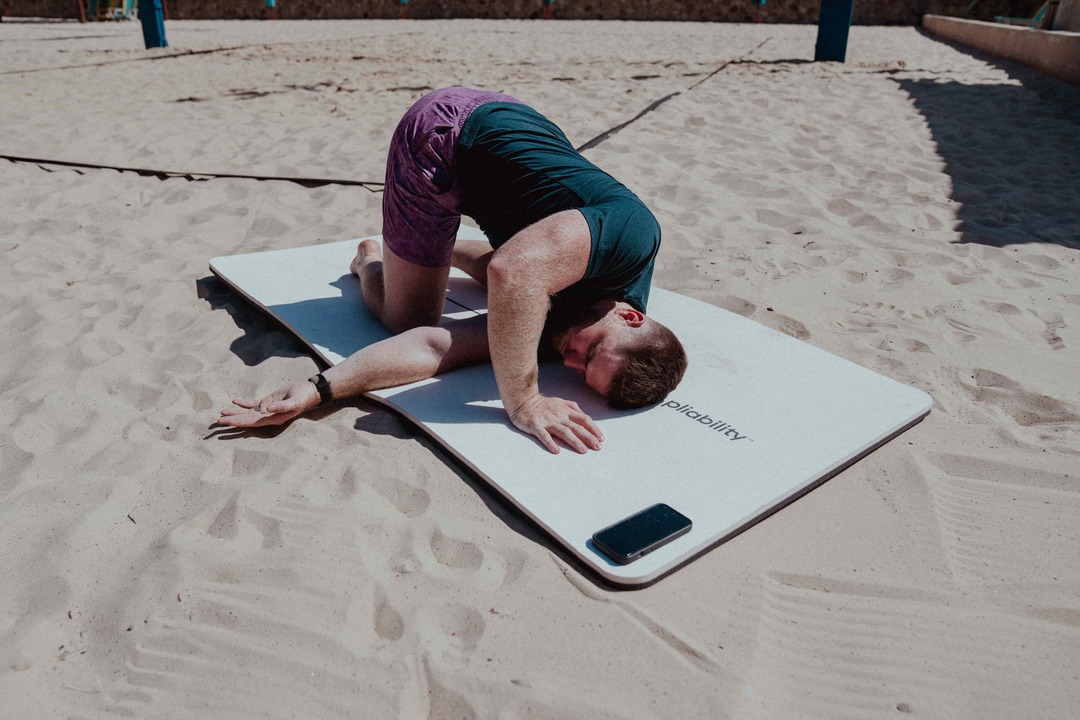
You can make mental skills part of regular training by treating them like planned workouts: pick a small, repeatable set, schedule them into the week, and measure the practice that matters, not perfection. Start with three broad approaches that stitch together several techniques into dependable systems you can sustain over months, not crash and burn in a week.
How Do You Turn Emotional Regulation Into a Reliable System?
The truth is, skills like emotional control become dependable when you stop relying on willpower and start using structure. Build a three-tier plan:
- A short cue that flags emotional escalation.
- A scripted immediate response you can execute without thinking.
- A 24 to 48-hour recovery checklist for processing the event afterward.
Practically, inventory your top five triggers across two weeks, then write one-line scripts for each trigger that specify the action, the location, and the signal to stop.
Practice those scripts in a monthly 10-minute role-play with a partner or coach, so the language and motor pattern feel automatic under fatigue. Track progress with simple metrics, for example, a twice-daily mood tag and a weekly count of times you used the script, so you convert subjective change into observable practice.
What Scheduling Habits Protect Your Energy and Sustain Progress?
Think of self-care as an energy budget you defend like a field commander, not a set of occasional treats. Commit to predictable anchors:
- A nightly wind-down window
- Two daily movement bursts tied to existing routines
- A single, nonnegotiable social connection each week
Use 60 to 90-minute focus cycles for high-skill work, followed by 15 to 20-minute recovery breaks that include a brief check-in with your body and mood, and protect a sleep anchor time that you do not shift more than 30 minutes on weekends.
For people who travel or operate remotely, design micro-recovery tools that fit a pocket or pouch so you can reset in under two minutes. Keep a simple weekly log of sleep hours, one primary nutrition rule you stick to, and the number of micro-recoveries performed; these three markers give you a durable signal of whether self-care is holding or drifting.
Centralizing Recovery: Reducing Friction and Maintaining Consistency
Most people organize recovery tasks across notes, apps, and sticky tabs because it feels flexible and requires no new system. As commitments grow, that scatter creates friction, missed cues, and lost practice days, which slowly erodes consistency.
Platforms like Pliability centralize practice schedules, sync simple physiological inputs, and deliver contextual reminders and progress summaries, helping teams reduce administrative friction and keep habit routines intact without adding more tasks.
How Do You Convert Deliberate Practice Into Lived Resilience?
Goal structure and small daily doses turn practice into a habit. Use a resilience calendar that layers exposures from low to moderate to high stress over 8 to 12 weeks, with each week having one deliberately more complicated task and three maintenance micro-practices. Anchor weekly goals to one observable outcome, not a feeling, so you can test what works and iterate.
Remember that specific goals change behavior:
Mental Health America reports that 75% of people who set specific goals are more likely to achieve them, showing that goal clarity improves follow-through and habit formation. Pair that with daily micro-practice, because routine practice increases stickiness.
Mental Health America
People who practice mental strength exercises daily are 40% more likely to maintain their habits, meaning short, consistent effort protects gains over time. Operationally, assign a resilience score each week made from three inputs, for example: one exposure completed, two maintenance micro-practices done, and one reflection entry, then review trends monthly and adjust the exposure ladder.
Building Resilience as a Daily System
Treat resilience like a rucksack you deliberately pack: small, heavy items go close to the body as daily habits, and the occasional considerable challenge is something you train for, not shoulder unprepared. When setbacks happen, log them as experiments, not failures: what did you predict, what happened, and what specific, measurable tweak will you test next week? That converts emotion into data and keeps momentum moving forward.
You’ll see how these systems fail before they work, and that’s useful; the gap shows where to simplify or add accountability.
There’s one detail that usually surprises people next.
Related Reading
- Mental Training Exercises for Athletes
- Brain Biohacking Exercises
- Cognitive Activities for Adults
- Improve Attention to Detail Exercises
- Cognitive Flexibility Exercises
- Gentle Movement Exercises
- Energy Exercises
- Micro Workouts
Improve Your Flexibility with Our Mobility App Today | Get 7 Days for Free on Any Platform
The truth is, mind-body training only pays off if your body can move freely and recover reliably, so try Pliability as the mobility partner to that work. Pliability pairs an extensive library of performance-focused mobility videos, daily-customized programs, and a body scan that pinpoints restrictions, and it offers a seven-day free trial on iPhone, iPad, Android, or via the website to help you improve flexibility, reduce pain, and speed recovery.
.jpg)