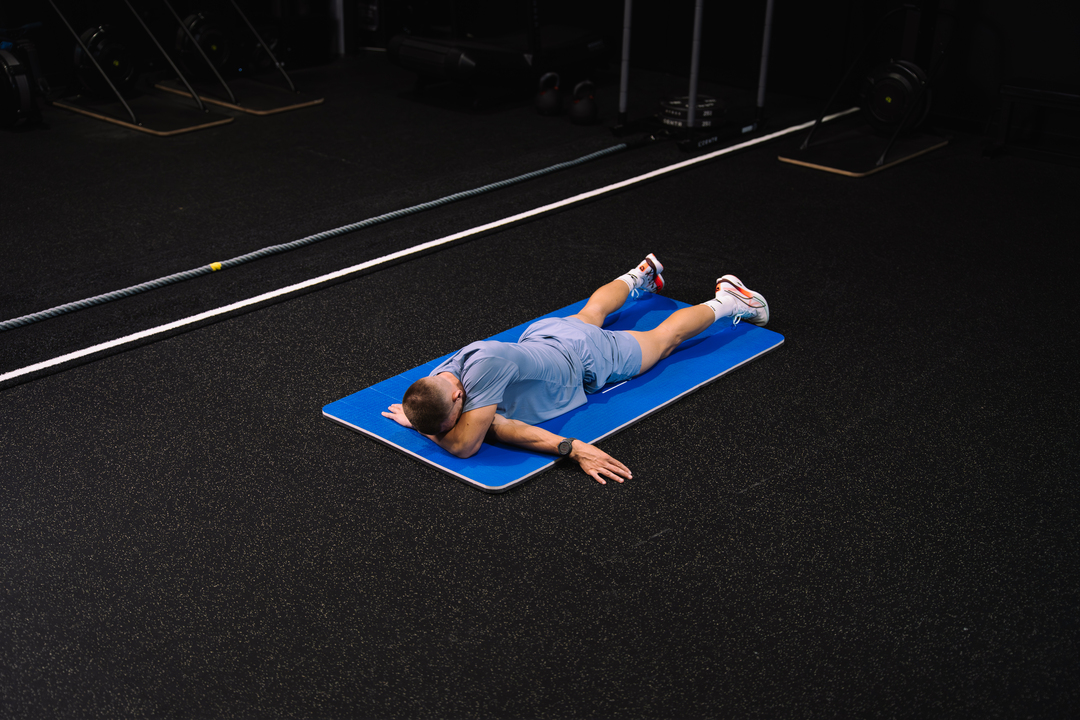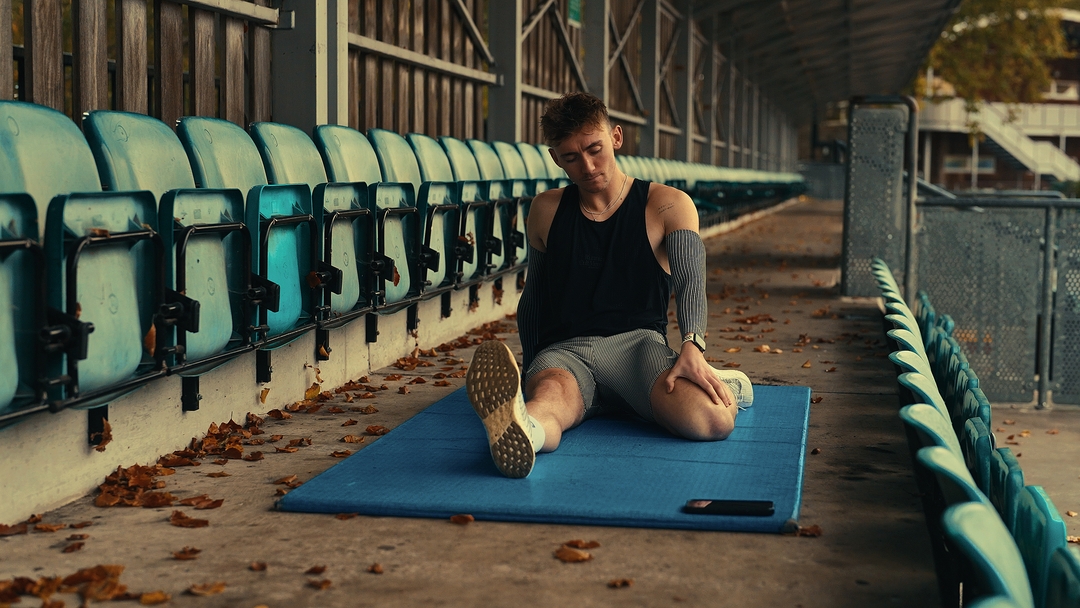
20+ Best Micro Workouts for Busy People Who Can’t Hit the Gym
.webp)
You know the midday crash: your back is tight from sitting, your focus is fading, and no time for a full workout. Could short bursts of movement reverse the slump and sharpen your mind? Micro workouts fit into mind and body strategies for mental performance by offering brief, focused movement snacks that restore energy, build strength and flexibility, and help you stay fit, energized, and healthy with quick, effective workouts that fit into a busy schedule without needing a gym.
To make those Micro Workouts easy to use, Pliability's mobility app guides short routines, desk yoga stretches, and recovery moves you can do anywhere, keeping sessions simple, varied, and easy to stick with.
Summary
- Short, distributed movement raises daily energy and metabolic impact; for example, a 10-minute workout can burn up to 100 calories, and brief sessions may boost metabolism for up to 24 hours.
- Training the same movements more frequently can increase muscle mass through higher-quality volume. For instance, three 10-minute resistance sessions add up to 30 minutes of focused work and can help reach the typical 10 to 20 sets per muscle group per week needed for hypertrophy.
- Micro sessions produce rapid physiological and mental effects: a two-minute workout can raise heart rate by about 50%, and single short sessions can improve mood by roughly 30%.
- A small set of consistent, high-value movements drives most gains, and performing micro workouts three times a day has been associated with about a 15% increase in overall fitness.
- Make adherence simple by keeping early sessions tiny, for example, under five minutes for the first two weeks, and remember micro workouts can legitimately range from 1 to 15 minutes, so brief options reduce the friction to start.
- Track only two metrics to stay practical: consistency and perceived difficulty. Review progress weekly, and change just one training variable at a time for two weeks to maintain measurable, safe progression.
Pliability's mobility app addresses this by providing daily-updated mobility programs, body-scanning to pinpoint restrictions, and brief guided routines that slot directly into calendar gaps to support consistency and recovery.
Why Short Workouts Are Often More Effective Than You Think
.jpeg)
Short, focused sessions are not a compromise; they are a strategy: frequent, intense micro workouts raise your metabolic rate, build strength through repeated near-failure practice, and sharpen mood and cognitive resilience by delivering regular bouts of movement and blood flow.
The Recovery Advantage
The biology is simple, and the math is kinder than you think: small doses stacked across a day produce measurable change, and the added recovery between bursts lets you train each movement harder than you would in a long, fatiguing session.
At some point, it seems to have become etched in stone that muscle-building workouts must follow a very particular format, training different parts of your body once a day for 40 to 90 minutes, three to five days per week.
Frequency Over Friction
This template works for some athletes, but the evidence and practical experience point in another direction: training the same movements more frequently tends to increase muscle through higher total quality volume, and if you work from home, you can use ten-minute muscle-swelling micro workouts to outpace a single long gym session.
Train, Eat, Repeat
In practice, it does, because frequent short blasts let you attack every set fresh. Grab a pair of dumbbells, do one session before breakfast, another before lunch, and a final ten minutes before dinner, and you’ll comfortably hit 30 minutes of focused resistance work per day while avoiding the cumulative fatigue of a single long session.
According to a study by the University of Portsmouth, a 10-minute workout can burn up to 100 calories, and short bursts of movement throughout the day help regulate appetite and blood sugar levels.
The Workouts
Use a running clock and two movements. For each micro workout, perform the prescribed reps of movement one at the top of each minute for five minutes, then switch immediately to five minutes of movement two.
That structure forces intensity in short windows, so you can push close to technical failure without wrecking the rest of your day. When those five-minute blasts no longer feel challenging, increase the weight or add reps.
Are Micro Workouts Effective?
The real question is, effective at what? Strength and hypertrophy require sufficient sets taken near failure, typically 10 to 20 sets per muscle group per week. After six months of coaching remote professionals who could not commit to long gym sessions, the pattern became clear:
- Three to five minutes of targeted resistance
- Two to three times per day, consistently executed and reliably produced the required weekly set totals, while improving posture and movement quality.
Preserving Peak Intensity
Short sessions scale volume without increasing logistical friction and preserve intensity because each set is completed when you’re relatively fresh. A status quo spot-check: most people treat mobility and recovery as optional extras. That works until tight hips or a stiff thoracic spine begin to blunt performance and raise injury risk.
Platforms like mobility apps offer daily-updated, custom mobility programs and a body-scanning feature that pinpoints restricted areas, helping users maintain range-of-motion alignment with frequent strength training so micro workouts remain productive rather than compensatory.
The 80/20 Rule
Most of your gains will come from doing a small set of high-value movements consistently, not from an hour of scattered exercises. A focused micro-workout protocol prioritizes compound lifts and dependable accessory moves, so three short sessions can deliver disproportionate returns in strength, posture, and energy.
For busy parents or professionals, that efficiency removes the psychological barrier that leads many to skip training entirely.
Don’t Let the Best Be the Enemy of the Good
Perfection paralysis is real. People skip days because they can’t meet an idealized routine. Micro workouts flip that script by making good enough actually useful and repeatable; a three-minute core routine stabilizes your spine in ways a missed hour at the gym never would. Start where you can, be consistent, and upgrade load or complexity only when the sets stop challenging you.
Micro Workout Examples
Here are three ready-to-use templates to cover the whole body, scalable to fitness level:
- 3 Minute Core Strength Micro Workout: Uses prone plank, side planks, both sides, and an optional glute bridge to strengthen your abs and stabilize posture. Read the full core micro workout here.
- 3 Minutes a Day Upper Body Micro Workout: Features push-ups, resistance-band rows or inverted rows using a table, and face pulls to target arms, chest, and shoulders. Read the full upper body micro workout here.
- Leg & Glute Strength Micro Workout: Includes walking lunges, bodyweight squats, and good mornings to build lower-body strength and stability. Read the full lower body micro workout here.
The Threshold for Adaptation
Practical progression tip: When you can complete each five-minute block without breaking a sweat, increase resistance or shift to a harder progression to keep volume meaningful. Short workouts do more than burn calories in the moment; they change the hormonal and metabolic context for recovery, and that matters.
According to the University of Portsmouth, short workouts can boost metabolism for up to 24 hours, which explains why distributed micro sessions maintain an elevated physiological state throughout the day rather than causing spikes and crashes.
The Precision Recovery Kit
Pliability offers a fresh take on yoga tailored for performance-oriented individuals and athletes. Sign up to try Pliability free for seven days—our mobility app provides daily-updated programs, high-quality video instruction, and a body-scanning tool to pinpoint restrictions and speed recovery.
That sounds like the end of the argument, but there's one surprising problem most people hit next that we'll unpack in the next section.
Related Reading
- Desk Yoga Stretches
- Mental Training Techniques
- How to Increase Presence of Mind
- Mindful Morning Routine
- Reducing Anxiety Without Medication
- How to Train Your Mind
- How to Release Tension in Body
- Why Do I Get So Tired in the Afternoon
- Mindful Stretching
- How to Stay Focused at Work
- How to Get Rid of Brain Fog
Top 8 Micro Workout Types and Examples
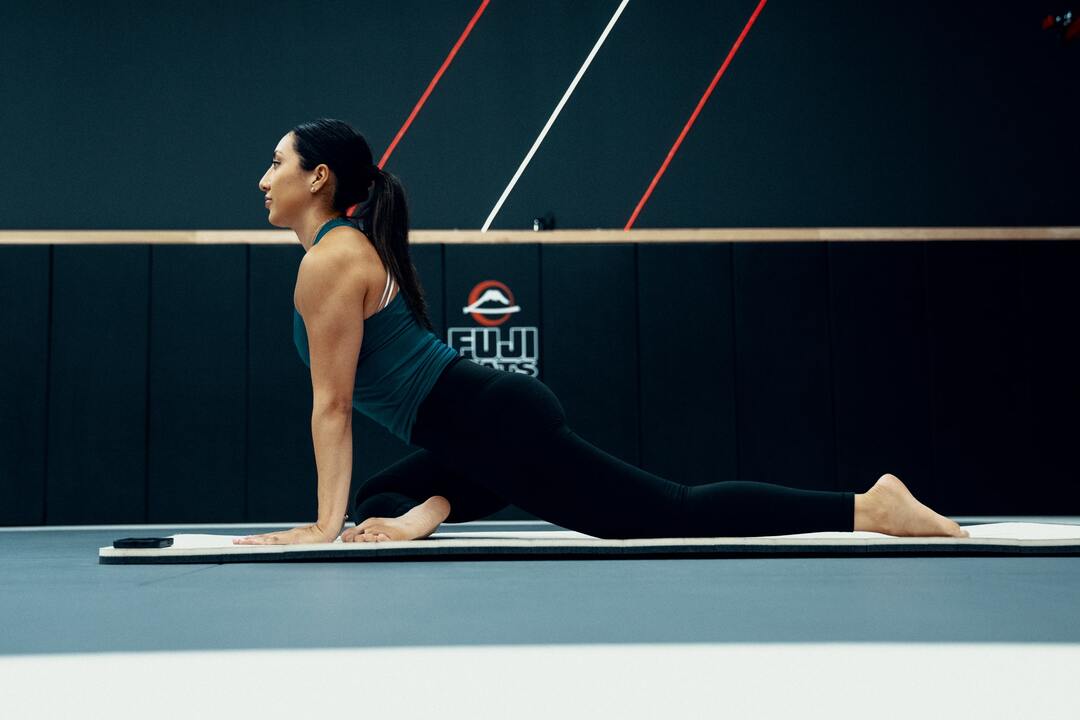
1. Workout 1: Cardio
How to perform it:
- After a brief warm-up, move directly into the sequence below.
- Complete each exercise for 30 seconds, transition quickly, and accept that effort will increase as you go.
- If you repeat the circuit, rest 30 to 60 seconds between rounds.
- Maintain good landing mechanics on plyo moves and shorten the range of motion if form breaks down.
Time, intensity, frequency
Workout time: 10 minutes. Aim for 3 to 5 sessions per week, or use it as a morning activation daily on busy days.
Exercises (30 sec each)
- Jog in place, RPE 4
- High knee jogs, RPE 5-6
- Plyo lunges, RPE 7
- Plyo jacks, RPE 7
- Burpees, RPE 8
- Prisoner squat jumps, RPE 8-9
- Burpee squat, RPE 8-9
- Puddlejumpers, RPE 8-9
- Ice breakers, RPE 8-9
- Mountain climbers, RPE 8-9
Coaching tip
Treat the first two exercises as heart-rate builders and the final five as power/endurance work. If you can only squeeze in one circuit, push the last three exercises slightly harder to maintain an anaerobic stimulus.
2. Workout 2: Lower Body
How to perform it:
- Keep each rep slow and controlled, use the heaviest manageable weight, and move between exercises with minimal rest.
- Repeat the full circuit twice for a stronger stimulus.
Time, intensity, frequency
Workout time: 10 to 15 minutes. Do this 2 to 4 times per week, depending on overall load; if you’re doing other resistance micro workouts the same day, reduce frequency to allow recovery.
Exercises and reps
- Pulsing squats, 4 sets of 8 pulses, heavy weight
- 1.5 lunges, 8 reps per leg, heavy weight
- Deadlifts to overhead press + reverse lunge, 8 reps total
- One-leg sit and slides (using towel/disc), 12 reps per side
- Wide squat weight exchange, 12 reps alternating hands
Coaching tip
Tempo matters here, not just load. Use slow eccentrics on deadlifts and controlled pulses on squats to increase time under tension without adding extra sets.
3. Workout 3: Chest
How to perform it:
- Warm up the shoulder complex, then cycle through the five moves with short rests.
- Challenge the last few reps of each set.
Time, intensity, frequency
Workout time: 10 to 15 minutes. Two to three sessions weekly will maintain size and pressing strength for most people; add a third only if recovery is solid.
Exercises and reps
- Pushups, 2 sets of 16 (modify as needed)
- Chest flies, 2 sets of 16
- Y chest press, 10 reps
- Pushups, 16 reps (second set)
- 1.5 chest presses, 10 reps
Coaching tip
If a single heavy set is your priority, replace the second pushup set with a heavier slow eccentric set on the bench or floor.
4. Workout 4: Shoulders
How to perform it:
- Warm up the rotator cuff with banded external rotations. Use the heaviest weight you can control while keeping scapular stability.
Time, intensity, frequency
Workout time: 10 to 15 minutes. Perform once or twice per week, or add to upper-body micro days as a 10-minute finisher to maintain shoulder volume without fatigue.
Exercises and reps
- Overhead presses, 2 sets of 12
- Front, side, and lateral raises combo, 8 reps per full cycle
- Lateral raises with high-end pulses, 8 reps with 4 pulses each
- Bent-over straight arm band press, 8 reps with 8 pulses per rep
- Rear delt flies with band, 16 reps per side
Coaching tip
Prioritize posture: keep the chin tucked and ribs down on overhead presses. If neck pain occurs, reduce the load and increase band work.
5. Mid-Section Status Quo Check and Practical Bridge
Most people still default to a single long gym session because it feels comprehensive and familiar. That approach works initially, but it fragments as schedules tighten because missed long sessions create long gaps in stimulus and momentum.
Platforms like Pliability help by delivering short, progressive routines that fit into existing calendar slots, centralizing progression tracking, and automating mobility cues so users keep intensity high and setup friction low.
6. Workout 5: Back
How to perform it:
- Target the upper and lower back with a mix of heavy pulling and higher-rep band work.
- Rest briefly between multi-set moves.
Time, intensity, frequency
Workout time: 10 to 15 minutes. Do this 1 to 3 times weekly, depending on how much rowing you get elsewhere.
Exercises and reps
- One-arm row, 2 sets of 12 per side
- One-arm reverse flies, 2 sets of 12 per side
- Bent-over pulldown rows, 4 sets of 12 pulses
- Band high rows, 4 sets of 12 pulses
- Deadlifts, 12 reps
Coaching tip
If posture is the goal, prioritize tempo on rows and pause at peak contraction; if strength is the goal, add load to single-arm rows and keep reps lower.
7. Workout 6: Triceps
How to perform it:
- Keep rest periods short and use heavy weights when safe. This circuit is about cumulative local fatigue and metabolic stress.
Time, intensity, frequency
Workout time: 10 to 15 minutes. Two sessions per week will reliably maintain arm size; add a third only when other pressing volume drops.
Exercises and reps
- Lying triceps extensions, 2 sets of 12
- Dips (chair), 4 sets of 8
- Triceps kickbacks with rotation, 16 reps
- Seated triceps extensions, 12 reps
- Band kickbacks with pulses, 4 sets of 8 pulses
Coaching tip
When elbows flare, reduce range and focus on slow eccentrics; small form fixes yield large reductions in elbow stress.
8. Workout 7: Biceps
How to perform it:
Stack tempo work and single-arm stability movements to hit both load and time under tension.
Time, intensity, frequency
Workout time: 10 to 15 minutes. Two to three short sessions weekly maintain strength and carry over to pulling movements.
Exercises and reps
- Biceps curls, 2 sets of 12
- Hammer curls, 2 sets of 12
- Band crazy 8s, 24 reps total
- Concentration curls, 12 reps per side
- Preacher curls on the ball, 12 reps
Coaching tip
Use unilateral concentration curls to identify and correct imbalances; if the weaker side lags, add a short extra set to that arm.
9. Workout 8: Core
How to perform it:
- Mix standing anti-extension and rotation with floor anti-flexion work, then finish with an isometric hold.
- Do this after a strength micro-workout or on its own as a quick stability session.
Time, intensity, frequency
Workout time: 10 to 15 minutes. Perform daily or every other day. For posture and desk-related pain, I recommend at least 5 sessions per week.
Exercises and reps
- Overhead squat, 12 reps per side
- Band side knee lifts, 12 per side
- Spiderman plank, 2 sets of 12 reps
- Plank, hold 30 to 60 seconds
- Side hip lifts, 12 reps per side
Coaching tip
Think of the core as a transfer system; cue breathing first, then brace, then move. Small adjustments in breath and bracing often double the exercise’s effectiveness.
How to Choose Which Micro Workout When Time Is Tight
If you have only ten minutes before a meeting, pick the session that fixes your biggest bottleneck that week: cardiovascular capacity, a lagging muscle group, or a mobility restriction. This decision rule appears among executives and parents; the pattern is consistent: time scarcity forces prioritization, so choose the session that improves day-to-day performance rather than chasing symmetric training you cannot sustain.
For most people, a balanced schedule looks like 2 resistance sessions, 1 cardio session, and 5 minutes of daily mobility or core work each week.
Practical Progress and Safety Notes
Progress by adding either load, reps, or by reducing rest between exercises; change only one variable at a time for two weeks and log perceived difficulty. If you experience persistent joint pain or asymmetrical movement, regress the exercise and address mobility before increasing load.
Think of micro workouts like sharpening a tool: short bursts of focus that require calibration to stay productive—not random, high-effort work without structure.
Why Consistency Beats Perfection Here
This is a pattern I see repeatedly: people skip workouts because the only acceptable session is a perfect, uninterrupted hour. That standard breaks down under real-life constraints. Instead, commit to a small, clear plan: pick two micro workouts to rotate each day for four weeks, then reassess. The compound effect is real, and it’s measurable when you track:
- Load
- Difficulty
- Recovery
The Efficacy of Micro-Dosing Movement
According to Darya Varia, 10-minute workouts can be as effective as longer exercise sessions. Similarly, Gym Plus reports that performing micro workouts three times a day can boost overall fitness by 15%.
That simple result raises a question most people avoid: what does your schedule actually tolerate, and where will small, consistent choices beat occasional heroics? The one obstacle nobody talks about is how to turn these short wins into a habit without losing momentum.
17 Micro-Workouts That Will Change Your Life Even if You’re Stuck in the Office
.jpeg)
This challenge is common among busy parents and desk-bound professionals: limited space and time make exercise feel impossible, so choose moves that deliver a clear return on effort and require no setup. Think of a micro-workout like a single espresso shot:
- Concentrated energy
- Fast impact
- Repeatable without fuss
A two-minute blast will actually move the needle on your physiology, since The Guardian reports that a two-minute workout can increase your heart rate by 50%. Short sessions also boost mood; micro-workouts have been shown to improve it by 30% after a single session. Use the list below to mix intensity, stability, and mobility throughout the day so you never have to rely on a single long block to "save" your week.
1. Most Office-Friendly: Stair Runs/Walks
- Duration: 2 to 5 minutes total; 30-second sprint, 30 seconds easy x 3–5 rounds.
- Reps: Up the stairs as quickly and safely as possible; walk down each time.
- Key benefits: Quick cardio spike, calf and glute activation, scalable to fitness level.
- Cue: Drive through the ball of your foot on the climb, soften knees on landing.
2. Jumping Jacks
- Duration: 60–120 seconds continuous, or 3 x 30 seconds with 15-second rests.
- Reps: Continuous rhythm; aim for steady speed rather than maximum jumps.
- Key benefits: Full-body warm-up, heart-rate elevation, coordination.
- Cue: Land softly, keep a slight bend at the knee to protect joints.
3. Burpees
- Duration: 1 to 3 minutes, or 3 rounds of 30 seconds work / 30 seconds rest.
- Reps: As many quality reps as you can in each 30-second window.
- Key benefits: Total-body power, anaerobic conditioning, metabolic push.
- Cue: Prioritize a straight plank and soft landing; scale by removing the jump.
4. Jump Squat
- Duration: 60 seconds per set, 2 sets with 45 seconds rest.
- Reps: 8–15 per set, depending on intensity.
- Key benefits: Lower-body power, hip drive, explosive strength.
- Cue: Land quietly and immediately sink into the next squat to maintain rhythm.
5. Mountain Climbers
- Duration: 30–60 seconds per set, 3 sets.
- Reps: Fast knee drives—count 20–40 per set.
- Key benefits: Core stability under load, cardio without space.
- Cue: Keep hips low and shoulders stacked over wrists.
6. Plank Jack
- Duration: 30–60 seconds, 2–3 sets.
- Reps: Continuous leg jumps; aim for controlled tempo.
- Key benefits: Core endurance plus lateral hip activation.
- Cue: Keep core braced so your hips do not sag or pike.
7. Standard Squat
- Duration: 45–90 seconds, or 3 sets of 10–15 reps.
- Reps: 10–15 slow, controlled reps per set.
- Key benefits: Quad and glute strength, movement pattern reinforcement.
- Cue: Sit back in a chair, keep your chest up, and weight on your heels.
Second snack: 2-3 minutes of lower body—pick any two now, but control the descent.
8. Split Squat
- Duration: 60 seconds per leg, or 3 sets of 8–12 reps per side.
- Reps: 8–12 slow reps, focus on depth and balance.
- Key benefits: Single-leg strength, hip stability, and corrects side-to-side imbalances.
- Cue: Resist letting the front knee drift inward, keep torso tall.
9. Most Office-Friendly: Wall Sit
- Duration: 30–90 seconds holds, or 3 progressive holds (30s, 45s, 60s).
- Reps: Single continuous hold counts as one set.
- Key benefits: Isometric quad endurance, low joint impact, mental grit practice.
- Cue: Keep knees over ankles and press your lower back into the wall.
10. Glute bridge
- Duration: 60–90 seconds, 3 sets of 10–20 reps or holds of 10–20 seconds.
- Reps: 10–20 reps focusing on full hip extension.
- Key benefits: Posterior chain activation, lumbar stability, hip hinge patterning.
- Cue: Squeeze glutes at the top and avoid hyperextending the lower back.
Third snack: 2–3 minutes of upper-body work—push variations and stability exercises.
11. Basic Push-Up
- Duration: 30–90 seconds, 2–4 sets.
- Reps: 6–20 per set, depending on progression (knees down if needed).
- Key benefits: Horizontal pressing strength, shoulder health, core synergy.
- Cue: Maintain a straight line from head to heels, and exhale on the push.
12. Tricep Dips
- Duration: 30–60 seconds, 2–3 sets.
- Reps: 8–15 per set using a stable chair or desk.
- Key benefits: Arm pressing strength, shoulder stability, and portability.
- Cue: Keep elbows tight to the body and control descent.
13. Most Office-Friendly: Shoulder Circles
- Duration: 20–30 seconds each direction, 2 rounds.
- Reps: Continuous small circles.
- Key benefits: Rotator cuff warm-up, upper back blood flow, posture reset.
- Cue: Keep the movement small and deliberate, not the shoulders.
Fourth snack: 2–3 minutes of core—choose two or three for stability and anti-rotation.
14. Single-Leg Deadlift
- Duration: 45–90 seconds per side, 2–3 sets.
- Reps: 8–12 slow, controlled reps per leg.
- Key benefits: Hamstring strength, single-leg balance, posterior chain control.
- Cue: Hinge from the hips, keep a neutral spine, fix gaze on one point.
15. High Plank (Full)
- Duration: 30–60 seconds holds, 2–3 sets.
- Reps: Hold for time.
- Key benefits: Shoulder and core endurance, breathing under tension.
- Cue: Press through the palms and think of length from the shoulders to the heels.
16. Low Plank (Forearm)
- Duration: 30–90 seconds holds, 2 sets.
- Reps: Hold for time with strict technique.
- Key benefits: Deep core engagement, reduced wrist stress compared to high plank.
- Cue: Breathe steadily and avoid lifting the hips.
17. Most Office-Friendly: Single-Leg Stand
- Duration: 30–60 seconds per leg, 2–3 sets.
- Reps: Hold single-leg balance for the period, progress by closing eyes.
- Key benefits: Proprioception, ankle stability, and small-space balance training.
- Cue: Lock your gaze on a single point and breathe evenly.
Breaking the All-or-Nothing Trap
When people default to waiting for a long, uninterrupted workout, they do so because it feels complete and familiar, and that is understandable. The hidden cost is that missed long workouts create long gaps in stimulus, momentum, and recovery patterns, turning fitness into an all-or-nothing habit that fails when schedules warp.
Platforms like Pliability provide short, guided sequences, mobility cues, and progression tracking that slot directly into calendar gaps, helping users replace missed hour-long sessions with consistent, measurable microsessions that preserve gains and reduce injury risk.
Which Moves Should You Chain First, and How Often?
Choose one cardio or power move, one strength move, and one mobility/stability move per day, then repeat across the week. Rotate intensity and prioritize quality over volume. The pattern I recommend for busy schedules is two strength-focused snacks and one cardio snack spread across the day, with short mobility in between to keep joints fresh. Small, consistent doses beat sporadic heroics.
A simple pairing to start: 60 seconds of stair sprints, followed two hours later by 3 sets of wall sits, and finish the day with a 60-second glute bridge hold; that spread preserves intensity and lets you recover between bursts.
But the real tension? You can follow this plan and still fail to make it a habit—what actually changes behavior is how you schedule, track, and reward these tiny wins.
Related Reading
- How to Beat Afternoon Slump
- How to Improve Working Memory
- Yoga for Focus
- Neuromotor Exercise
- Mind Body Exercise
- Stress Relieving Stretches
- Exercises for Brain Fog
- Mental Focus Exercises
- Brain Gym Exercises
- Morning Brain Exercises
How to Incorporate Micro Workouts Into Your Day
.jpeg)
Make micro workouts stick by turning them into tiny, nonnegotiable rituals anchored to what you already do, then reinforce them with simple feedback and accountability so they outlast motivation. Start with three cues, automate reminders, and treat progress as a weekly ledger you review and adjust.
How Do I Lock a Cue to My Day?
This challenge affects older adults and busy professionals: pain, low confidence, and a crowded schedule often undermine good intentions before they begin. Anchor a micro-workout to an existing habit with a specific if-then plan, for example, if I finish my first cup of coffee, then I will do the two-minute activation I scripted.
Make the cue precise, time-bound, and impossible to misinterpret, and write the plan down where you will see it at the moment of decision.
What Reminder System Works?
- Set layered reminders that require small actions, not passive notifications.
- Use a calendar event that automatically adds a one-click alarm, a repeating phone alarm with a short voice cue, and a wearable vibration to nudge you to move.
- Keep the first sessions short, as micro workouts can be as brief as 1-15 minutes. That permission to be brief removes the most common excuse, and a wearable that buzzes until you complete the movement turns intention into an interruption you must resolve.
How Should I Stack and Combine Sessions So They Add Up?
- Think of micro workouts like modular tiles you place across the day to build a floor of activity.
- Use three types on most days: one attention-grabbing spike for heart rate and mood, one strength or skill block that progresses load or complexity, and one mobility or recovery block that protects joints.
- Chain them deliberately, for example, a short cardio burst to wake the nervous system, then a focused strength snack when energy is highest, and a mobility reset before bed to improve sleep quality.
- When motivation wanes, reduce intensity but maintain the order, because sequencing preserves habit integrity even on low-energy days.
- For quick motivation, remember that a 5‑minute workout can burn up to 50 calories. That kind of immediate return can help cement early repetition.
How Do I Track Progress Without Turning It Into a Chore?
- Track two simple metrics: consistency and perceived difficulty.
- Mark each completed micro-workout on a calendar or habit app, and record RPE, reps, or wearable data only once per day.
- Review totals once a week, not daily, and adjust one variable at a time for two weeks so progress is measurable and sustainable.
- Use visuals, such as a streak or a weekly bar chart, because seeing growth is a stronger motivator than abstract goals.
What Holds People Accountable When the Days Blur?
- Public commitment works. Tell one person about your plan and agree to a short weekly check-in.
- Create friction for skipping by setting a small penalty or reward, for example, donating a few dollars when you miss a target or rewarding yourself for a four-week streak.
- Use timers and single-purpose apps that require you to press “done” to stop the alarm, and let wearables handle gentle nudges via haptic reminders when you sit too long.
Most people set reminders and expect willpower to finish the job, and that approach is understandable because it requires no rework. Over time, however, scattered alarms and half-finished sessions create momentum loss, friction, and habit fatigue.
The Centralized Success System
Platforms like Pliability reframe that friction by centralizing scheduling, automating reminders, tracking completion, and surfacing progress cues, so users replace fragmented tools with a single system that reduces forgetfulness and keeps programs aligned with recovery and mobility needs.
How Do I Design a Starter Routine You Can Keep?
- Pick three daily anchors, keep each session under five minutes for the first two weeks, and assign a clear outcome to each anchor, for example:
- Mood boost
- Capacity building
- Joint care
- Set two alarms and one wearable buzz for each anchor, habit-stack the session to an existing action, and log completion in whatever tool you will actually use:
- A calendar
- A simple habit app
- A spreadsheet
- Run a two-week experiment, then conduct a single weekly review: if the RPE feels lower than before, increase the load or length of just one session by 10 percent.
Practical Accountability and Tech Tips You Can Use Today
- Use if-then scripts tied to daily routines, and keep them visible.
- Stack mini-sessions by role: wake, work break, wind-down. Keep one session focused on skill or load.
- Combine different micro-workout types so cumulative volume and recovery balance out.
- Track consistency and perceived effort, not everything; review weekly and adjust one lever at a time.
- Use simple timers, calendar blocks, habit apps with streaks, and wearables for haptic nudges.
- Add social accountability with a single buddy, a public commitment, or a short reward/penalty contract.
The Experimental Mindset
Treat the first month like an experiment, not a test of character: small, consistent wins create momentum faster than sporadic heroics, and a two-week cadence of review and tiny adjustments will produce durable change.
That pattern feels complete, until you see what an intentionally designed tool can do to turn those small wins into habits you never miss.
Make Every Minute Count with Pliability’s Micro Workout Mobility App
If you want micro workouts to become a reliable in-day reset for focus and soreness, consider platforms like Pliability. Short, focused workouts can transform your day—and your body—if you do them consistently. Pliability makes it easy to turn even 5-minute micro workouts into real gains in flexibility, recovery, and mobility.
- Access a vast library of guided micro-mobility routines designed for any schedule
- Use the body-scanning feature to identify tight spots and focus your short sessions on what matters most
- Improve flexibility, reduce pain, and enhance range of motion—even if you’re stuck at a desk or pressed for time.
The Low-Friction Daily Baseline
Whether you’re adding micro workouts to your fitness routine or building consistent daily movement, Pliability helps you move better in just minutes a day.
Sign up today and get 7 days free on iPhone, iPad, Android, or web—the easiest way to turn small workouts into lasting results.
Related Reading
- Brain Biohacking Exercises
- Cognitive Activities for Adults
- Improve Attention to Detail Exercises
- Cognitive Flexibility Exercises
- Gentle Movement Exercises
- Mental Training Exercises for Athletes
- Energy Exercises
.jpg)