.jpg)
20 Best Mind Body Exercises to Boost Health and Focus
.webp)
You wake up stiff, distracted, and facing a day that needs clear thinking and steady energy. Mind body exercise connects breath, posture, and movement to sharpen focus while building strength, flexibility, and body awareness through mindful movement, breathwork, yoga, tai chi and targeted mobility work. Could a short routine of balance training, core stability drills and somatic movement boost your proprioception and reduce stress so you move and think better? This article offers simple routines, progressions, and recovery practices to help you improve physical health, mental clarity, and overall well-being through Mind Body Exercise, which boosts strength, balance, and focus.
Pliability's mobility app turns those ideas into daily sessions with guided mobility drills, breath cues, and progressions for functional movement, recovery, and improved concentration.
Summary
- Mind-body practices deliver rapid stress and attention benefits, with Frontiers reporting a 30% reduction in stress after structured mind-body exercise and short guided sessions three times per week, yielding sharper focus within two to four weeks.
- Regular mindful practice drives mental well-being beyond fitness, with Frontiers finding a 25% increase in overall well-being among participants who commit to ongoing practice.
- Low‑intensity, cumulative movement yields measurable physical gains; for example, Tai Chi has been shown to reduce stress by 20% after 12 weeks, and yoga can improve flexibility by up to 35% in eight weeks.
- A constraint-based routine prevents overwhelm, so keep sessions under 15 minutes, anchor practice to an existing habit like morning coffee, and use a single tiny metric, for example, 10-minute daily sessions that recalibrate breathing and posture.
- Patchwork routines stall progress, with many people starting with ad hoc classes or stretches and seeing consistency erode over weeks to months unless sequencing and recovery are intentionally managed.
- Match practice to available time: use 5 minutes for breathwork, 15 minutes for a Pilates or Qi Gong set, and 45 minutes for bushwalking or swimming to combine aerobic and mindful systems work.
This is where Pliability's mobility app fits in: it provides short, guided routines, structured progressions, and tracking that support consistent, measurable mind-body practice.
Why You Should Practice Mind Body Exercises
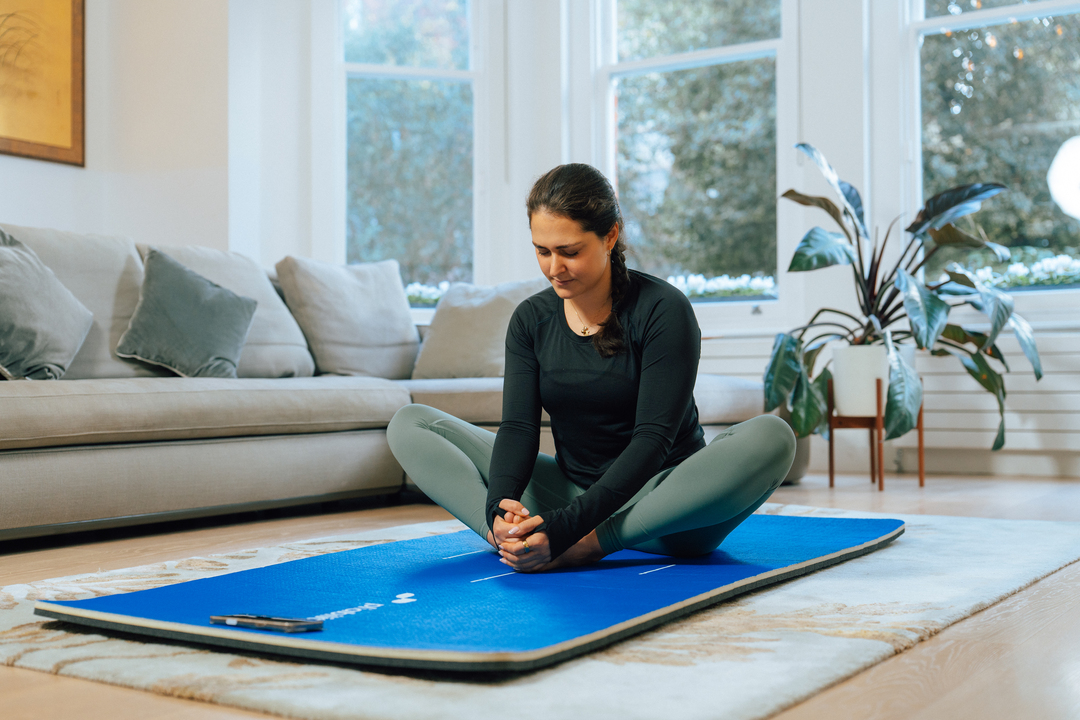
Mind-body exercises reconnect what modern life pulls apart, restoring energy, posture, focus, and emotional balance through coordinated movement, breath, and attention. They produce measurable, practical results you can feel in days and strengthen over weeks: less reactivity, more evident attention, and a body that carries you instead of holding you back.
How Do These Practices Reduce Stress and Sharpen Focus?
This pattern appears among remote workers, caregivers, and long-shift professionals: prolonged sitting, shallow breathing, and constant task switching prime the nervous system for reactivity and mental fog. By shifting attention into posture, breath, and slow, deliberate movement, you down-regulate that state, restoring parasympathetic tone and more precise executive control.
According to Frontiers in Psychology, mind-body exercises can reduce stress levels by 30%, which helps explain why focused movement practices often translate into fewer anxious moments and longer attention spans.
What Physical Gains Will You Actually Notice?
Expect mobility where you used to find stiffness, steadier balance during daily tasks, and fewer tension headaches caused by rounded shoulders. Regular practice aligns breathing with movement, increasing muscular endurance and joint health while restoring the natural range of motion.
Frontiers in Psychology reports that regular yoga practice can improve flexibility by 40%. That kind of change makes posture easier, not just more comfortable, and it reduces the micro‑loads that build into chronic pain.
How Does Mind-Body Work Create Emotional Insight And Healing?
When you cultivate attunement, you learn to notice the exact sensations that predict a mood shift: chest tightness before anger, shallow breath before spiraling worry. This is not mystical; it is information.
That increased interoception enables you to intervene early by using breath, grounding poses, or a brief flow to interrupt habitual reactivity. Over time, clients report greater emotional clarity and more stable relationships because they respond from choice rather than reflex. The critical tradeoff is time and repetition; early gains emerge quickly, but durable change requires consistent micro-practices rather than occasional long sessions.
Why Do Many People Try And Stall, And What Breaks That Pattern?
Most people default to random stretching, a single weekly class, or fitness routines that ignore breath and alignment, because those habits feel familiar and low-friction. That familiar approach works until cumulative tension and scattered attention outpace simple fixes, then progress stalls and frustration grows.
Solutions like Pliability provide structured sequencing, breath-synchronized cues, and alignment feedback that close that gap, turning sporadic effort into steady improvement while preserving the flexibility of the schedule and reducing the guesswork in putting a practice together.
What Simple Daily Habits Move The Needle Fastest?
Short, focused micro-practices repeated daily beat occasional marathon sessions. Two minutes of paced diaphragmatic breathing before a commute cuts physiological arousal. A 10-minute mobility flow after long meetings helps reset posture and attention.
The metaphor to use is tuning a radio:
Minor, intentional adjustments clear static and reveal the signal; you do not need to rebuild the transmitter to hear music again.
This feels vulnerable, building attunement surfaces old wounds and awkwardness yet that is precisely why it works: learning to witness sensation without judgment rewires the habits that once protected you but now limit you.
That simple insight changes everything about how you think about the next step.
Related Reading
- Desk Yoga Stretches
- Mental Training Techniques
- How to Increase Presence of Mind
- Mindful Morning Routine
- Reducing Anxiety Without Medication
- How to Train Your Mind
- How to Release Tension in Body
- Why Do I Get So Tired in the Afternoon
- Mindful Stretching
- How to Stay Focused at Work
- How to Get Rid of Brain Fog
20 Best Mind Body Exercises to Boost Health and Focus
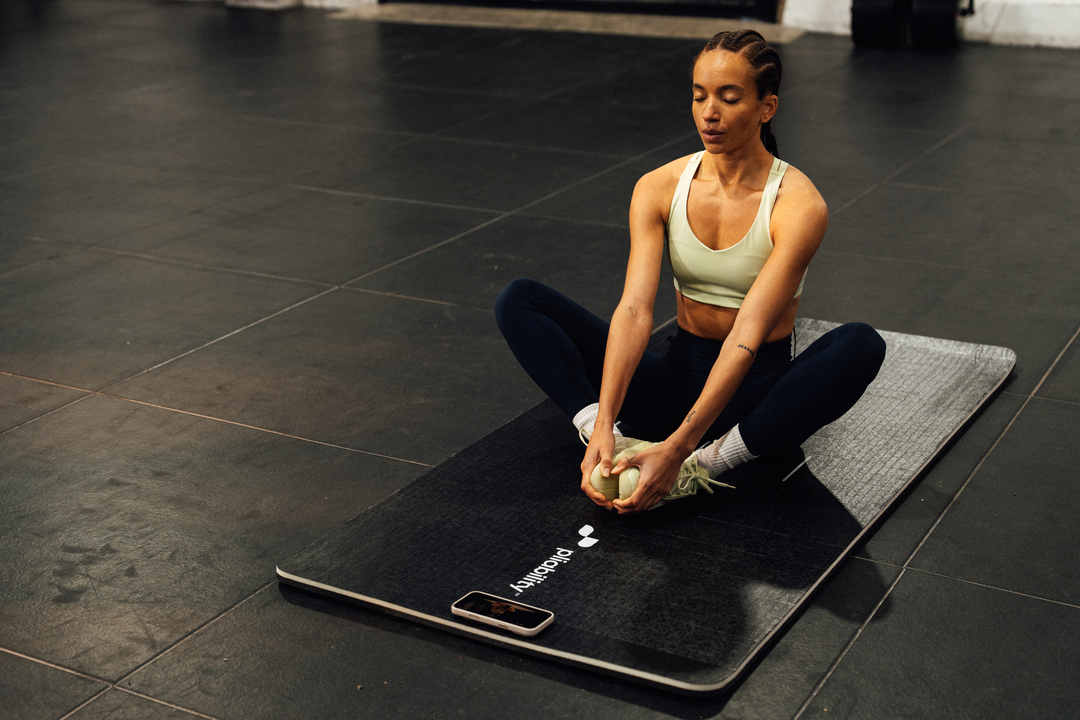
You can use these 20 exercises as a practical toolbox, picking short, low-equipment options when time is tight and deeper practices when you want transformation. Each entry lists primary benefits, a clear description of what to do, and a single practice tip to help you start immediately.
1. Yoga
Primary benefits:
- Flexibility
- Strength
- Breath regulation
- Mental clarity
Sequenced postures linked to inhalation and exhalation, ranging from gentle holds to flowing sequences that challenge balance and stamina. If your aim is measurable mobility, note the CNN Health finding: “Yoga can improve flexibility by up to 35% in just 8 weeks,” which shows that short, consistent practice yields fast gains.
Practice tip:
Beginner-friendly; start with a 20-minute beginner flow two to three times per week and prioritize alignment over depth.
2. Tai Chi
Primary benefits:
- Balance
- Stress reduction
- Coordination
Slow, deliberate weight shifts and linked hand patterns that cultivate timing and focus while keeping the joints soft. The CNN Health report, “Tai Chi has been shown to reduce stress levels by 20% after 12 weeks of practice,” helps explain why consistent, gentle practice can lower physiological arousal.
Practice tip:
Low-equipment and beginner-friendly; practice 10 minutes daily, focusing on weight transfer and relaxed breathing.
3. Qi Gong
Primary benefits:
- Energy regulation
- Relaxation
- Emotional balance
Simple postures and coordinated breath with mental imagery to guide sensations of energy flow. Use soft micro-movements rather than force.
Practice tip:
Quick and accessible; do a 15-minute morning sequence that emphasizes breath-driven motion and a single visualization.
4. Dance Therapy
Primary benefits:
- Emotional release
- Body awareness
- Creativity
Improvised or guided movement to music, using expressive gestures to access and process feeling. It uses rhythm to change affect.
Practice tip:
Beginner-ready; set a 10-minute playlist and allow uncensored movement, then rest and journal one word about how you feel.
5. Pilates
Primary benefits:
- Core strength
- Posture
- Motor control
Controlled, often mat-based exercises that coordinate breath with precise movement to stabilize the trunk and lengthen muscles.
Practice tip:
Low-equipment setup; begin with a 20-minute mat session focusing on pelvic neutrality and diaphragmatic breathing.
6. Mindful Walking
Primary benefits:
- Grounding
- Present-moment focus
- Low-intensity cardio
Slow walking with attention on foot contact, breath, and sensory detail rather than pace or distance. It turns a walk into a meditation.
Practice tip:
Quick and accessible: try a 6-minute loop where you deliberately slow your cadence and count a 3-step inhale and a 3-step exhale.
7. Breathwork
Primary benefits:
- Autonomic regulation
- Anxiety reduction
- Clarity
Structured breathing patterns such as box breathing, coherent breathing, or diaphragmatic cycles that change heart rate variability and felt calm.
Practice tip:
Beginner-friendly; use box breathing (4-4-4-4) for three minutes when you feel tense, then notice the change.
8. Meditation
Primary benefits:
- Sustained attention
- Emotional regulation
- Interoception
Anchoring attention to breath, body sensations, or a guided script to reduce reactivity and strengthen focus networks.
Practice tip:
Start with five minutes per day and increase by one minute each week; use guided sessions to sustain early habit formation.
9. Feldenkrais Method
Primary benefits:
- Movement efficiency
- Reduced pain
- Body awareness
Gentle, exploratory movements performed slowly with attention to sensations to re-educate habitual motion patterns.
Practice tip:
Seek a certified practitioner or follow audio lessons. Practice two to three times per week, focusing on curiosity rather than performance.
10. Nature Immersion
Primary benefits:
- Reduced rumination
- Sensory grounding
- Mood improvement
Extended, attentive time in natural settings, using senses to anchor experience and reduce cognitive load.
Practice tip:
Low-cost and high-access; plan a 30-minute weekly outing where you deliberately scan one sense at a time.
Reducing Cognitive Load Through Guided Consistency
Most people layer these practices into unstructured routines because that feels familiar and low-friction, and that approach works early on. Over time, though, habit fragmentation and conflicting signals from trackers or competing goals create friction, leading to inconsistent practice and creeping frustration.
Platforms like Pliability address that gap by offering guided sequencing, breath-synced prompts, and progress feedback that reduce trial-and-error, helping users move from occasional classes to dependable momentum without extra decision overhead.
11. Progressive Muscle Relaxation
Primary benefits:
- Sleep preparation
- Tension reduction
- Bodily awareness
Systematically tense then release muscle groups from toes to head while pairing the release with exhalation.
Practice tip:
Quick bedtime routine: complete one full cycle in about 10 minutes, noting how the release spreads.
12. Guided Imagery
Primary benefits:
- Stress reduction
- Mood regulation
- Sensory grounding
Creating a vivid, multi-sensory mental scene to shift affect and bodily state, anchored by deliberate sensory questions.
Practice tip:
Use a 7–10-minute audio or script, and name three sensory details to deepen immersion.
13. Bushwalking
Primary benefits:
- Leg strength
- Cardiovascular endurance
- Mental decompression
Walking uneven trails that force balance, uphill effort, and sensory engagement with wildlife and trees.
Practice tip:
Beginner-friendly with gradual elevation; schedule one 60–90-minute hike every other week, gradually increasing technical sections.
14. Stand Up Paddling
Primary benefits:
- Core stability
- Upper-body endurance
- Mindful rhythm
Maintaining balance on a board while using alternating paddle strokes, which enforces breath and side-to-side coordination.
Practice tip:
Beginner-friendly on calm water; focus on smooth, symmetrical strokes and diaphragmatic breathing.
15. Swimming
Primary benefits:
- Joint-friendly cardio
- Whole-body coordination
- Breath control
Repetitive, rhythmic laps that synchronize breath with movement, creating meditative flow and cardiovascular stimulus.
Practice tip:
Use low equipment if you have pool access; mix in easy laps and short intervals to balance calm and challenge.
16. Gardening
Primary benefits:
- Light strength
- Sustained low-intensity activity
- Ecological grounding
Repetitive tasks like digging, planting, and pruning involve focused attention and tactile contact with soil and plants.
Practice tip:
Break tasks into 20–30 minute focused blocks that include posture checks and breath resets.
17. Cycling
Primary benefits:
- Low-impact cardio
- Lower-body tone
- Momentum-based focus
Steady or interval riding that uses rhythm and external scenery to maintain attention while training endurance.
Practice tip:
Adjust intensity to time available; a 20-minute tempo ride can clear the mind and improve energy.
18. Tennis
Primary benefits:
- Agility
- Lateral strength
- Stress outlet
Short, high-intensity rallies require quick decisions, eye-hand coordination, and anaerobic bursts.
Practice tip:
Social and motivating; use drills that emphasize consistency over power to reduce injury risk.
19. Running
Primary benefits:
- Cardiovascular fitness
- Lower-body strength
- Mood elevation
Continuous aerobic effort that produces predictable metabolic and affective shifts, especially in longer runs.
Practice tip:
Build slowly with walk-run intervals and consistent weekly volume to avoid overuse injuries.
20. Resistance Training
Primary benefits:
- Muscular strength
- Metabolic rate
- Confidence
Progressive overload using bodyweight, bands, or weights to create adaptive stress in muscles and connective tissue.
Practice tip:
Time-efficient and scalable, two full-body sessions per week with compound movements yields measurable gains.
Beyond the Screen: Prioritizing Felt Feedback Over Metrics
When people rely heavily on wearable metrics, the pattern is this:
The device becomes the priority, and your felt sense is ignored, which makes practice brittle and anxiety-prone. The practical fix is simple, but counterintuitive: use low-tech, repeatable micro-practices that privilege felt feedback, not score chasing, and you will sustain change far longer.
What comes next uncovers the single structural habit that turns these exercises into a routine you will actually keep.
Related Reading
- How to Beat Afternoon Slump
- How to Improve Working Memory
- Yoga for Focus
- Neuromotor Exercise
- Brain Gym Exercises
- Stress Relieving Stretches
- Exercises for Brain Fog
- Mental Focus Exercises
- Morning Brain Exercises
How to Build a Mind-Body Fitness Routine

You can turn individual mind-and-body drills into a dependable routine by setting clear progression rules, simple tracking, and fixed decision points that eliminate daily guesswork. Start with tiny, nonnegotiable practices, use objective triggers to raise intensity, and schedule two weekly checkpoints so small wins compound into resilience and clarity.
How Should I Phase a Practical, Progressive Plan Over Eight Weeks?
When we move clients from ad hoc sessions to a plan, the first step is calibration:
- Two weeks of baseline data, during which you record session length, perceived effort, sleep quality, and a single performance test.
- Weeks 3 to 6 are the building block phase, where you apply conservative progression rules: add 10 to 20 percent more duration or volume every 7 to 10 days only when effort drops by two points on your RPE scale.
- Weeks 7 and 8 are the consolidation and deload window, during which you keep one challenge session but reduce total volume by roughly 30 percent to lock in adaptation and avoid burnout.
What Simple Rules Tell Me When to Increase Load or Duration?
The two-for-two rule works cleanly: if you complete two extra reps on two consecutive sessions, raise load or complexity for that movement. Use RPE as your safety valve, aiming for 6 to 8 on training days and never above 9 for repeated sessions.
If sleep, mood, or your daily 30-second breathing baseline worsen for three days, treat that as a hard constraint and hold or reduce intensity. This pattern-based approach prevents emotional decision-making and keeps progression linked to capacity, not willpower.
Which Progress Measures Actually Matter, and How Do I Track Them?
Problem-first, most people chase numbers that only measure activity, not adaptation. Track three metrics that map to outcomes:
- Objective performance measures, such as loaded-rep max or timed single-leg balance, are tested every two weeks.
- Subjective recovery, a daily 1 to 10 energy and stress log.
- Functional mobility is a single weekly movement screen that takes 90 seconds.
Record these in a one-page weekly sheet, so you spot trends fast. Consistent small gains in these markers, more than flashy daily step counts, predict meaningful change.
How Do You Start Small and Fold Practices Into a Busy Day?
When we coached clients who felt squeezed for time, we asked for one thing only: two minutes at the same trigger, every day, for two weeks. That micro-habit became the gateway to longer sessions.
- Use anchors like after your first cup of coffee, after a commute, or right before dinner.
- On crowded days, pick the 3-minute rule: one mobility flow, one breath practice, or one strength cluster of 60 to 90 seconds.
Habit stacking and fixed triggers convert intention into repetition, and repetition builds the neural scaffolding that keeps practices from evaporating.
What Failure Modes Break Progress and How Do You Prevent Them?
The truth is, good intentions fail when plans are too flexible. People drift between classes, move randomly, and work out with no agreed-upon progression. That fragmentation fragments gains.
Limit options to two templates per week, one for strength or load-bearing work, and one for breath-driven mobility or flow. When time vanishes, default to your shortest template. This constraint-based strategy reduces decision fatigue and keeps adaptation continuous.
Most People Stitch Sessions Together Manually, and That Feels Natural And Flexible.
As complexity grows, the hidden cost appears: planning takes hours, sessions lose coherence, and progress stalls because sequences do not ladder up consistently. Solutions like Pliability centralize sequencing, provide breath-synced prompts, and show simple progress summaries, compressing the planning burden from hours to minutes while keeping each session aligned with your weekly progression goals.
How Should You Read Recovery Signals and Decide When to Deload?
Pattern recognition matters here:
If RPE edges up by two points for the same workload across three sessions, or you notice persistent sleep fragmentation for four nights, initiate a deload week.
Practical deload rules, applied for one week every 4 to 8 weeks depending on training load, cut volume by 30 to 50 percent, retain movement quality, and emphasize breath and mobility.
- Use a short nightly check-in: take three breaths, name one tension spot, and rate your readiness for tomorrow on a 1 to 5 scale.
- If you average below 3 for three days, choose recovery.
How Do You Preserve Body Composition and Mental Well-being While Accelerating Change?
When we worked with people under pressure to lose weight quickly, the pattern became clear:
Skipping early resistance work often led to muscle loss and later dissatisfaction with body shape.
The practical fix is constraint-based, including two short strength sessions from week one, even if total calories are reduced. That preserves lean mass and supports long-term confidence. Remember that consistent practice protects mental health, as studies show, including a Cambridge University Study.
Participants who engaged in a mind-body fitness routine reported a 30% increase in overall well-being, underscoring the importance of adherence as much as intensity. Regular movement also protects mood more broadly, and CNN reports regular exercise can reduce the risk of depression by up to 25%, so treat short strength sessions as a nonnegotiable insurance policy.
What Quick Tracking Templates Keep Accountability Without Obsession?
Confident stance, less is more. Use a three-line daily log, completed in under 60 seconds:
- Session type and duration
- RPE 1 to 10
- One sentence on mood or tension
Every Sunday, run a 10-minute review, tallying sessions completed, trend lines for your three core metrics, and one specific next-week adjustment. That low-friction cadence sustains momentum and prevents score-chasing from overriding the felt experience.
One small image to keep this practical: treat your weekly routine like a kitchen stove with four knobs, each controlling breath, mobility, load, and recovery; you do not turn every knob to eleven, you tune one or two at a time to cook the meal you actually want.
There is one detail about how tracking, sequencing, and accountability combine that most routines miss, and it changes everything.
Related Reading
- Mental Training Exercises for Athletes
- Brain Biohacking Exercises
- Cognitive Activities for Adults
- Improve Attention to Detail Exercises
- Cognitive Flexibility Exercises
- Gentle Movement Exercises
- Energy Exercises
- Micro Workouts
Improve Your Flexibility with Our Mobility App Today | Get 7 Days for Free on Any Platform
Most of us treat mobility as an add-on between workouts, which lets nagging tightness and inconsistent recovery quietly erode progress. Platforms like Pliability offer a coach-in-your-pocket way to fold short, focused movement and recovery into your routine, so body awareness and movement quality actually translate into performance.
Try seven days free on iPhone, iPad, Android, or the web, and see whether it helps you move with less pain and more control.
.jpg)