
20 Powerful Mindful Morning Routine Habits for a Healthier Start
.webp)
Mornings can set the tone for the whole day, yet many of us rush through them feeling scattered and low on energy. Within mind body performance and resilience exercises, a mindful morning routine uses simple breathing, gentle movement, and focused attention to build steady focus and physical ease. What if you could wake up calm, centered, and energized with a short, repeatable routine? This article gives practical steps, quick mobility moves, mindful breathing cues, and easy journaling prompts that support your mental and physical well-being without stress or overwhelm.
To help, Pliability's mobility app offers short, guided sessions in breathwork, soft-tissue care, and gentle movement that slip naturally into your morning routine, so you wake calmer, more centered, and ready to move.
Summary
- Brief morning awareness reduces reactivity, 2 to 5 minutes of mindful breathing or a short body scan lowers the initial adrenaline spike and steadies attention for 60 to 120 minutes, and practicing a two-minute anchor daily for two weeks makes responding automatic.
- Morning anxiety often stems from the cortisol awakening response combined with immediate task load. Although 90% of Americans report valuing morning routines, most people have only 5 to 30 minutes free in the morning, making micro-sized practices essential.
- Small, repeatable habits compound into durable change. 80% of people who establish a morning routine report feeling more productive, and short 7to 14-day trials, or a one-to three-minute anchor, typically produce steady adoption around week three.
- Brief movement and mobility work yields tangible bodily benefits. A study found that 60% of individuals who exercise in the morning have improved focus. Two minutes of targeted shoulder rolls or an easy forward fold can reduce stiffness and blunt midday energy crashes.
- Complex, aspirational checklists break down under pressure, so use constraints: if energy is below 4 out of 10, do a two minute anchor, and if a habit is missed more than three times in a seven-day block, simplify or replace it to preserve consistency.
This is where Pliability's mobility app fits in, addressing limited morning windows by guiding short, timed breathing, soft stretching, and mobility sequences while tracking consistency so tiny anchors are easier to repeat.
Why Mindful Morning Routines Matter

Starting the morning with awareness calms the nervous system and gives you a small margin to choose, rather than react, which improves concentration, steadier energy, and smoother transitions into responsibility. A brief, consistent practice does not promise perfection, but it reliably reduces the morning chaos that amplifies stress and erodes focus.
What Immediate Changes Should You Expect?
You will feel less reactive and more choice. Practicing two to five minutes of mindful breathing or a short body scan reduces the initial adrenaline surge. It supports steadier attention for the next 60 to 120 minutes of work or caregiving.
Try this now:
Before checking your phone, close your eyes for two minutes, count slow breaths to four in and six out, and notice how your jaw, chest, and shoulders soften.
If you do that one small action daily for two weeks, the habit of responding, rather than reacting, becomes automatic. That simple invitation to act is the CTA: start today with one two-minute anchor and build from there.
Why is Anxiety Often Worse First Thing in The Morning?
Morning anxiety comes from two interacting sources, biological and cognitive. Biologically, the cortisol awakening response fuels alertness, and when paired with immediate task demands, it can be misinterpreted as panic. Cognitively, when you open your day already running a mental checklist or scrolling through messages, you compound that hormone-driven arousal with fresh cognitive demand.
This pattern appears across parents getting kids ready and professionals juggling deadlines: the same cortisol spike is harmless until the brain is handed a flood of tasks it must evaluate instantly, and then a normal wake-up response looks like a crisis.
How Does Awareness Improve Mood Regulation and Focus?
Awareness techniques act like a circuit breaker. When you pause to observe breath or sensation, you interrupt the reflexive loop that sends attention outward toward threat or obligation. That pause gives prefrontal cortex processes a brief window to reorient to priority and perspective, improving working memory and decision clarity.
Imagine attention as a camera lens; awareness pulls the lens into focus and steadies the tripod, so you can frame one subject at a time instead of chasing flashes. Over time, that steadier framing reduces emotional volatility, supporting healthier mood regulation and more consistent productivity.
What Practical Benefits Happen to the Body When You Start Mindfully?
Short practices reduce sympathetic dominance and improve vagal tone, which is reflected in a calmer heart rhythm and less digestive tightness. You’ll notice fewer midday energy crashes because you aren’t burning all your stress fuel in the first hour.
Short movement sequences, such as two minutes of shoulder rolls or an easy forward fold, increase circulation and reduce stiffness, making sitting or commuting more comfortable and productive.
How Do You Make This Realistic When Mornings Are Already Short?
Most people value a morning routine, which makes it easier to justify small changes, according to CNBC. 90% of Americans love morning routines. Yet many have just five to 30 minutes of free time each morning, so the practice must be micro-sized and consistent, not elaborate or aspirational, as reported by CNBC, many have just five to 30 minutes of free time each morning.
When time is this limited, pick one repeatable anchor: breath, brief stretch, a single gratitude sentence, or a two-line journal check. The compound effect of those tiny anchors over weeks is what actually shifts baseline stress and improves resilience.
What Breaks Most “Perfect Routine” Plans, And What Replaces Them?
The familiar approach is to design an elaborate morning checklist because it feels productive and disciplined. That works until life compresses time, at which point the complexity becomes abandonment, guilt, and additional stress.
As complexity grows, decision fatigue and missed items increase, which paradoxically reduces actual productivity. Platforms like Pliability provide a middle path: they let people schedule short guided practices, centralize reminders, and track consistency without forcing long sessions, reducing the cognitive load of choosing what to do each morning and preserving that small window for recovery and focus.
Which Human Patterns Should You Expect While You Adjust?
When people switch from reactive mornings to a few minutes of awareness, the usual resistance shows up as impatience or rationalization in the first week, then fatigue in the second, and steady adoption around week three if the practice is tiny and clearly timed.
If you try to replace a 30-minute routine with a five-minute morning routine, failure is predictable. Instead, set a constrained rule: a one-to-three-minute anchor, every day, within the first ten minutes of waking. That constraint reduces friction and enforces habit formation without moralizing misses.
A Quick Analogy to Hold on To
Think of the morning as a loading dock, not a battlefield; a two-minute inspection prevents damaged goods from being sent out. That inspection is awareness, and it protects everything that follows.
That change feels small now, but what you do in those first quiet minutes will quietly reshape how every later hour behaves.
Related Reading
- Mental Training Techniques
- How to Increase Presence of Mind
- Reducing Anxiety Without Medication
- How to Train Your Mind
- How to Release Tension in Body
- Why Do I Get So Tired in the Afternoon
- Mindful Stretching
- How to Stay Focused at Work
- How to Get Rid of Brain Fog
20 Ideas for a Healthy & Mindful Morning Routine
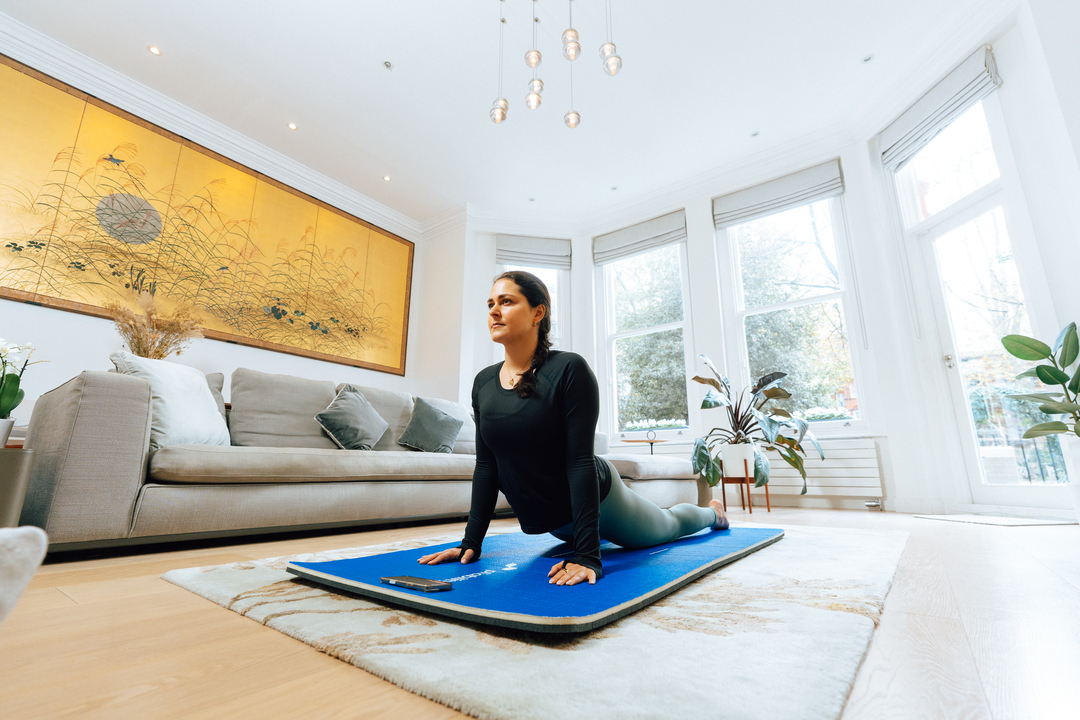
Most mornings don’t need fanfare; they need a handful of steady choices you can actually keep. Simple, repeatable habits calm your nervous system, reduce decision fatigue, and build momentum. Start with a few small wins and let them compound.
According to Reclaim Blog, 80% of people who establish a morning routine report feeling more productive throughout the day. In 2025, that finding suggests a reliable routine is one of the highest-leverage ways to protect focus and energy.
1. Practice Mindful Movement
Incorporating Hot Detox Yoga and Hot Chakra Meditation wakes your body and centers your attention without pressure. Move with breath, notice sensations, and treat the practice as a tuning session for your nervous system rather than a performance.
For those who need structure, platforms like Pliability offer guided mobility and short sequences that help improve flexibility and reduce pain. Sign up today to get 7 days absolutely free on iPhone, iPad, Android, or the website, so you can try a guided routine that complements whatever fitness work you already do.
2. Stretch Your Body
Five to ten minutes of gentle stretching reconnects you to your body, eases stiffness, and stimulates circulation. Think of it as unlocking a door you shut all night: small movements reduce tension, release calming neurochemicals, and make clear-headed work feel more possible.
3. Set a Positive Tone With Gratitude
Naming three small things you appreciate before getting up shifts attention from threat to what’s working. The habit is low-effort and high-return: it lowers stress and tilts your brain toward noticing resources, not deficits, which quietly changes how choices feel during the rest of the day.
4. Drink Water and Breathe to Feel Grounded
A glass of water rehydrates after sleep and the slow, five-deep-breath sequence calms the fight-or-flight reflex. The combo is a one-minute reset that reduces early-morning cortisol spikes and helps you step into tasks with a steadier heart rate.
5. Journal
A short morning brain dump organizes scattered thoughts and clears mental bandwidth for what matters. Write what’s on your mind, a quick priority list, or one sentence about how you feel; even a few lines release the pressure that otherwise steals focus.
6. Enjoy a Quiet and Nourishing Morning Meal
Eating without distraction gives your nervous system an easy start, and choosing balanced foods stabilizes energy. Treat the meal as a short ritual of care:
- Taste
- Pause
- Breathe
That slight pause prevents hurried choices later.
7. Set an Intention for Your Morning
State one simple aim aloud or in writing, such as “I will respond, not react.” Intentions act like a compass when things get noisy, nudging decisions toward calm instead of autopilot.
8. Listen to Your Favorite Music
Music shifts mood faster than pep talks. Play a track that feels energizing or soothing while you get ready; it primes emotion and focus with minimal effort and creates a warm cue your brain learns to associate with readiness.
9. Step Outside for Some Fresh Air
Morning light and fresh air reset circadian signals and boost alertness; two minutes on the porch is often enough to set hormonal timing and improve wakefulness for hours.
10. Make Your Favourite Beverage Mindfully
Taking the time to prepare and savor your coffee or tea turns a routine into a small ceremony. That intentional pause shifts you out of reactivity and into presence, so your first decisions come from clarity rather than rush.
11. Practice Consciousness
When you deliberately notice the feel of soap, the scent of cleanser, or the sound of water, you interrupt autopilot and reclaim minutes of presence. This is a reliable way to build steadiness into otherwise automatic moments.
12. Set Boundaries
Designating specific work hours and honoring self-care slots prevents your day from fragmenting. Boundaries preserve attention, reduce guilt, and make rest predictable, which in turn sustains longer-term productivity.
13. Practice Mindful Transitions
A brief pause between your morning routine and work, with eyes closed and a few breaths, draws a clear line so you carry intention, not leftover reactivity, into the next hour.
14. Create a Calm Workspace
A tidy, inspiring workspace reduces distraction and decision friction. Even one plant or a single photo that grounds you makes it easier to settle into deep work without the nervous churn of clutter.
15. Wake Up at the Same Time Every Day
Consistent wake times stabilize your circadian rhythm, making mornings less jarring and energy levels more predictable. Over weeks, that regularity reduces the drag of grogginess and helps fragile habits stick.
16. Plan Your Day the Night Before
Spending five to ten minutes categorizing tomorrow’s tasks helps you prioritize wisely and protects your morning for high-value work. When you rank tasks by impact and energy required, you conserve brainpower for creative moments.
17. Start With a Small Task
Completing a small task, such as making your bed or pouring water, creates an early sense of agency. Those low-friction wins stack and make larger tasks less intimidating through momentum rather than willpower.
18. Avoid Distractions
Delay checking email or social media by using Do Not Disturb, turning off notifications, or placing your phone out of reach. This preserves the calm you built and keeps dopamine-driven interruptions from hijacking focus.
19. Be Flexible and Adjust
If energy or schedule shifts, scale the routine down rather than abandoning it. Flexibility prevents shame and keeps you consistent; the point is continuity, not perfection.
20. Have a Good Attitude
Approaching your routine with curiosity and kindness transforms small actions into durable practice. When you stop measuring yourself against an ideal, habits become supportive rather than punitive.
Overcoming Complexity to Maintain Consistent Mobility
Most people handle morning rituals with long checklists because they feel like a commitment and a source of rigor. That familiar approach works for a while, but as life fills up, complexity becomes a barrier: routines become chores, motivation drops, and people stop showing up.
Platforms like Pliability provide short, guided mobility sequences, daily-updated programs, and body-scanning tools that make consistent movement accessible, reducing the friction that turns helpful habits into abandoned intentions.
When we examine who struggles most, a clear pattern emerges among clients with low energy and high self-expectation:
Complex routines lead to avoidance, while small, repeatable rituals build adherence. If you are exhausted, choose five-minute anchors; when you have more bandwidth, layer gently, because consistency beats intensity every time.
Morning Meditation as a Mood Stabilizing Habit
On the subject of meditation, Reclaim Blog reports that, on average, people who meditate in the morning are 20% more likely to maintain a positive mood throughout the day, underscoring why even brief seated practice can be a mood stabilizer in 2025 and supporting the small, regular habits we recommend.
You’ll find that each tiny habit compounds in ways that feel quietly powerful, and that’s the point. The surprising obstacle most people never plan for is what makes building your own morning routine both simple and unexpectedly complex.
Related Reading
- How to Beat Afternoon Slump
- How to Improve Working Memory
- Yoga for Focus
- Neuromotor Exercise
- Brain Gym Exercises
- Mind Body Exercise
- Stress Relieving Stretches
- Exercises for Brain Fog
- Mental Focus Exercises
- Morning Brain Exercises
How to Build Your Own Morning Routine

Start by picking one or two tiny habits you enjoy, then treat them like experiments you can change without shame.
Set a wake time that fits your sleep need, stash a few morning items the night before, and shape a calm environment with simple sensory cues that invite steadiness rather than perfection.
How Do I Pick a Wake-Up Time I Can Actually Keep?
Decide by working backwards from when you need to be present, then honor how much sleep your body needs. If you typically need about eight hours, set a bedtime and wake time that maintain that total, then adjust your wake time by 10 to 15 minutes per week until it feels sustainable.
When schedules collide, create a 10- to 20-minute buffer before caregiving or meetings, so you don’t start the day already reacting. Track your chosen time for two weeks and score mornings on three quick measures: sleep satisfaction and whether the buffer helped you breathe. Then adjust.
What Should I Prepare the Night Before to Avoid Feeling Frantic in the Morning?
Use a two-minute prep checklist you can actually finish: set out one outfit, place your keys and water bottle by the door, load a simple breakfast or set the coffee maker, and write the single task that will make the morning feel won. The rule is this: limit yourself to no more than three small items; more becomes another chore.
Treat this as design work, not a to-do. When we design pre-morning cues to remove one decision, compliance climbs and guilt drops, because you’re eliminating friction rather than adding ritual.
How Do I Create a Calm Environment Without Strict Rules?
Rely on one sensory anchor instead of a rigid sequence: natural light, a single playlist, a citrus scent, or a specific chair where you sit. Anchors recruit your nervous system faster than checklists, and they survive chaos.
This pattern appears across parents and shift workers: small, consistent cues outperform long rituals when schedules change, because cues are easier to protect and reapply. If you can control only one thing, control light or sound; changing either reliably shifts mood and focus.
If I Want Movement or Meditation, what’s The Fastest Way to Test Whether It Helps Me?
Run short, focused trials. Try one habit for seven to fourteen days, then swap. Measure subjective outcomes each morning: mood, clarity, and whether the habit felt energizing or draining. Remember that a short movement often helps maintain attention during work.
At the same time, brief seated practice stabilizes mood, which is why A study found that 60% of individuals who exercise in the morning have improved focus and concentration, and why on average, people who meditate in the morning are 20% more likely to maintain a positive mood throughout the day. Those results don’t demand long sessions; they justify small, consistent experiments.
What Do I Do When Pressure or Perfectionism Sabotages the Plan?
When routines become punitive, they stop working. The familiar failure pattern is clear: ambitious checklists become guilt machines, then get abandoned. If time or energy is low, swap intensity for duration, not for willpower.
For example:
Replace a 15-minute sequence with two minutes of attentive breathing or a single mobility exercise that targets your worst stiffness.
Use an if-then rule:
If energy is below 4 out of 10, do the two-minute anchor; if above, extend gently.
That constraint-based approach prevents collapse when time is compressed.
Transitioning from Scattered Routines to Centralized, Guided Programs
Most people build routines from scattered videos and sticky notes because it feels familiar and requires no new tools. That works until inconsistency turns into pain or skipped sessions that leave you cynical.
Platforms like Pliability offer a different path: they centralize short, guided sequences, automatic progressions tailored to your time and pain points, and gentle reminders that adapt as your schedule changes. Teams and individuals find that this removes design work, keeps sessions bite-sized, and preserves gains even when workloads are hectic.
How Do I Iterate Without Feeling Like I Failed?
Treat every miss as data. Run two-week trials, log three quick morning metrics, and declare a single decision rule: if a habit is missed more than three times in a seven-day block, simplify or replace it. Track only what matters, not every micro-detail. Over months, your routine will shift with seasons, stress, and sleep, and that adaptability is the point. Think of the routine as a dimmer, not a light switch; you tune intensity to conditions, you do not flip off responsibility.
You’ll see the real test in a straightforward outcome: does your morning let you show up with less friction than before?
But the surprising part about linking steady mornings to actual mobility and recovery will change how you think about routine design.
Improve Your Flexibility with Our Mobility App Today | Get 7 Days for Free on Any Platform
If your morning window is five minutes and you keep patching in ad hoc stretches or quick videos because pain disrupts your focus, we tend to default to quick fixes that fragment your routine and blunt performance, leaving your breathing shallow and your movement limited.
Platforms like Pliability offer a different path, with a curated mobility video library, daily-updated custom programs, and a body-scan that pinpoints tight spots so you can build short, purposeful, mindful morning routine sessions for recovery, improved flexibility, and steadier focus; try seven days free on iPhone, iPad, Android, or web to see if it complements your training.
Related Reading
- Mental Training Exercises for Athletes
- Brain Biohacking Exercises
- Cognitive Activities for Adults
- Improve Attention to Detail Exercises
- Cognitive Flexibility Exercises
- Gentle Movement Exercises
- Energy Exercises
- Micro Workouts
.jpg)