20 Best Natural Strategies for Reducing Anxiety Without Medication
.webp)
When your heart races before a meeting or your thoughts loop at night, small physical practices can change how your body reacts. Do you want to feel steadier? In mind and body performance and resilience exercises, breathwork, mindfulness, grounding, progressive muscle relaxation, meditation, and gentle yoga work together to calm the nervous system and cut stress. This guide on reducing anxiety without medication offers clear cognitive-behavioral strategies, coping skills, sleep hygiene tips, and short mobility routines to help you feel calm, in control, and emotionally balanced every day, without relying on medication.
Pliability's mobility app turns those practices into short guided sessions you can do at home or between tasks, so breathwork, mobility, and mindfulness fit your day and help steady your nerves when you need them.
Summary
- Anxiety disorders affect 264 million people worldwide, and women are twice as likely as men to be affected, highlighting a broad need for scalable, nonpharmaceutical daily practices.
- Acute physical signs like a racing heart, sweating, and muscle tightness disrupt sleep and tissue recovery, and short, regular practices such as 3-minute body scans and 7-minute mobility flows help lower bodily tension over the course of weeks.
- Both vigorous and gentle exercise play a role, with high-intensity sessions producing 20 percent to 30 percent reductions in anxiety symptoms, according to Harvard, while a 10-minute gentle morning routine paired with paced breathing shifts autonomic balance toward calm.
- Consistency outperforms intensity: for example, five minutes a day of mindfulness or mobility is more effective than an hour once a week, and ad hoc stretching allows tension to build between sessions.
- Structured social and cognitive habits reduce isolation and rumination, for example, a nightly journal that lists three wins, one worry to set aside, and one actionable morning step, and brief social meetups of about 15 minutes can lower anxious loops.
- Practical regulation tools are quantifiable, for instance, belly breathing with a 4 to 6 second inhale and a 6 to 8 second exhale, 2-minute breathing resets before stressors, and weighted blankets sized to roughly 7 to 12 percent of body weight, all of which reduce physiological arousal.
Pliability's mobility app addresses this by turning breathwork, mobility, and mindfulness into short guided sessions you can do at home or between tasks, including 3-minute scans and brief mobility flows to make consistent practice easier.
What are the Most Common Symptoms of Anxiety Disorders?
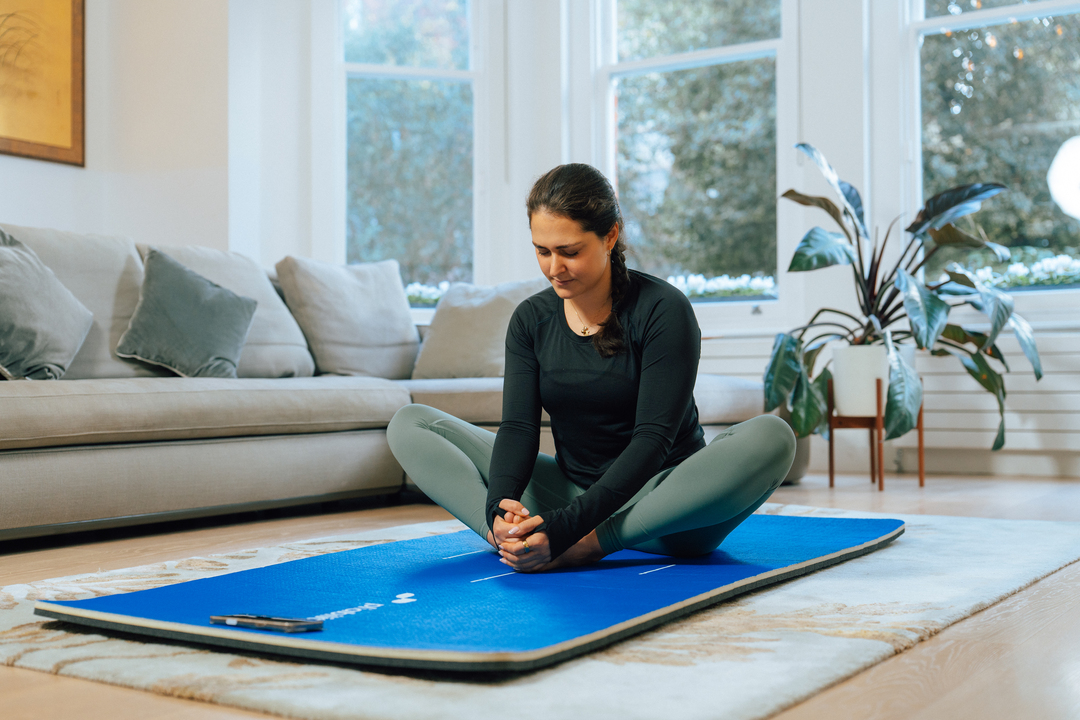
Anxiety disorders are when worry, fear, or panic become frequent, intense, and disruptive enough to interfere with work, relationships, sleep, or movement. Typical symptoms show up across the body, mind, and behavior, and they often travel together, so you feel physically keyed up, mentally stuck, and compelled to avoid situations that trigger those sensations.
What Physical Signs Should I Pay Attention To?
You will often notice acute, measurable body reactions:
- A racing heart
- Sweating
- Trembling
- Short
- Shallow breathe
- Muscle tightness
Those symptoms can arrive suddenly, like your chest tightening and your breath shortening while waiting in a checkout line, or they can simmer as recurring headaches, stomach upset, and insomnia that sap recovery and training quality. These sensations are not imaginary; they are the nervous system signaling threat and staying active when it should rest, which makes sleep and tissue recovery worse over time.
How Does Anxiety Change the Way I Feel Emotionally?
Anxiety commonly brings a persistent sense of dread, helplessness, or impending doom, sometimes climbing into full panic without an apparent external danger. That feeling of being out of control is precisely what many people describe, an almost out-of-body awareness where they recognize their reactions as irrational yet cannot stop them.
This identity disruption strains relationships because loved ones see someone different in heated moments, and the person with anxiety can feel isolated and misunderstood.
What Happens in Your Head When Anxiety Takes Hold?
Cognitive symptoms include obsessive thinking about the trigger, catastrophic forecasting, poor concentration, and memory lapses. You might replay a coach's or teammate's comment into a long worry spiral, or fixate on the next mistake until it crowds out preparation.
That loop amplifies physiological arousal, so the more you ruminate, the tighter your body gets, and the harder it becomes to think clearly during practice or competition.
How Does Anxiety Change Behavior and Daily Routines?
People with anxiety commonly avoid places, skip events, or rely on safety behaviors like checking, rehearsing, or overpreparing. In athletes and active people, this shows as skipped sessions, conservative pacing that kills performance, or chronic tension during warmups that increases injury risk.
Avoidance reduces short-term discomfort but raises long-term cost: missed opportunities, fractured relationships, and a creeping loss of confidence.
When Should You See a Healthcare Professional?
Seek help if symptoms affect your life, relationships, or ability to train and recover; a clinician can rule out physical causes like thyroid issues before referring you to mental health care. A standard failure mode is delayed diagnosis due to minimized symptoms, and that delay typically increases suffering and functional decline. Treatment options include psychotherapy, medication when appropriate, and non-pharmaceutical approaches that target sleep, breath, and autonomic regulation.
How Common is This, and Who is Most Affected?
Globally, Anxiety disorders affect 264 million people worldwide, a 2023 World Health Organization finding that underscores how many lives these symptoms touch. The WHO also reported in 2023 that women are twice as likely to be affected by anxiety disorders as men, which highlights sex-specific risk patterns and the need to tailor recovery and care.
Beyond Stretching: Targeting Tension and Autonomic Regulation
Most people try to muscle through tension with extra stretching, willpower, or more intense training because that feels actionable and familiar. That familiar approach works short-term, but the hidden cost shows up as worsening autonomic dysregulation, poorer sleep, and greater avoidance over months.
Platforms like Pliability offer athletes short, expert-led daily mobility and breath protocols, 3-minute scans, and personalized plans that directly reduce bodily tension, speed recovery, and help regulate the nervous system, making anxiety more straightforward to manage without adding pills.
What Does Recovery Look Like In Practical Terms?
Recovery-focused tactics reduce sympathetic arousal and restore parasympathetic balance, enabling you to sleep more deeply, move more easily, and think more clearly. Simple, consistent practices that combine gentle mobility, targeted stretching, and paced breathing shift baseline tension over weeks, not days, and that cumulative change is what restores confidence and relationship stability. The real work is consistency, not intensity. Small daily practices produce measurable improvements in sleep quality and performance readiness.
Anxiety shows up in so many ways that naming the category helps, but the real clue is the pattern:
Repeated physiological arousal, perseverative thinking, plus avoidance.
That trio predicts longer courses and greater impairment, and it tells us exactly where to intervene with lifestyle, breath, and movement strategies that support nervous system regulation.
This feels like the end of the explanation, but the more complex question is how to convert these insights into concrete, repeatable practices that change your nervous system for good.
Related Reading
- Mental Training Techniques
- How to Increase Presence of Mind
- Mindful Morning Routine
- How to Train Your Mind
- How to Release Tension in Body
- Why Do I Get So Tired in the Afternoon
- Mindful Stretching
- How to Stay Focused at Work
- How to Get Rid of Brain Fog
20 Best Strategies for Reducing Anxiety Without Medication
1. Do Gentle Exercise
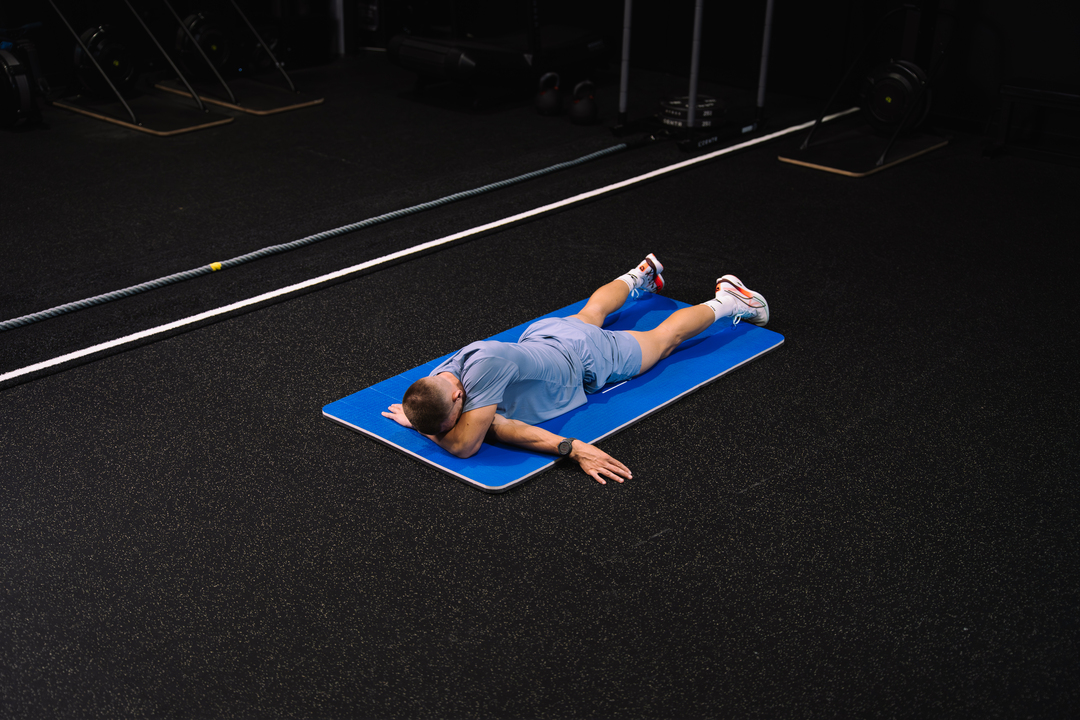
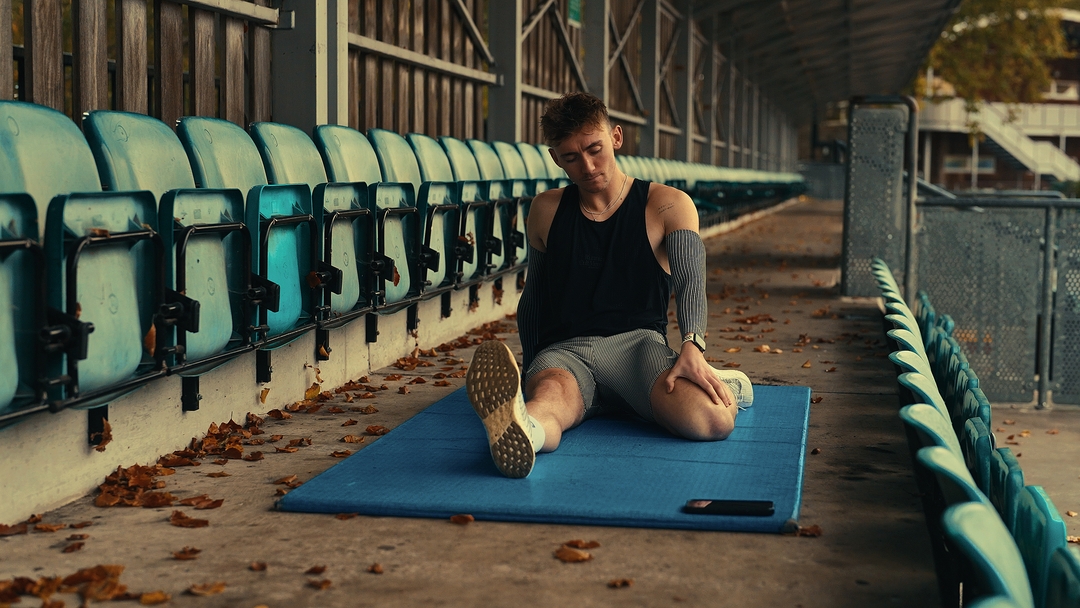
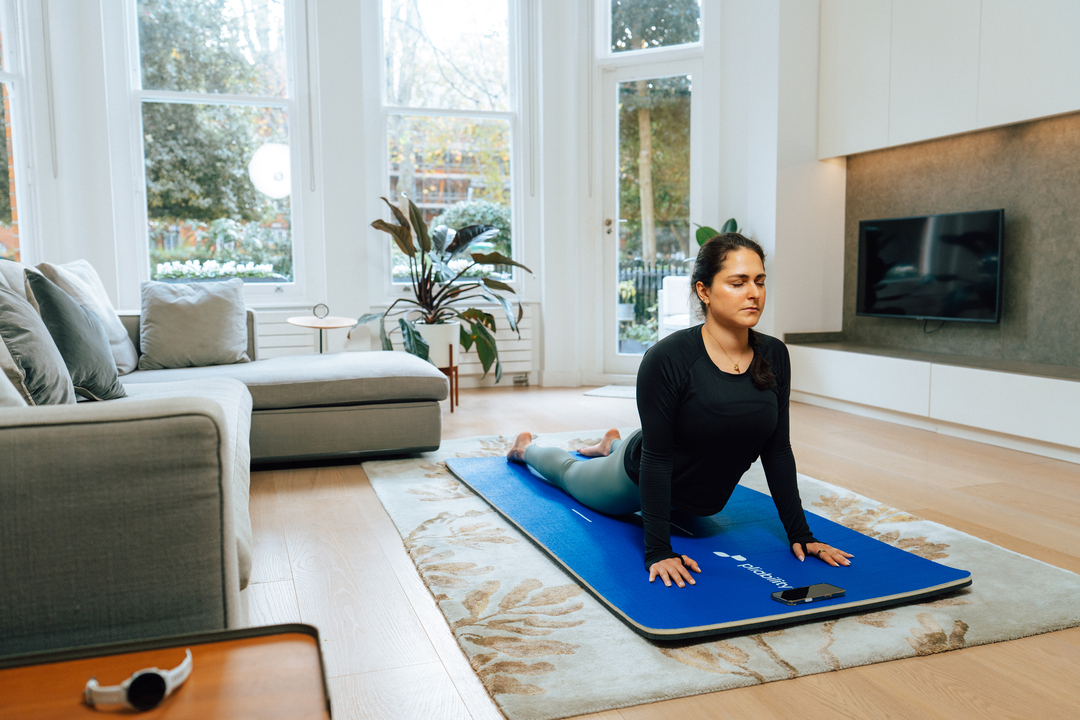
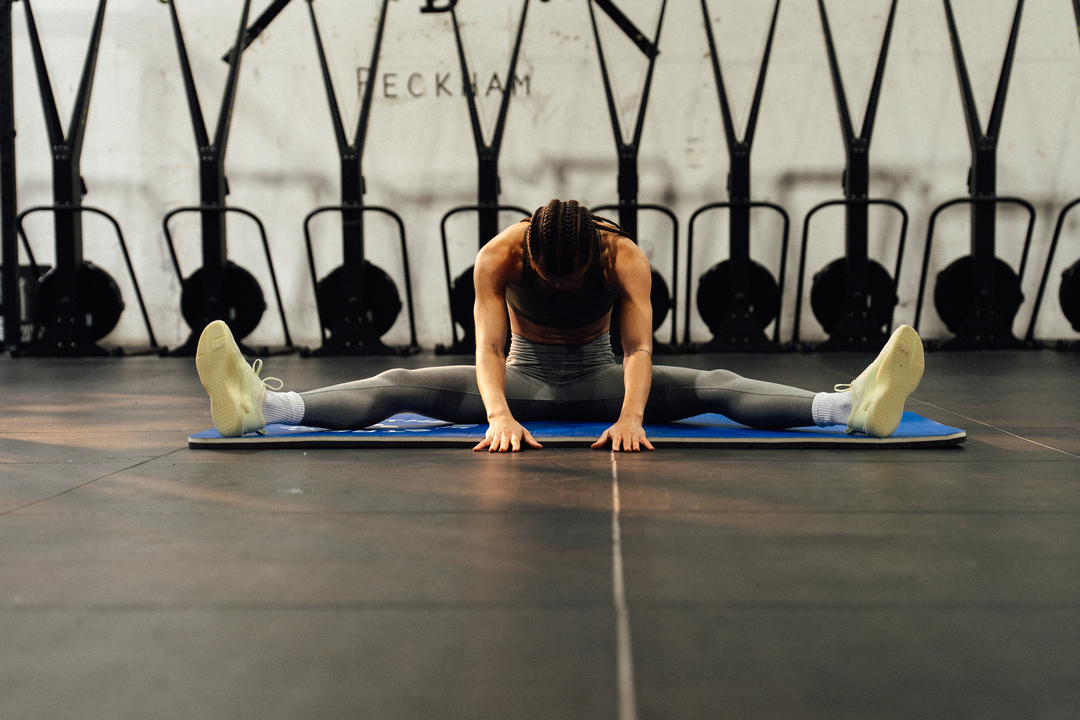
Gentle movement, such as slow walks, yoga, or targeted mobility sessions, calms anxiety by reducing muscle tension and giving your attention a concrete focus. You don’t need long workouts; short, consistent sessions that pair movement with paced breathing shift your nervous system toward calm.
How Can Gentle Movement Calm an Anxious Body?
When you move slowly, sensory feedback from muscles and joints gives the brain predictable input, which quiets hyper-vigilant circuits. Practically, try a 10-minute morning routine that pairs hip and shoulder mobility with five-count inhales and exhales, or breathe on a 2:2 rhythm while walking. Benefits include reduced neck and shoulder tightness, easier sleep onset, and fewer micro-startles during the day.
How This Changes Your Mind and Recovery
Gentle exercise raises parasympathetic tone, which helps lower baseline arousal and improves sleep quality, supporting recovery. For athletes, loosening tight tissues reduces compensatory patterns that feed chronic worry about performance, so training feels more sustainable.
Practical Tips and Variations
If you feel wound up, do two short bouts: a 3-minute body scan while lying down, then a 7-minute mobility flow. Try breathing in for three steps and out for three steps while walking. Pliability’s guided, short mobility flows can keep you consistent without guessing what to do next.
2. Do Vigorous Exercise
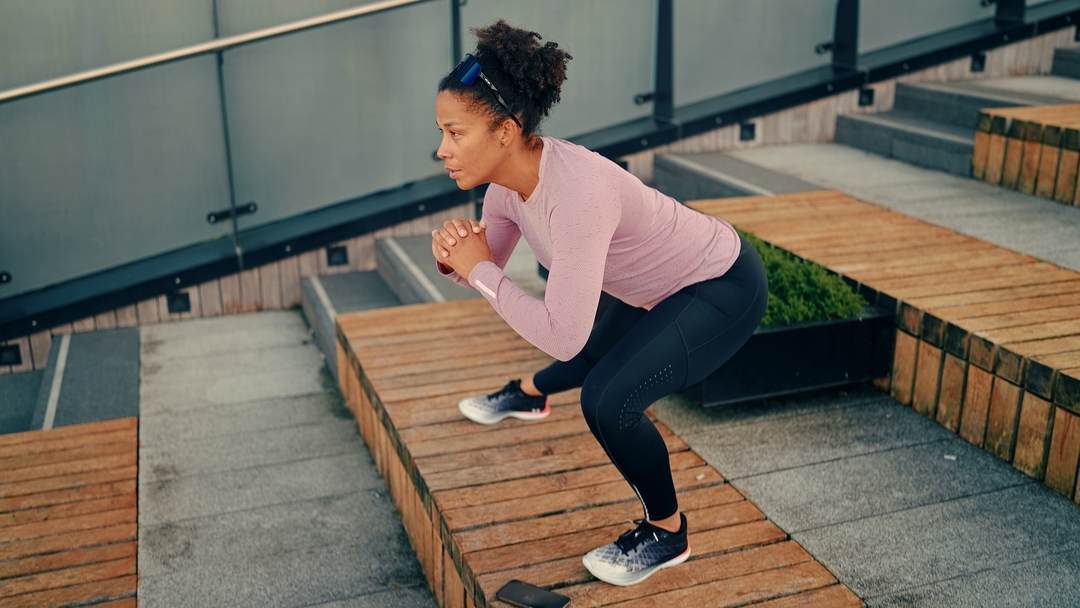
A focused, high-effort session, like intervals, a tempo run, or a challenging swim, punctuates anxious energy by giving it a physical outlet and altering brain chemistry. Schedule these sessions deliberately when you can recover afterward, because the psychological payoff is tied to how well you rest and refuel.
Why Pushing Intensity Helps Anxiety
Intense exercise triggers endorphins and neuromodulators that immediately blunt worry and boost mood, and over weeks, it recalibrates stress responses so you feel less reactive. That systemic effect explains why Harvard Health Publishing reports that exercise can reduce anxiety symptoms by 20% to 30%.
Practical Tips and Variations
Use interval formats if time is tight: 20 seconds hard, 40 seconds easy for 12 rounds, then cool down mobility. Keep a log to track progress; improvements in power or distance reinforce confidence and counter catastrophic thinking about performance.
3. Practice Breathing Techniques
A simple breathing practice redirects attention away from cyclical worry and gives you an immediate lever to change heart rate and tension. Short pockets of paced breathing during the day add up, and they are portable tools you can use anywhere.
Which Breathing Methods Work Best for Quick Relief?
Try belly breathing with a 4-6 second inhale and a 6-8 second exhale, or breath counting where you count five breaths and reset. When you pair breath with small movements, such as shoulder rolls or gentle hip swings, you increase interoceptive clarity, making anxious sensations easier to name and release.
How Breath Shifts Physiology
Paced exhalation engages parasympathetic pathways that slow heart rate and relax muscles, reducing the loop that keeps worry alive. Keep a short cue, like touching two fingers together, to remind you to breathe more slowly when tension builds.
Practical Tips and Tools
Use a simple timer app or built-in breath coach to scaffold practice, then wean off the cue as you internalize the rhythm. Do a 2-minute breathing reset before stressful calls or competitions.
4. Try Other Grounding Techniques
Grounding gives your nervous system concrete sensory input that interrupts runaway thoughts and reorients you to the present. These methods are quick, reliable, and safe for high-arousal episodes because they focus on external reality rather than interpretation.
What Grounding Methods are Most Practical?
Do a room scan naming specific sensory items, or press your feet into the floor and notice the pressure under each toe. Another option is a tactile sequence: hold a cold cup, rub a textured fabric, then trace an object with your fingertips to anchor attention to sensation.
Why Grounding Affects Anxiety
Grounding stabilizes your sensory map and signals safety to brain networks that had been primed for threat. Over time, it reduces avoidance by relearning that intense sensations can be observed and tolerated without escaping.
Practical Tips and Variations
Keep a small object in your pocket for sudden surges. Practice a standing-ground routine after training to reset if adrenaline lingers.
5. Learn Meditation and Mindfulness Practices
Meditation trains the mind to observe thoughts and sensations without buying into them, reducing the influence of anxious narratives. Short, structured practices are enough to build tolerance for uncomfortable feelings and improve concentration.
Which Forms of Meditation Give The Biggest Return for Effort?
Start with breath-focused mindfulness, body scans, or a three-minute open-awareness check-in you can do before practice or sleep. Consistency beats duration: five minutes a day is more effective than an hour once a week.
How Mindfulness Rewires Your Response to Worry
Regular practice strengthens networks that notice distraction and redirect attention, making rumination shorter and less compelling. That cognitive flexibility shows up as faster recovery from setbacks and more effective preparation for performance.
Practical Tips and Resources
Try guided sessions that fade guidance over the course of weeks so you learn to self-direct. For measurable progress, use short daily logs to record session length and perceived reactivity.
6. Spend Time in Nature or with Animals
Nature and animal interactions change the sensory context in which anxiety runs, providing safe, nonjudgmental feedback that calms the nervous system. Even brief exposure shifts attention and lowers physiological arousal.
How to Get Practical Benefits if You Live in a City
Look for micro-doses, like a 15-minute park walk, listening to birds from a balcony, or sitting on a patch of grass barefoot. Petting an animal for five minutes produces a different tactile rhythm than screens and signals safety to social brain circuits.
Why These Exposures Matter Biologically
Natural sensory input tends to be fractal and less threatening, reducing stress hormones and improving mood regulation. For athletes, these changes can improve sleep and support tissue recovery after training.
Practical Tips and Tools
Use nature-sound playlists or short outdoor mobility sessions after hard workouts to deepen parasympathetic activation.
7. Soothe Your Gut First
Dietary choices influence anxiety through gut-brain signaling, and stabilizing blood sugar and microbiome health reduces physiological triggers for worry. Small, consistent shifts in eating patterns produce more apparent effects than dramatic short-term diets.
What Eating Habits Support Calm?
Favor fiber, lean protein, fermented foods, and regular meal timing to avoid blood sugar dips that can amplify anxiety. Tea with L-theanine can reduce reactivity after a tense meeting.
How Gut Health Influences Mood and Recovery
A balanced gut reduces inflammatory signals and supports neurotransmitter production, which affects sleep and cognitive control. That improved balance helps athletes recover more consistently and feel less anxious about performance variability.
Practical Tips and Variations
Keep a simple food-and-mood log for two weeks to identify patterns, then focus on the most calming meals. Small swaps, like yogurt for sugary snacks, often have outsized benefits.
8. Read a Book or Listen to an Audiobook
Intentional reading or listening shifts cognitive load from worry to structured narrative, giving your imagination a restorative task that reduces anxiety. The key is choosing material that challenges but does not overstimulate.
What Should You Choose When Anxiety is High?
Pick immersive fiction or a thoughtfully paced nonfiction audiobook that requires attention but not emotional reprocessing. Audiobooks help when fatigue makes reading taxing; they let you engage while you walk or recover.
Why Stories Reduce Stress and Improve Focus
Narrative gives the brain a held pattern to follow, quieting the internal loop of hypothetical catastrophes. For athletes, this mental reprieve can lower pre-competition arousal and improve concentration.
Practical Tips and Variations
Schedule a short listening window before sleep or immediately after training to help the mind downshift; avoid emotionally charged content close to bedtime.
9. Get into the Creative Flow
Creative practice channels emotion into tangible output and creates opportunities to enter flow, which temporarily suspends anxious thought. The process itself is a calibration tool: repeated practice builds competence and self-efficacy.
How Do You Trigger Flow Deliberately?
Set a small, time-limited creative challenge, like 20 minutes of free drawing or a five-minute improv movement pattern, and remove judgment. Track small wins, such as completing a piece or learning a new chord, to counter perfectionism.
Why Creation Changes Anxiety and Performance
Flow reduces self-monitoring, which quiets the inner critic and frees attention for execution. This mental release can translate to less tension in training and better risk-taking when it matters.
Practical Tips and Tools
Use simple prompts, a timer, and a low-stakes space where mistakes are allowed. Incorporate creative cooldowns after training to shift cognitive load away from performance review.
10. Talk to a Loved One (Or a Professional)
Opening up to someone you trust reduces the isolation that amplifies worry and helps you test anxious predictions against reality. Professional conversations add structure and evidence-based tools when worries persist.
How Can You Get the Most From a Supportive Conversation?
Prepare a short statement of what you want to say, then ask for a specific type of support, like perspective or problem-solving. This reduces circular conversations and helps the listener stay grounded.
Why Connection Lowers Physiological Stress
Social support releases oxytocin and reduces perceived threat, which eases autonomic activation and makes recovery processes like sleep and tissue repair more reliable. When anxiety is recurring, structured therapy provides targeted strategies that complement daily mobility and breath work.
Practical Tips and Variations
Schedule regular check-ins with a friend or coach; use brief calls after big events to process
rather than ruminate. If symptoms interfere with life or training, seek a licensed clinician for assessment and a coordinated plan.
11. Try Aromatherapy
Scent cues can modulate emotion quickly because olfactory pathways connect directly to emotion centers in the brain. Quality and safe use matter, so treat essential oils as a targeted tool rather than a cure-all.
Which Scents are Most Useful and How Should You Use Them?
Lavender and citrus blends often soothe, while peppermint can relieve tension associated with headaches. Diffuse a few drops during a recovery session or inhale from a tissue for two minutes before a stressful event.
Why Scent Influences Nervous System State
Smell bypasses higher cognitive filters and can evoke immediate calm by altering activity in the limbic system. That immediacy makes aromatherapy a handy adjunct to breathing and mobility practices.
Practical Tips and Safety
Start with low concentrations, perform a patch test for skin sensitivity, and avoid ingestion. Use high-quality oils and brief exposures to avoid olfactory habituation.
12. Avoid Triggers
Reducing exposure to predictable environmental or social triggers buys immediate relief and creates space to build tolerance. The goal is deliberate reduction of avoidable stressors, not permanent withdrawal from life.
When Should You Remove Versus Confront a Trigger?
If a stimulus reliably collapses your recovery or sleep, remove it until you have more resilience. If it’s unavoidable, create a graded exposure plan with clear steps and measurable checkpoints to turn the situation around.
What Hidden Triggers Amplify Anxiety?
Unclear rules, manipulative environments, and ambiguous commitments provoke chronic stress because they force constant scanning for danger. For example, environments with opaque financial or social rules feel threatening and increase baseline tension.
Practical Tips and Variations
Set boundaries around stimulants like caffeine and alcohol, limit highly charged social settings before competition, and schedule recovery micro-blocks after exposure to a stressor.
13. Listen to Calming Music
Music controls tempo, and tempo controls heart rate. Choosing the right music for recovery or focus gives you a direct lever to influence physiology and mood.
How Do You Choose Music That Helps?
Look for tracks with steady, moderate tempos for relaxation, or slow, ambient pieces for sleep onset. Use the same playlist to cue your body to downregulate.
Why Music Affects Stress Hormones and Attention
Rhythmic auditory input synchronizes neural circuits and reduces cortisol levels, supporting both immediate calming and longer-term recovery. For athletes, a designated relaxation playlist can shorten the transition time from high-intensity training to parasympathetic recovery.
Practical Tips and Tools
Pre-curate two playlists: one for active focus and one for relaxation. Use noise-cancelling headphones to remove intrusive sounds.
14. Try Emotional Freedom Technique (EFT), aka Tapping
Tapping pairs focused attention on a concern with rhythmic fingertip taps on specific points, aiming to reduce emotional intensity quickly. It is low-risk, easy to learn, and a useful adjunct to other approaches.
How Should You Use EFT for Acute Anxiety?
Identify the specific worry, rate its intensity on a 1 to 10 scale, and do several rounds of tapping while naming the feeling. Track intensity before and after to measure the effect.
Why Tapping May Reduce Symptoms
EFT combines somatic input with cognitive labeling, reducing threat salience and allowing the brain to reprocess the memory or thought with less charge. That decreases avoidance and enables clearer problem-solving.
Practical Tips and Resources
Use a guided EFT video for the first few sessions, then personalize scripts for recurrent worries.
15. Get Quality Sleep
Improving sleep architecture increases cognitive reserve to manage daily stress and strengthens recovery processes critical to performance. Create routines that consistently cue the brain and body for rest.
What Routines Reliably Improve Sleep?
Anchor your bedtime with a predictable sequence: low lighting, short mobility and breath work, and a calming auditory cue. Keep training timing consistent to stabilize circadian rhythms.
How Better Sleep Lowers Anxiety and Supports Recovery
Deep, restorative sleep consolidates emotional memory and recalibrates stress response systems. Athletes who sleep better sustain higher training loads with less perceived effort and less pre-competition dread.
Practical Tips and Variations
Limit late-night intensity, use mobility flows to reduce residual tension, and treat sleep like a performance skill you can tune.
16. Try a Weighted Blanket
Weighted pressure stimulates deep touch receptors that increase calm and shorten sleep latency for many people. It is an accessible, low-effort tool for nighttime or rest periods.
Who Benefits Most From a Weighted Blanket, and How Should You Use It?
People who feel restless at night or who wake frequently with tension often notice immediate benefits. Use a blanket that is about 7 to 12 percent of your body weight and start with short sessions to assess tolerance.
Why Deep Pressure Reduces Arousal
Sustained, gentle compression increases parasympathetic activity, creating a sense of containment that reduces hypervigilance. This grounding can improve sleep quality and make daytime mobility work more effective.
Practical Tips and Safety
Avoid use if you have respiratory or circulatory issues, and choose breathable materials for comfort.
17. Eat healthy foods
Regular, balanced meals support a stable mood by preventing blood sugar swings and inflammation that can fuel anxiety. Small, realistic shifts to whole foods and routine meal timing make sustained change possible.
Which Dietary Changes Give the Best Returns?
Add fiber, lean protein, and omega-3 sources, and minimize refined sugars that destabilize mood. If you train hard, prioritize post-workout protein and carbohydrates to speed recovery and reduce evening rumination.
How Nutrition Supports Nervous System Regulation
A stable metabolic environment reduces cortisol spikes and supports neurotransmitter synthesis, which together lower reactivity and improve cognition during stress.
Practical Tips and Variations
Plan simple meals you can repeat reliably. Use a single prep day to create grab-and-go options that prevent choice fatigue when you are tired.
18. Socialize
Maintaining contact with supportive people gives you corrective feedback and reduces the isolation that compounds anxious thinking. Social habits are a resilience currency; small, regular interactions keep the account healthy.
How to Socialize When Anxiety Makes It Hard
Start with low-demand interactions, like a short walk or a 15-minute coffee with one person, and set a clear time limit so you can say no gracefully. Over time, gradually increase duration as confidence grows.
Why Social Contact Reduces Stress And Boosts Recovery
Social engagement signals safety and belonging, which lowers baseline arousal and improves sleep and tissue repair. For performers, a social support routine helps stabilize identity beyond metrics and outcomes.
Practical Tips and Variations
Schedule regular check-ins and use activity-based meetups to lower pressure, such as a mobility session with a friend.
19. Write in a Journal
Writing clarifies what you are worrying about and creates distance from intrusive thoughts. A structured journal habit turns vague dread into actionable items you can manage.
What Journal Techniques are Most Effective?
Try a brief nightly log that lists three wins, one worry you will set aside for tomorrow, and an actionable step you can take in the morning. Expressing a written worry reduces rumination.
How Journaling Changes Cognition and Emotion
Putting thoughts on paper shifts them from working memory to a stable record, reducing cognitive load and freeing attention for recovery and training. Over weeks, themes emerge that let you solve recurring problems rather than react to them.
Practical Tips and Tools
Use a small notebook by your bed and limit entries to five minutes to keep the habit frictionless.
Shifting from Ad Hoc Stretching to Consistent Daily Recovery
Most people handle mobility and tension by stretching ad hoc or doing longer, infrequent sessions because that feels doable and familiar. That approach fragments benefits, creates inconsistent recovery, and allows bodily tension to build between workouts.
Solutions like Pliability provide short, expert-led daily videos, timed breath protocols, and quick mobility scans that make consistent recovery measurable and habitual, so you reduce tension without adding complexity.
20. Consider Hypnosis with Professional Guidance
Hypnosis, when combined with cognitive behavioral strategies, can help focus attention, reframe unhelpful thinking patterns, and deepen relaxation. Work with a licensed clinician who integrates hypnosis with therapy to ensure safe, effective use.
When is Helpful Hypnosis, and What Should You Expect?
Use hypnosis to rehearse calm responses to triggers, to anchor relaxation before competition, or to break cycles of catastrophic thinking. Expect a collaborative process in which measurable goals are set and progress is tracked over several sessions.
Why Hypnosis Affects Anxiety and Performance
Hypnosis leverages focused attention and suggestion to change automatic responses and reduce the salience of worry-provoking cues. That altered reactivity makes it easier to apply movement, breath, and recovery tools under pressure.
Practical Tips and Precautions
Request credentials, set measurable goals, and combine hypnosis with nightly recovery routines and mobility exercises for integrated results.
That one detail still unsettles people, and it changes everything about how they’ll approach the next step.
Related Reading
- How to Beat Afternoon Slump
- How to Improve Working Memory
- Yoga for Focus
- Neuromotor Exercise
- Brain Gym Exercises
- Mind Body Exercise
- Stress Relieving Stretches
- Exercises for Brain Fog
- Mental Focus Exercises
- Morning Brain Exercises
Improve Your Flexibility with Our Mobility App Today | Get 7 Days for Free on Any Platform
When tension and restless nights start stealing practice quality and peace of mind, try a short daily experiment to see what actually changes. Try Pliability free for 7 days on iPhone, iPad, Android, or the web, and use its guided mobility, breathwork, and quick body scan to test whether reducing bodily tension without medication improves your sleep, recovery, and confidence in movement.
Related Reading
.jpg)