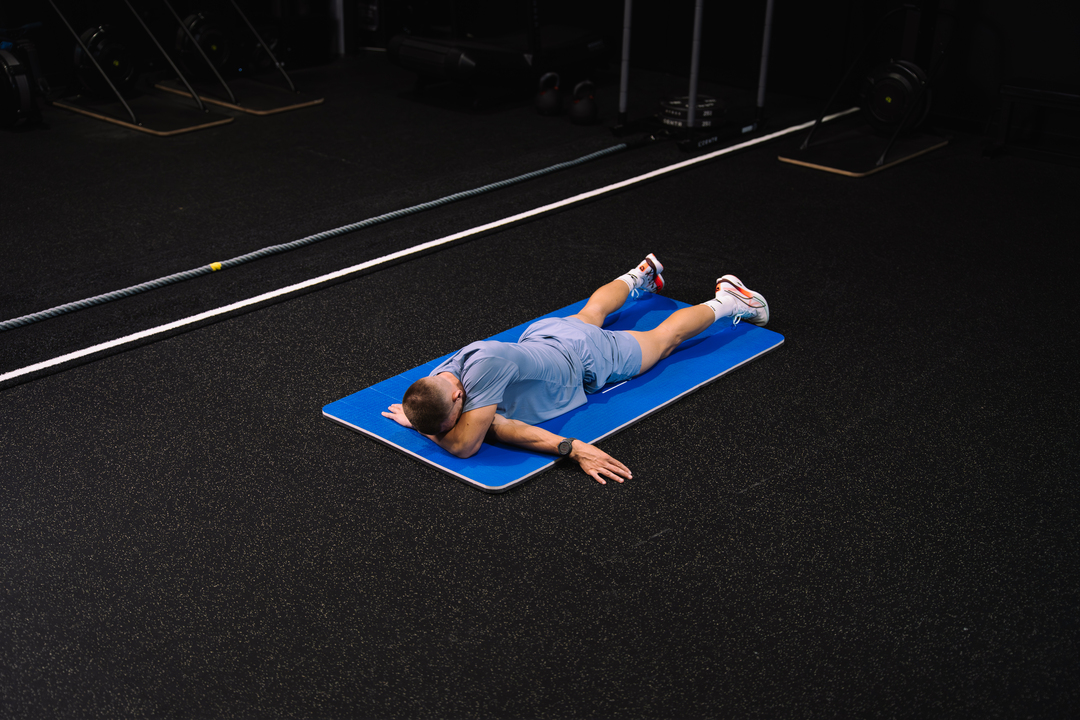
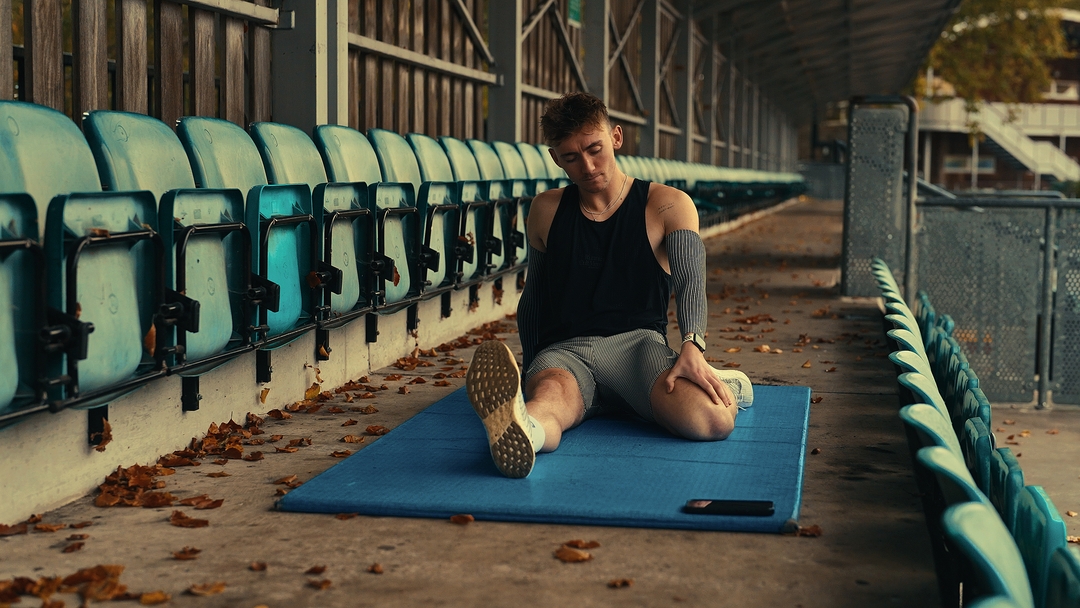
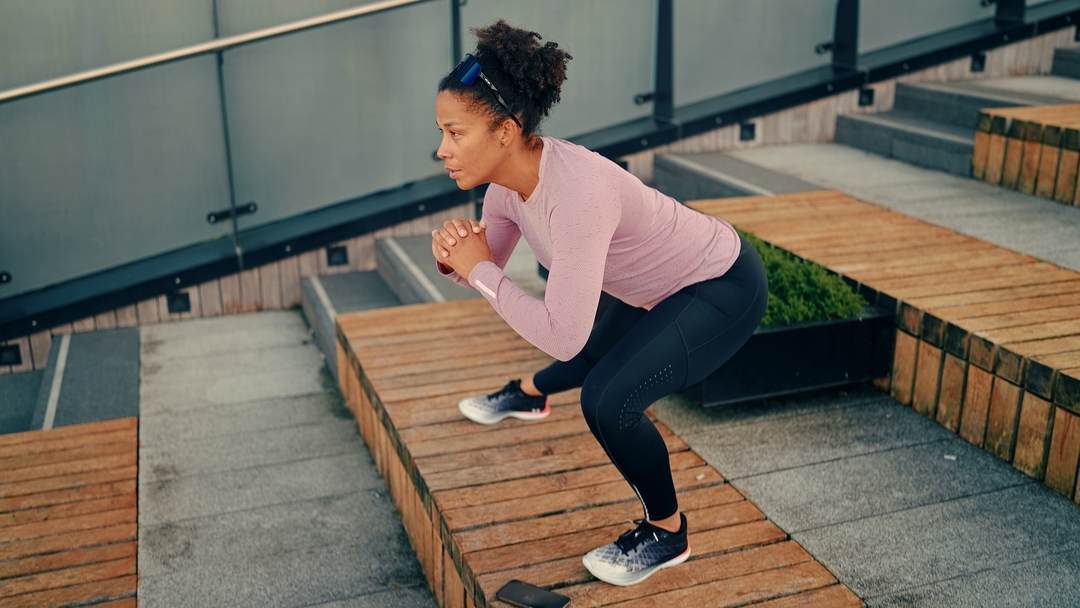
.jpg)
25 Best Stress-Relieving Stretches for Instant Tension Relief

Ever notice your shoulders tighten after a long meeting, or your thoughts racing when you should be calm? Those tight spots pull your attention away from clear thinking and steady performance, so mind and Body Strategies for Mental Performance should include quick movement and breath tools you can use anytime. Stress Relieving Stretches are short, practical mobility and flexibility moves paired with breath work that loosen shoulders, ease neck and jaw tension, open the chest, improve posture, and help you effortlessly release physical tension and mental stress whenever it arises, feeling calm, loose, and in control of your body without needing special equipment, expertise, or significant time commitments.
To make that easy, Pliability's mobility app puts guided stretches, posture checks, and brief routines on your phone so you can practice at your desk, on a break, or before a meeting.
Summary
- Stress drives a biochemical brace, not just bad posture, with the Cleveland Clinic noting stress can increase muscle tension by 50%, which explains why knots feel automatic rather than random.
- Repeated sympathetic activation thickens knots and resets resting muscle length. Yet consistent stretching produces measurable tissue changes, with a 30% improvement in flexibility reported after four weeks by the American Institute of Stress.
- Short, targeted holds shift nervous-system balance and reduce stress-related chemistry quickly. For example, regular stretching can decrease cortisol levels by 20% in just 10 minutes.
- Matching the mechanism to the symptom matters: two-minute targeted holds and brief routines produce near-instant relief, and 85% of participants reported significant stress reduction after adding stretching to their routine.
- Dosing and timing make a difference: a Delphi consensus found that a 10-minute session can reduce stress by 30%, and a 15-minute focused session can increase relaxation by 25%, supporting micro-sessions plus one more extended practice session.
- Simple habit scaffolds and tracking keep progress realistic; for example, a single-line daily log with a goal of a 10-12% reduction in reported stress over six weeks turns short wins into steady gains.
Pliability's mobility app addresses this by putting guided stretches, posture checks, and short routines on your phone so you can practice targeted mobility at your desk, on a break, or before a meeting.
Why Does Stress Make Your Body So Tense?
.jpg)
Your body tenses because stress programs it to brace, and those brief protective responses become a habit when stress is constant. Learn the physiology, and you stop treating knots as random pain; you start undoing the system that creates them.
How Does Stress Actually Make Muscles Tighten?
When stress fires the sympathetic nervous system, the adrenal glands release adrenaline and cortisol, which raise alertness and prime muscles for action. That biochemical surge increases motor neuron drive and muscle tone, so your shoulders, neck, and jaw contract more readily, like a car idling in gear with the handbrake on. The Cleveland Clinic reported in 2023 that stress can increase muscle tension by 50%, a clear signal that this is a biochemical response, not just bad posture.
What Keeps Temporary Tension From Letting Go?
Short spikes of tension are regular; the problem is repetition. Repeated sympathetic activation reduces local blood flow, impairs muscle recovery, and sensitizes pain circuits, leading to small knots that thicken into persistent tightness.
Cortisol also alters tissue repair and inflammation over time, so the muscle’s resting length and neural set point shift, making the body prefer a tighter position. After working with desk-bound clients in a six-week movement program, the pattern became clear: stress-driven posture and micro-clenching during focused work predicted morning stiffness and more frequent headaches within weeks.
Where Does Stress Show Up First In The Body?
Neck and shoulders, always. They function as a safety frame that protects the head and clamps down under threat. The jaw is a close second, because teeth-grinding and jaw clenching are unconscious outlets for anxiety. The lower back tightens as hip and core engagement wanes with fatigue and prolonged sitting.
You can also feel it in the temples and scalp as tension headaches, in the forearms if you grip a mouse too long, and in the hips when you lock up emotionally and physically. This pattern appears consistently among office workers and caregivers: deadlines and emotional load shift tension into predictable places, which is why recognizing your personal hotspots is the fastest way to interrupt the cycle.
What Will Help You Spot Your Tension Pattern Right Now?
Scan your body with intent for 60 seconds, at three moments in a day you know are stressful, and name the sensation:
- Burning
- Pulling
- Dull ache
- Ringing
That simple habit reveals whether your stress settles in your shoulders, jaw, or lower back, and provides an actionable map. It’s exhausting and confusing to feel sore without a cause, and identifying the location turns that frustration into a target you can address.
But the real reason this keeps happening goes deeper than most people realize.
Related Reading
- Desk Yoga Stretches
- Mental Training Techniques
- How to Increase Presence of Mind
- Mindful Morning Routine
- Reducing Anxiety Without Medication
- How to Train Your Mind
- How to Release Tension in Body
- Why Do I Get So Tired in the Afternoon
- Mindful Stretching
- How to Stay Focused at Work
- How to Get Rid of Brain Fog
The Science Behind Stress-Relieving Stretches
.jpeg)
Stretching works because it engages a few predictable physiological levers you can use deliberately, not randomly. When you target those lever's nervous system tone, circulation, biochemical signaling, and tissue length, you convert hopeful fiddling into fast, repeatable relief.
How Does Stretching Dial Down Your Stress Response?
The move that matters most is shifting nervous system balance. Slow, sustained stretches activate parasympathetic pathways and reduce sympathetic arousal, lowering cortisol and quieting the brain’s alarm circuits. That shift is why many people feel calmer within minutes: in practice, targeted two-minute holds around the shoulders or chest reduce the urge to clench and allow breathing to deepen, creating immediate mental space. This pattern appears across office workers and performers: when stretches follow a clear goal to reduce neck tightness and open the chest, they succeed; random movements fail, and frustration follows.
What Happens to Tissue When You Stretch, and Why Does That Ease Pain?
Muscle fibers elongate, and connective tissues adapt over time, so a gentle, repeated stretch changes resting length and mobility. That is also why consistency pays off: according to the American Institute of Stress, a 30% improvement in flexibility after 4 weeks of regular stretching, with measurable gains appearing quickly when you use proper technique and cadence. Practically, a wider range means less strain when you reach or twist, so your shoulders stop doing the compensatory work that produces knots.
How Does Blood Flow and Chemistry Flip the Feeling of Soreness?
A good stretch increases local circulation, flushing out metabolic byproducts and delivering oxygen and nutrients that ease tightness and speed recovery. Think of it like opening a stuck window in a hot room: the movement draws in fresh air and flushes out the stale heat.
That physiological rinse reduces short-term stiffness and minimizes the micro-inflammation that feeds pain, which explains why a five-minute routine can make a desk-bound neck feel markedly looser.
Why Do Stretches Lift Mood and Break the Pain-Tension Loop?
Stretching triggers the release of endorphins and modulates central pain pathways, interrupting the reflex loop in which pain triggers guarding, which in turn creates more pain. When you lengthen a chronically tight muscle, you reduce its resting neural drive and stop the cascade that turns tiny aches into daily complaints.
The emotional payoff is real: steady, purposeful stretching shifts your baseline from reactive to calm, which is why sustained programs report substantial subjective benefits according to The American Institute of Stress. 85% of participants reported a significant reduction in stress levels after incorporating stretching into their routine.
What Does this Mean for the Stretches You Choose?
If your goal is immediate shoulder relief, choose chest-opening stretches that relieve the upper trapezius while you breathe slowly. If you want to stop low back flare-ups, choose movements that restore hip and hamstring mobility so the lumbar spine does less stabilizing work.
The most common failure mode is treating all stretches as interchangeable:
The more innovative approach is to match a mechanism to the symptom and practice the correct sequence for short, repeatable wins.
From Guesswork to Habit: Matching Mechanisms to Relief
This builds on the common frustration that a scattershot approach leads to abandonment; when you match mechanisms to symptoms and measure small wins, you turn a guessing game into a habit that sticks.
That pattern matters because the next section shows which specific stretches exploit these exact mechanisms for reliable, near-instant relief.
25 Best Stress-Relieving Stretches for Instant Relief
These 25 stretches give you a precise, practical menu: short instructions, what each move targets, how long to hold it, where to do it, and which stretches pair well for compound relief so you can stop guessing and start feeling better fast. Pick two or three moves that match your hotspot, do them with slow breathing, and you will notice tension unwind in minutes.
Lower Back and Hips
1. Double Knee to Chest Stretch
It targets lower back and hip tension.
How to do it:
- Lie on your back with knees bent, feet flat, arms at your sides.
- Place your hands behind your thighs or below your kneecaps and slowly draw both knees toward your chest.
- Hold for 20 to 30 seconds, then rock your hips side to side to massage your lower back.
Where to do it:
- Bed or Floor
Pairs well with:
- Cat-Camel
- Happy Baby
2. Child’s Pose
It targets the lower back, arms, and shoulders.
How to do it:
- Start on hands and knees with hands under shoulders and knees under hips.
- Walk your arms forward, sit your hips back toward your heels, drop your head and chest.
- Hold 20 to 30 seconds.
Where to do it:
- Floor or Yoga mat
Pairs well with:
- Seated Spinal Twist
- Shoulder Roll
3. Lower Trunk Rotation
It targets the lower back and hips through spinal rotation.
How to do it:
- Lie on your back with your knees bent and your arms at your sides or extended to the sides for stability.
- Keep your shoulders down and let your knees fall to the right until you feel a gentle twist, then pause, then move your knees to the left.
- Repeat slowly for five twists on each side. Hold for 5 to 8 seconds per twist.
Where to do it:
- Bed or floor
Pairs well with:
- Double Knee-to-Chest
Chest and Upper Back
4. Lying-Down Pec Stretch
It targets pectoral tightness and thoracic opening.
How to do it:
- Lie on a foam roller aligned from head to tailbone, with knees bent and feet on the ground.
- Bring palms together over the chest, then extend the arms to T, letting gravity and breath deepen the stretch.
- Hold 30 seconds, repeat three times.
Where to do it:
- On the floor with a roller, or at the edge of a couch without a roller.
Pairs well with:
- Standing Chest Expansion
5. Cat-Camel
It targets whole-spine mobility from the cervical area to the tailbone.
How to do it:
- On hands and knees with a neutral spine
- Inhale and arch by dropping the belly toward the floor and lifting the head.
- Exhale and round the back up like an angry cat, tucking the chin.
- Move slowly for 5 to 8 repetitions.
Where to do it:
- Floor or on a firm bed
Pairs well with:
- Seated Cat/Cow
Neck and Shoulders
6. Seated Neck Release
It targets neck muscles and tension headaches.
How to do it:
- Sit tall with feet flat.
- Relax your shoulders and tilt your head to one side until you feel a stretch, hold for 10 seconds.
- Tilt to the other side and have 10 seconds.
- Then tilt back and hold for 10 seconds, then chin-to-chest for 10 seconds.
- Repeat a few cycles.
Where to do it:
- Chair or car seat
Pairs well with:
- Shoulder Roll and Seated Side Bend
7. Shoulder Roll
It targets upper back and shoulder tightness.
How to do it:
- Sit tall with feet flat and hands in your lap
- Lift your shoulders toward your ears and roll them back in smooth circles, then forward, at least six times in each direction.
- Relax.
- Hold each cycle 10 to 20 seconds.
Where to do it:
- At your desk or standing
Pairs well with:
- Standing Chest Expansion
8. Standing Chest Expansion
It targets chest opening and shoulder retraction to counter slouching.
How to do it:
- Stand with feet shoulder-width apart.
- Inhale and lift your arms up and back, feeling your chest open.
- Hold for 10 seconds, then lower slowly.
- Repeat a few times.
Where to do it:
- Kitchen counter or hallway
Pairs well with:
- Lying-Down Pec Stretch
Legs and Quads
9. Quad Stretch
It targets quadriceps and front-of-thigh tightness from sitting.
How to do it:
- Stand tall, grab your right foot with your right hand, and draw it toward your buttocks, keeping your knees close together.
- Hold 10 to 15 seconds.
- Switch sides.
Where to do it:
- Standing by a chair or countertop for balance
Pairs well with:
- Straight Leg Stretch and Forward Fold to balance the front and back of the thigh.
Spine Mobility, Desk-Friendly
10. Seated Cat/Cow
It targets spinal flexion and extension to loosen the mid and lower back during long sits.
How to do it:
- Sit tall with feet flat and hands on your thighs.
- Inhale and arch your back, jutting your chest forward and lifting your chin.
- Hold for a few seconds, then exhale and round your spine, tucking your chin and drawing your navel in.
- Repeat for several cycles.
Where to do it:
- Office chair
Pairs well with:
- Lower Trunk Rotation
Hips and Lower Back
11. Happy Baby Pose
It targets the lower back, hips, and inner thighs.
How to do it:
- Lie on your back and draw your knees into your chest.
- Grab the outer edges of your feet and pull them toward your body.
- Gently press your knees down with your arms to feel a release in your lower back.
- Hold for 10 to 15 seconds, then repeat a few times.
Where to do it:
- On a mat or a bed
Pairs well with:
- Double Knee to Chest and Butterfly Pose
Back And Hamstrings
12. Forward Fold
It targets the back, neck, and hamstrings while calming the nervous system.
How to do it:
- Stand with feet shoulder-width apart and hinge at the hips to fold forward.
- Let your arms hang, and your torso relax.
- Hold for 10 to 15 seconds, then roll up slowly.
Where to do it:
- Standing anywhere
Pairs well with:
- Quad Stretch and Seated Forward Bend
13. Seated Spinal Twist
It targets thoracic rotation and lumbar decompression.
How to do it:
- Sit cross-legged or in a chair with your spine tall.
- Place your right hand on your left knee and twist your torso to the left.
- Hold for 10 to 15 seconds, then switch sides.
- Repeat a few times.
Where to do it:
- Chair or mat
Pairs well with:
- Child’s Pose
Chest Opener, Posture Counter
14. Camel Pose (Ustrasana)
It targets the heart opening, shoulders, and upper back.
How to do it:
- Kneel with knees hip-width apart.
- Place your hands on your lower back for support.
- Inhale and lift chest; gently arch backward, reaching for heels only if comfortable.
- Keep your neck relaxed.
- Hold for 20 to 30 seconds.
- Breathe deeply.
Where to do it:
- Floor with a mat
Pairs well with:
- Standing Chest Expansion and Lying-Down Pec Stretch.
Back Strengthening and Opening
15. Bridge Pose (Setu Bandhasana)
It targets the lower back, glutes, shoulders, and relaxation.
How to do it:
- Lie on your back with knees bent and feet hip-width apart.
- Arms at your sides; press through your feet and lift your hips toward the ceiling.
- Roll your shoulders underneath and clasp your hands if possible.
- Hold 30 seconds, then lower slowly.
Where to do it:
- On a mat or a bed
Pairs well with:
- Psoas Stretch and Happy Baby
Hips and Groin for Emotional Release
16. Butterfly Pose (Baddha Konasana)
It targets the hips and groin release.
How to do it:
- Sit with legs extended, bend your knees, and bring your soles together.
- Let your knees drop toward the floor without forcing.
- Hold your feet and sit tall.
- Stay 1 to 2 minutes, breathing deeply.
Where to do it:
- Either a chair or the floor
Pairs well with:
- Seated Pigeon
Calm Forward Lengthening
17. Seated Forward Bend (Paschimottanasana)
It targets the spine, hamstrings, and nervous system, providing calming effects.
How to do it:
- Sit with legs straight.
- Inhale and lengthen the spine .
- Exhale, folding toward your feet with a straight back.
- Hold for 30 to 60 seconds with steady breathing.
Where to do it:
- On a mat or a bed
Pairs well with:
- Forward Fold and Corpse Pose after
Standing Balance and Stretch
18. Triangle Pose (Utthita Trikonasana)
It targets the side body, hamstrings, balance, and breath.
How to do it:
- Stand with your feet wide apart, right foot turned out 90 degrees.
- Extend arms parallel to the floor. Reach the right hand toward the shin or floor while the left hand reaches up.
- Keep the chest open and gaze up if comfortable.
- Hold for 20 to 30 seconds, then switch sides.
Where to do it:
- Living room or hallway
Pairs well with:
- Seated Side Bend and Forward Fold
Deep Res
19. Corpse Pose (Shavasana)
It targets full-body relaxation and nervous system reset.
How to do it:
- Lie flat on your back with your arms relaxed at your sides, palms up.
- Close your eyes and breathe slowly, letting every muscle soften.
- Stay for 5 to 10 minutes.
Where to do it:
- On a mat or a bed
Pairs well with:
- Legs Up the Wall or Progressive Muscle Relaxation.
Restorative Inversion
20. Legs Up the Wall Pose
It targets circulation, lower back decompression, and vagal tone.
How it do it:
- Lie on your back with your buttocks close to a wall.
- Extend your legs up the wall, keeping them straight or slightly bent.
- Rest your arms by your sides with palms up.
- Close your eyes and breathe for 5 to 10 minutes.
Where to do it:
- Against any wall
Pairs well with:
- Corpse Pose
Side Body Mobility
21. Seated Side Bend
It targets lateral torso and rib mobility.
How to do it:
- Sit tall with feet flat.
- Reach hands overhead and interlace fingers pointing up.
- Inhale to lift through the ribs, then exhale and lean fingers to the right, feeling length along the left side.
- Hold for 3 to 5 breaths, then lift and repeat on the left side.
Where to do it:
- Either a chair or the floor
Pairs well with:
- Triangle Pose
Hamstring Focus With Support
22. Straight Leg Stretch
It targets hamstrings, calves, and the back.
How to do it:
- Lie on your back and bring one straight leg up toward the ceiling, using a towel or strap looped around the foot for leverage.
- Go only as far as you feel a stretch.
- Hold for at least 2 minutes, then switch.
Where to do it:
- Bed or mat
Pairs well with:
- Seated Forward Bend
Outer Hip Relief, Zoom-Friendly
23. Seated Pigeon Pose
It targets outer hip and glute tension.
How to do it:
- Sit with your spine tall, lift your right foot, and place your right ankle on your left knee to form a figure 4.
- Keep the right foot flexed and press the right thigh away or fold forward to deepen for 5 to 15 breaths; switch sides.
Where to do it:
- Chair or mat
Pairs well with:
- Butterfly Pose and Seated Side Bend.
Anterior Hip and Core Awareness
24. The Psoas Stretch
It targets the psoas and deep anterior hip tension from prolonged sitting.
How to do it:
- Lie on your back with knees up and arms at your sides.
- Lift hips into the air, tucking the sit bones under to engage the front of the hips.
- Hold for 5 to 10 seconds, then lower and repeat as needed.
Where to do it:
- Bed or mat
Pairs well with:
Bridge Pose to alternate length and activation.
Systematic Relaxation
25. Progressive Muscle Relaxation
It targets whole-body tension patterns by toggling between tension and release. How to do it: starting with your toes, tense each muscle group for 5 seconds then release and relax for 10 seconds, move progressively up through calves, thighs, glutes, abdomen, chest, arms, neck, and face.
Where to do it:
- Bed or chair, lying down
Pairs well with:
- Corpse Pose for a long finish
Quick Pairings for a 3-minute Reset
- Desk slump: Seated Cat/Cow (30 seconds), Seated Neck Release (20 seconds each side), Shoulder Roll (30 seconds).
- Low-back flare: Double Knee to Chest (30 seconds), Lower Trunk Rotation (1 minute of alternating twists), Happy Baby (30 seconds).
- Upper chest tightness: Standing Chest Expansion (3 x 10 seconds), Lying-Down Pec Stretch (30 seconds), Shoulder Roll (30 seconds).
A practical note on habit and payoff, and one quick evidence-backed point:
Slow, targeted holds change both how you move and how you feel, and according to The American Institute of Stress, “Regular stretching can decrease cortisol levels by 20% in just 10 minutes.”
Those short windows can rapidly alter stress chemistry. If you repeat short, focused sessions, you see measurable gains, as shown by the American Institute of Stress: “Participants experienced a 30% improvement in flexibility after 4 weeks of regular stretching.”
Think of a tight muscle like a coiled spring:
Targeted stretches release one turn at a time, not by brute force but by consistent, directional pressure and breathing, and that is why this curated menu works where random stretching fails.
Try two or three of these right now, notice where the tension shifts, then move on to learn how to make those shifts last longer.
That easy relief feels real, but the next step reveals why short stretches sometimes stop helping when you least expect them.
Related Reading
- How to Beat Afternoon Slump
- How to Improve Working Memory
- Yoga for Focus
- Neuromotor Exercise
- Brain Gym Exercises
- Mind Body Exercise
- Exercises for Brain Fog
- Mental Focus Exercises
- Morning Brain Exercises
Best Practices for Maximum Stress Relief from Stretching
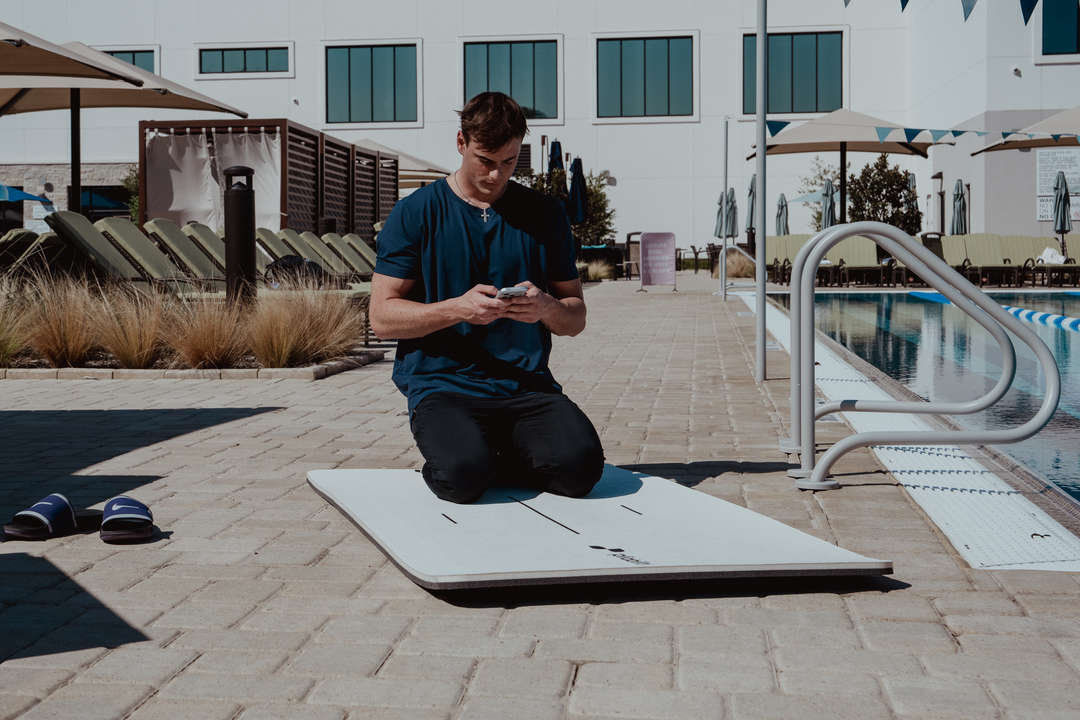
Most people give up on stretching because they do it inconsistently or without the elements that actually change nervous system tone. Follow a short set of proven practices, and stretching stops being a guessing game and becomes a repeatable tool that reliably lowers stress and resets your body.
How Do I Use Breath to Turn a Stretch Into Real Relaxation?
Start every stretch with slow belly breaths, inhaling for about four seconds and exhaling for six to eight seconds, and maintain that pace while you hold. For stress relief:
- Have a calming stretch for 30 to 60 seconds while keeping your breath slow and full
- This slows parasympathetic activation, helping the body stop “bracing” and begin to soften.
When you need a concrete cue, count breaths instead of seconds: six full breaths in the hold, keep focus,s and prevent rushing.
When Should I Stretch Throughout the Day: For Prevention or Emergency Relief?
Use short, preventive sessions mid-morning and mid-afternoon to prevent tension from building, and reserve focused, slightly longer sessions for flare-ups or after a tense meeting. Set phone reminders for mid-morning and mid-afternoon tension check-ins, and block one 10 to 15-minute session in the evening on high-stress days.
Practical recommendations on stretching exercise. A Delphi consensus statement from international research experts reports that stretching for 10 minutes can reduce stress levels by 30% in a single session, making those short daily windows powerful when you protect the time.
How Long Should I Hold Stretches When My Goal is Instant Calm Versus Long-Term Flexibility?
For immediate calming, choose sustained holds of 30 to 60 seconds, taking slow breaths and gently focusing on letting the jaw, neck, or shoulders unclench. For measurable flexibility gains, aim for longer, repeated holds or slow-loaded movements across sessions and weeks, building to two to three minutes per target area per session. Remember that the immediate goal and the training goal use different dosing: short calming holds throughout the day, plus one additional extended flexibility session twice weekly, provide both quick relief and gradual tissue change.
In fact, a single 15-minute focused session produced meaningful relaxation, with Practical recommendations on stretching exercise: A Delphi consensus statement of international research experts, which found that participants reported a 25% increase in relaxation after 15 15-minute sessions in 2025.
How Do I Create Cues And A Simple Routine So I Actually Keep Doing It?
Pair stretching with an existing habit, not with motivation. For example, every time you refill your coffee, do a one-minute neck-and-shoulder reset.
Leave your mat or a towel where you first see it in the morning, and block a 10-minute window on the calendar after lunch three days a week. These environmental cues work because habit is easier when the execution path is obvious, like laying down rails for a train; the more you run the train, the less energy it takes to move it.
How Can I Tell The Difference Between Productive Tension and Harmful Pain?
Use the mild-discomfort rule:
You should feel a pulling or lengthening sensation, not a sharp, stabbing, or radiating pain. Suppose a stretch produces pain that changes your breathing pattern or makes a joint click loudly.
Ease off immediately, and modify the angle. If the same tension persists for more than two weeks despite regular practice, seek a professional assessment rather than doubling down on deeper stretches.
What Simple Tracking Method Keeps Progress Honest And Motivating?
Keep a single-line daily log:
- Date
- Session length
- Primary hotspot (neck, chest, low back)
- A stress score on a 1-10 scale
Review weekly and aim for a modest target, such as a 10-12% reduction in reported stress over six weeks. Start with micro-practice, two minutes once or twice a day for four days the first week, then scale to 10 to 15 minutes on 4 to 5 days weekly; that gradual ramp prevents burnout and protects adherence.
How Do You Protect Progress When Life Gets Busy?
Deploy micro-sessions, anchor them to routines, and keep a single fallback movement you can do anywhere for one minute.
When we ran an eight-week pilot with desk-bound clients, the pattern became clear: Inconsistent, unfocused stretching led most people to stop within two weeks, while scheduled reminders plus breath-focused holds produced steady adherence and clearer subjective relief. Habit beats intensity when stress is chronic.
Commitment Step, Practical and Non-Negotiable
Choose one week, protect three short stretching windows (two micro-checks plus one 10–15 minute session), and use the single-line journal each day. Treat that week as an experiment: follow the breathing, timing, holds, and cues above, then compare your stress scores at the end of seven days.
That small commitment reveals whether stretching is merely something you tried, or a consistent tool that changes how you respond to pressure.
The part that follows this practical plan is where the real option appears, and it will change how you turn those short wins into a lasting habit.
Improve Your Flexibility with Our Mobility App Today | Get 7 Days for Free on Any Platform
If tightness and nagging pain keep you from training at full capacity, we understand; that friction slows progress and leaves you guessing which stretches actually help. Solutions like Pliability combine a performance-minded mobility library, daily-updated custom programs, and a body scan that pinpoints where to target stress-relieving stretches, helping you reduce pain and speed recovery.
Start with seven days free on iPhone, iPad, Android, or on the web.
Related Reading
.jpg)