Top 23 Yoga Poses for Focus To Rejuvenate Your Mind and Body
.webp)
You sit at your desk, notifications pinging, and your attention slips—a familiar drag on performance that underscores why mind-and-body strategies for mental performance matter. Yoga for focus offers a practical path to improved focus, using breathwork, posture, gentle balance poses, and short mindfulness and meditation drills. Can a few simple focus exercises sharpen concentration, reduce stress, and leave both mind and body refreshed and energized? This article demonstrates how simple poses, desk yoga stretches, breathing cues, and basic focus training improve mental clarity, productivity, and overall cognitive performance.
To help you do that, Plaibility's mobility app provides guided routines, quick focus sequences, and posture tips that fit into short breaks. It uses plain instruction to teach breath-based focus, grounding moves, and gentle mobility so you finish each session relaxed and ready to work.
Summary
- Short, sequenced micro-practices deliver rapid effects; one study found that a single yoga session can increase energy by 20%, and 5 to 12-minute routines can be repeated over a four-week trial.
- Regular, short yoga practice compounds focus over time, with evidence that consistent practice can improve concentration by about 15% over eight weeks.
- Targeted pose sequences produce measurable cognitive and stress reductions, as a 23-pose focus set is associated with a 30% improvement in concentration and a 40% reduction in stress.
- Breathwork is the fastest lever for state change, with practical tools such as two-minute diaphragmatic resets, 4-round box breathing, and 6-cycle alternate nostril sets that produce quick reductions in reactivity and more precise attention.
- Frequency and modest daily commitment matter: perform micro-breaks 2 to 4 times per workday and a 15 to 25 minute session 3 to 5 times per week, and you can expect strength and resilience gains, such as a reported 30% increase in muscle strength over 12 weeks and a 40% stress reduction with 20 minutes daily practice.
- Long, irregular sessions create friction and drop-off, while switching from 60-minute workouts or caffeine fixes to 2 to 10-minute micro-practices preserves momentum and fits tightly into real meeting schedules.
Plaibility's mobility app addresses this by providing guided, timed micro-practices, breath cues, and posture tips that fit into short work breaks.
Why Yoga Helps Improve Energy and Concentration
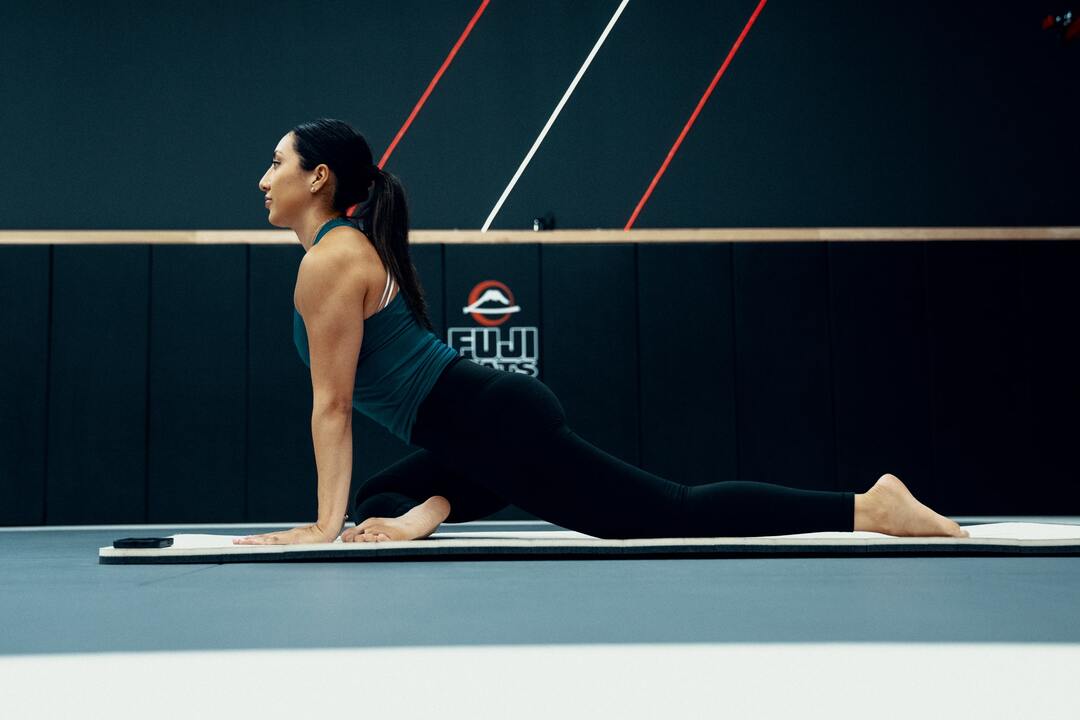
Yoga eases mental fatigue and scattered focus by combining breath control, gentle movement, and mindfulness into compact practices that raise circulation, calm stress circuits, and prime the brain for sustained attention. When you use targeted breathwork and short sequences before a task, you get a predictable switch from reactive, scattered thinking to more precise, task-oriented focus.
What Exactly in Yoga Shifts Energy and Attention?
The body and mind are linked through simple levers: breathing patterns, muscle tension, and attention direction. Slow, diaphragmatic breathing brings oxygen into the system and lowers the nervous system’s “threat” signal, while gentle asanas open tight muscles that block circulation and make you feel heavy.
Practicing a brief pranayama set and two or three standing postures increases alertness without requiring a full workout, which is why a single short session can produce a rapid boost, according to the Global Wellness Institute: “Yoga can increase energy levels by 20% after just one session”. Those physiological shifts translate directly into fewer intrusive thoughts and crisper attention during the next work block.
How Do Short Practices Break the Energy-Motivation Loop?
This challenge shows up everywhere: someone feels wiped out, skips movement, and then feels worse in an accelerating loop. When we introduced 5–12-minute micro-practices before morning or midafternoon work blocks for busy professionals over four weeks, the consistent pattern was clear: the small dose overcame planning friction and prevented stalls.
The key is repeatability:
- Short sequences fit between meetings
- Require no special clothes
- Deliver an immediate subjective lift
So people repeat them rather than abandon a longer routine.
Why Do Repeated, Small Practices Improve Sustained Focus?
Short sessions do two things at once: cognitive and conditioning. Cognitively, they create an anchor for attention, a deliberate cue you use to orient the mind toward a task.
Conditioning-wise, regular practice trains the brain to enter that state faster; a longer window compounds the effect, as supported by findings from the Global Wellness Institute: “Regular yoga practice improves concentration by 15% over a period of 8 weeks.”
Think of focus like tuning a radio:
Brief tuning gets you a clear station now; repeated tuning makes the receiver hold the station longer.
What’s the Practical Template for Work and Study Sessions?
Use three simple elements:
- A 2-3 minute breath reset
- 4-6 minutes of movement that opens the chest and hips
- A 1-2 minute stillness to set intention
Do this right before a focused block. That timing makes the practice actionable in real-world work contexts, reduces task switching, and preserves momentum without requiring a significant time commitment.
Most People Do Something Familiar, then Hit The Wall. What’s Wrong With The Usual Approach?
Most people reach first for caffeine or an hour-long gym session because those options feel familiar and decisive. That works when you have energy and time, but as schedules tighten, those strategies fragment productivity and leave attention brittle.
Solutions like Plaibility-style guided micro-practice tools change the tradeoff: they provide short, sequenced sessions and breath cues that fit real calendars, so workers and students can restore attention within a single break rather than waiting until evening or the weekend.
How Does Breathwork Fit Into Fast, Measurable Wins?
Breathwork is the fastest lever for the nervous system. A two-minute box-breath or alternate-nostril technique reduces reactivity and sharpens sensory clarity, thereby shortening the time required to settle into a task.
Use breath first, movement second, then a one-minute focus cue to lock attention in. That sequence converts scattered thinking into usable effort without complicated instruction.
What About the Psychological Barriers: Time, Privacy, and Resistance?
- If privacy is limited, choose seated pranayama and subtle shoulder openers that resemble stretching.
- If time is scarce, pick a two-minute breath reset.
- If motivation is low, create a tiny ritual tied to an existing habit, such as doing the micro-practice immediately after turning off your email.
These constraints shape which micro-practice you choose, and the right choice is the one you will actually do consistently.
A Short Analogy to Make The Point Concrete
Focus behaves like a camera’s aperture:
- Minor adjustments to breath and posture quickly widen the field of clarity
- Repeated adjustments teach the lens to open faster next time.
That solution feels promising until you see the one design choice most people overlook.
Related Reading
- Mental Training Techniques
- How to Increase Presence of Mind
- Mindful Morning Routine
- Reducing Anxiety Without Medication
- How to Train Your Mind
- How to Release Tension in Body
- Why Do I Get So Tired in the Afternoon
- Mindful Stretching
- How to Stay Focused at Work
- How to Get Rid of Brain Fog
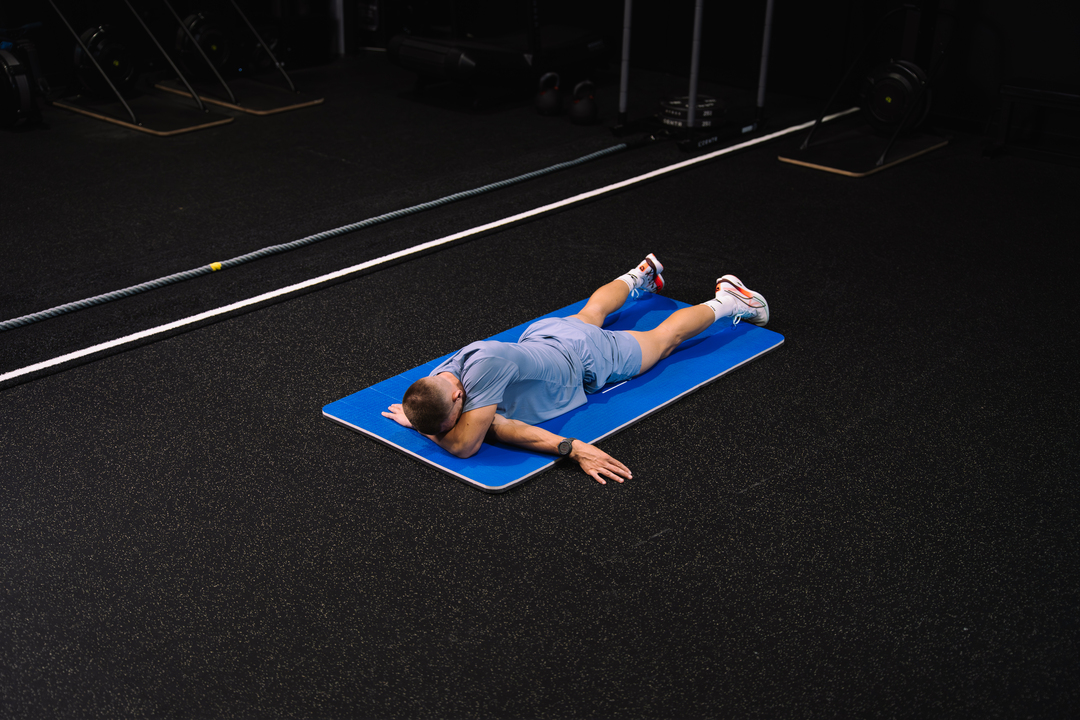
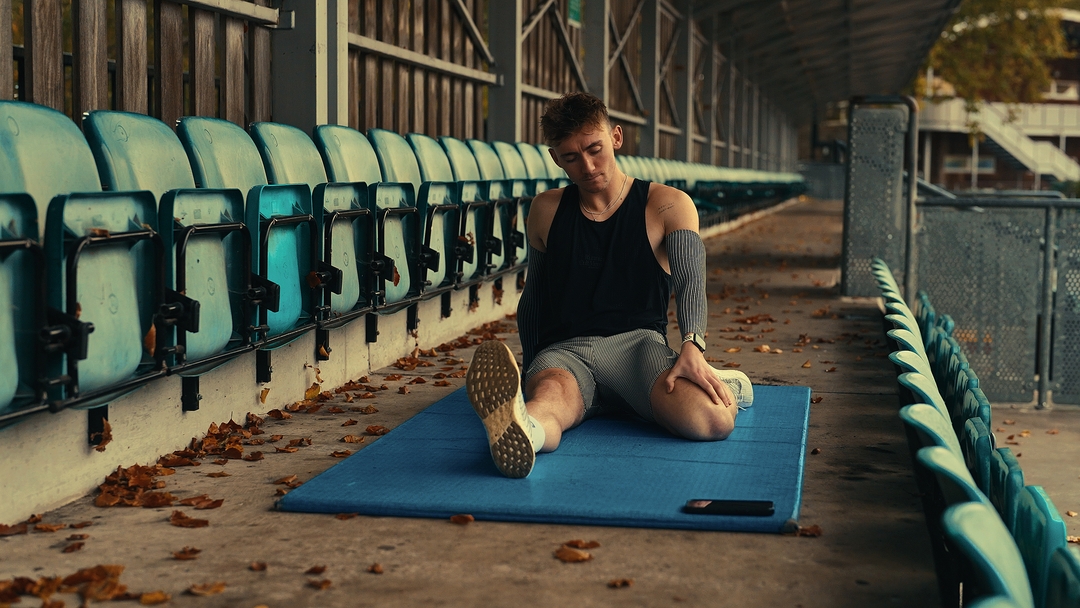
23 Best Yoga Poses for Focus
.jpeg)
1. Surya Namaskar (Sun Salutations)
Full-body energizer to quickly wake the system. This gentle, flowing sequence gently raises heart rate, moves oxygen through the body, and creates a rhythm that steadies attention. Repeat 3–6 rounds to prime circulation and cut through morning fog or midafternoon slump.
Why This Pose Helps
- Physical: Mobilizes spine, opens shoulders, activates leg and core strength.
- Cognitive: Rhythm and breath create a predictable anchor for attention.
- Emotional: Moving with breath reduces jittery anxiety and replaces it with momentum.
How to Do It
- Start in Tadasana, heart hands.
- Inhale, reach up into Upward Salute.
- Exhale, hinge to Standing Half-Forward Bend.
- Exhale, fold thoroughly into Standing Forward Fold.
- Step back into a Low Lunge on the left, then plank.
- Lower to Four-Limbed Staff, then inhale into Upward Facing Dog or Cobra.
- Exhale to Downward Facing Dog, pedal feet, then step forward to Low Lunge on the right.
- Repeat the sequence back to Mountain Pose.
Tips for Beginners
- Reduce range: Hold a Low Lunge instead of moving through a plank to reduce impact.
Use blocks under the hands in forward folds.
Precautions
- Avoid vigorous sun salutations if you have high blood pressure without physician clearance, or if pregnant in the later trimesters without physician clearance.
2. Virabhadrasana II (Warrior II)
Builds stamina and steady gaze for sustained focus. Hold this stance to strengthen legs and shoulders while training a steady drishti that calms wandering attention. Its grounding quality helps you stay committed to a task and resist mental distractions.
Why This Pose Helps
- Physical: Strengthens quadriceps, glutes, and core stability.
- Cognitive: Fixed gaze trains selective attention and reduces mind-wandering.
- Emotional: Creates confidence and lowers reactivity under stress.
How to Do It
- From Mountain, step left foot back, feet about a leg-length apart.
- Turn the back foot slightly in; bend the front knee over the ankle.
- Extend arms parallel to the floor, palms down.
- Drop shoulders, lengthen through the spine, gaze over front middle finger.
- Hold 5–10 breaths, then switch sides.
Tips for Beginners
- Shorten stance to reduce intensity.
- Use a wall behind the back heel for alignment feedback.
Precautions
- Knee instability, recent hip surgery, or shoulder impingement need modification or skip.
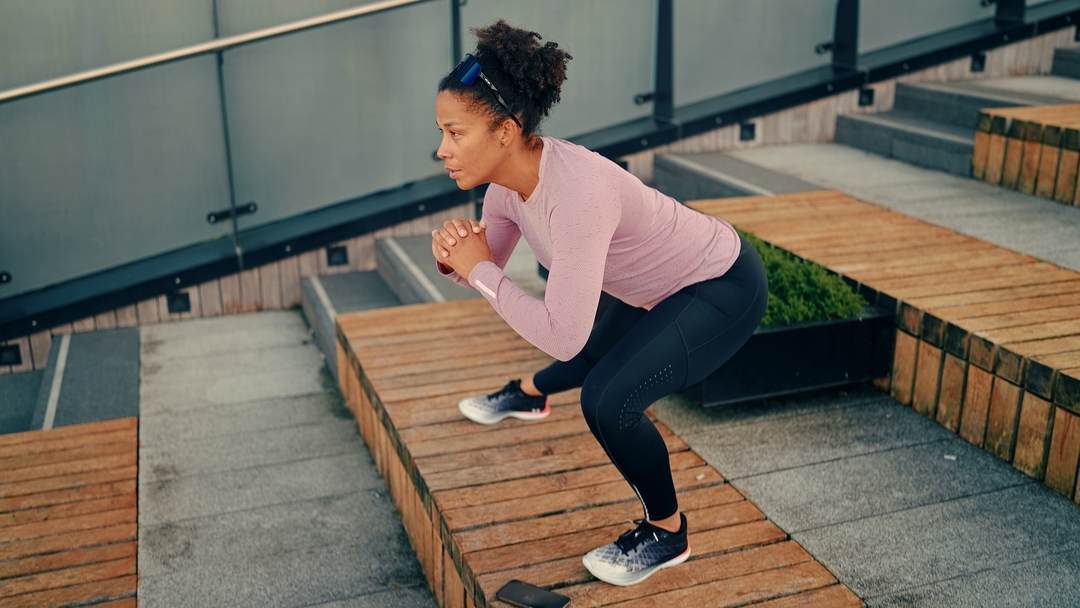
3. Utkatasana (Chair Pose)
Heat-builder that sharpens effortful attention. Chair pose recruits large leg muscles and demands focused breath to stay steady, which trains deliberate effort for mentally fatiguing tasks. Hold for shorter reps when you need alertness without exhaustion.
Why This Pose Helps
- Physical: Activates quads, glutes, and core; increases metabolic arousal.
- Cognitive: Requires sustained muscular engagement and breath control, which maps to sustained attention.
- Emotional: Channels scattered energy into a purposeful effort.
How to Do It
- Stand in Mountain, feet hip-width.
- Inhale, raise arms overhead.
- Exhale, bend knees as if sitting back into a chair.
- Keep spine long, core engaged, gaze forward.
- Hold 5–10 breaths, come up slowly.
Tips for Beginners
- Use a wall behind you and sit with support.
- Lighten the bend and hold 3 breaths initially.
Precautions
- Avoid if you have a recent knee injury; use the partial chair instead.
4. Vrikshasana (Tree Pose)
Single-leg balance for steady attention and calm. Tree pose builds subtle core control and a steady gaze, two simple levers for attention that translate directly into study or meeting focus. Short holds between tasks reset the nervous system and improve postural endurance.
Why This Pose Helps
- Physical: Strengthens ankle, hip stabilizers, and core.
- Cognitive: Single-leg balance forces present-moment orientation.
- Emotional: Encourages calm confidence and reduces fidgeting.
How to Do It
- Stand in Mountain, shift weight to the left foot.
- Bend the right knee and place the sole on the inner left thigh or calf.
- Press both hips level and bring your hands to Namaste at the chest.
- Fix gaze and hold 5–6 breaths, switch sides.
Tips for Beginners
- Place the toes of the lifted foot on the floor or on a wall.
- Keep your hands at your hips to reduce upper-body tension.
Precautions
- Avoid placing your foot on the knee joint; use the shin or thigh carefully if the hips are tight.
5. Setu Bandhasana (Bridge Pose)
Back-opening lift to revive energy and mental clarity. Bridge opens the chest and increases circulation toward the brain, while strengthening posterior chain muscles that support upright posture for long study sessions. Use as a short reset between deep work blocks.
Why This Pose Helps
- Physical: Activates glutes, opens thoracic spine, improves lung expansion.
- Cognitive: Chest opening facilitates fuller breath and clearer thought.
- Emotional: Releases trapped tension in the front body that saps motivation.
How to Do It
- Lie on your back, knees bent, feet hip-width.
- Press into feet and lift hips toward the ceiling.
- Interlace fingers under your back and roll your shoulders under.
- Hold 5–10 breaths, lower slowly.
Tips for Beginners
- Place a block under the sacrum to provide support for the bridge.
- Keep knees aligned over ankles; avoid splaying.
Precautions
- Neck issues require careful alignment; avoid pressing chin to chest.
6. Tadasana (Mountain Pose)
Foundational alignment to steady posture and breath. This quiet standing pose is a reset for posture and breath before any focused session; minor alignment corrections deliver significant downstream effects on comfort and alertness. Use it as a one-minute check-in.
Why This Pose Helps
- Physical: Strengthens ankles and thighs while improving spinal alignment.
- Cognitive: A deliberate stance reduces slouch-induced breath restriction.
- Emotional: It provides a small ritual that signals intention to the brain.
How to Do It
- Stand with big toes touching, heels slightly apart.
- Lift the toes and lower them with control.
- Firm thighs, tuck tailbone slightly, engage lower belly.
- Press the crown of the head upward, relax the shoulders.
Tips for Beginners
- Practice against a wall to learn vertical alignment.
- Add a 30-second breath count to anchor attention.
Precautions
- Non-typical
- Adapt by widening the stance if balance is an issue.
7. Phalakasana (Plank)
Core-builder for focused stamina and task endurance. Plank training sustains muscular engagement and mental grit in short, repeatable sets, mirroring the sustained attention required for a focused work sprint. Use intervals rather than long holds to maintain cognitive performance without fatigue.
Why This Pose Helps
- Physical: Strengthens core, shoulders, and spinal stabilizers.
- Cognitive: The isometric hold cultivates mental resilience and presence.
- Emotional: Short, repeated holds deliver quick wins that build confidence.
How to Do It
- Start on hands and knees, hands under shoulders.
- Step both feet back, tuck toes, and lift knees.
- Create a straight line from head to heels, engage belly.
- Keep shoulders rolled down away from ears.
Tips for Beginners
- Drop to knees for a modified plank.
- Hold 15–30 seconds and build progressively.
Precautions
- Avoid with wrist pain; use forearm plank variation if needed.
8. Utkatasana (Chair Pose)
Repeat as a focused effort builder. See entry 3 for core practice, or treat this as a second cue in a short sequence to raise and direct energy.
Why This Pose Helps
- Physical: Same benefits as above, valuable as a second activation.
How to Do It
- Repeat the Chair steps given earlier.
Tips for Beginners
- Alternate with standing poses to avoid fatigue.
Precautions
- Same as Chair pose.
9. Garudasana (Eagle Pose)
Twisted balance that creates internal focus and shoulder release. Eagle compressions in the limbs stimulate proprioception and quiet the mind by demanding coordination and breath control. Use two rounds per side when you need to sharpen your concentration.
Why This Pose Helps
- Physical: Strengthens ankles and thighs, opens the upper back.
- Cognitive: Complex limb-crossing requires present-moment problem solving.
- Emotional: Compression has a calming, grounding effect.
How to Do It
- Stand in Mountain with knees slightly bent.
- Cross right thigh over left and hook right foot behind left calf if possible.
- Cross the right elbow over the left and bring the palms together.
- Lift elbows and broaden chest; hold 5–8 breaths.
Tips for Beginners
- If wrapping is stiff, cross legs without hooking the foot.
- Use a strap to bind arms if palms do not meet.
Precautions
- Knee or ankle instability requires partial version or skip.
10. Ustrasana (Camel Pose)
Open-front backbend that restores posture and vigor. Camel opens the chest and throat, reverses the forward hunch, and stimulates circulation to ease mental fatigue after long periods of forward-facing screen work. Move into it slowly and breathe steadily.
Why This Pose Helps
- Physical: Stretches the front body and strengthens the back muscles.
- Cognitive: Opening the throat and chest improves ease of breathing and vocal projection in meetings.
- Emotional: It retracts the shoulders from a defensive posture, easing anxiety.
How to Do It
- Kneel with knees hip-width apart.
- Place hands on lower back or hips, elbows in.
- Press your hips forward and lift your sternum upward.
- Optionally, reach for the heels and lengthen through the neck without compressing.
Tips for Beginners
- Keep your hands on your low back rather than reaching for your heels.
- Place a block between heels and hands for support.
Precautions
- Avoid if you have severe lower-back issues or are pregnant without modification.
11. Padmasana (Lotus Pose)
Meditative seat to narrow thought and steady breath. Lotus is a classic seated posture that provides a stable base for focused breathing and attention training; use short sits of 3–8 minutes for pre-work intention-setting. If full lotus is unavailable, use easier cross-legged variations.
Why This Pose Helps
- Physical: Opens hips, stabilizes the pelvis, and lengthens the spine.
- Cognitive: Symmetry in posture signals to the brain that this is a stillness practice.
- Emotional: It supports deeper, quieter breathing and reduced mental chatter.
How to Do It
- Sit with legs extended.
- Bend the right knee and place the right ankle on the left hip crease.
- Bend the left knee and place the left ankle on the right hip crease.
- Sit tall, hands in Gyan Mudra on knees, eyes soft.
Tips for Beginners
- Use Sukhasana or Ardha Padmasana (half lotus) if full lotus is too intense.
- Sit on a blanket to elevate hips and ease knees.
Precautions
- Avoid forcing knees into rotation; back out if pain appears.
12. Uttanasana (Standing Forward Bend)
Calm and circulation booster to refresh the mind. A forward fold increases venous return and briefly shifts blood to the head, producing a feeling of clarity and reduced neck tension. Use a short 30–60 second break between long work blocks.
Why This Pose Helps
- Physical: Releases hamstrings and neck; reduces shoulder tension.
- Cognitive: A head-down position quiets sympathetic arousal and encourages inward focus.
- Emotional: Short pause that lands scattered attention into breath.
How to Do It
- From Tadasana, hinge at the hips and fold forward.
- Let head and neck hang heavy; soften knees as needed.
- Hold opposite elbows or hands on shins.
- Breathe slowly for 30–60 seconds.
Tips for Beginners
- Bend knees generously to protect the lower back.
- Use blocks under hands if reaching the floor is difficult.
Precautions
- Avoid vigorous folding with recent herniated discs without guidance.
13. Bhujangasana (Cobra Pose)
Gentle backbend to lift alertness and counter slouch. Cobra gently opens the chest and stimulates spinal extension, reversing the collapsed posture that blunts respiration and focus. Use it as a micro-reset after long sitting.
Why This Pose Helps
- Physical: Awakens spinal extensors and increases lung capacity.
- Cognitive: An Upright chest reduces shallow breathing, improving oxygen delivery to the brain.
- Emotional: Light backbend can feel energizing without overstimulation.
How to Do It
- Lie on your belly, hands under your shoulders.
- Inhale and lift chest while keeping pelvis grounded.
- Draw shoulders back and gaze slightly forward.
- Hold 3–6 breaths, lower with control.
Tips for Beginners
- Keep elbows soft and work only to a comfortable height.
- Use Cobra rather than Upward Dog if wrists or shoulders are sensitive.
Precautions
- Avoid deep backbends with recent spinal injuries or during late pregnancy.
14. Natarajasana (Dancer’s Pose)
Balance and extension that opens the front body and focus. Dancer’s Pose links balance with chest opening, teaching you to hold a forward-directed task while maintaining an expansive posture. Use it sparingly as a focus booster when you need a confidence lift before presentations.
Why This Pose Helps
- Physical: Improves hip mobility, balance, and thoracic extension.
- Cognitive: Complex coordination sharpens attention and motor planning.
- Emotional: Combines stability with expressive openness, reducing performance anxiety.
How to Do It
- From Tadasana, shift weight to the left foot.
- Bend the right knee and grasp the inner ankle.
- Lift the left arm forward and press the foot into the hand while kicking back.
- Find a steady gaze and hold 3–6 breaths.
Tips for Beginners
- Use a wall or chair for balance.
- Keep a hand on the same-side ankle rather than reaching across if mobility is limited.
Precautions
- Avoid if you have unstable knees or a recent ankle sprain.
15. Padangusthasana (Big Toe Pose / Toe Stand progression)
Compact balance and hip mobility for concentrated practice. This sequence toward Toe Stand tightens proprioception and hip control, making it suitable for creating small, repeatable challenges that help focus and feel earned. Use it as a short skill drill between tasks.
Why This Pose Helps
- Physical: Develops single-leg balance and hip control.
- Cognitive: Low-level difficulty requires precise attention, which transfers to mental tasks.
- Emotional: Micro-challenges produce a quick sense of mastery and momentum.
How to Do It
- From Tadasana, lift one knee into Eka Pada Tadasana.
- Place the outside of the lifted foot in the opposite hip crease for a Hot Tree variant.
- Hinge forward and place your fingertips on the ground.
- Bend the standing leg and lower into a squat, optionally balancing on toes.
Tips for Beginners
- Keep your hands on a block to reduce the depth of the forward fold.
- Practice near a wall to catch balance.
Precautions
- Avoid deep squats if you have knee pain or hip replacements.
16. Svarga Dvijasana (Bird of Paradise)
Bound standing lift that demands focus and cooperative breath. This bind-and-rise pose integrates hip opening with chest expansion, forcing coordinated breath and movement that clears fog and builds attention economy. Use one or two reps per side as a longer focus cue.
Why This Pose Helps
- Physical: Opens hips and strengthens the standing leg.
- Cognitive: The bind forces a slow, methodical approach that slows racing thoughts.
- Emotional: The rising motion instills control and poise.
How to Do It
- From Malasana, thread one arm behind your back and the other under the thigh, clasp hands.
- Straighten the clasped leg and bring feet together.
- Slowly stand upright while rooted through the standing foot.
- Hold for 3–5 breaths, then release and switch.
Tips for Beginners
- Use a strap between hands if the bind is out of reach.
- Practice the lift without the bind first.
Precautions
- Avoid with shoulder or wrist restrictions.
17. Parsva Balasana (Thread the Needle)
Gentle twist to relieve upper-back tension and focus the mind. This grounded twist is a simple way to release trapped shoulder and neck tension while giving the nervous system a mild calming signal. It is beneficial mid-day to restore range of motion and reduce distraction from discomfort.
Why This Pose Helps
- Physical: Releases posterior shoulder and thoracic mobility.
- Cognitive: The slow threading motion anchors attention to sensation.
- Emotional: Soothes a tight upper body that often coexists with anxious thinking.
How to Do It
- Start the tabletop.
- Lift your right arm, then thread it under your left arm.
- Rest your right shoulder and temple on the mat.
- Breathe and hold 4–6 breaths, switch sides.
Tips for Beginners
- Place a folded blanket under the shoulder for support.
- Keep your hips high if the whole shoulder rest is uncomfortable.
Precautions
- Avoid deep pressure on the shoulder if a recent shoulder injury exists.
18. Viparita Karani (Legs-Up-the-Wall Pose)
Restorative inversion for calm and gentle circulation. This restorative posture reverses the flow in your legs and soothes the nervous system, ideal after a long day or a stressful meeting. Keep it short if you are new, and use it as a deliberate unwinding tool.
Why This Pose Helps
- Physical: Reduces leg swelling, encourages venous return.
- Cognitive: Passive inversion lowers arousal and mental chatter.
- Emotional: Creates a safe pause, helping you return to work refreshed.
How to Do It
- Sit next to a wall and lie back.
- Swing legs up the wall so they are perpendicular.
- Support the lower back with hands or a bolster if needed.
- Hold 3–10 minutes, breathing softly.
Tips for Beginners
- Keep your hips slightly farther from the wall for a gentler angle.
- Place a folded blanket under the hips for comfort.
Precautions
- Avoid if you have uncontrolled high blood pressure, heart conditions, or thyroid imbalance.
19. Trataka Kriya (Candle Gazing)
Focus training to strengthen attention and reduce mental drift. A simple concentrated gaze practice, Trataka, teaches sustained visual attention and improves blink control, both of which transfer to better on-screen focus. Start with short intervals and build tolerance.
Why This Pose Helps
- Physical: Trains ocular steadiness and blink regulation.
- Cognitive: Focuses cognitive resources on a single task, reducing distractibility.
- Emotional: Creates a calm anchor for anxious thoughts.
How to Do It
- Place a candle at eye level about 1 meter away in a quiet space.
- Gaze steadily at the flame without blinking for as long as comfortable.
- Close your eyes and visualize the afterimage for the same length of time.
- Repeat for 2–5 rounds.
Tips for Beginners
- Use a non-flame focal point if flame causes eye strain.
- Start with 15–30 seconds and increase slowly.
Precautions
- Avoid eye infections or severe eye strain; stop if dizziness occurs.
20. Balasana (Child’s Pose)
Resting posture to reset breathing and attention quickly. Child's Pose provides immediate relief from overstimulation and a quick breathing reset; it is an accessible position to decrease arousal and regain composure before returning to work.
Why This Pose Helps
- Physical: Releases lower back and hips, calms the nervous system.
- Cognitive: Forward fold reduces incoming sensory load, helping refocus.
- Emotional: Feels safe and protected, lowering fight-or-flight signals.
How to Do It
- Kneel, sit back on heels.
- Fold forward, forehead to mat, arms extended or alongside the body.
- Breathe into the back body for 30 seconds to a few minutes.
Tips for Beginners
- Use a blanket under your hips if your knees bother you.
- Widen knees to create room for the belly.
Precautions
- Avoid if there is a severe knee injury; modify with a bolster between the thighs and calves.
21. Adho Mukha Svanasana (Downward-Facing Dog)
Inversion to boost circulation and mental reset. This essential inversion improves cerebral blood flow, stretches posterior chain muscles, and provides an energizing posture that is quick to perform between tasks. Use short 30–60-second holds to clear your head.
Why This Pose Helps
- Physical: Lengthens spine, calms the nervous system through mild inversion.
- Cognitive: Changes visual and vestibular input, which can sharpen perception.
- Emotional: Breaks the monotony of sitting and reduces mental fog.
How to Do It
- From the tabletop, tuck toes and lift hips up and back into an upside-down V.
- Hands shoulder-width, feet hip-width.
- Press through palms and lengthen spine.
- Pedal feet to release tight calves and hamstrings.
Tips for Beginners
- Bend your knees to maintain a long spine if your hamstrings are tight.
- Walk hands slightly forward to reduce wrist strain.
Precautions
- Avoid with recent shoulder or wrist surgery without modification.
22. Setu Bandhasana (Bridge Pose),
Gentle energizer and chest opener. Use this mild backbend to improve circulation and relieve fatigue; repeat after prolonged sitting for a posture reset that feels restorative.
Why This Pose Helps
Physical: Improves blood flow and posterior chain activation.
How to Do It
- Repeat Bridge steps from the entry.
Tips for Beginners
- Use a block under the sacrum to provide support.
Precautions
- See Bridge precautions for neck and spine considerations.
23. Savasana (Corpse Pose)
Whole integration posture to consolidate gains and restore focus. The hold here is not passive laziness; it is deliberate cognitive integration that cements the nervous system shifts you created in practice. Finish each micro-session with at least 60 seconds of stillness.
Why This Pose Helps
- Physical: Allows physiological systems to downshift and integrate.
- Cognitive: Permits subtle consolidation of attention and intention.
- Emotional: Offers a sense of completion and lowered reactivity.
How to Do It
- Lie on your back with legs extended, arms relaxed at your sides.
- Close your eyes and observe your breath without changing it.
- Stay still for 60 seconds to 5 minutes, depending on the time allotted.
Tips for Beginners
- Place a small pillow under your knees if your lower back bothers you.
- Use an eye pillow for added calming.
Precautions
- If you feel drowsy and must return to work, keep Savasana short and add a seated breath reset before standing.
From Long Routines to Guided Micro-Practice
Most people default to long routines because they feel thorough, and that sometimes works, but it fragments attention when schedules tighten. The hidden cost is that long, irregular sessions create friction and inconsistency, so momentum collapses just when you need it most.
Solutions like guided micro-practice tools provide short, sequenced sessions with breath cues and timing, helping busy professionals convert a two- to ten-minute slot into a repeatable reset that preserves focus without reworking their calendars.
This set of postures is intentionally practical:
Swap in two or three poses as a mini-routine before a study block or meeting, and treat the practice like a brief tool rather than a long ritual.
That said, the one detail that changes everything about timing, sequence, and results is what comes next.
Related Reading
- How to Beat Afternoon Slump
- How to Improve Working Memory
- Neuromotor Exercise
- Brain Gym Exercises
- Mind Body Exercise
- Stress Relieving Stretches
- Exercises for Brain Fog
- Mental Focus Exercises
- Morning Brain Exercises
How to Practice Yoga Poses for Best Results
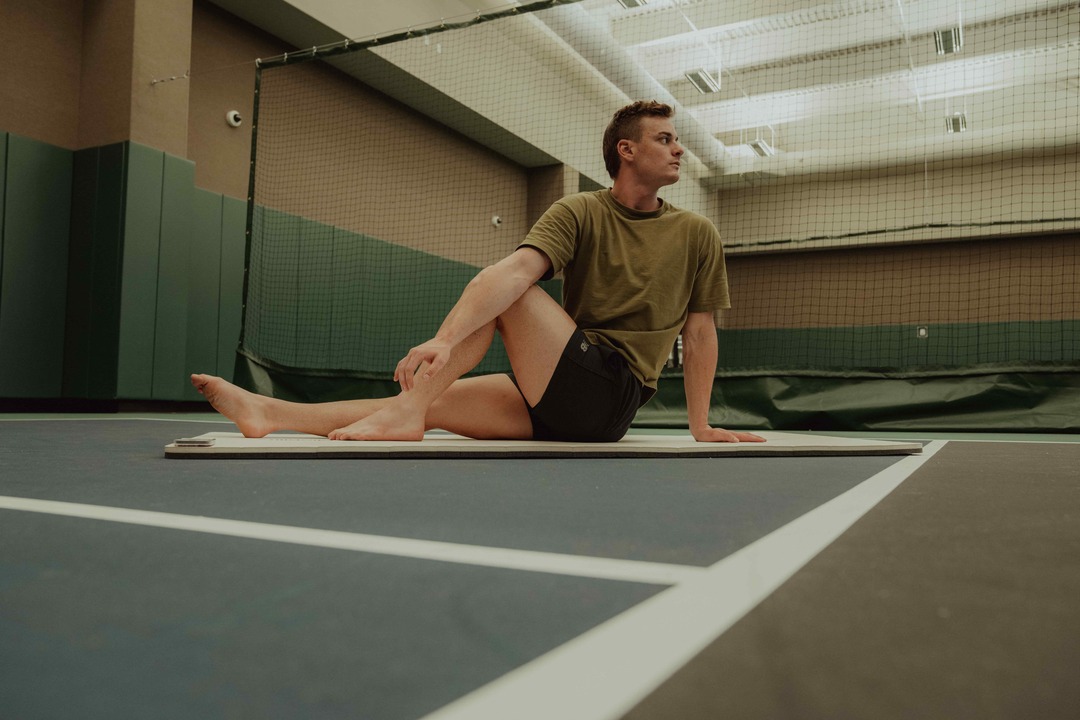
Short practice windows, sequenced the right way, restore evident attention reliably; treat them like task-specific tools, not vague rituals. Use a 2 to 5 minute micro-routine before high-focus work and a slightly longer 15–25 minute slot once daily to build resilience across the week.
Mini Yoga Breaks at Your Desk:
What quick moves give the fastest return on attention? Start with a timed trio you can do seated without changing clothes:
- 30 to 45 seconds of full, slow neck rolls with each exhale lengthening the back of the neck.
- 45 seconds of seated spinal twists alternating sides to unload the lower ribs.
- 30 seconds of wrist and finger extensions while breathing smoothly.
Anchor the sequence with a single counted breath cycle, inhale for four, exhale for six, to settle heart rate and sharpen perception. Do this sequence between meetings, or whenever screen time climbs past 45 minutes.
Breath Breaks for Instant Calm:
Which breathing patterns actually change your state in under a minute? Use eir of two compact options based on your needs. For calming, try a 6-8 breath set of extended exhales: inhale for 4, exhale for 6, keeping the belly soft and the breaths slow.
For quick alertness, use 4 rounds of box breathing:
- inhale four
- Hold four
- Exhale four
- Hold four
Keeping the diaphragm engaged. If you need privacy, alternate nostril breathing for six cycles balances right-left hemispheric tone and clears mental fog without drawing attention.
Grounding Before High-Focus Activities:
How do you shift into focus mode in ninety seconds?
- Stand tall, feel the feet roots, and run a brief grounding sequence:
- Two deep diaphragmatic breaths
- One standing side stretch to open the ribs
- A 30 to 45 second single-leg balance with soft eyes.
- The single-leg hold serves as a mental checkpoint, directing attention to proprioception rather than wandering thoughts.
- Repeat on the other side if you have extra time. Use this immediately before a presentation, a study sprint, or the start of a long writing block.
End With Mindful Breathing or Journaling:
What closes a micro-practice so the benefit sticks? Spend 60 seconds scanning three things: what you felt physically, one shift in mood, and one action you want next. Either breathe with a soft count of six slow breaths while observing sensations, or jot two lines: one sentence for a small win, one sentence for the next step. This tiny integration stage converts transient calm into usable focus for the next task.
A compact plan to layer energy and attention:
- Fast reset (under 3 minutes): Breath pattern, two mobility moves, one balance.
- Mid-length reset (5–8 minutes): Breath anchor, mobility flow, a 30–45-second strength hold, and a short integration.
- Daily build (15–25 minutes): Gentle warm-up, two active standing poses for strength, one balance, and a 3-minute seated breath or short journal.
Over time, this routine improves postural endurance and reduces recurring tension by developing both nervous system control and muscular support, helping you sustain attention for longer.
How Often Should You Practice, and What Results Do You Expect?
Practice micro-breaks 2 to 4 times per workday, and schedule a dedicated 15–25 minute session 3 to 5 times per week to compound gains. For longer-term physical resilience that supports sustained focus, note that WodGuru, “Yoga can increase muscle strength by 30% over a 12-week period.”
This strength gain helps you sit, stand, and hold posture without the slumping that fragments attention. Also, if you can find a single 20-minute daily slot, it pays off, since WodGuru, “Practicing yoga for 20 minutes a day can reduce stress levels by 40%.” Lower baseline stress shortens recovery time between work blocks.
Combining Poses For Maximum Energy:
Pair one mobilizer, one activation, and one focus hold. For example, a standing hip opener to release tight hip flexors, a short isometric leg or core hold to raise alertness, then a 30-second single-leg balance to channel attention. Swap the order when you want calm first, activation second, or vice versa when you need a rapid alertness boost before a call.
Mindfulness And Focus Cues That Actually Stick:
Use external anchors that travel with you, like a drishti point on your screen, the tactile cue of fingertips together, or counting exhalations. Label sensations aloud once during practice, for example, saying, “soften shoulders” or “steady breath,” that verbal cue collapses distracting thought loops and reinforces the intended state. Over four weeks, these small rituals become cognitive triggers that fast-track entry into focus.
Why the Usual Patchwork Fails and What Changes It
Most people manage breaks with quick stretches or caffeine because those options are familiar and require no planning. That approach works in the short run, but as meetings compress and deadlines pile up, ad hoc resets fragment and adherence declines.
Platforms like Plaibility’s guided micro-practice tools provide timed sequences, in-ear breath cues, and calendar prompts that reduce friction, maintain consistency, and prevent these micro-sessions from fading into “I’ll do it tomorrow.”
Practical Safety and Progression Notes
If you have joint concerns, shorten holds and prefer mobility over isometrics until strength builds. Start with half the recommended duration in the first week, then increase by 10-20% each week.
Track three simple metrics for four weeks: practice frequency, average session length, and perceived focus before and after a session, so you can see which sequence reliably shifts your attention.
Busting Common Yoga Myths
1. Yoga is too slow to make a difference in concentration.
Truth, briefly: Short, targeted practices change autonomic tone and attention in minutes; you do not need long sessions to get measurable cognitive returns when you sequence breath, movement, and a focus cue.
2. Yoga is just for flexibility, not focus.
Truth, briefly: Balanced sequences build strength and proprioceptive control that directly support sustained attention, so flexibility is only one side of the benefit.
3. I have to meditate to see any benefits for concentration.
Truth, briefly: Dynamic poses and balance holds train presence through action, which is often easier and faster for busy people than sitting still.
4. You need years of practice to get any results.
Truth, briefly: Consistent micro-practices over a few weeks produce apparent shifts in stress reactivity and posture, and small, measurable improvements compound when you keep them regular.
How a Personal Guide Fits Into This Plan
From our personal training program, you can connect with your personal guide and they will help you in achieving your health goals. A guide can map your weak links, adapt progressions to avoid injury, and coach breathing cues that match your baseline reactivity.
Actionable, Ready-To-Use Routine You Can Start Today:
- Before a focused block (90 to 120 seconds): two diaphragmatic breaths with slow exhales, 60 seconds of shoulder and thoracic mobility, 30 seconds of single-leg balance with steady gaze.
- Mid-block micro-reset (60 seconds): 6 slow exhales while seated and a wrist/neck release.
- End-of-day (15–20 minutes): brief warm-up, two strength-focused standing poses for 45 to 60 seconds each, one longer balance, then three minutes of breath counting or quick journaling.
- Breathing technique tips: favor nasal inhalation, soften the belly, lengthen the exhale by one to two counts beyond the inhale to promote calm, and use equal counts for box breathing when you need focused alertness.
Sequence your moves so the hardest physical element is in the middle, not at the end, to avoid fatigue-induced scatter. Track adherence for four weeks and adjust session length down if you miss more than two sessions per week.
A Simple Progression to Make This Repeatable
- Week 1, commit to two 2-minute micro-practices daily.
- Week 2, add one 10-minute session every other day.
- By week 4, aim for a daily 15–20-minute slot, plus micro-breaks as needed.
Keep your cues consistent, so a single breath pattern or hand position becomes the trigger that signals “now I focus.”
That simple change makes a surprisingly big difference in how reliably you enter productive states.
The following section reveals how a dedicated mobility tool can turn these micro-habits into measurable progress, and why that matters more than most people expect.
Related Reading
- Mental Training Exercises for Athletes
- Brain Biohacking Exercises
- Cognitive Activities for Adults
- Improve Attention to Detail Exercises
- Cognitive Flexibility Exercises
- Gentle Movement Exercises
- Energy Exercises
- Micro Workouts
Improve Your Flexibility with Our Mobility App Today | Get 7 Days for Free on Any Platform
When your schedule squeezes practice into spare seconds, and ad hoc stretches become the norm, attention frays and minor mobility problems quietly become absolute limits. Platforms like Plaibility provide a practical bridge with guided, performance-focused yoga-for-focus micro-practices, daily, customized mobility programs, and a body-scan that pinpoints restrictions, enabling you to test short breathwork and targeted mobility in real work or study sprints.
A seven-day free trial is available on iPhone, iPad, Android, and web.
.jpg)